Date: 2026.06.23 Click: 22
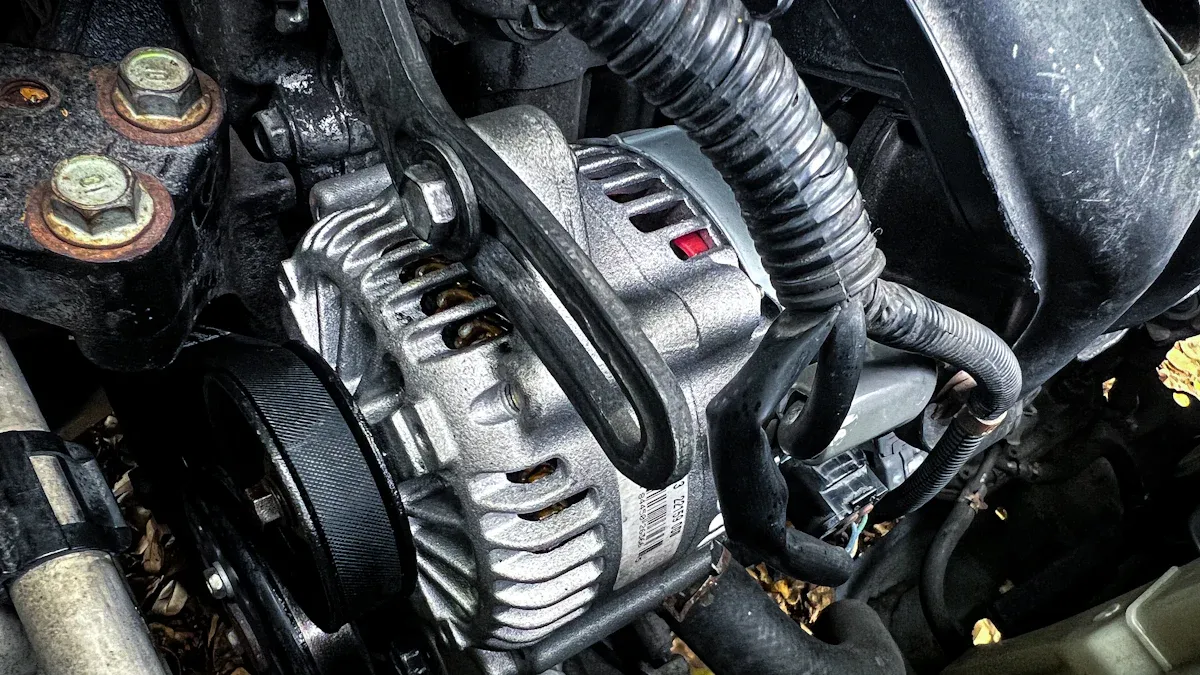
An alternator belt is also called a serpentine belt. It is a tough rubber band. This belt helps your car work well. The belt moves power from the engine. It sends power to parts like the alternator and air conditioner. If you know about it, you can stop surprise breakdowns.
Key TakeawaysThe alternator belt is also called the serpentine belt. It helps run important parts in your car. These parts are the alternator, power steering pump, and air conditioning compressor.
You should check your serpentine belt often. Look for cracks or listen for squealing sounds. Change the belt every 60,000 to 100,000 miles. This helps stop your car from breaking down.
If the alternator belt breaks, your car can get too hot. You might lose power steering. Your car could also have electrical problems. Fix any warning signs right away. This keeps your car working well.
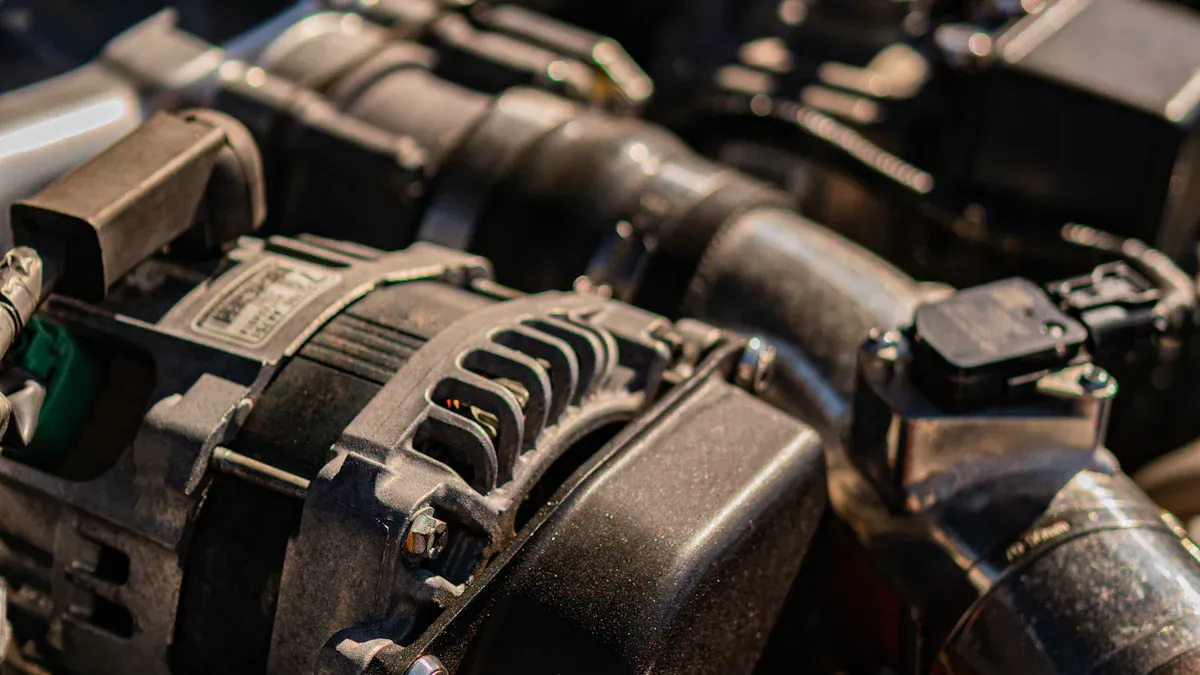
You may hear people call it an alternator belt or a serpentine belt. Both terms describe a belt that helps your car run. In older cars, the alternator belt was a separate part. In most modern cars, the serpentine belt does the same job but also powers more parts at once. Here is a table to help you see the difference:
|
Belt Type |
Description |
Usage in Vehicles |
|---|---|---|
|
Alternator Belt |
A separate belt that keeps the battery charged when a serpentine belt isn’t used. |
Typically used in older vehicles or specific designs. |
|
Serpentine Belt |
A long, ribbed belt that powers multiple engine components with a single loop. |
Common in modern vehicles for efficiency. |
The serpentine belt wraps around several pulleys. It connects the engine to important parts that need power to work.
Your car depends on the alternator belt to keep many parts working. The belt sends power from the engine to these key components:
The alternator, which charges the battery and keeps the lights and radio working.
The power steering pump, which makes steering easier.
The air conditioning compressor, which keeps the car cool.
The water pump, which helps keep the engine from overheating.
If the belt stops working, these parts will stop too. You may notice the steering gets hard, the air conditioner stops blowing cold air, or the engine starts to get too hot.
The alternator belt is one of the most important parts under your car’s hood. It does more than just spin. It keeps your battery charged and helps your engine stay cool. Here is how it works:
The belt powers the alternator. The alternator charges the battery and gives electricity to things like the cooling system.
If the belt gets loose or breaks, the alternator stops working. The battery will drain fast, and your car may not start.
In many cars, the belt also runs the water pump. If the belt fails, the engine can overheat and get damaged.
Note: If the alternator belt fails, you may lose power to the lights and radio. The battery can die, and the engine may overheat. You might also notice stiff steering or the air conditioner not working. These are all signs that you may need a serpentine belt replacement.
The alternator belt helps your car run smoothly and safely. It transfers power from the engine to the parts that need it most. Modern belts use strong materials and special designs to last longer and work better. Manufacturers test these belts for strength, heat resistance, and noise. They want to make sure the belt will not fail when you need it most.
A working serpentine belt means your car runs better and uses less fuel. If you take care of the belt and replace it when needed, you help your car stay safe and reliable.
Alternator Belt Operation & Serpentine Belt Replacement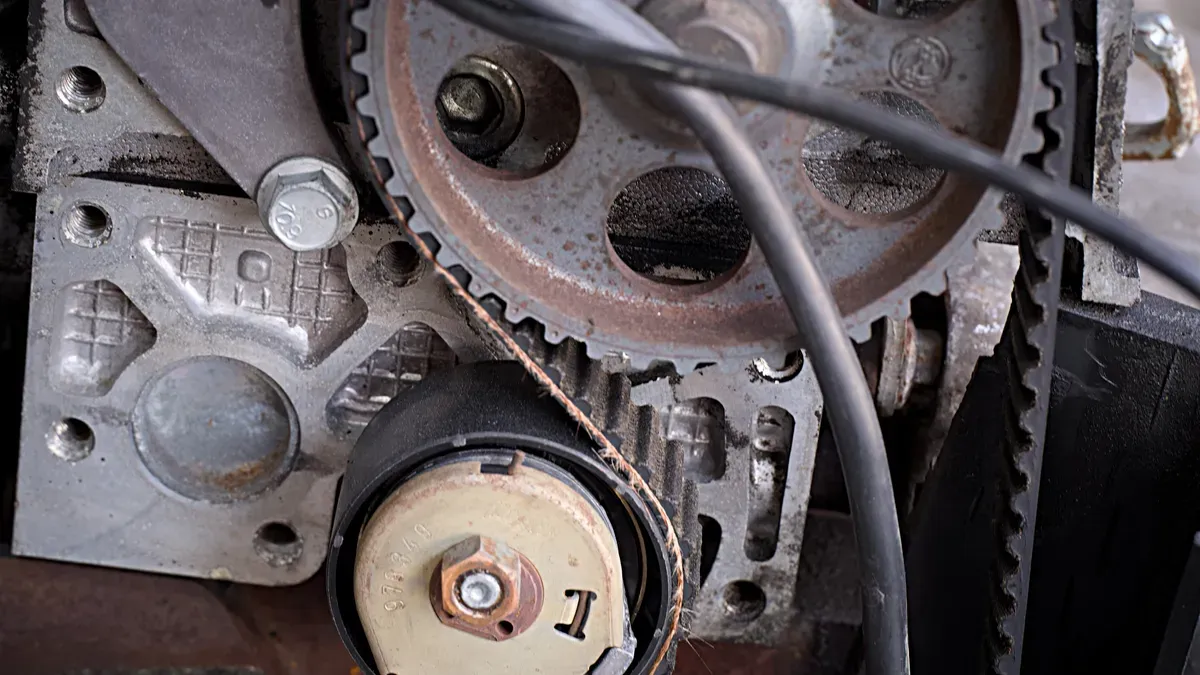
You see the alternator belt every time you open your car’s hood. This belt connects the engine’s crankshaft to the alternator and other parts. The belt and pulley system uses different pulley sizes to make the alternator spin faster than the crankshaft. This helps the alternator create enough electricity for your car. The alternator needs to spin at high speeds, sometimes up to 10,000 RPM, while the crankshaft turns much slower. Good belt tension and alignment help the belt transfer power without slipping or wasting energy.
Proper alignment keeps the belt in place and helps it last longer.
If the belt is too loose, it can slip and lose power.
If the belt is too tight, it can wear out the pulleys and bearings.
Watch for these signs that your serpentine belt may need attention:
Squealing or chirping noises when you start or speed up.
Cracks, fraying, or worn spots on the belt.
Dimming headlights or electrical problems.
Battery warning light on your dashboard.
Hard steering or engine overheating.
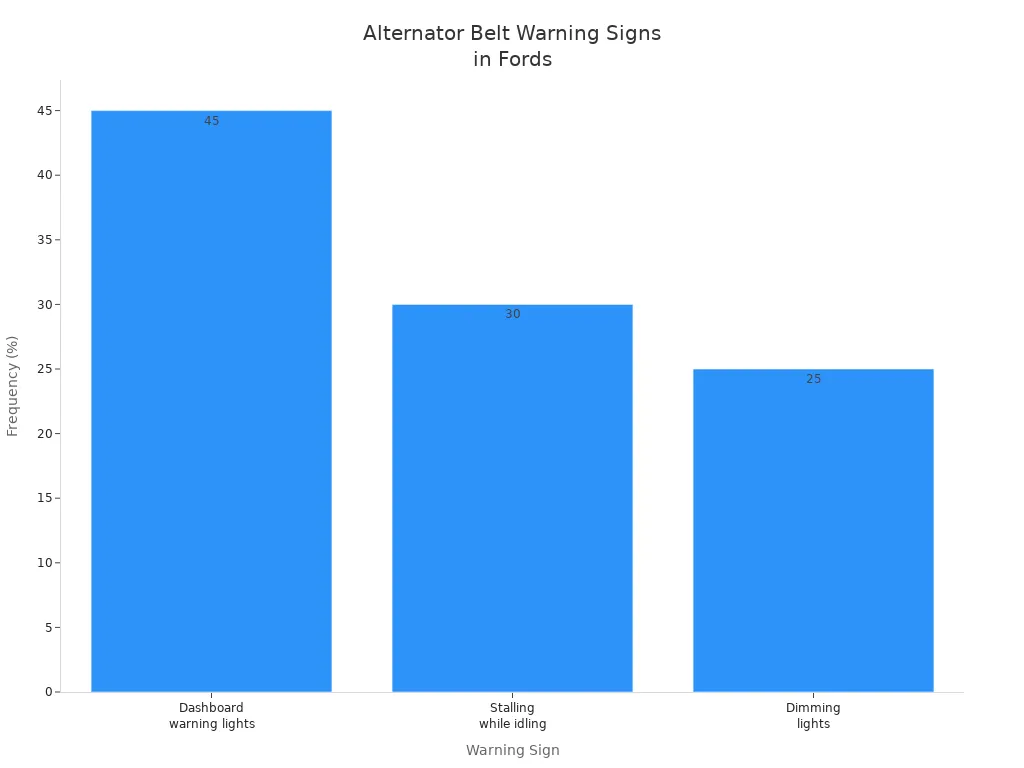
You should replace the alternator belt if you see any warning signs. Most belts show problems before they break. If you ignore a bad serpentine belt, your car can stall or overheat. The table below shows how often warning signs appear and what you should do:
|
Issue |
Frequency in Fords |
Likely Cause |
Recommended Action |
|---|---|---|---|
|
Dashboard warning lights |
45% |
Diode/power regulation |
Alternator output test and inspection |
|
Stalling while idling |
30% |
Low alternator voltage |
Check belt tension and alternator bearings |
|
Dimming lights |
25% |
Pulley or belt issues |
Inspect belt, replace tensioner if worn |
You can help your car by checking the serpentine belt often. Look for a belt routing diagram under the hood. Use a belt tensioning tool to release the tensioner. Always inspect the pulleys and tensioners when you remove the belt. Most shops charge $100-$250 for a serpentine belt replacement. If you keep your belt in good shape, your car will run better and last longer.
Checking the alternator belt often helps keep your car safe. If you look at the belt early, you can find problems before they get worse. Experts say you should get a new belt every 60,000 to 100,000 miles. Always watch for warning signs. Ask a mechanic for help if you see any problems.
|
Maintenance Task |
Recommendation |
|---|---|
|
Serpentine Belt Lifespan |
60,000–100,000 miles |
|
Inspection Frequency |
During oil changes or servicing |
|
Signs of Wear |
Replace if symptoms are present |
You should check your serpentine belt during every oil change. This helps you spot wear early and keeps your car running smoothly.
If your serpentine belt breaks, your car may lose power steering and overheat. You should stop driving and call for help right away.
You can do serpentine belt replacement if you have basic tools and follow a diagram. Always check the belt routing before you start.
Please leave your requirements and contact information, and we will send you the quotation information as soon as possible.