Date: 2026.06.18 Click: 55
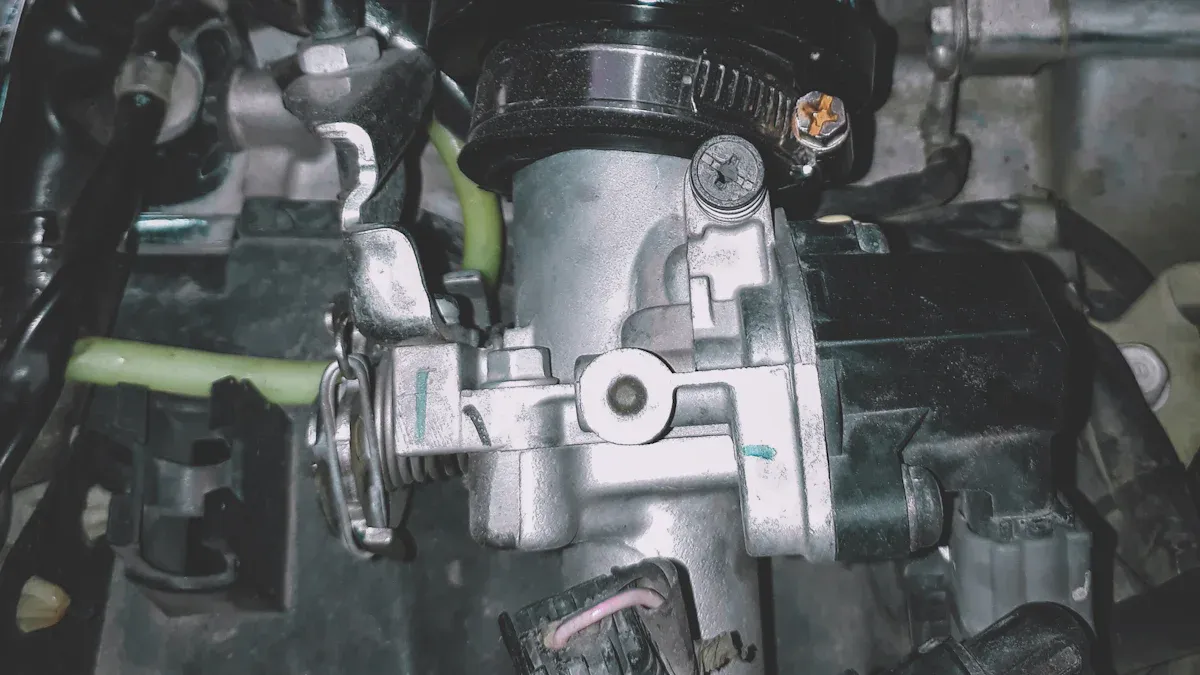
You use a throttle position sensor when you press the gas pedal. This device checks how much the throttle valve opens. It sends signals to your car’s engine control unit (ECU). Most cars today have this technology:
More than 60% of modern cars have a throttle position sensor.
Around 65% of new cars use electronic throttle systems that need this sensor.
The sensor changes its resistance as you move the pedal. This makes a voltage signal. The ECU reads the signal. It changes fuel and ignition for smooth driving. Knowing how this part works helps you find problems early. It also keeps your car working well.
Key TakeawaysThe throttle position sensor helps the engine control unit (ECU) change fuel and ignition. This makes driving smoother and helps save gas.
If the throttle position sensor is not working, you can lose power. The car may speed up roughly and driving can be unsafe. Fixing it soon stops bigger problems.
There are two main kinds of sensors: mechanical and electronic. Most new cars use electronic sensors. These are more accurate and last longer.
If the sensor is bad, the engine may stall or idle roughly. The car might jerk or show a check engine light. Fix these problems fast to stop more damage.
Check the sensor often and replace it if needed. This helps your car run well, use less gas, and stay safe.
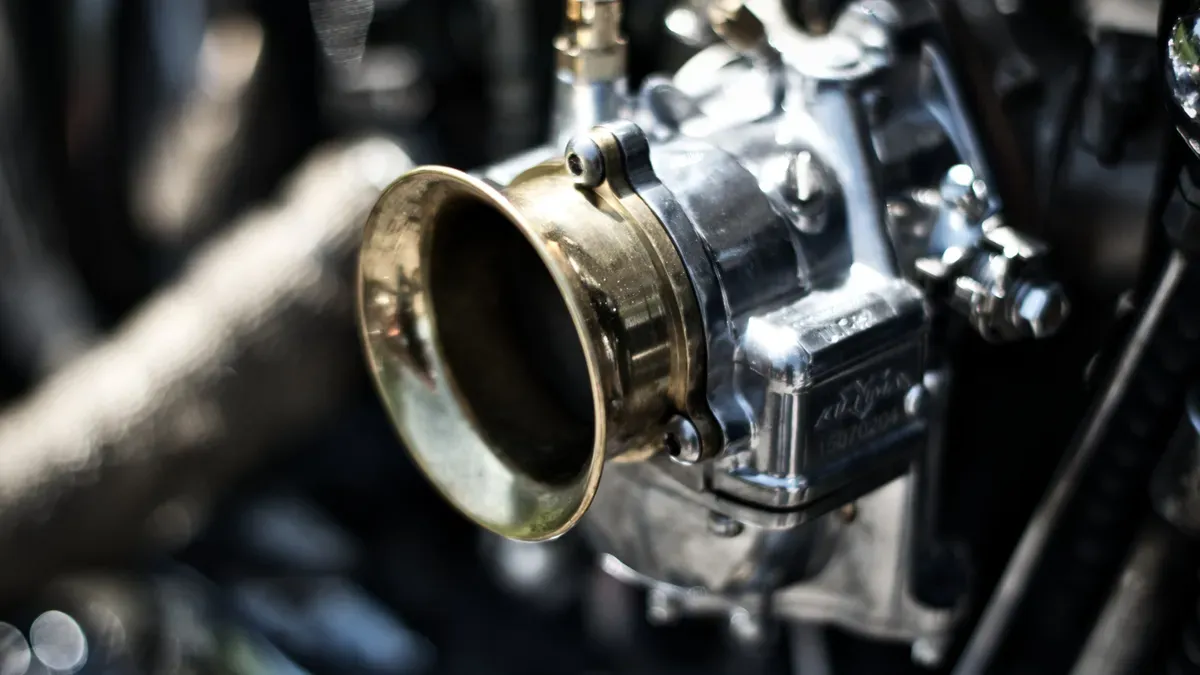
Almost every modern car has a throttle position sensor. This sensor is on the throttle body. It checks how much the throttle valve opens when you press the gas pedal. The throttle position sensor measures the angle of the throttle valve. It sends this information to the engine control unit, or ECU. The ECU uses this data to make choices about your engine.
The throttle position sensor checks the throttle valve’s position.
It tells the ECU to change fuel injection and ignition timing.
The sensor helps control idle speed and keeps the engine smooth.
It is important for fuel efficiency and engine performance.
The throttle position sensor works with other sensors in your car. It helps the ECU know how much fuel to use and when to fire the spark plugs. This keeps your engine running well. You get better acceleration, smoother driving, and lower emissions because the throttle position sensor keeps the air-fuel mix right.
The throttle position sensor also affects emissions. It helps the ECU control how much fuel goes to the cylinders. This keeps the air-fuel mix correct and lowers harmful gases. If the throttle position sensor stops working, you might notice slow acceleration, shifting trouble, or a check engine light.
The throttle position sensor uses a potentiometer or a Hall-effect sensor. When you press the gas pedal, the throttle valve opens. The sensor measures the angle and changes its resistance. This makes a voltage signal. The ECU reads this signal and changes fuel delivery to match the air going into the engine.
As you speed up, the throttle position sensor tracks the throttle valve. It sends real-time data to the ECU. The ECU figures out how much fuel the engine needs. This keeps the air-fuel mix right for every driving condition.
The throttle position sensor has sensors that measure the throttle shaft’s angle.
These sensors give very exact readings, usually within 0.1° over a 90° range.
The sensor must stay correct. If the readings from its channels are too different, the ECU may go into limp mode to protect the engine.
The throttle position sensor works with other engine sensors. It helps the ECU manage fuel injection, spark timing, and air intake. This teamwork makes sure your engine runs well and responds fast when you press the gas pedal.
The throttle position sensor sends signals to the ECU. The ECU uses these signals to control fuel injection, ignition timing, and idle speed. This keeps your engine smooth and helps you save fuel.
You use the throttle position sensor every time you drive. It keeps your engine efficient, lowers emissions, and makes your car respond quickly to you.
Importance of Throttle Position SensorYou use the throttle position sensor every time you drive. This sensor helps your engine react fast when you press the gas pedal. It tells the ECU how much the throttle valve opens. The ECU uses this to change fuel and ignition timing. You get smooth speed and steady power because the sensor keeps the air-fuel mix right.
If the throttle position sensor is bad, your engine can lose power. You might feel the car jump or notice the idle is not steady. Sometimes, your car feels rough and does not speed up as it should. These problems can make driving hard and unsafe.
Power loss
Surge
Erratic idle
Rough performance
The throttle position sensor also helps your automatic transmission shift. If the sensor is not working, the transmission may shift at the wrong time. You could feel a sudden jolt or see your car cannot shift to higher gears. This makes driving less smooth and can hurt your transmission.
|
Failure Symptoms |
Risk Level |
Primary Manifestation and Impact |
|---|---|---|
|
Transmission Shifts Erratically |
Moderate |
Automatic transmission shifts at odd times, feels rough, or cannot go to higher gears. This hurts power, messes up cruise control, and can wear out the transmission faster. |
You need a good throttle position sensor for quick acceleration. If the sensor sends wrong signals, your car may pause or jerk when you try to speed up. This happens because the ECU cannot set the air-fuel mix right. You may feel the car does not speed up smoothly. These problems can make you worry about your car and cause safety risks, especially when you need to go faster.
A throttle position sensor keeps your engine steady. If you ignore warning signs, your engine may not run right. This can make your car unsafe. Unsteady RPMs and a bad air-fuel mix can raise the chance of accidents. Driving with a broken throttle position sensor can cause more damage and make things dangerous.
Unsteady engine performance is a big safety risk.
Bad RPMs and air-fuel mix can make accidents more likely.
Driving with a broken throttle control can make your car worse and less safe.
If the throttle gets stuck from sensor problems, you could lose control and crash.
Acceleration problems from ignoring warnings can be very dangerous for you and others.
A working throttle position sensor also saves fuel. The sensor helps the ECU control the air-fuel mix. This gives you better gas mileage and lowers pollution. Newer electronic throttle systems use sensors to get the best air-fuel mix. You get more miles per gallon and help the planet.
The throttle position sensor helps the air-fuel mix, which saves gas.
New throttle systems use sensors to get better fuel use.
You should watch for signs of a bad throttle position sensor. If you notice slow speed, rough idle, or shifting trouble, check the sensor. Fixing it fast keeps your car safe and running well.
Types of Throttle Position SensorsTip: Always pay attention to your car. If you see changes in how it runs or warning lights, check the throttle position sensor. Fixing problems early keeps you safe and avoids bigger repairs.
There are two main types of throttle position sensors. These are mechanical sensors and electronic sensors. Each type works in a different way. They both have their own special benefits.
Mechanical sensors use a variable resistor to check the throttle’s position. When you press the gas pedal, a cable moves the throttle valve. The sensor changes its resistance as the valve turns. This sends a signal to the ECU. Mechanical sensors react right away because they connect straight to the pedal.
You find mechanical sensors in older cars and some fast cars.
These sensors are simple and work well for a long time.
They often last as long as your car, but tough conditions can break them early.
Note: If your car speeds up roughly or idles badly, the throttle position sensor might be bad. Mechanical sensors can wear out, especially if they get dirty or wet.
Electronic sensors use magnets or Hall-effect technology to sense the throttle’s position. When you press the pedal, the sensor sends an electronic signal to the ECU. These sensors do not need to touch moving parts, so they last longer. Most new cars use electronic sensors for better accuracy and safety.
Electronic sensors help with features like traction control and stability.
Car makers test these sensors for accuracy, strength, and safety. They follow strict rules like ISO 26262 and EMC testing.
Electronic sensors must answer in less than 10 milliseconds and stay within ±0.5% accuracy.
Electronic sensors help your car run smooth and safe. They work in very hot or cold weather and can handle shaking. Electric and hybrid cars use electronic sensors to save energy and go farther.
|
Feature |
Mechanical Throttle |
Electronic Throttle |
|---|---|---|
|
Connection |
Direct physical connection (cables, linkages) |
Electronic sensors and actuators |
|
Response |
Immediate response to pedal input |
Managed through algorithms for precision |
|
Integration |
Limited integration with other systems |
Advanced features like traction control and stability management |
|
Reliability |
Proven reliability with straightforward operation |
Enhanced reliability with redundant safety systems |
|
Adoption |
Common in older vehicles and performance applications |
Dominant in modern automotive applications since early 2000s |
Throttle position sensors keep getting better. Car makers use digital and non-contact sensors for longer life. Some new sensors even use IoT and AI. These changes help your car stay strong and work well.
Throttle Position Sensor ProblemsTip: Always check your throttle position sensor if your car acts different. New sensors last longer, but checking them keeps your car safe.
You might see some signs if your throttle position sensor is bad. These signs can show up fast and make driving hard. If you notice any of these problems, check your sensor soon.
Your car bucks and jerks for no clear reason.
The engine speeds up suddenly when you are not expecting it.
The engine stalls, especially when you stop at a light.
The car hesitates when you try to speed up, so it feels slow.
The car speeds up quickly on the highway without warning.
The check engine light turns on and off for no clear reason.
A broken throttle position sensor can make your car act strange. You may feel your car pause or stall even when you press the gas pedal. These problems can happen at any speed and make your car unsafe.
Tip: If your car jerks, stalls, or pauses, do not ignore these signs. Fixing the problem early can stop bigger repairs and keep you safe.
If your throttle position sensor stops working, your car will not run well. The sensor tells the engine control module how much you press the gas pedal. If the sensor gets old, it sends wrong signals. This can cause your car to speed up in strange ways or stall.
You may see your car lose power or not speed up smoothly. Sometimes, the engine stalls in traffic, which can be dangerous. A broken throttle position sensor can also make your transmission shift at the wrong time. This makes your ride rough and can hurt your transmission.
Hot weather and humidity can make the sensor less reliable. Car makers build sensors to handle tough conditions, like freezing cold or hot days. They use strong parts and test sensors for fast temperature changes. But a broken throttle position sensor can fail if it faces harsh weather for too long.
|
Problem |
Impact on Driving |
|---|---|
|
Engine stalling |
Unsafe stops, loss of control |
|
Hesitation on acceleration |
Slow response, risky merging |
|
Erratic shifting |
Rough ride, transmission damage |
If you see these problems, check your throttle position sensor. Fixing it fast helps you avoid bigger issues and keeps your car running well.
Troubleshooting Throttle Position Sensor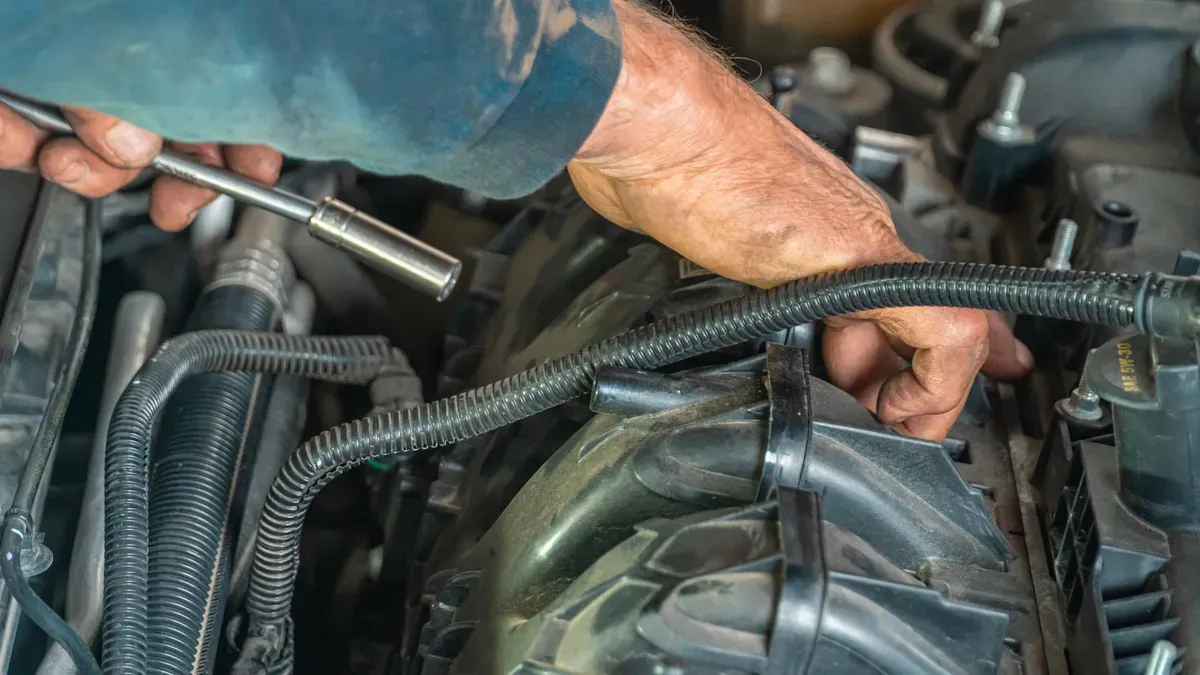
You can find out if your throttle position sensor is bad by following a few steps. Start with a visual check. Look for loose wires or dirt around the sensor. Clean the area if you see dust or grease.
Next, use a diagnostic tool to test the sensor. Many auto shops use tools like ZEUS. You can follow these steps to check your sensor:
Connect your diagnostic tool to your car.
Go to the Fuel Injection menu and choose Guided Component Tests.
Pick Throttle Control System and connect to the throttle position sensor.
Run a DC voltage test and compare the numbers to what the manual says is normal.
Press the gas pedal to move the throttle and watch the data.
Look for smooth changes in the numbers. If you see sudden drops or strange patterns, the sensor may be bad.
Troubleshooting a faulty throttle position sensor helps you catch problems early. If you do not have a diagnostic tool, you can ask a mechanic for help. They can check the sensor and tell you if it needs fixing.
Tip: Write down any warning lights or strange engine behavior before you start troubleshooting a faulty throttle position sensor. This helps you explain the problem to your mechanic.
If you find a problem, you may need to adjust or replace the sensor. Some older cars let you adjust the sensor by loosening screws and turning it until the readings match the manual. Most new cars use sensors that you cannot adjust. You must replace them if they fail.
You can buy a new sensor at an auto parts store. The average cost for most cars like Chevrolet, Toyota, or Ford is between $160 and $240. If your car uses a standalone sensor, the price is usually $82 to $142. You can save money by doing the work yourself, but make sure you follow the instructions.
Troubleshooting a faulty throttle position sensor keeps your car safe and smooth. If you fix the problem early, you avoid bigger repairs and keep your engine running well.
You need the throttle position sensor for your car to run well and stay safe. Doing quick checks helps your car work right and stops engine problems. If you do not fix TPS issues, your car may not speed up well and use more gas.
Fixing or changing a broken sensor keeps your engine safe.
If you unplug the sensor, your car will not work as it should and will lose power.
Not taking care of the sensor can hurt your engine over time and make it slow to react.
Look for warning signs and fix problems fast. Your car will give you smooth power and save gas. 🚗
You may notice your car jerks, stalls, or loses power. The check engine light might turn on. Your car may not speed up smoothly. You should fix the sensor soon to avoid more problems.
You can drive for a short time, but it is not safe. Your car may not respond well. You could lose power or control. You should repair the sensor as soon as possible.
Look for these signs:
Engine stalls or hesitates
Check engine light comes on
Car shifts roughly If you see these, check the sensor.
|
Vehicle Type |
Average Cost |
|---|---|
|
Most Cars |
$160–$240 |
|
Standalone |
$82–$142 |
You can save money by doing it yourself. Always follow the instructions for your car.
Please leave your requirements and contact information, and we will send you the quotation information as soon as possible.