Date: 2026.06.15 Click: 62
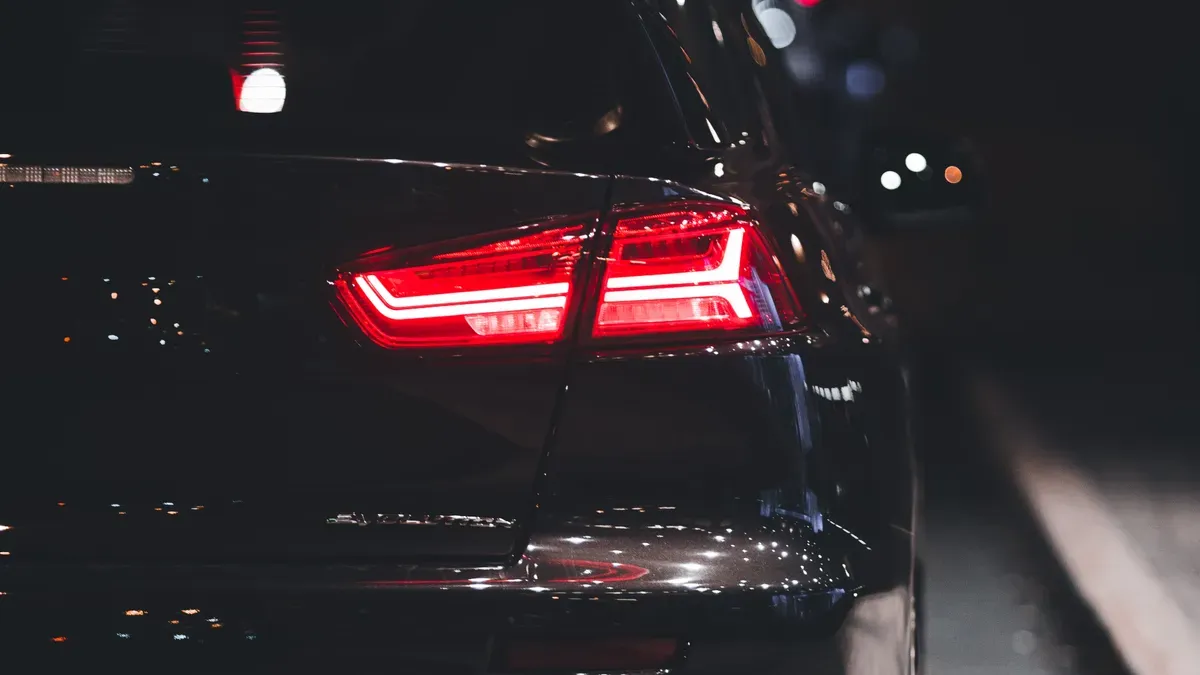
You see the taillight as a red light on your car. It sits above the bumper at the back. The taillight turns on with your headlights or parking lights. It helps other drivers see your car when it is dark. The table below shows why working taillights are important for seeing cars at night:
|
Key Factor |
Visibility Impact |
|---|---|
|
Working Tail Lights |
More important for seeing cars at night than color. |
|
Vehicle Color |
Not as important as working lights. |
|
Reflectors |
Help drivers see cars if they are kept clean. |
A working taillight is very important for road safety. It lets other drivers see your car at night or when the weather is bad. - You should check your taillights often to make sure they are clean and working. Doing this easy check can stop accidents and help you not get a ticket. - Know the difference between taillights, brake lights, and turn signals. Each light has its own job to keep people safe on the road.
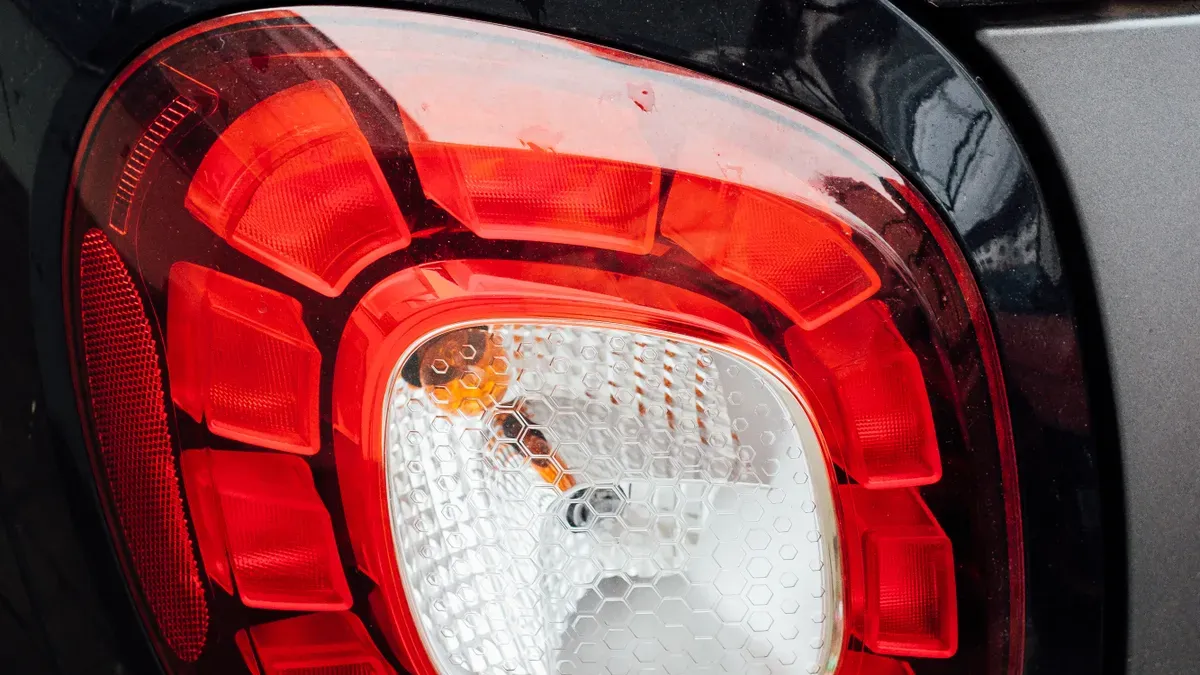
You can think of a tail light as a red lamp at the back of your vehicle. Automotive rules say that a taillight, also called a rear position light, must shine red and turn on whenever the front lights are on. This means your tail light works when you use your headlights or parking lights. Some vehicles combine the tail light with the brake light, but the tail light always glows dimmer than the brake light. This helps other drivers know if you are just driving or if you are stopping.
Note: The tail light of a car must follow strict rules for color and brightness. These rules help make sure every driver can see vehicles clearly at night or in bad weather.
Here is a table showing the legal brightness for tail lights in different regions:
|
Region |
Regulation |
Tail Light Intensity Range (candela) |
|---|---|---|
|
International |
UN Regulation No. 7 |
60 to 185 |
|
North America |
Not aligned with UN rules |
80 to 300 |
The main job of a tail light is to help other drivers see your vehicle from behind. This is very important for road safety, especially when it is dark or the weather is bad. When you turn on your headlights, your tail lights also turn on. This makes your car easy to spot from a distance. If your tail lights do not work, other drivers may not see you, which can lead to accidents.
The table below explains how tail lights and other rear lights help keep you safe:
|
Safety Function |
Description |
|---|---|
|
Visibility from Behind |
Tail lights glow when headlights are on, so others can see your vehicle in low-light conditions. |
|
Indicating Stopping or Slowing Down |
Brake lights get brighter to show you are stopping or slowing down, which helps prevent crashes. |
|
Communicating Lane Changes and Turns |
Turn signal lights flash to show you want to change lanes or turn, so others know your plans. |
|
Rear Visibility in Bad Weather |
Tail lights stay on in rain, fog, or snow, making your vehicle easier to see and improving safety. |
You will always find tail lights at the rear of your vehicle, just above the bumper. Designers put them here so drivers behind you can see them clearly. The tail light only shines red, which stands out at night and in fog. When you use your headlights, your tail lights turn on automatically. This setup helps everyone on the road stay safe.
Tail lights, or rear position lights, make the back of your vehicle easy to see.
They must shine red and turn on with the front lights, including headlights.
Some vehicles have tail lights and brake lights in the same unit. The brake light shines brighter when you press the brake pedal.
Rules make sure the bright brake light and the dim tail light do not get mixed up.
These rules help prevent confusion and keep everyone safe.
If you keep your tail lights clean and working, you help make the roads safer for everyone. You also follow the law and avoid getting a ticket.
Taillight Operation and ComparisonYou activate your tail light when you turn on your headlights or parking lights. The tail light of a car sits at the back and glows red. This light does not shine as brightly as your brake light. You do not need to press any extra button for the tail light to work. It turns on automatically with your main lights. This setup helps you stay visible to other drivers at night or in bad weather. You can check your tail light by turning on your headlights and walking to the back of your vehicle. If you see a steady red glow, your tail light works as it should.
Tip: Always check your tail light before driving at night. A working tail light helps you avoid tickets and keeps you safe.
Your vehicle has several rear lights, and each one has a special job. The tail light glows red and stays on when your headlights or parking lights are on. The brake light also sits at the back, but it only lights up when you press the brake pedal. The brake light shines much brighter than the tail light. This brightness tells drivers behind you that you are slowing down or stopping. The turn signal light flashes on one side of your vehicle when you want to turn or change lanes. This flashing helps other drivers know your next move.
Here is a table to help you see the differences:
|
Rear Light |
When It Turns On |
Color |
Purpose |
|---|---|---|---|
|
Tail light |
With headlights/parking lights |
Red |
Makes your vehicle visible |
|
Brake light |
When you press the brake pedal |
Red |
Shows you are slowing or stopping |
|
Turn signal light |
When you use the turn signal |
Amber/Red |
Shows you want to turn or change lanes |
You can see that each light helps with road safety in a different way. The tail light keeps you visible, the brake light warns others when you stop, and the turn signal light shows your direction.
A working tail light plays a big part in safety. When your tail light works, other drivers can see your vehicle from far away. This helps prevent crashes, especially at night or in fog. If your tail light does not work, you become hard to see. This can lead to accidents. The brake light and turn signal light also help keep you safe. The brake light warns drivers when you slow down. The turn signal light lets others know when you plan to turn or change lanes.
You might wonder if a broken tail light affects your insurance. Reports show that broken taillights rarely impact insurance. Here is a table that shows how different violations affect insurance:
|
Violation Type |
Impact on Insurance |
|---|---|
|
Broken taillights |
Rarely impacts insurance |
|
Expired registration |
Rarely impacts insurance |
|
Driving without a license |
Rarely impacts insurance |
|
Failed emissions tests |
Rarely impacts insurance |
|
Missing inspection stickers |
Rarely impacts insurance |
Even though a broken tail light may not raise your insurance, it still puts you and others at risk. You should always keep your tail light, brake light, and turn signal light in good shape. This helps you follow the law and keeps everyone safe on the road.
Taillight MaintenanceNote: Good tail light maintenance is a simple way to improve road safety for every vehicle.
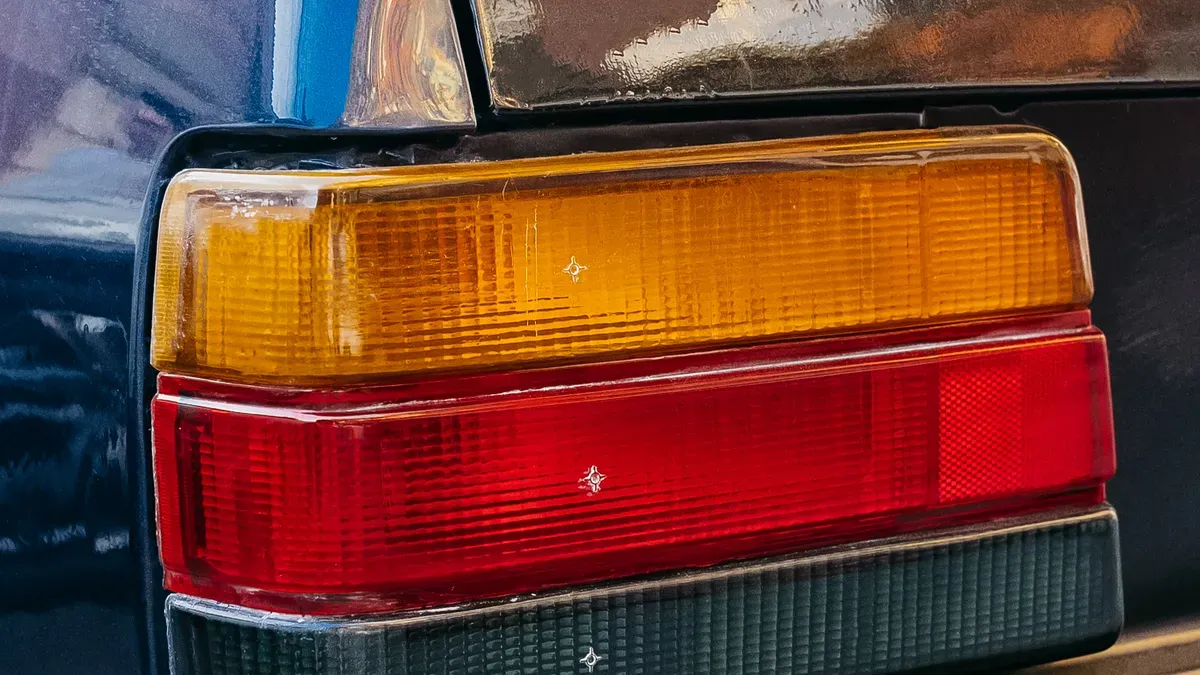
You should check your tail light often to keep your vehicle safe. Regular inspection helps you spot problems before they become serious. Clean the lenses with a soft cloth and mild soap to remove dirt. This keeps your lights bright and easy to see. Replace any bulb that looks dim or does not work. Always check your lights before long trips. If you see flickering or damage, fix it right away.
Here are some common causes of tail light problems:
|
Cause |
Explanation |
|---|---|
|
Bulb Burnout |
Bulbs wear out from heating and cooling, so they stop working after a while. |
|
Moisture Intrusion |
Cracks let water in, which can rust the inside parts. |
|
Physical Damage |
Crashes or bumps can break the lens or housing, letting in water and causing more problems. |
|
Wiring Issues |
Loose or rusty wires can stop power from reaching the bulb, even if the bulb is good. |
Tip: Law enforcement can stop you for a broken tail light. Keeping your lights in good shape helps you avoid tickets and keeps you safe.
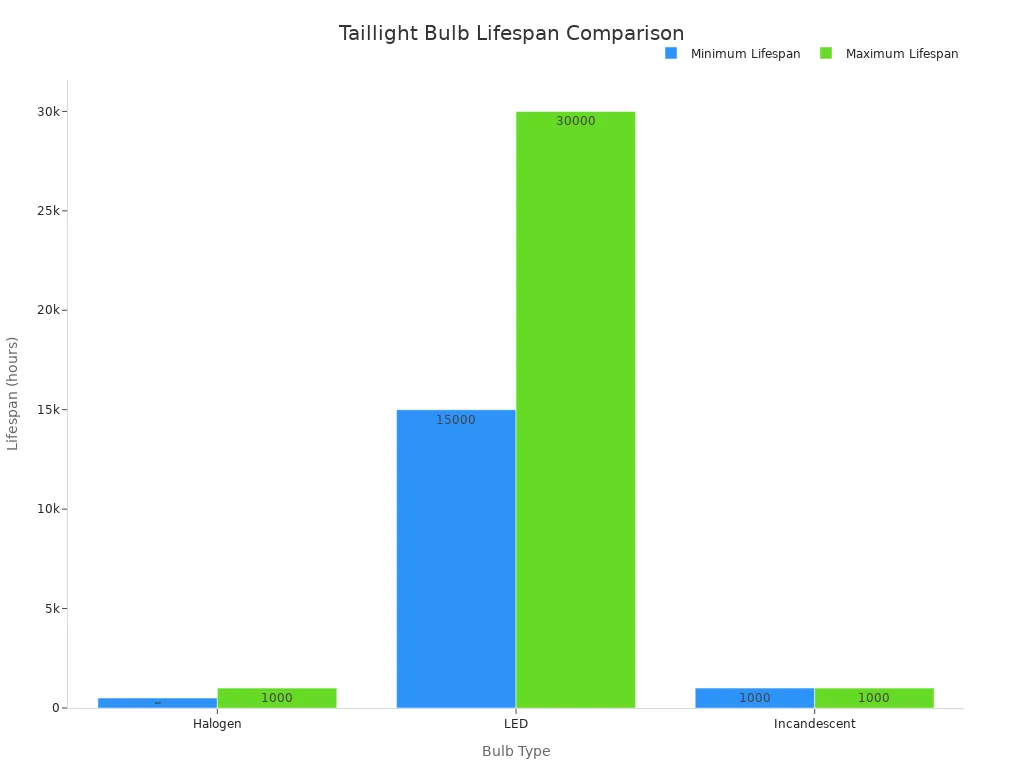
You can choose from three main types of bulbs for your tail light. Halogen bulbs last about 500 to 1,000 hours. Incandescent bulbs last around 1,000 hours. LED bulbs last much longer, up to 30,000 hours. LEDs use less energy and are more durable. They do not have fragile parts, so they handle bumps better.
|
Bulb Type |
Lifespan (approx.) |
Characteristics |
|---|---|---|
|
Halogen |
500-1,000 hours |
Standard brightness, less efficient |
|
LED |
15,000-30,000 hours |
Long lifespan, high efficiency, durable |
|
Incandescent |
1,000 hours |
Short lifespan, less efficient |
You can replace a tail light bulb by following these steps:
Disconnect the battery to stay safe.
Open the trunk or hatch to reach the back of the tail light.
Remove any trim panels if needed.
Turn the bulb holder counterclockwise and take out the old bulb.
Put in the new bulb while wearing gloves.
Put the bulb holder back and reattach any panels.
Reconnect the battery and test the tail light and brake light.
Note: Always handle bulbs with care. Do not touch the glass with your fingers. This helps the bulb last longer and keeps your vehicle safe.
You need taillights so others can see your car. Checking them often helps keep you and others safe.
Safety groups say checking your lights helps you find problems early.
Good taillights show other drivers where your car is at night.
If you do not take care of them, it can be dangerous and cause more accidents.
You should check the bulb first. Replace it if needed. If the problem continues, inspect the wiring or visit a mechanic for help.
You should not drive with a broken tail light. Police may stop you. A working tail light helps keep you safe and supports traffic safety.
You should check your tail light every month. Regular checks help you spot problems early and keep your vehicle visible at night.
Please leave your requirements and contact information, and we will send you the quotation information as soon as possible.