Date: 2026.06.24 Click: 16
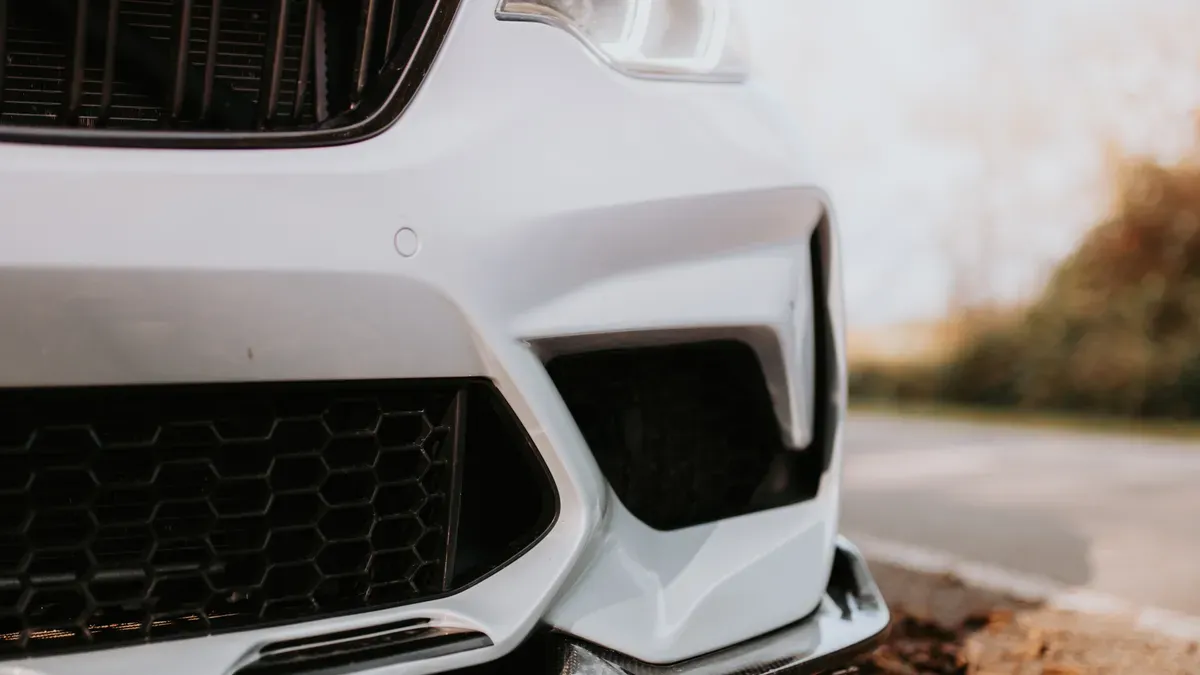
A car bumper is a part on the front and back of your vehicle that helps protect you and your car in a crash. You should know about bumpers because repairing or replacing them can cost anywhere from $50 for small fixes up to $3,000 for new parts. Bumpers play a big role in your safety.
Key TakeawaysCar bumpers keep you and your car safe in crashes. They take in the force and help save money on repairs.
Check your bumper often for any damage. Small problems can turn into bigger ones if you do not fix them.
New bumpers use special materials to make cars safer. They also help lower injuries to people walking nearby.
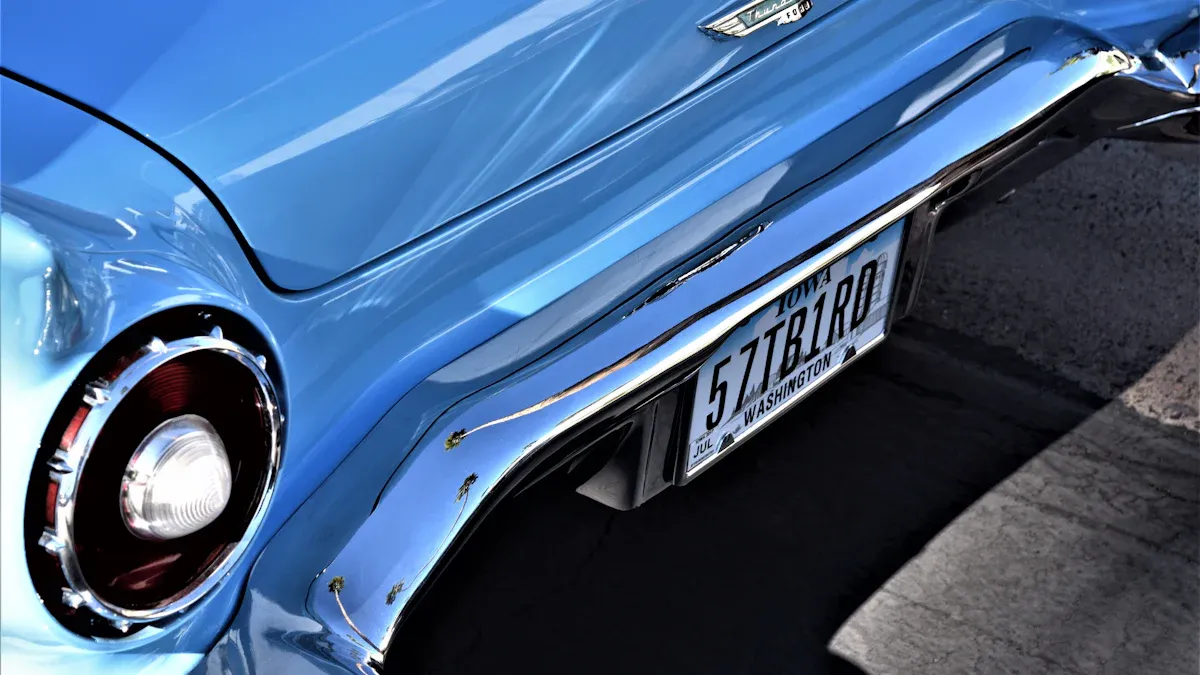
You notice a car bumper on the front or back of every car. A car bumper is a part attached to the ends of a vehicle. Its main job is to take the force during small crashes. This lowers repair costs and keeps you safe. Automotive engineering groups say a bumper protects both the car and people, including pedestrians. Over time, bumpers changed to use stronger materials and better designs. These changes help make roads safer for everyone.
Note: In the United States, groups like the National Highway Traffic Safety Administration (NHTSA) and Federal Motor Vehicle Safety Standards (FMVSS) make rules for bumpers. These rules make sure bumpers are safe, good for the environment, and high quality.
|
Regulation |
Purpose |
|---|---|
|
NHTSA Regulations |
Make sure bumpers are safe, good for the environment, and high quality |
|
FMVSS |
Set rules so bumpers protect people in a crash |
You depend on your bumper for many important jobs. The main jobs are to take the force in low-speed crashes and protect the car and passengers. When a small crash happens, the bumper is the first thing to get hit. It softens the impact and stops damage to expensive parts like the engine, headlights, or trunk. The bumper also helps keep pedestrians safe by using soft materials and special padding. Modern bumpers use materials like foam or plastic that absorb energy. These materials help the bumper handle a five mph crash without hurting the car body. The bumper works with crumple zones to keep you and your passengers safe in a crash.
Bumpers do more than just look nice. They are important for safety and protection. Some bumpers use special materials to help keep pedestrians from getting hurt. For example, front bumpers are lower and made from softer materials to reduce injuries if someone gets hit.
Car bumpers are made to:
Lower injuries to pedestrians by using soft materials.
Make impacts less severe with foams and crushable plastics.
Absorb shocks with padding like EPP foam, which is strong and stretchy.
You may wonder what parts make up a bumper. The anatomy of a car bumper has several main parts. The outside layer, called the bumper cover, is usually plastic or metal. This cover gives the bumper its shape and style. Under the cover, there is a strong bar made from steel, aluminum, or sometimes fiberglass. This bar gives strength and absorbs energy in a crash. Between the cover and the bar, makers often add foam or honeycomb materials. These layers help spread out the force of a crash.
Here are the main parts you find in a car bumper:
Plastics: Light and bendy, often used for the outside cover.
Fiberglass: Good balance of weight and strength, found in some custom bumpers.
Rubber: Absorbs impacts well, common in older cars.
Steel: Strong and tough, used in trucks and some cars.
Aluminum: Light and does not rust, helps keep the car lighter.
|
Material Type |
Energy Absorption |
Weight Consideration |
Structural Integrity |
|---|---|---|---|
|
Aluminum Alloys |
High |
Low |
Maintained |
|
Steel |
Moderate |
Higher |
Compromised |
The parts of a car bumper can change based on the type of vehicle. Passenger cars often have lower bumpers for safety and style. Commercial vehicles use higher bumpers for work needs. Modern bumpers may use new materials like thermoplastic honeycomb or self-healing polymers. These new ideas help bumpers absorb energy better and make them easier to recycle, which is good for the environment.
How Bumpers Work and Protect Your CarTip: When you check your car, look at the bumper for cracks or dents. Keeping your bumper in good shape helps protect you and your car.
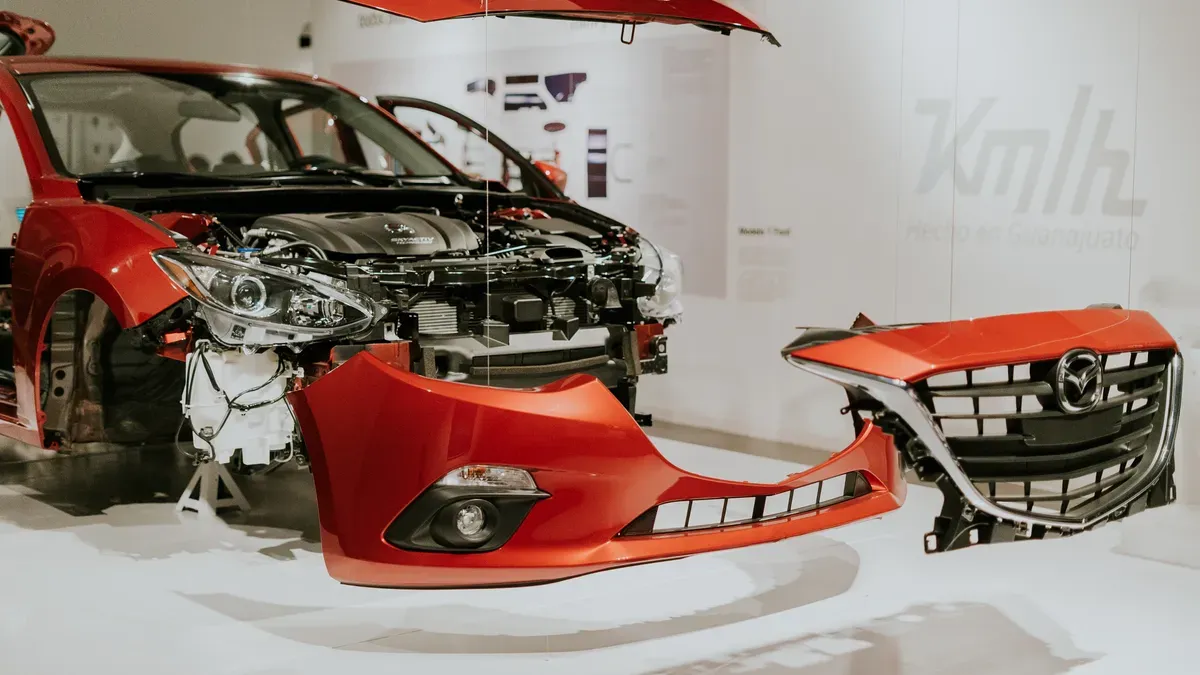
You may wonder how bumpers keep you safe in a crash. When your car hits something slowly, the bumper takes in the force. This helps protect you, your friends, and your car’s important parts. The bumper acts like a soft cushion. It uses special materials and shapes to soak up energy, like a spring does when pressed.
Here is how the bumper deals with a crash:
Energy absorption: The bumper’s beams bend and change shape on purpose. This takes in crash energy and keeps it away from you.
Force redirection: The bumper does not let all the force go to you. It sends the force to safer parts, like the floor or pillars.
Crumple zones: These parts of your car fold in a set way. They work with the bumper to spread out crash energy and keep you safe.
Crash tests show how bumpers protect your car. In a front crash test, the front bumper takes the hit and spreads out the force. The rear bumper does this in a back crash. Low-speed tests, like in parking lots, check if the bumper can handle bumps without much harm. These tests show that bumpers lower repair costs and help keep you safe.
Tip: For the best bumper safety, look for crumple zones and energy-absorbing materials. These features help with crash safety and protect people walking nearby.
You see many bumper types on cars. Each type has its own job and look. The front bumper is at the front of your car. It protects you in front crashes and helps keep people safe. The rear bumper is at the back. It guards your car in back crashes and keeps the trunk and tail lights safe.
Here is a table that compares the main types of bumpers:
|
Type of Bumper |
Positioning |
Vehicle Type |
Sales Channel |
Material |
|---|---|---|---|---|
|
Front Ends |
Dominant |
Passenger Cars |
OEM (Largest) |
Plastic (Largest) |
|
Rear Ends |
Emerging |
Utility Vehicles |
Aftermarket (Fastest-Growing) |
Polypropylene (Fastest-Growing) |
|
Standard Bumper |
Dominant |
Passenger Cars |
OEM (Dominant) |
Plastic (Dominant) |
|
Tube Bumper |
Emerging |
Off-road Vehicles |
Aftermarket (Emerging) |
N/A |
There are many bumper types in the US. Front ends are important for looks and safety. Rear ends are getting more popular because of new safety features. Most passenger cars use standard bumpers made from plastic. Utility vehicles often have strong rear bumpers. Off-road vehicles may use tube bumpers for rough roads.
Modern bumpers use new materials. You find strong plastics, metal mixes, and special blends. These make bumpers lighter and better at taking in energy. Thermoplastic polymers, like polypropylene, are common because they are light, strong, and easy to recycle. Some bumpers have layers and energy-absorbing parts. These help with crash safety and protect people walking by.
Front and rear bumpers look different because of their jobs. The front bumper has an outside plate, soft padding, and a strong bar. It takes in force from the front. The rear bumper also protects your car but may look different for style or safety rules. Both bumpers use plastic materials like polyester and polypropylene. These give strength and let you add nice finishes.
Today’s bumpers often have sensors and cameras. These tools help you park, avoid crashes, and spot people or things near your car. Radar and ultrasonic sensors measure distance and find obstacles. Cameras help you see lines and people. These smart features make your bumper more than just a shield—they help stop accidents and keep you safe.
You may see damage on your bumper after a small crash or scrape. Bumper damage happens a lot. Here are the main causes:
Small crashes and fender benders can scratch, crack, or dent the bumper.
Scraping against concrete or curbs can cut the bumper.
Tight parking spots and daily obstacles cause scrapes.
Bad weather can throw road debris at your bumper.
Back crashes can move or dent the rear bumper.
Vandalism and hit-and-run accidents also cause damage.
You might also see broken clips, loose brackets, or mounting tab problems. Sometimes, the bumper looks fine outside, but there is hidden stress or sensor trouble under the cover.
When you find damage, you must decide to fix or replace the bumper. Fixing or replacing depends on the kind and amount of damage. Here is a table of common repair methods:
|
Repair Method |
Description |
|---|---|
|
Plastic Welding Repair |
Fixes cracks, holes, and broken pieces by cleaning, filling, and retexturing the bumper. |
|
Paintless Dent Repair (PDR) |
Removes small dents using special tools without hurting the paint. |
|
Bumper Refinishing |
Restores old bumpers by sanding, priming, and repainting. |
|
Panel Bonding and Spot Repairs |
Repairs small spots instead of the whole bumper, using bonding and smoothing before painting. |
|
Bumper Replacement |
Needed for big damage; means getting new parts and making sure they fit and look right. |
Note: If your bumper has sensors, check if they work after any repair. Sensors that are not lined up can hurt safety features.
Fixing or replacing bumpers can cost a little or a lot, based on the damage. Small fixes may be quick and cheap. Big dents or cracks may mean you need a new bumper. Insurance can help pay, but normal wear, misuse, or some events are not covered.
You should check your bumper often for damage. Fixing problems early keeps your car safe and helps with crash protection. A strong, well-kept bumper protects you, your friends, and your car every day.
You count on your bumper to keep you and your car safe. Checking your bumper often helps stop bigger problems. If you ignore it, you can have serious trouble, like these:
|
Consequence |
Description |
|---|---|
|
Compromised safety systems |
Important things like airbag sensors might not work. |
|
Increased repair costs |
Small damage can turn into costly repairs. |
|
Liability risks |
Not fixing damage can make you more responsible in a crash. |
|
Structural integrity issues |
Damage can make the bumper weaker in a crash. |
|
Increased cabin intrusion |
Crashes might cause worse damage inside the car. |
Take care of your bumper often so you can drive safer.
FAQYou should check the crack. If it is small, you can use a repair kit. For big cracks, you need a professional.
You can drive, but you risk more damage. Safety features may not work. Fix your bumper soon for better protection.
You should inspect your bumper every month.
Look for dents, cracks, or loose parts.
Early checks help you avoid costly repairs.
Please leave your requirements and contact information, and we will send you the quotation information as soon as possible.