Date: 2026.06.15 Click: 56
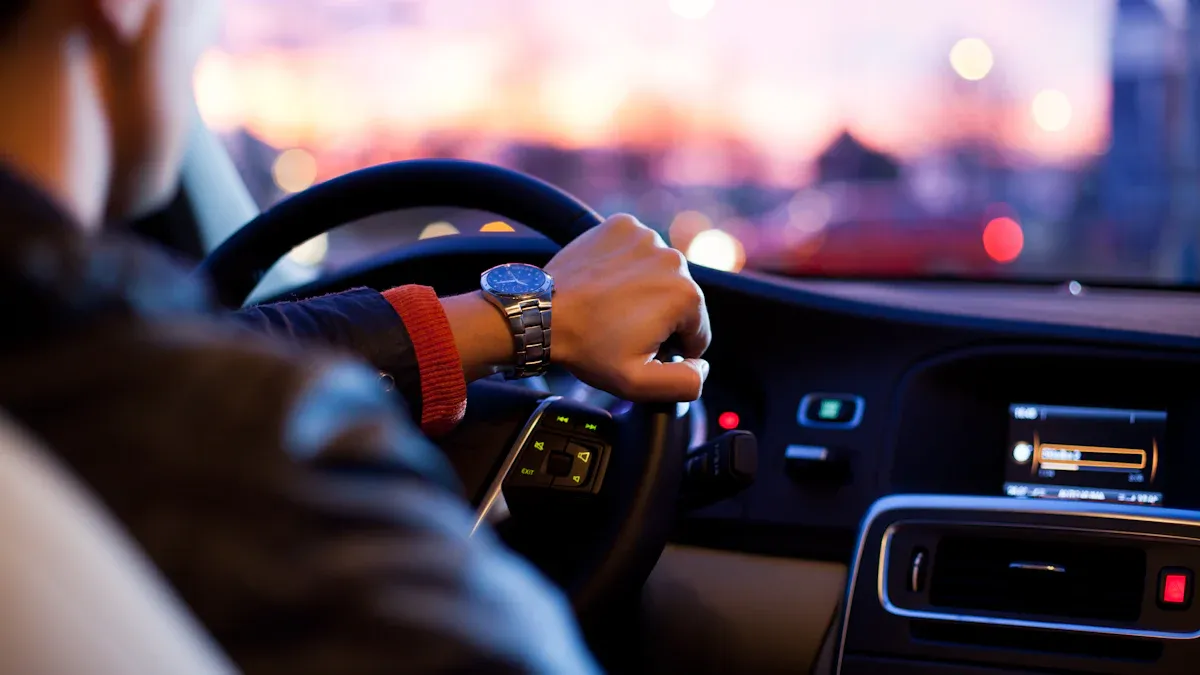
A turn signal helps you show when you want to turn or switch lanes. It lets other drivers and people walking know what you plan to do next. This makes the road safer for everyone. You must use turn signals because it is the law. Not using them leads to two million crashes each year. That is almost 20% of all accidents. New safety features in cars help people see better.
Turn signals tell others what you plan, so they can react.
Turn signals changed from old parts to LEDs, making them work better and easier to see.
Always use turn signals to show your next move. This helps prevent accidents and keeps everyone on the road safe.
Turn signals are required by law. Not using them can lead to fines, higher insurance costs, and legal issues.
Signal at least 100 feet before turning or changing lanes. This gives others enough time to react and avoid confusion.
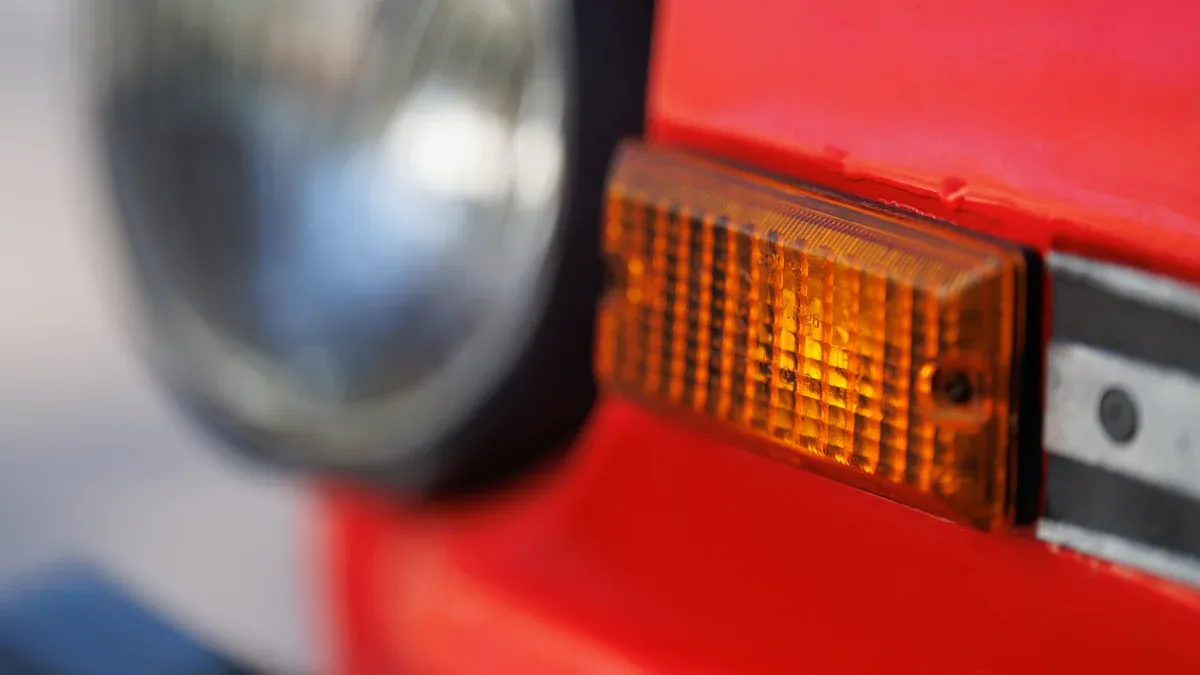
A turn signal shows you want to turn or change lanes. It helps you talk to other people on the road. The lights blink on your car to show what you will do next. Most cars have these lights in the front and back. They are usually amber or yellow, so people can see them easily. You turn them on by moving a lever near your steering wheel. Using turn signals makes driving safer for everyone.
Turn signals are required by law in the United States and Europe. If you do not use them, you can get a ticket and pay more for insurance. Traffic laws say you must signal before turning, merging, or changing lanes. Fines for not using turn signals start at $25 and can be much higher, depending on where you live.
|
Consequence |
Description |
|---|---|
|
Legal Troubles |
Not signaling can get you a ticket, and fines change by state. |
|
Insurance Premiums |
Breaking the rule can make your insurance cost more, since insurers see you as risky. |
|
Points on Your License |
Not signaling adds points to your record, which can affect your driving. |
|
Liability in Accidents |
If you do not signal, you may be blamed more in accidents, which can change insurance claims and legal results. |
|
Disruption of Traffic Flow |
Not signaling can mess up traffic, causing jams and unsafe driving. |
|
Potential for Road Rage |
Not using turn signals can make other drivers angry, and this can lead to aggressive driving. |
Turn signals help you talk to drivers, people walking, and cyclists. When you use them, others know what you plan to do. This stops confusion and accidents. Turn signals make roads safer for everyone. You show respect by using them every time you turn or change lanes.
Turn signals warn others about your moves. People walking and cyclists use turn signals to know when it is safe to cross or go. Using turn signals the right way can stop almost two million crashes each year. This is more than accidents caused by distractions. When you use turn signals, you help make roads safer and easier to use.
Turn signals are not just about rules. They help keep you and others safe. Using turn signals shows you care about road safety.
Turn signals work as a system in your car. This system has important parts:
Light sources: These make turn signals light up. Old cars used bulbs, but new ones use LEDs, which are brighter and save energy.
Reflectors: These parts help the light shine and make it easier to see.
Lenses: Lenses protect the inside parts and help the light shine better.
Signal control units: These control how turn signals blink and make sure they follow safety rules.
Turn signals have changed over time. Long ago, cars used arms to show turns. In the 1930s, cars got electric turn signals with bulbs. Today, LED turn signals last longer, use less energy, and are easier to see. Some cars use special turn signals that blink in a pattern for better style and communication.
You see turn signals on the front and back corners of cars. The control unit makes sure turn signals blink the right way and follow the law. Good lenses keep turn signals safe from weather and damage. Reflectors help turn signals shine bright, even when it is hard to see.
Turn Signal Safety BenefitsTurn signals show what you want to do. They help you avoid crashes and keep traffic moving. When you use turn signals, you help make roads safer for everyone.
Every time you use your indicator, you help stop accidents. Many crashes happen when drivers forget to use their indicator. In the United States, almost 2 million car accidents each year happen because people do not use their indicator right. Unsafe lane changes are a top reason for accidents in busy cities. Turning the wrong way is also a big cause of crashes. When you use your indicator, you give others time to react and stay safe. If you do not use your indicator, insurance companies may say the accident is your fault. This can make your insurance cost more. Using your indicator is an easy way to keep everyone safe.
Almost 2 million car accidents each year happen because people do not use their indicator right.
Unsafe lane changes are the fifth biggest reason for accidents in New York.
Turning the wrong way is the seventh biggest reason for accidents.
Not using indicators the right way causes more accidents than distracted driving.
Indicators are like your voice when you drive. You use them to show other drivers, cyclists, and people walking what you want to do. If you forget to use your indicator, it can confuse people, especially at corners or when leaving a parking spot. This confusion can cause mistakes and crashes. Using your indicator the right way helps everyone know what you will do next. You make the road safer by showing your actions. Good communication with indicators keeps traffic moving and stops problems.
Indicators help keep people outside cars safe. When you use your indicator, you let people walking know when it is safe to cross. Cyclists watch for your signals to know when to stop or go. Indicators are a way for everyone to understand what will happen. This is very important in cities where many people and cars share the road. Using your indicator the right way helps people see you better and makes the road safer. You help stop accidents and keep everyone safe when you use your indicator every time.
Turn Signal Usage and Common Mistakes
You make driving safer when you use your indicator right. Driving teachers say to signal before slowing down. You should turn on your indicator at least 100 feet before turning. Always use your indicator at intersections, driveways, parking lots, or when leaving the curb. When changing lanes, check your mirrors and blind spots first. Then use your indicator before moving over. After you finish turning or changing lanes, turn off your indicator. This stops other drivers from getting confused. Even if you think no one is around, always use your indicator. Using your indicator every time helps others know what you plan.
Tip: Turn on your indicator early. This gives other drivers more time to see you. It helps keep traffic moving safely.
Many drivers make mistakes with their indicator. Some drivers signal too late or too early. This can confuse other people on the road. Some do not signal long enough before turning or changing lanes. Sometimes, drivers skip signaling when they think they are alone. But there may be cars they cannot see. These mistakes make accidents or close calls more likely.
|
Contributing Factor |
Impact on Near Misses/Accidents |
Citation |
|---|---|---|
|
Not using turn signals before making a turn |
Increased likelihood of near misses (0.141) |
|
|
Vehicles merging into traffic lanes |
Increased likelihood of near misses |
You can build good indicator habits with some easy steps:
Turn on your indicator at least 5 seconds before changing lanes.
Look in your mirrors and check blind spots before moving.
Push the turn signal lever gently so you do not lose control.
Make sure the indicator light is blinking on your dashboard.
Finish your turn or lane change with care.
Move the turn signal lever back to the middle when you are done.
Look around and watch for other people on the road. These habits help you show your moves and keep everyone safe.
You help keep roads safe when you use turn signals.
Nearly 2 million crashes happen each year when drivers do not signal.
Signaling lets others change what they do and helps people trust each other.
Always use your turn signal before you slow down, turn, or switch lanes.
Using turn signals every time makes roads safer for all.
You should turn on your signal at least 100 feet before you turn. This gives others time to see your plan and react safely.
You should use hand signals to show your turn. Get your turn signal fixed as soon as possible to keep yourself and others safe.
Yes, you should always use your turn signal in parking lots. This helps other drivers and people walking know what you plan to do.
Please leave your requirements and contact information, and we will send you the quotation information as soon as possible.