Date: 2026.11.12 Click: 27

You flip on your car headlight, and the road ahead barely glows. One bulb has burned out, and the parts aisle leaves you staring at a wall of confusing boxes. Picking a replacement feels harder than it should be.
This guide starts with the basics: find the correct bulb size for your vehicle. Then you will compare halogen, LED, and HID options side by side. You will see how each type fits different driving needs and budgets.
Performance, cost, legal compliance, and installation all matter here. By the end, you will know how to pick the right headlight bulbs with confidence. A good headlight bulb keeps you safe, and the right choice starts with clear information.
Key TakeawaysFind your car's exact bulb size using the owner's manual and the old bulb.
Compare halogen, LED, and HID bulbs for brightness, lifespan, and cost.
Check beam pattern, cooling, and CANbus compatibility before buying LED bulbs.
Install bulbs with clean gloves and aim the beam for safety.
Replace bulbs in pairs and keep your bulb size handy for quick swaps.
Every car takes a specific headlight bulb size. That size depends on your vehicle's year, make, and model. A 2018 sedan and a 2021 SUV rarely share the same bulb. Even trim levels of one model can differ. So you cannot grab any box off the shelf and hope it works.
Your owner's manual is the fastest source of truth. Open the section on bulbs, and you will find the exact bulb size listed for each light on the car. The manual also names the bulb type required, such as halogen, LED, or HID. That single page saves you a lot of guesswork.
The old bulb is your second check. Pull it out and read the markings on the base or connector. Those numbers confirm the bulb size and type the factory installed. You also get to see the housing up close. Look at the socket shape and the space around it. This step tells you whether a new bulb fits your car without adapter rings or trimming.
Sometimes the manual and the old bulb disagree. That happens when a previous owner swapped parts. Trust the physical bulb in most cases. It reflects what the housing actually holds today.
A bulb finder tool takes the hassle out of cross-checking part numbers. You plug in your vehicle's year, make, and model, and the tool returns a list of compatible headlight bulbs. Many retailer and manufacturer sites offer this lookup for free.
Use the tool as a starting point, not the final word. Enter your vehicle make, model, and year exactly as they appear on your registration. Small details matter here. A mid-year production change can shift the bulb size and type. If the tool asks for a submodel or engine, fill it in.
Cross-check the result against your manual. When both sources agree, you have strong confidence in the correct bulb size. You can then shop for compatible headlight bulbs with a clear target in mind.
One more tip: write the number down before you leave the house. Store it in your phone. Next time a headlight bulb burns out, you skip the research and go straight to the right box. That small habit makes future replacements quick and painless.
Finding the appropriate bulb size and type takes five minutes. It prevents returns, wasted money, and a bulb that never fits your housing. Get this step right, and everything else in your upgrade gets easier.
Compare Right Headlight Bulbs: Halogen, LED, HID
You now know your bulb size. The next question is which technology to put in that socket. Halogen, LED, and HID each solve a different problem, and none of them wins everywhere.
Halogen bulbs are the traditional standard. They run hot, draw the most power, and last the shortest time of the three. Their warm, yellowish light is easy on the eyes at night. They also cost the least up front, which makes them a sensible pick for older cars or tight budgets.
HID bulbs, also called xenon, produce a bright, intense light. They last far longer than halogen and use less energy for the light they give. They need a ballast to fire up, though, and that adds cost and complexity. HID fits drivers who want strong output and plan to keep the car for years.
LED headlight bulbs sit at the efficient end of the scale. They use the least energy, last the longest, and light up instantly with no warm-up. Here is how the three compare:
|
Feature |
Halogen |
HID |
LED |
|---|---|---|---|
|
Brightness |
Baseline |
High |
High |
|
Lifespan |
Shortest |
Long |
Longest |
|
Energy use |
Highest |
Moderate |
Lowest |
|
Upfront cost |
Lowest |
Highest |
Moderate |
LED headlight bulbs cost more than halogen but less than a full HID setup. That middle price buys you long life and low power draw. The savings show up over time, since you replace them far less often.
Fit matters more with LED than with any other type. A cheap LED that scatters light blinds oncoming drivers and fails inspection. Prioritize three things before you buy.
First, beam pattern accuracy. The LED chips must sit where the factory filament sat, so the housing focuses light on the road. Look for a bulb designed to match your housing, not a universal one-size unit.
Second, heat management. LEDs make light without much heat at the chip, but the electronics behind them still get hot. A built-in fan or a heat sink keeps them cool and protects their lifespan. Skip bulbs with no cooling design.
Third, CANbus compatibility. Many modern cars monitor their car headlight bulbs and flag a warning when resistance changes. A CANbus-ready bulb avoids flicker and dashboard errors. Check this before you order, especially on newer vehicles.
These three priorities separate right headlight bulbs from disappointing ones. They also explain why two LED headlight bulbs with the same price can perform very differently. Read the specs, not just the box.
When you shop, compare headlight bulb types on these points rather than brightness claims alone. A well-matched LED beats a brighter bulb that throws light in the wrong direction. That is the core lesson for this category.
Key Factors for Right Auto Headlight BulbsLumens tell you how much light a bulb produces. More lumens means more light on the road, but only up to a point. Too much light in the wrong place creates glare for other drivers. Match the output to your driving needs, not to the biggest number on the box. Your bulb size sets the starting point, yet these three factors define the right auto headlight bulbs.
Color temperature describes the shade of light, measured in kelvin. Lower values look warm and yellow, while higher values look cool and blue-white. A very high color temperature can look stylish, yet it often performs worse in rain and fog. Beam pattern matters most of all. A clean cutoff line keeps light on the road and out of oncoming eyes. Plenty of headlight bulbs promise huge output, yet the pattern tells the real story. When selecting a headlight bulb, judge the pattern before the brightness claims. A dim bulb with a sharp pattern beats a bright one that scatters light everywhere.
Heat kills electronics, and LED headlight bulbs pack their circuitry into a tiny space. Look for a fan or heat sink that moves heat away from the chips. A passive design can work, but it needs enough surface area to shed heat. Skip any bulb with no cooling plan at all. Your vehicle make, model, and year set the bulb size, and the housing shape decides how much room a cooler has.
CANbus compatibility keeps your dashboard quiet. Modern cars watch the car headlight circuit and flag a warning when resistance changes. A CANbus-ready bulb prevents flicker and error messages. Legal rules vary by state, so check local regulations before you buy. Some states restrict certain headlight bulb types or color temperatures on public roads. Confirm the bulb size and the rules for your area, and keep your paperwork handy. The right bulb for your car meets both the housing specs and the law.
Install and Maintain Your Headlight Bulb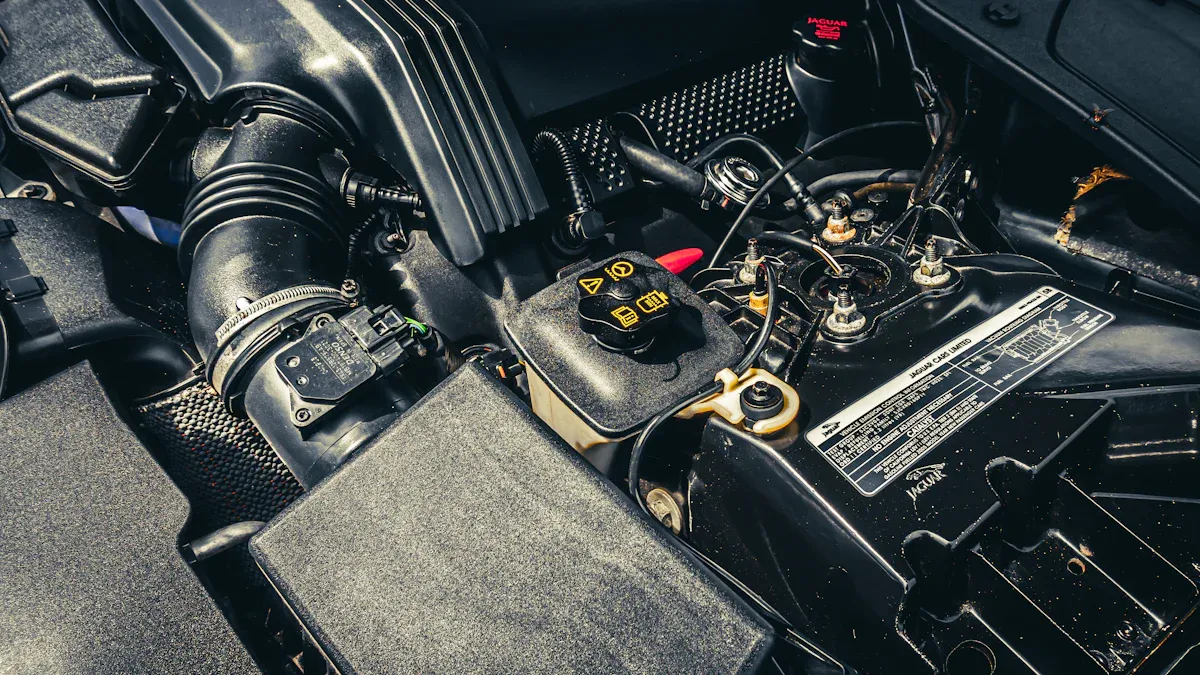
Park on a level surface and turn the engine off. Let the housing cool before you touch anything. Halogen bulbs get hot enough to burn your fingers, and a hot bulb cracks easily.
Pop the hood and find the back of the housing. Unplug the connector, release the clip or twist the collar, and pull the old bulb straight out. Never force it. If it fights you, check for a hidden retaining ring.
Wear clean gloves during the swap. Skin oils shorten bulb life, especially on halogen glass.
Handle the new bulb by its base only. Seat it firmly, then reconnect the plug. Test the light before you close the hood. If it flickers, the connector is loose or the bulb needs a CANbus fix.
Aim the beam after any swap. Park facing a wall on flat ground, a few feet back. Mark the center of each beam on the wall, then check the cutoff line. The driver's side should sit slightly lower to protect oncoming traffic. Turn the adjustment screws until both beams match.
Replace headlight bulbs in pairs. When one dies, the other is close behind. Matching output keeps the road evenly lit. Watch for dimming, flicker, or a cloudy lens too. Those signs mean it is time for replacement headlight bulbs.
Keep your bulb size written down for next time. Confirm the bulb size against your manual before every order. A quick check of bulb size saves a return trip. Your car headlight is a safety tool, so treat every swap as a small tune-up.
You now have a clear path. Confirm fitment first, match the bulb type to your driving needs and budget, then verify legality. That order keeps you out of trouble.
Before you buy, double-check the bulb size against your manual and review your state's rules. A quick look now saves a return later.
Remember why this matters. The right headlight bulbs do more than dress up your car headlight. They put light where you need it and keep other drivers safe. Treat every swap as a safety upgrade, and your headlight bulbs will serve you well for years.
FAQMost cars let you swap bulbs from the engine bay with basic tools. Check your manual first. Some models hide the housing behind the battery or washer fluid tank. If the space feels too tight or you must remove parts, a shop is the safer call.
Sometimes, and it depends on where you drive. Many states restrict LED retrofits in halogen housings. The housing must focus the beam correctly. Check your state's rules and your local inspection requirements before you buy. A legal bulb in the wrong housing still fails.
Replace them when output dims, flickers, or the lens clouds. Halogen bulbs fade gradually, so you may not notice until night driving feels harder. Swap both sides together. Keep your bulb size on hand so the next replacement takes minutes, not an afternoon.
No. Lumens measure total light, not usable light. A bulb that scatters output creates glare and lights the road poorly. Beam pattern and housing fit matter more. Pick a bulb matched to your housing, then compare brightness within that group.
Avoid it. Mismatched bulbs give uneven light and can trigger dashboard warnings. Your car's monitoring system expects consistent resistance on both sides. Replace in pairs with the same type and size. Even output keeps the road evenly lit and your electronics happy.
Please leave your requirements and contact information, and we will send you the quotation information as soon as possible.