Date: 2026.11.11 Click: 30
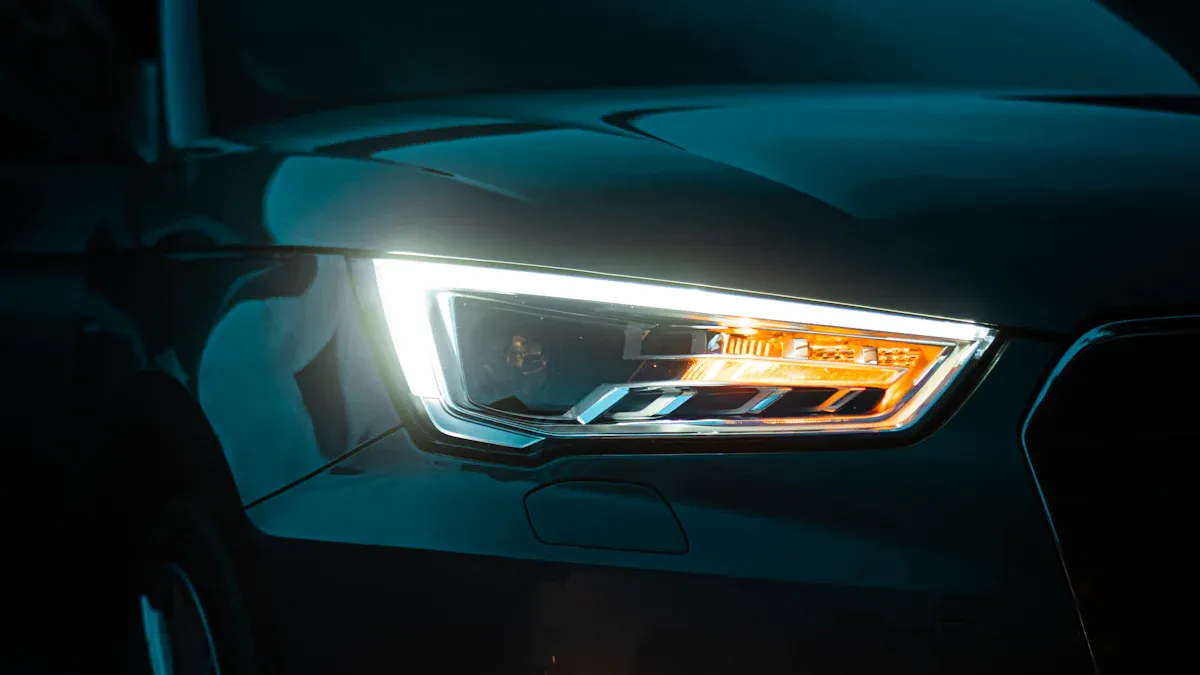
Automotive lighting is the set of lamps on a vehicle that make light for the road and for other people to see. It has two main jobs: it helps you see the road ahead, and it helps other road users see you. Every automotive trip depends on this balance. Headlamps light your path at night, while taillights and signals show your position and plans to everyone nearby. Each Automobile Lamp plays a certain role in that exchange. Good lighting keeps you safe and keeps traffic moving smoothly.
Key TakeawaysAutomotive lighting helps you see the road and helps other people see you.
Turn signals and brake lights let other drivers know what you plan to do.
Headlamps, taillamps, and signal lights each have a special safety job.
LED lights use less power and last longer than regular bulbs.
Always use your full headlamps at night, because daytime running lights are not enough.
Automotive lighting is working outside lighting attached to or built into a vehicle's front, rear, and sides. That definition includes every lamp whose job is to send light outward or to signal other people on the road. You will find these lamps at the corners, along the sides, and across the front of almost any machine that moves.
The term automotive exterior lighting covers all lights around the edge of a car, truck, or motorcycle. A small sedan and a heavy truck share the same basic setup. Each one has lamps at the front for seeing ahead, lamps at the rear for position and warning, and side markers that show the vehicle's length. Motorcycles follow the same plan on a smaller scale. This is why exterior car lighting is best understood as a system around the edge, not a single part.
Think of exterior car lights as the border between your vehicle and everyone else. They mark where the metal ends and the shared road begins. A driver in the next lane reads that border in a fraction of a second. Clear, well-placed lights that light up the outside of vehicles make that reading easy and safe.
Lighting for visibility is not the same as the sensors and cameras that now sit on modern cars. A camera captures an image for a computer to process. A radar unit measures distance to an object ahead. Neither one makes light for a human eye to see. These systems gather information. Lamps send it out.
Advanced systems blur that line. A camera can watch the road ahead and turn on the high beams by itself. An ambient light sensor can switch the headlamps on at dusk. Here the automotive lighting and the sensing hardware work as one unit. The lamp still does the visible work. The sensor simply decides when that work should start.
You can separate the two roles with a simple test. Ask whether the part gives off light that a person can see. If yes, it belongs to the lighting system. If it only detects light or objects, it belongs to the sensor group. This distinction matters when you diagnose a fault. A dim headlamp points to a bulb, a connection, or a lens. A camera that fails to dim the beams points to software or calibration.
Modern automotive design keeps both systems close together. Shared housings hold the lamp, the camera, and the sensor in one package. That packaging saves space and improves aerodynamics. It also means a single repair can touch two very different technologies. Knowing which one you face saves time and money.
Purposes and Functions of Automotive Exterior Lighting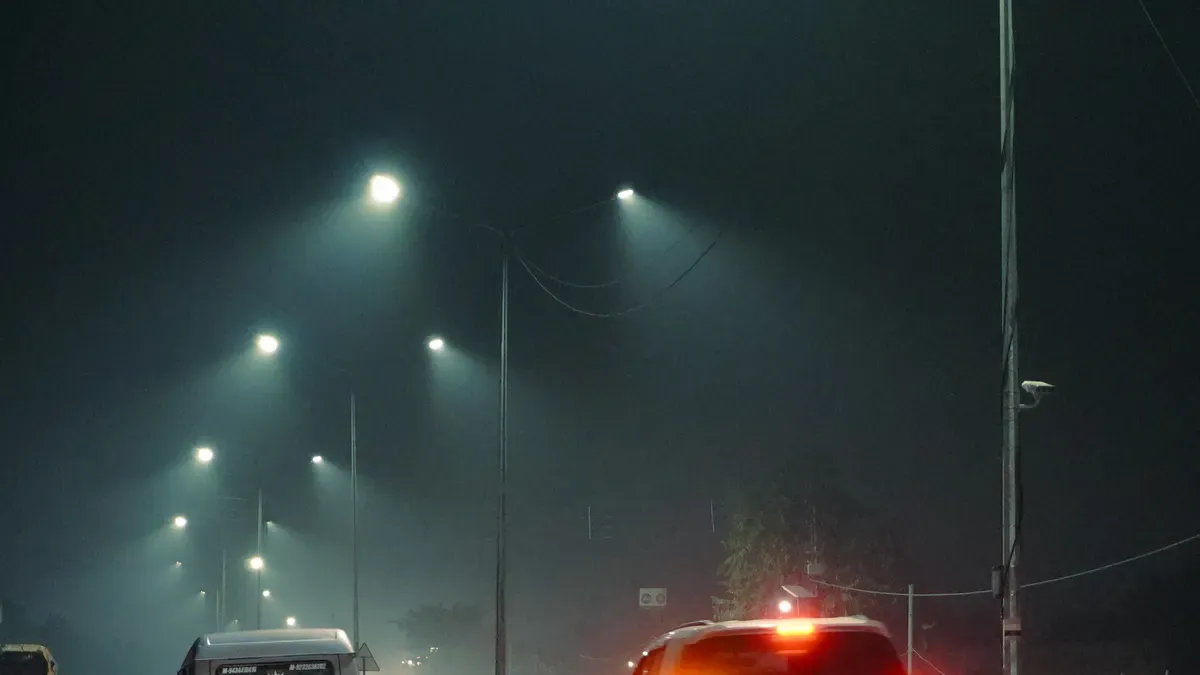
The purposes and functions of automotive exterior lighting come down to two simple jobs. First, lighting helps you see the road ahead. Second, it helps other road users see your vehicle. Both jobs matter every time you drive, day or night. Together they support the safe operation of a vehicle for everyone on the road.
Good lighting gives you a clear view of what lies ahead. Headlamps send a beam down the road so you can spot curves, signs, and obstacles before you reach them. Taillamps and side markers help you judge the edges of your own vehicle at night. This visibility keeps you in control during dark or stormy conditions.
Automotive exterior lighting also protects the people around you. A well-lit car is easier for pedestrians and cyclists to notice. That extra moment of warning can prevent a crash. Safety depends on every driver doing this job well, not just the driver who wants to see.
Modern automotive systems add another layer. Some cars use cameras and sensors to detect ambient light and switch the lamps on automatically. Others adjust the beam pattern to avoid blinding oncoming traffic. These features make lighting smarter, but the goal stays the same: help you see and help others see you.
Automotive exterior lighting is also a language. Your exterior car lights tell other people what you plan to do next. This signaling happens without a word, and it keeps traffic flowing smoothly.
Turn signals announce a lane change or a corner before you make it. Brake lights warn drivers behind you that you are slowing down. Reverse lights show that you intend to back up. Each lamp sends a clear message at the right moment.
This visibility, navigation, and communication work as one system. A driver reads your lights and reacts before trouble starts. That is why burned-out bulbs are more than a small annoyance. A dead turn signal leaves other drivers guessing, and guessing leads to close calls.
The lights on your vehicle speak for you in traffic. They mark your position, your speed changes, and your direction. When every lamp works, the road becomes a place where people understand each other. That understanding is the heart of safe driving.
Automobile Lamp Types and Their Roles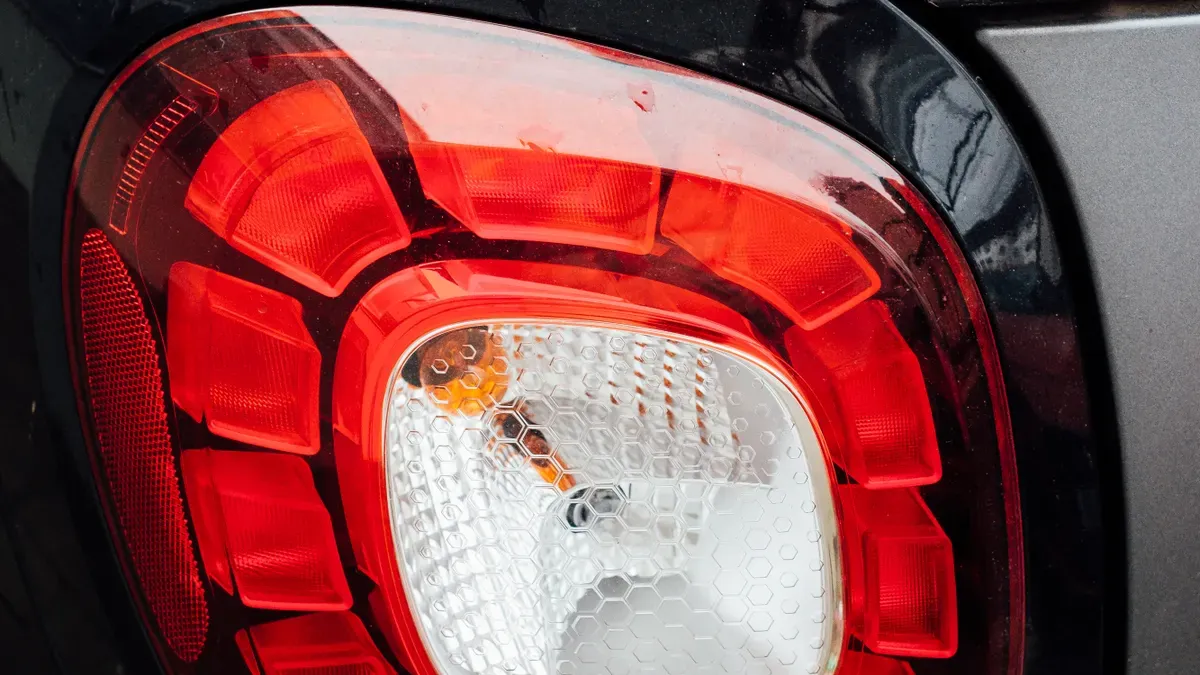
Every automobile lamp has a clear job. Headlamps are the main lights that brighten the road ahead. You switch between low beam and high beam to balance your view with other drivers' comfort. A low beam headlamp points down to light the road without blinding oncoming traffic. A high beam headlamp reaches farther when no one is ahead of you.
The back of your vehicle has tail lights and stop lights. These lamps show your position and warn drivers behind you when you slow down. Brake lights glow bright red the moment you press the pedal. Turn signals flash to announce a lane change or a corner. Reverse lights come on when you shift into reverse. Together, these lamps handle the tail, stop, turn, and backup light functions that keep traffic predictable.
Daytime running lights turn on by themselves on most modern vehicles. They improve visibility in daylight, so other drivers notice you sooner. These lamps usually run at lower power than your headlights. They do not replace full lighting at night.
Interior lighting helps you see the dashboard, controls, and cabin at night. Specialty lamps round out the system. Some vehicles add puddle lights, cargo lamps, or accent strips. These types of exterior car lights and cabin lamps complete the package. Every automotive exterior lighting setup relies on this full set of lamps working together.
Lighting, Safety, and DesignLighting fixes seeing problems by placing light right where you need it. A dark road hides curves, signs, and people walking. Good lamps show them in time for you to react. New systems now use cameras and sensors to spot other cars and measure the light around you. These systems turn beams on at dusk or dim them for traffic coming toward you. The result is a clearer view with less work from you.
Energy use matters here too. LEDs use less power than halogen or old-style bulbs. That lower draw makes the load on your car's electrical system lighter. It also lets designers make smaller, brighter lamps. Every automobile lamp gains from this change. Better light with less power helps road safety on every trip.
Lighting serves as a working part and a design highlight. A well-shaped lamp shows quality before you even turn it on. Headlamp technology has grown from candles to LEDs, lasers, and digital matrix LED. Each step brought more light from a smaller package. Designing automotive exterior lighting now means balancing beam performance with how the front end looks.
Safety standards shape that work. Rules set minimum output, beam patterns, and color for each lamp. You will find these rules in national and regional safety codes. They exist so every vehicle speaks the same visual language. Good automotive design respects those limits and still finds room for style. The lights on a modern car must pass the test and catch the eye.
Automotive lighting is the system on your vehicle that helps you see and be seen. It includes headlamps, signals, and interior lights, and each part has a clear job. These lights do two things: they keep you safe and they let you talk to other drivers without saying a word. Design and safety rules shape how modern lighting looks and works. Technology keeps moving forward, and LEDs and adaptive systems now give more light using less energy. You can expect tomorrow's automotive lamps to see smarter, shine brighter, and communicate even more clearly.
FAQYour vehicle has several kinds of lamps. Headlamps light the road ahead. Taillamps and brake lights show where you are and warn drivers behind you. Turn signals and reverse lights show what you plan to do. Daytime running lights help others see you during the day. Interior lamps help you see inside the cabin. Each kind of lighting does its own special job.
No. Daytime running lights help during the day, but they do not take the place of headlamps after dark. They usually run at lower power and may leave your taillamps off. Turn on your full lighting at dusk. This keeps your vehicle visible from behind and keeps you within the law.
These lights tell others what you plan to do. A brake light warns drivers behind you that you are slowing down. A turn signal announces a lane change or a corner. Working lights stop people from having to guess in traffic. A burned-out bulb leaves other drivers unsure, and that doubt raises risk for everyone nearby.
Yes. LEDs use less power than halogen or traditional bulbs. That lighter load puts less demand on your vehicle's electrical system. LEDs also last longer and let designers build smaller, brighter lamps. This technology now shapes much of modern automotive lighting design.
Please leave your requirements and contact information, and we will send you the quotation information as soon as possible.