Date: 2026.11.09 Click: 30

You can diagnose a bad ignition coil in four steps. First, spot the symptoms. Next, do a visual inspection. Then pull misfire codes with an OBD-II scanner. Finally, confirm the fault with resistance, spark, and swap tests.
The ignition coil turns the battery's low voltage into the high voltage your spark plugs need. Without that voltage, the plugs cannot ignite the air/fuel mixture. A failed coil therefore causes misfires and rough running.
These checks use common tools, and you can do them at home. The goal is simple: confirm the fault before you buy parts. That approach saves money and keeps your ignition system working as it should.
Key TakeawaysWatch for signs like engine misfires and check engine lights to spot a bad ignition coil early.
Use an OBD-II scanner to get misfire codes and find the bad cylinder.
Check the coil's resistance with a multimeter, and do a spark test to confirm the problem.
Move the coil you think is bad to a different cylinder. Then check if the misfire code moves with it.
Always disconnect the battery and follow the safety rules before you work on the ignition system.
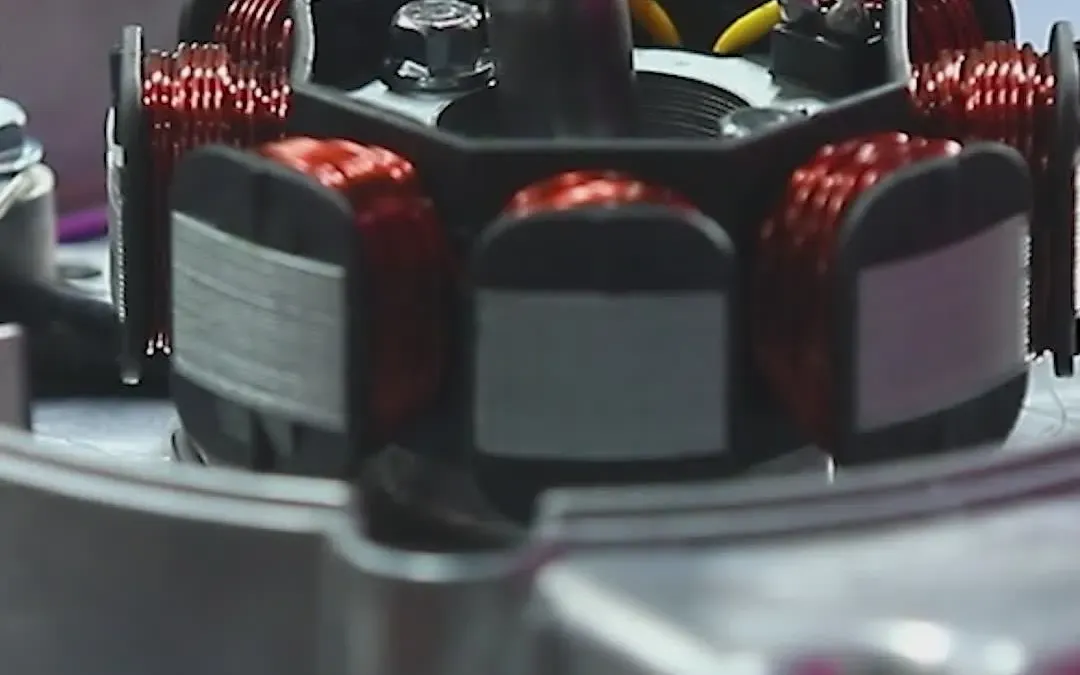
A failing coil cuts off voltage to its spark plug, so the air/fuel mixture in that cylinder does not burn fully. You feel this as a stutter or hesitation when you speed up, and the problem often gets worse under load. Identifix notes that hesitation and lack of power are typical of a misfire. Your engine may also shake and vibrate at idle, and the tachometer needle can move around. Will Tiesiera Ford explains that uneven combustion keeps the engine from settling into idle conditions, which is why rough idling shows up so often.
Watch for a sudden loss of power and poor fuel economy too. The engine tries to make up for the dead cylinder by burning more fuel, so your mileage drops. A bad coil and worn spark plugs cause almost the same symptoms, so keep both in mind before you test anything.
A faulty ignition coil almost always turns on the check engine light. The ECU logs the event as a diagnostic trouble code, and PG Village MOT lists the most common ones as P0300 for a random or multiple cylinder misfire, P0301 through P0308 for a specific cylinder, and P0351 through P0358 for a coil circuit fault. A flashing light means a severe misfire, so treat it as urgent.
Trouble starting is another clue. PG Village MOT points out a key difference: a weak battery cranks slowly with a labored sound, while ignition coil problems show normal cranking speed but no clean start. Cold mornings expose a marginal coil, since the extra electrical demand and thicker oil push it past its limit. You may also hear engine backfiring, a loud popping from unburned fuel igniting in the exhaust.
One quick check is the lift test. With the engine running, gently wiggle the coil or its connector and listen for a change in the misfire. A reaction points to a coil issue rather than a plug fault.
Visual Inspection and Misfire CodesStart with a cold engine and a good light. Look at the coil body for hot spots, discoloration, cracks, or burn marks. These marks show how the part may have failed. Honda of Seattle lists the common visual signs of a faulty ignition coil as signs of fouling, cracking, and burnt electrodes. A cracked housing lets moisture in, and moisture shorts the windings.
Check the connectors and wiring next. Look for loose pins, corroded terminals, and frayed insulation. Wiggle each connector gently and watch for movement. A poor connection can cause the same misfires as a dead coil, so rule it out early.
Plug a diagnostic scan tool into the OBD-II port under the dash. Turn the key to the run position and read both stored and pending codes. Pending codes matter here. They capture a misfire before the check engine light comes on, so you catch the problem sooner.
Write down the code numbers. A code such as P0301 tells you which cylinder is misfiring. That detail lets you focus testing on the right coil instead of guessing. Clear the codes only after you record them, then test the suspect part directly.
Multimeter and Spark Tests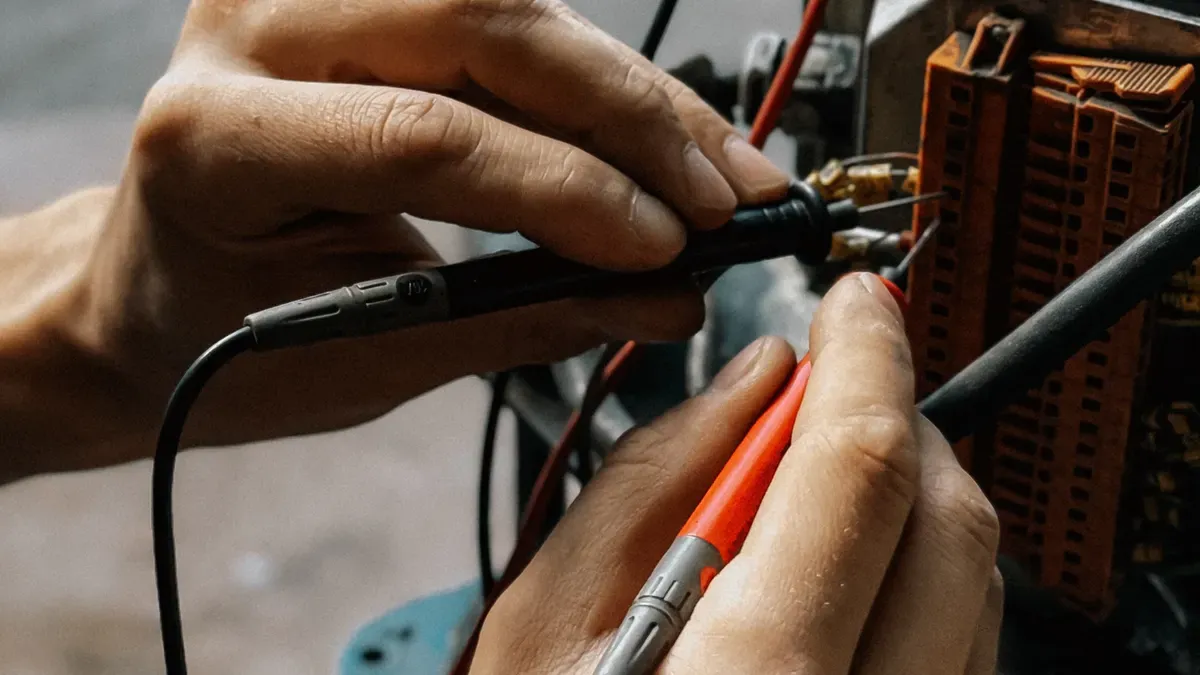
A multimeter turns a guess into a measurement. Pull the suspect ignition coil and set your meter to ohms. Probe pins 1 and 2 on the component connector to read the primary winding. HELLA gives a reference range of 0.3 to 1.0 ohms for a single-spark or dual-spark coil, with 0.5 ohms as a healthy example. A reading far outside that window, or no reading at all, signals a broken winding.
Next, measure the secondary side. Touch the probes to the high-voltage outputs and compare the result to the manufacturer's spec. HELLA lists typical secondary values in the table below.
|
Ignition coil type |
Primary |
Secondary |
|---|---|---|
|
Cylinder coil (transistor ignition) |
0.5–2.0 Ω |
8.0–19.0 kΩ |
|
Cylinder coil (map-controlled ignition) |
0.5–2.0 Ω |
8.0–19.0 kΩ |
|
Single-spark or dual-spark coil |
0.3–1.0 Ω |
8.0–15.0 kΩ |
An infinite reading on the secondary means the winding is interrupted, as HELLA's own example shows. Always follow the vehicle manufacturer's numbers over any generic chart.
Resistance tells you about the winding. A spark test tells you whether the coil actually fires. An enclosed spark tester gives the clearest answer, because it shows output during an approved test. A visible spark while cranking still does not prove the coil works when hot or under load, so treat a pass as one piece of evidence, not a verdict.
You can also run a grounding test on a removed plug. Turn the engine off and let it cool. Remove the plug with a socket wrench and inspect it for wear. Attach the boot, hold the plug by the insulated end with insulated pliers, and ground the metal shell against a clean spot on the block. Crank the engine and watch for a bright blue or white spark. A weak or absent spark points to the coil or its circuit.
Inspect the spark plugs during this step. Worn plugs mimic a coil fault, and a plug reading of roughly 3,000 to 5,000 ohms, per E3 Spark Plugs, should fall inside the maker's range. A plug that cannot ignite the air/fuel mixture reliably will keep misfiring even with a new coil.
Safety matters here. Never hold a coil or loose plug while the engine cranks, and never pull leads from a running engine. Exposed sparks risk shock and fuel-vapor fires. Disconnect the battery before electrical work, and leave live spark testing to a technician if you lack the right tools.
Swap Test and Confirming the DiagnosisThe swap test is the fastest way to show a coil is bad. Move the coil you think is bad to another cylinder. Then start the engine and read the codes again. If the misfire code moves with the coil, that part is the problem. If the code stays on the first cylinder, the trouble is somewhere else. It could be the wiring, the plug, or the engine itself.
Work on a cold engine and disconnect the battery first. Label each coil and connector before you take anything off. That way you can put everything back in the right spot. Swap only the coil, not the boot or the plug. Keep the same hardware with each cylinder. Start the engine and let it idle. A steady idle with no new code means the first cylinder now runs clean.
A swap test gives you strong proof, but you need one more check. Look at the codes again and watch for the same symptoms you saw at the start. Check the spark plugs in both cylinders during this step. A dirty or worn plug can cause misfires that look just like a bad coil. A new coil will not fix an old plug. Check the connectors and wiring one last time too.
Briggs & Stratton gives clear safety advice for this work. Read the engine and equipment manual before you start any service. Stay away from rotating and moving parts when you start the engine. Unhook the coil from both the equipment and engine wiring harnesses before you use a spark tester. Many technicians replace a good coil because a grounding lead was shorting against sheet metal. Never attach the tester to the spark plug for this test. The engine may start and you will have no way to shut it off. Remove any batteries if your equipment has them.
PartCatalog adds that ignition work needs the right tools, proper care, and technical knowledge. Check your owner's manual and service documents before any repair. Have a certified mechanic inspect the work before you drive. Poor installation can affect engine performance, fuel economy, and safety. Removal steps and torque specs differ by vehicle, so follow your service manual for your engine layout.
Once the evidence points to one part, plan your ignition coil replacement. A confirmed bad ignition coil saves you from buying parts you do not need. If you lack experience with ignition systems, hand the diagnosis to a certified mechanic. Proper testing protects your engine and your wallet.
You now have a clear diagnostic path. Start with the symptoms, then do a visual inspection. Pull the codes with a scanner next. Follow with multimeter resistance checks, a spark test, and a swap test. Confirm the fault before you replace any part.
Work safely. Disconnect the battery before electrical work. Never touch a coil while the engine runs, and handle hot components with care.
A hard to start engine, difficulty starting in the cold, or a check engine light does not always mean a problem with your coils. Inspect the spark plugs and related parts first. That way a new coil does not take the blame for an old problem.
FAQYou can, but you should not for long. A flashing check engine light signals a severe misfire. Unburned fuel can overheat the catalytic converter and cause costly damage. Drive gently to a safe spot or a shop, and avoid hard acceleration.
The swap test settles it. Move the suspect coil to another cylinder and recheck the codes. A code that follows the coil points to the coil. A code that stays put points to the plug, the wiring, or the cylinder itself. Inspect the plug either way.
Not automatically. Replace the coil you confirmed as faulty. Coils on the same engine often share age and heat exposure, so a shop may suggest a set. Let your budget and the test results guide that call.
Plan on under an hour with a scanner and a multimeter. The swap test adds a short drive and a second code reading. Rusty fasteners or hard-to-reach coils can stretch the job. A shop may charge a diagnostic fee.
No. A weak coil can misfire mildly before the ECU logs anything. Pending codes often appear first. If you feel a stutter with no code, run the lift test and a resistance check to catch the fault early.
Please leave your requirements and contact information, and we will send you the quotation information as soon as possible.