Date: 2026.11.06 Click: 35
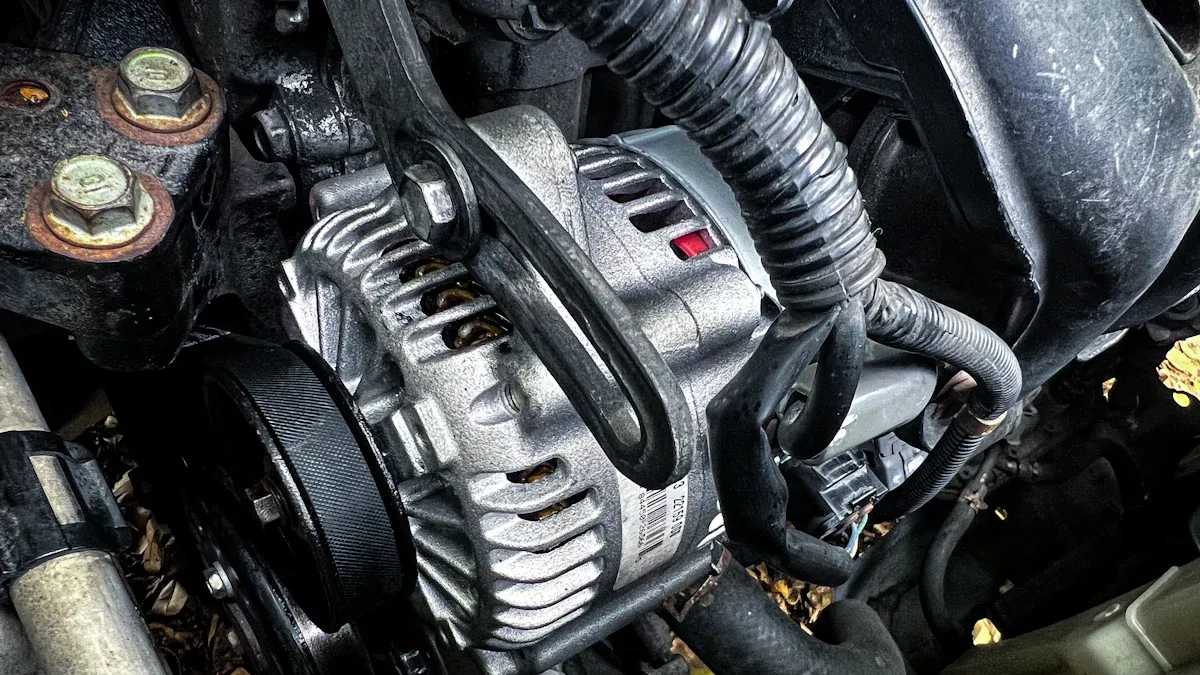
You see your dashboard lights flicker, and you wonder what is going on. A car alternator is a small cylinder-shaped generator bolted to the engine, and it makes electricity while the engine runs. So, what does an alternator do? In one sentence: it keeps the battery charged and powers your car's electronics. Firestone Complete Auto Care explains that this alternator sends electricity to the battery and electrical system. It powers your headlights, dashboard lights, radio, and air conditioning as you drive. Your car depends on it every time you turn the key. Understanding this part helps you spot trouble early.
Key TakeawaysThe alternator makes electricity while the engine runs. This keeps the battery charged and powers your car's electronics.
The battery starts the engine, but the alternator keeps everything going once the engine is running.
Watch for warning signs like a battery light, dimming headlights, or strange noises. These can help you catch alternator problems early.
Easy habits like keeping the battery in good shape and checking the belts can make your alternator last longer.
Fix alternator problems fast to prevent breakdowns and expensive repairs.
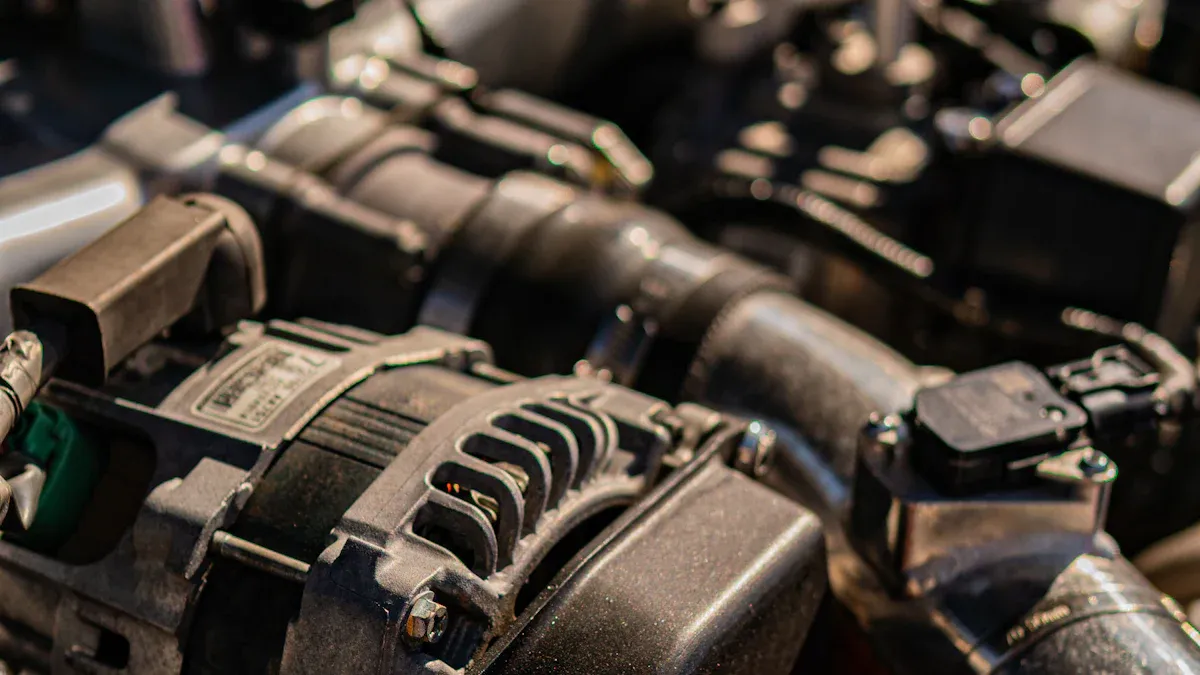
Your engine spins, but spinning by itself makes no electricity. The alternator fills that gap. It works as the power source that makes electricity for everything electrical in your car. Think of it as a small power plant hooked to the engine.
The engine gives only mechanical motion. The alternator changes mechanical energy into electrical energy through a process with a few clear steps:
The engine turns a belt, and that belt spins the alternator's pulley.
The stator and rotor inside the alternator act as magnets and rotate to make the alternating current.
A small direct current excites the rotor coil, and the stationary coils make alternating current, as Wikipedia describes for most alternators.
A rectifier turns that alternating current into direct current.
A voltage regulator controls the output and sends it to the battery.
This design keeps things simple and cheap. Most alternators use a rotating magnetic field with a stationary armature, according to Wikipedia. The result is a steady flow of usable electricity whenever the engine runs.
Starting the engine takes a big bite out of your car's battery. The alternator refills it. While the engine runs, the alternator sends power to the battery and keeps the charge topped up. This cycle matters for every car on the road.
The regulator does this job with care. An old-style regulator senses system voltage and connects the field winding when voltage drops too low. It uses hysteresis to avoid constant switching. In one forum example from Car Talk, a regulator might kick in near 11.8 volts and not cut out until the battery reaches about 12.6 volts. Modern regulators switch the field current on and off quickly to hold a steady output.
Interstate Batteries offers a simple check:
If you test a car battery's voltage with a multimeter while the car is running, a healthy battery will show 14 volts because the alternator is trying to charge it.
That reading tells you the charging system works. Interstate Batteries also notes that the alternator does enough to keep a car battery going through a normal lifetime of 3-5 years. Without this charging loop, your battery would drain in a short drive and the engine would stall.
The Role of an Alternator in ChargingThink of a water tank on your roof. The tank stores water for the house, and a pump fills it back up when the level gets low. Your car works the same way. The battery is the tank, and the alternator is the pump. This simple picture shows what the alternator does in your vehicle's charging system.
The two parts do different jobs, and each one needs the other. Commercial Tire calls the pair the backbone of your vehicle's electrical system. The battery gives the first burst of power to start the engine. Then the alternator recharges the battery and keeps the electrical flow going once the engine runs.
|
Component |
Function |
|---|---|
|
Car Battery |
Stores and delivers the energy that starts your vehicle. It sends power to the starter and ignition parts when you turn the key. It cannot keep a vehicle running for very long on its own. |
|
Alternator |
Recharges the battery and supplies power to nearly all electrical components. It turns rotational mechanical energy into electrical energy, often through a belt and pulley system. |
Firestone Complete Auto Care notes that spinning parts inside the alternator make electrical current. That current runs your headlights and dashboard electronics while it keeps the battery charged.
A battery holds only a limited supply of energy. It gives a strong burst for starting, but it drains as you drive. The alternator has to charge and refill the battery during every trip. Without that steady input, the stored power runs out and the engine stops.
Think about the water tank again. A tank with no pump empties after a few uses. Your car's battery acts the same way. It needs a constant refill to keep the engine and accessories alive. The alternator gives that refill every second the engine turns. This loop lets you refill your car's battery on the road instead of at a charging station. A healthy charging setup keeps a car ready for the next start, mile after mile.
How the Alternator in Your Vehicle Powers ElectronicsMany drivers think the battery runs the headlights and radio. Carfax says this common belief is wrong. The alternator really supplies the power for these features. The battery mainly starts the engine and powers electronics when the engine is off. Every driver should know this difference.
The alternator in your vehicle feeds a long list of everyday parts. Tunetech Automotive names headlights, door locks, the radio, ignition, fuel injection, sensors, safety systems, computers, and the network that lets those modules talk to each other. Add the dashboard display and the infotainment screen to that group. Each one draws power while you drive.
The alternator in your vehicle acts as a generator. Tim's Auto Care explains that the serpentine belt spins the alternator's pulley. The rotor inside then moves through a magnetic field to create electricity. That power flows to your car's electrical system in real time. Your lights, wipers, and air conditioning controls all run on this live supply.
The output does not always match demand. Car Talk notes that the battery sometimes supplies a little extra power. Other times, the alternator has spare output to recharge it. Short winter trips can drain a weak battery, because the alternator may not get enough drive time to refill it fully. Heated seats, defrosters, and headlights add load on those drives. A healthy charging system handles these electrical accessories in your car without strain. Your car stays ready for the next start when the charging loop works well.
Signs of a Failing Car AlternatorYour charging system hardly ever stops working without some warning. It gives you small hints first. You just need to know where to look and listen.
The battery symbol on your dashboard is often the first hint. AAA says this light often shows up early when voltage monitoring finds a charging problem. The light does not always mean the battery itself is weak. It points to the whole charging system, so treat it as a sign that the alternator may be failing.
Watch your lights at night. Dimming or flickering headlights are among the most common early signs of a worn alternator. HowStuffWorks describes headlights that dim now and then and gauges that flicker as typical first warnings. The reason is simple. Your headlights run on alternator output while the engine turns. A worn unit with bad brushes, a failing diode, or a bad regulator makes uneven voltage. The flicker often shows up at idle, when the alternator spins slower and makes less power. JS Alternators suggests a multimeter check with the engine running. A reading below 13.0V at idle points to an alternator problem.
Other electrical parts may act up too. A Patal Total Car Care lists these common clues:
Power windows or locks respond slowly.
Dashboard lights flicker or look weak.
You jump-start the battery often.
Listen under the hood. Strange whining or growling noises often come from worn alternator bearings. Dakota Ridge Auto explains that a whine rises and falls with engine speed. A grind is more serious, because metal touches metal inside the unit. A squeal may come from a slipping serpentine belt instead. Either way, the sound deserves a look.
Starting trouble is another clue. Payne's Automotive notes that a turn of the key may bring clicking, slow cranking, or nothing at all. If a jump-start gets the car going and it dies again soon after, the alternator fails to recharge the battery. Firestone Complete Auto Care adds that modern vehicles may cut power to the radio before the headlights. Instruments can go haywire while you drive. A burning rubber or wire smell also signals trouble.
Catch these alternator problems early. A failed alternator can leave you stranded once the battery reserve runs out. A bad alternator rarely fixes itself, so book a inspection when the clues appear.
Alternator Maintenance and Replacement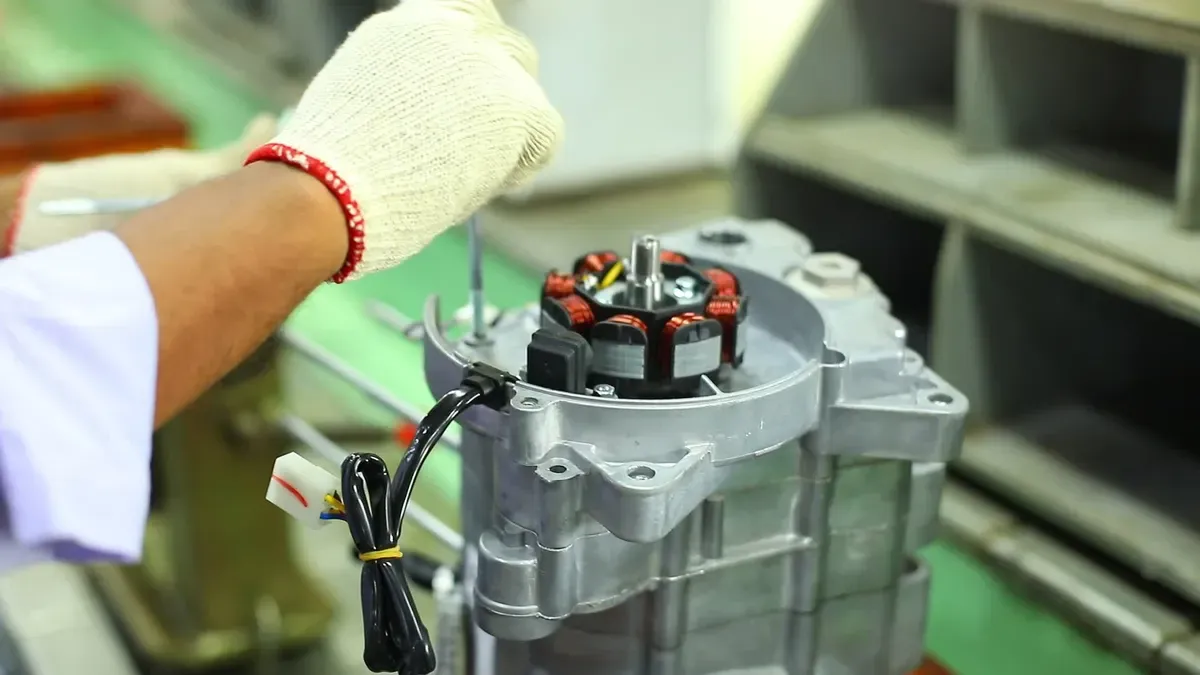
Small habits keep your charging system in good shape. You do not need tools or training for most of them. DBElectrical lists a set of practical steps for longer alternator life.
|
Maintenance Habit |
Details |
|---|---|
|
Maintain the battery |
Check battery voltage often; low readings put stress on the alternator—think about a battery charger or a new battery. |
|
Inspect/replace belts |
Look at the serpentine belt for cracks or fraying; replace it right away, and aim to change it every 60,000 miles. |
|
Manage electrical load |
Skip high-power accessories (heated seats, sound systems) while idling; turn off electrical devices when the engine is off. |
|
Ensure proper cooling |
Check coolant levels often and look for blockages or leaks; keep fans and air ducts clear; think about a thermal wrap around the alternator. |
|
Clean contacts |
Now and then clean terminals and connectors of corrosion and dirt with a good cleaner and a soft brush. |
|
Check bearings |
Check alternator bearings for signs of wear every 50,000 miles so they do not fail without warning. |
|
Combine short trips |
Frequent short trips do not give the battery enough time to recharge; turn short errands into longer drives. |
Short trips need special attention. A quick run to the store gives the alternator little time to refill the battery. Combine errands into one longer drive when you can. Your car will thank you with steadier voltage and fewer surprises.
You have more than two choices here. Car Talk describes three paths, and each one fits a different situation.
Repaired: A shop replaces only the faulty parts. This option can cost the least, depending on part prices. Swapping one or two parts in a unit that already failed may only be a temporary fix.
Rebuilt: The unit is taken apart and inspected, and internal components are tested. How well it works depends on the skill of the technician who does the work.
Remanufactured: Strict procedures guide the work. The voltage regulator, diodes, and brushes get replaced, and testing brings it back to original equipment standards. A Factory Authorized Remanufacturer offers the longest guarantee.
LMW Auto Repair suggests you weigh how serious the issue is, the age and mileage of the unit, repair cost versus replacement cost, warranty coverage, and the overall condition of your car. A trusted mechanic can confirm the diagnosis and talk through the best path. Ask questions, compare options, and decide with confidence.
A car alternator is a small generator that turns engine motion into electricity. Its main job is simple: it keeps the battery charged and runs your electronics while you drive.
Watch for the warning signs you just read about. A battery light, dimming headlights, or a whine under the hood all need attention. These clues rarely fix themselves.
Understanding the alternator gives you real power. You can act early and avoid a breakdown on the road. Tell your mechanic about these signs at your next visit. A quick check of your car now can save you trouble later.
FAQMost units last many years, and many outlive the battery, which typically serves 3-5 years. Belt condition, electrical load, and heat all affect lifespan. Watch for warning signs rather than waiting for a set mileage.
You can drive a short distance to a shop, but only on the battery's reserve. Once that stored power runs out, the car stalls. A long trip on a failing unit risks a breakdown.
No. A fresh battery still needs recharging. If the charging system cannot refill it, the new battery drains just like the old one. Diagnose the root cause first.
A mechanic checks voltage with the engine running. A healthy system reads around 14 volts. A reading below 13.0V at idle points to a problem. Load tests and a visual belt check confirm the diagnosis.
Yes. The spinning rotor produces alternating current, and a rectifier converts it to direct current for the battery and electronics. That conversion is why the output works with your 12-volt system.
Please leave your requirements and contact information, and we will send you the quotation information as soon as possible.