Date: 2026.09.28 Click: 13
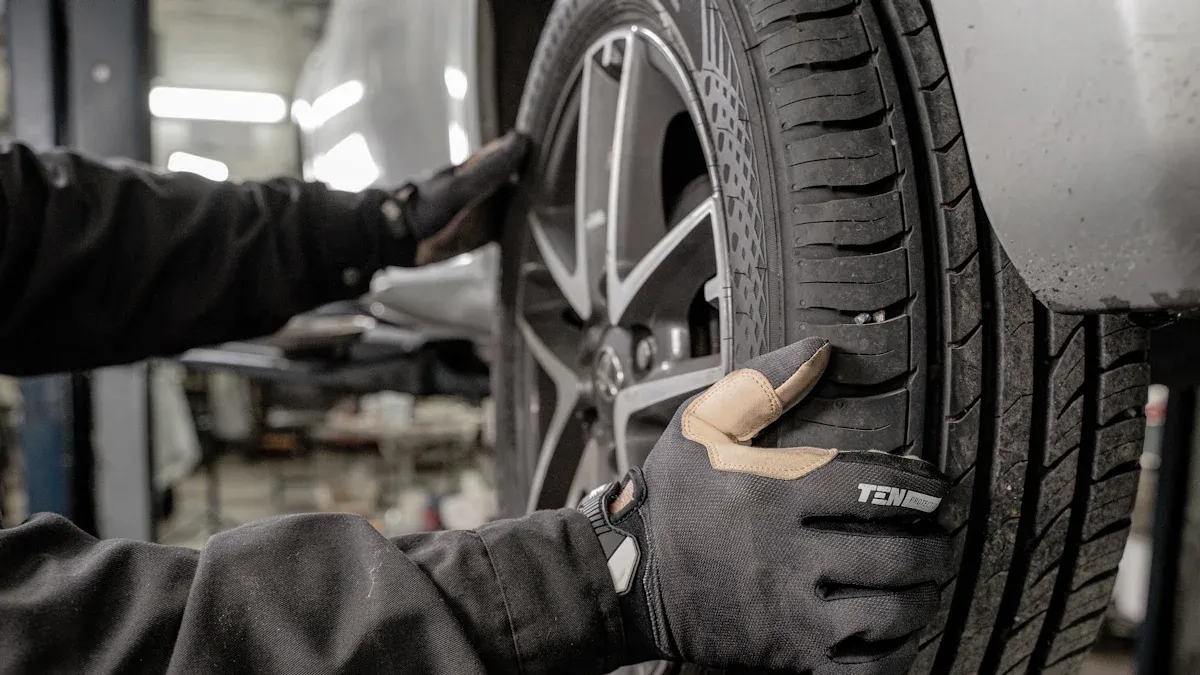
You hear a dull clunk as you turn into your driveway. That noise might mean a bad steering knuckle, a part that connects your wheel to the suspension. Ignoring steering knuckle issues puts your safety at risk. Watch for these common signs of a failing steering knuckle: unusual noises, steering drift or pulling, steering wheel vibration, uneven tire wear, and visible damage or rust. These early warning signs matter. Catching symptoms early prevents expensive repairs. A replacement can cost between $400 and $1,200, depending on your vehicle. Do not wait until you lose control. If you notice any signs your steering knuckle is failing, seek help right away.
Key TakeawaysListen for clunking, popping, or grinding noises when turning.
Notice if your car pulls to one side or drifts while driving.
Feel for steering wheel vibration or a loose steering feel at speed.
Check for uneven tire wear, visible cracks, bends, or rust on the knuckle.
You hear clunking or popping noises when turning sharply or driving over bumps. These sounds signal play between the knuckle and its connected components. That play points to internal wear or small cracks in the part. A failing steering knuckle often announces itself this way first.
|
Noise Type |
Description |
|---|---|
|
Clunking or Popping Noises |
Occurs when turning sharply or driving over bumps/dips; caused by play between the knuckle and connected components, indicating internal wear or cracks. |
|
Clicking Noise When Turning |
A clicking or popping sound that intensifies while turning; may indicate a failing wheel bearing integrated with the knuckle, suggesting loss of preload or internal damage. |
|
Grinding Noises |
Heard while turning the steering wheel fully left and right at low speed or while parked; often indicates knuckle wear, bearing failure, or ball joint looseness. |
Grinding sounds often mean a worn wheel bearing housed inside the knuckle. You may hear this grinding while turning the wheel fully left and right at low speed or while parked. These clunks, pops, or grinding noises rarely fix themselves. Worn bearings, bushings, or a loose knuckle cause the racket. The part moves when it should stay firm.
Squealing sounds different from clunking. You hear a high-pitched squeal as you turn corners at low speeds. This noise often comes from metal rubbing where it should not. A worn bushing allows the knuckle to shift slightly. That shift creates friction against nearby parts.
You might notice this squeal only on one side. That pattern points to a problem with that specific knuckle. Ignoring these noises while turning lets the damage grow. The steering knuckle wear gets worse over time. One of the most telling signs of trouble is a noise that changes with your steering input. Pay attention to when the sound appears. Does it show up only on left turns? Does it vanish on smooth roads? Your answers help a mechanic find the fault fast.
Symptom 2: Steering Drift or Pulling
You feel the car tug to the left or right when you press the gas or brake. This vehicle pulling to one side happens because a bent or worn steering knuckle changes your wheel alignment. The knuckle holds the wheel in position. When it bends or wears down, the wheel angle shifts. That shift makes one wheel point slightly off from the other. Your car then drifts toward the side with the misaligned wheel.
You may notice this pull most during hard acceleration or braking. The extra force on the suspension exposes the weak point. A worn knuckle lets the wheel move when it should stay fixed. This movement creates steering instability you can feel through the seat and the wheel. One of the most common signs of a failing knuckle is a pull that gets worse over time. Test this on a flat, empty road. Drive at a steady speed and lightly hold the wheel. If the car drifts without your input, the knuckle may be the cause.
Park your car on level ground and stand a few feet in front of it. Look at both front wheels. Do they stand straight up? Or does one wheel lean inward at the top or outward at the bottom? A bent knuckle changes the camber angle. Camber is the tilt of the wheel when viewed from the front. Even a small bend in the knuckle can push the top of the wheel in or out.
Compare the two sides carefully. A healthy wheel sits nearly vertical. A damaged side may show a clear lean. You can also check the gap between the tire and the wheel well. A leaning wheel often sits closer to the fender on one side. This visual check takes less than a minute. If you spot a lean, do not drive on it. A leaning wheel wears your tires fast and hurts your control. Have a mechanic inspect the knuckle right away.
Symptom 3: Steering Wheel VibrationYou feel a shimmy in the wheel once you reach highway speeds. This vibration in the steering wheel at highway speeds often points to excess play in the knuckle assembly. The steering knuckle holds your wheel steady. When it wears down, the part shifts under load. That movement sends a shake straight through the steering column.
The vibration may come and go. It often worsens on rough pavement or during lane changes. A worn knuckle lets the wheel wobble when it should stay planted. You might also feel a pulsing through the brake pedal. These clues help you narrow down the source. Do not confuse this shake with a simple tire balance issue. A bad knuckle produces a deeper, more irregular tremor.
A loose or wandering steering feel makes the car hard to keep in a straight line. You turn the wheel slightly, and nothing happens at first. Then the car overreacts. This delay signals increased play in the steering linkage. The knuckle no longer holds its position firmly. It moves between itself and the control arm ball joints. That slop adds up to vague, imprecise steering.
You can test for this problem in your driveway. Park the car and turn the engine off. Gently rock the steering wheel left and right. A healthy system feels tight with little movement. If the wheel turns freely before the tires respond, you have found steering play. This simple check reveals knuckle play without any tools. Any excess play means the part needs a professional look. Do not drive at speed with a wandering wheel. The risk of losing control grows with every mile.
Symptom 4: Uneven or Premature Tire Wear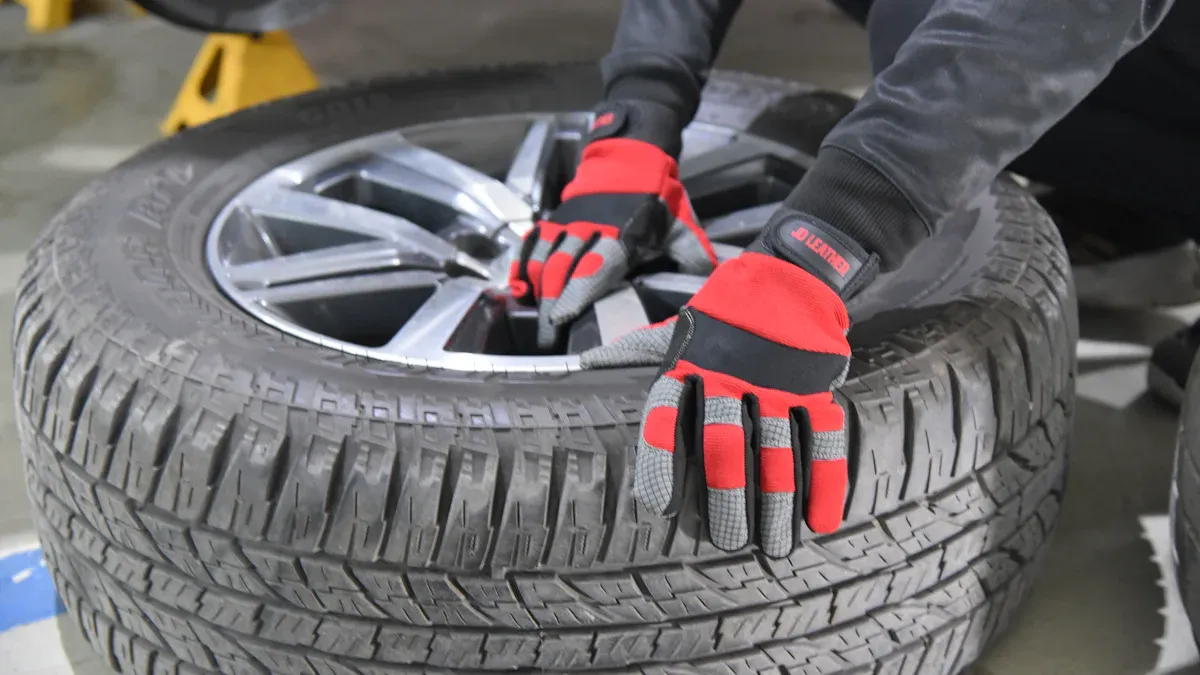
You notice one tire looks more worn than the other. Run your hand across the tread. You feel dips, flat spots, or a feathered edge. These patterns signal uneven tire wear. A failing steering knuckle often causes this problem. The knuckle holds your wheel at a fixed angle. When it bends or wears, that angle changes. Your tire then drags or scrubs against the road. This friction strips rubber away faster on one side.
According to Vehicle Masters Inc., the upper and lower ball joints connect the steering knuckle to the control arms. Loose ball joints let the wheel shift between its maximum and minimum camber positions while you drive. That shifting camber range produces erratic tire wear patterns. You may see smooth patches next to rough ones. One edge might look bald while the other still has deep grooves. These uneven tire wear signs rarely appear alone. You often feel pulling or vibration at the same time. Check your tires every few weeks. Catch uneven tire wear early and you save money on replacements.
A bent knuckle changes camber by moving the wheel hub relative to the suspension. Camber is the tilt of the wheel from vertical. The tire leans inward or outward at the top. This lean puts extra weight on one edge of the tread. That edge wears down fast. Toe and caster can also shift, depending on where the bend sits. A bend near the tie rod attachment may alter toe. A bend at the strut or ball joint mount can change caster. Normal alignment adjustments cannot fix these angles. The damaged part stays outside specification.
Uneven or excessive tire wear often points to this exact problem. You might rotate your tires and still see the same pattern return. That result means the knuckle itself is faulty. A mechanic can measure camber and toe with alignment tools. If those angles stay off after adjustment, the knuckle needs replacement. Do not ignore uneven tire wear. Worn tires lose grip on wet roads. They also raise your risk of a blowout at highway speed.
Symptom 5: Visible Damage or Rust on the KnuckleYou can spot a cracked or bent knuckle with your own eyes. Lift the vehicle and remove the wheel. Look closely at the metal arm that holds your wheel hub. Search for visual cracks along the surface. Even a hairline fracture matters. These visible cracks grow under stress and can lead to sudden failure. Check the boot around the ball joint too. A torn boot lets grease escape. You may see grease streaks on the knuckle or nearby parts. That leak means the joint has lost lubrication. A failing steering knuckle often shows these clues before it breaks.
Rust also tells a story. Surface rust looks orange and flaky. Deep rust pits the metal and weakens its structure. Poke the surface with a screwdriver. If the metal feels soft or crumbles, the knuckle has lost strength. Excessive rust may require replacement, even without visible cracks. Do not sand and paint over deep rust. The damage runs below the surface.
You can learn how to diagnose a faulty steering knuckle with a few simple tools. Park on level ground and raise the front end. Support it with jack stands. Remove both front wheels for a side-by-side comparison. Place a carpenter square against the knuckle surface. Check for gaps between the square and the metal. A bent knuckle shows a gap where the square should sit flush. Measure the distance from the knuckle to a fixed point on both sides. Compare your numbers. A difference signals bending.
Grab the knuckle and try to wiggle it. Any movement means worn bearings or loose joints. Shine a flashlight along the edges. Look for visible cracks that catch the light. Check the mounting bolts for tightness. A loose knuckle moves under load and causes the symptoms you have read about. If you find visual cracks, bends, or heavy rust, stop driving. Have a professional inspect the part right away.
You now know the five warning signs: odd noises, steering pull, wheel vibration, uneven tire wear, and visible damage. Ignoring these symptoms risks wheel detachment or total loss of steering control. If you spot any sign, get a professional inspection at once. A mechanic can diagnose a faulty steering knuckle with a lift, a square, and a wiggle test. Never ask can you drive with a bad steering knuckle and gamble on the answer. Park the car and call for help today. Do not risk a crash. Your safety and the safety of others on the road depend on a sound knuckle.
FAQNo. A bad steering knuckle can fail without warning. You risk losing steering control or having a wheel detach. Park your car and call a mechanic. Do not gamble with your safety or the safety of others on the road.
A steering knuckle can last the life of your vehicle under normal conditions. Rough roads, accidents, and deep rust shorten its life. Regular inspections help you catch wear early. Replace the part if you spot cracks, bends, or heavy rust.
Curb impacts, potholes, and collisions bend the knuckle. Road salt and moisture cause rust over time. Worn bearings and ball joints also damage the part. Any of these problems can lead to the symptoms you read about.
Yes. A bent or worn knuckle changes your wheel alignment. Camber and toe angles shift away from specification. Your tire then scrubs against the road. One edge wears down faster than the other. You may also feel pulling or vibration at the same time.
A replacement typically costs between $400 and $1,200. The final price depends on your vehicle make and model. Labor rates vary by shop. Ask for a written estimate before you approve any work.
Please leave your requirements and contact information, and we will send you the quotation information as soon as possible.