Date: 2026.09.24 Click: 18
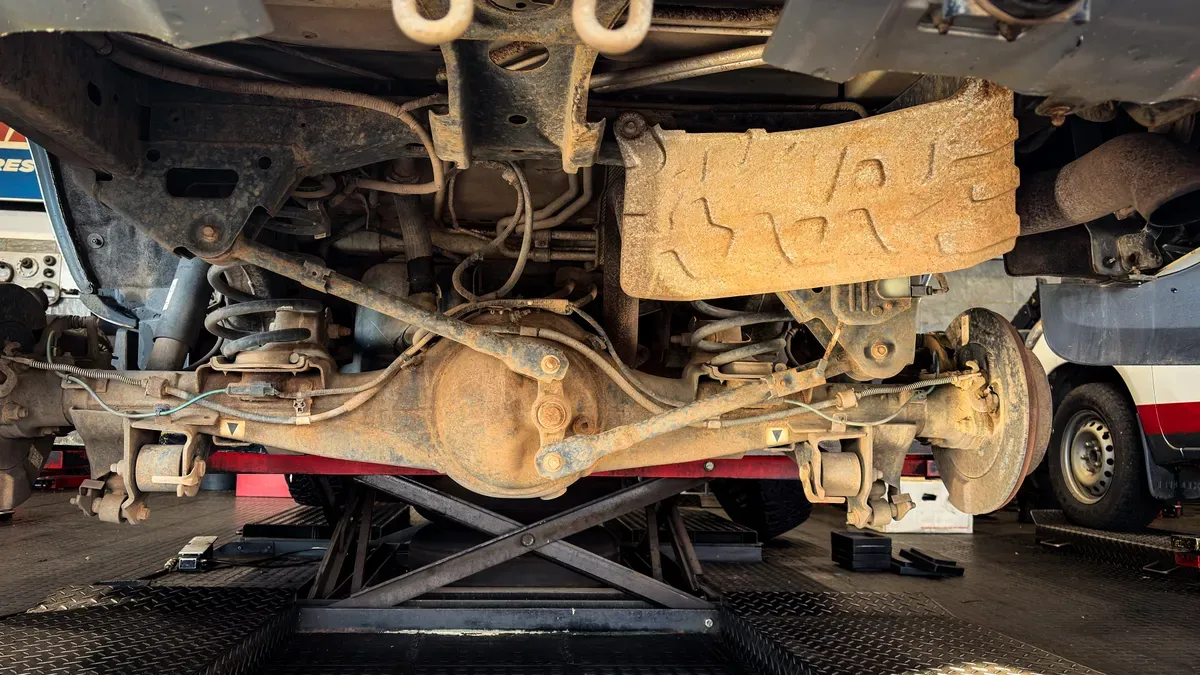
A stabilizer bar bushing is a small rubber or polyurethane part that connects the stabilizer bar to your vehicle's frame or subframe. What does it mainly do? It holds the stabilizer bar in place, allows controlled twisting, absorbs vibrations, reduces noise, and minimizes friction. You will find these bushings in every vehicle suspension system, yet most drivers never think about them. That is a mistake. The importance of stabilizer bar bushings for handling, ride comfort, and safety is huge. High-quality stabilizer bar bushings usually last between 50,000 and 100,000 miles. Aggressive cornering, extreme weather, and poor road surfaces can shorten that lifespan a lot.
Key TakeawaysStabilizer bar bushings hold the bar in place, cushion vibrations, and reduce noise for better handling and comfort.
Worn bushings cause clunking noises, too much body roll, and loose steering, which can be unsafe.
Look at the bushings every 50,000 to 100,000 miles. Check them sooner if you hear noises or have trouble steering.
Replace both sides at the same time. Think about polyurethane bushings for performance or rubber for comfort.
Replacing a worn bushing is an easy fix that can bring back your vehicle's steady handling and quiet ride.
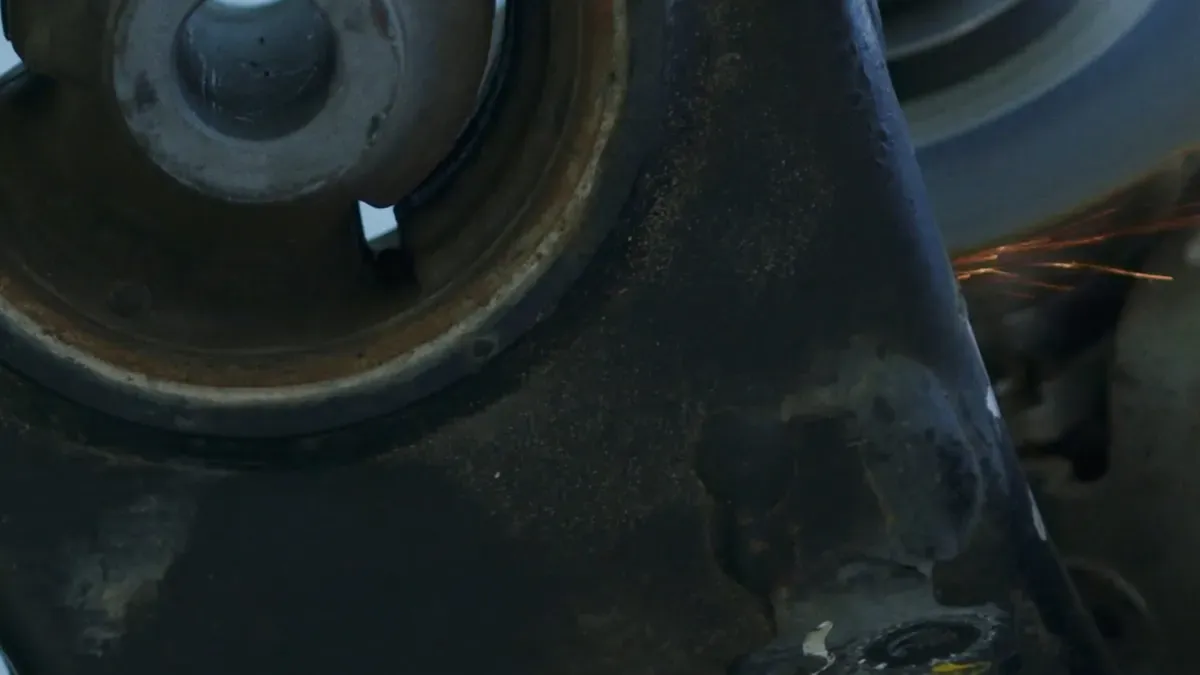
Your stabilizer bar does not hang in the air. It attaches to your vehicle's frame or subframe using center mounting brackets. These brackets hold the bar tight, and the stabilizer bar bushing sits between the bar and the bracket. The bar rests on top of the subframe, hidden under the vehicle body. To reach the rear bracket bolts, you often need to lower the subframe a little. The front bracket bolt is usually easier to reach with a ratchet through the wheel well. Some brackets even have an arrow showing which way they face, usually toward the front of the vehicle.
When you replace these bushings, you take off the mounting brackets, clean the bar, install the right bushings, and tighten the brackets to the correct torque. You must match the bushing to the bar diameter. You also need to check if the bushing is split or slides on. Use only the lubricant that is specified when needed. Replace damaged brackets and fasteners. Center the bar so it does not touch other parts. Always check the end links and the bushing on the other side too.
The job of a stabilizer bar bushing is much more than just holding a metal bar. It does three important jobs at the same time. First, it positions the bar. The bushing keeps the stabilizer bar lined up and stops it from sliding side to side. Second, it dampens vibrations. The bushing works as the main isolator between the suspension and the chassis. It actively blocks high-frequency vibrations from the lower control arms. This stops those vibrations from reaching your cabin. A working stabilizer bar bushing absorbs vibration frequencies above 50Hz well. Without it, the feel of the road would turn into noise you can hear inside your car.
Third, the bushing reduces noise. Worn bushings make a steady clunking or squeaking sound at low speeds. This happens when the inside diameter of the bushing gets bigger. The stabilizer bar then rattles inside the bracket. The stick-slip phenomenon also causes noise. When the rubber loses its internal lubrication or its surface gets hard, the bar cannot rotate smoothly. Instead, it snaps against the bracket. A bushing with a precise interference fit and an internal friction-reducing coating helps keep the bushing tight against the bar. This avoids outside grease that can trap abrasive road grit.
What do stabilizer bar bushings do when they fail? They let the bar move, which causes handling problems. Your vehicle may feel loose. You might notice more body roll when turning. Driving with worn bushings is only safe for a short time. They weaken your ability to make emergency maneuvers. Replacing worn anti-roll bar bushes as soon as noises start is the safer choice. Wrong bracket orientation or an upside-down bushing causes misalignment and noise. Tightening the bracket bolts while the suspension hangs twists the bushing at rest. This leads to early failure, a common DIY mistake you can prevent.
How the Stabilizer Bar, Bushings & End Links Work Together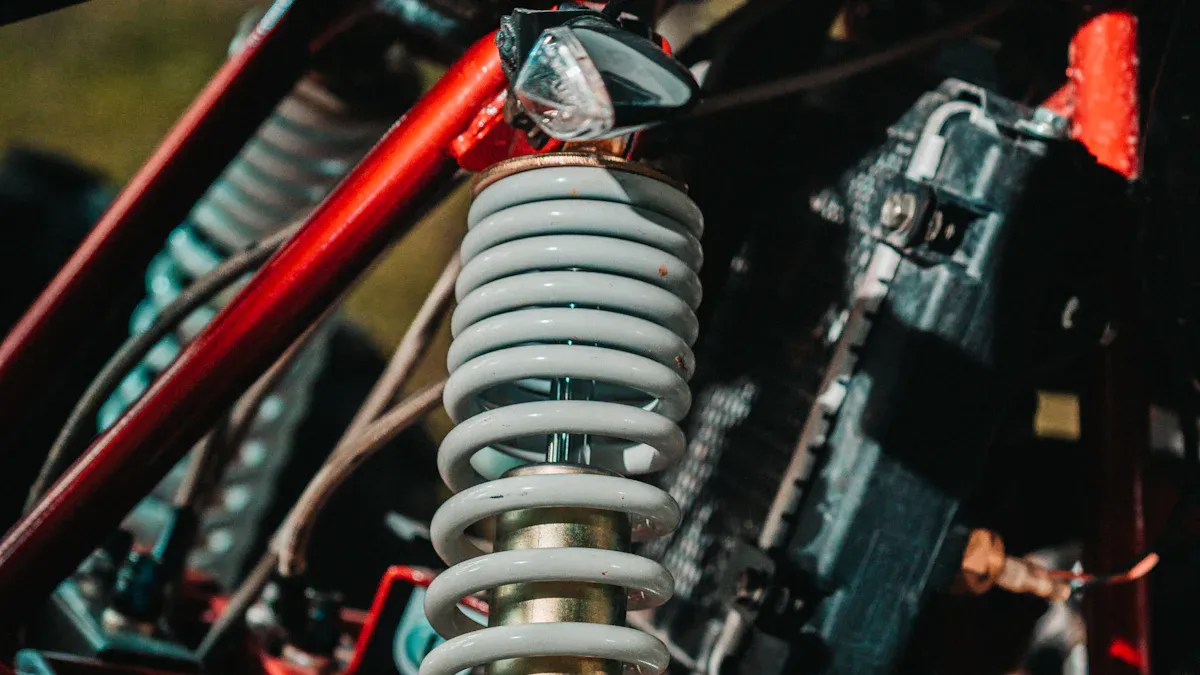
Imagine this: you make a sharp left turn. Centrifugal force pushes your vehicle's weight to the right side. The right suspension gets squeezed while the left side stretches out. Your stabilizer bar jumps into action here. This U-shaped torsion spring stretches across your vehicle's width. It fights the lean by twisting against itself.
The stabilizer bar hooks up to both sides of your suspension through end links. These short rods connect each end of the bar to the control arms. They usually use ball joints or bushings. The bar itself mounts to your vehicle's frame through bushings. Together, these parts make one team. The bar works as a torsion spring. The bushings hold it in place. The end links hook it to your suspension.
So what goes on during that left turn? The link on the rising side pulls up on one end of the bar. The link on the dropping side pushes down on the other end. This builds torsional stress inside the bar. The bar makes a restoring force. That force pushes the rising side back down and lifts the dropping side. Your vehicle levels out. Body roll drops. You feel more stable and in control.
The mounting points matter a lot here. Bushings and end links handle big forces. They must stay solid. A loose connection ruins the whole effect. Your anti-roll bar cannot do its job without tight, working mounts.
The stabilizer bar's main job is twisting. Under hard cornering or cross-axle articulation, a large roll moment forces the bar to twist hard. The rubber inside the bushing goes through torsional deformation. That is the bushing's main functional movement. But the bar does not just twist. Chassis manufacturing tolerances and dynamic suspension geometry changes cause micro axial sliding and radial pivoting too. The bushing must handle all three motions at once. Engineers design bushings to accommodate these motions.
Here is the key point about your bushings. They fix the stabilizer bar at a specific position on the frame. This ensures the bar maintains the correct working state while you drive. When you turn, the bar reduces body roll through torque at both ends. The bushing supports the bar so it can rotate freely within a specific range. It also prevents unnecessary displacement or loosening between mounting points. That keeps your stabilizer bar working efficiently.
Material choice changes everything here. Soft OEM rubber mounting bushings compress under initial cornering load before the steel bar twists. This reduces the effective installed rate compared to stiffer materials like polyurethane or billet clamps. Stiffer bushings let the bar do its job faster. Softer ones add comfort but sacrifice response. Your driving style should guide that choice.
Types of Stabilizer Bar BushingsWhen you shop for stabilizer bar bushings, you will see several designs. Split bushings are the most common type. They have a slit cut through one side. This lets you slip them over the bar without taking it off. That makes the job much easier. Solid bushings have no slit at all. You must slide them on from the end of the bar. They give you a tighter fit, but the work takes longer.
Other designs exist, but split and solid are the most common. Each design fits a certain bracket style. Check your vehicle before you buy. The wrong shape will not sit right, and it will wear out fast.
The material matters just as much as the shape. Most factory sway bar bushings use rubber. Aftermarket options often use polyurethane. Both work, but they feel very different when you drive.
Rubber bushings soak up high-frequency road noise well. They keep your cabin quiet and your ride smooth. Polyurethane bushings flex less under load. They send more vibration through, but they sharpen handling and cornering response. The choice often depends on the vehicle's intended use. Comfort-oriented vehicles often use rubber, while performance-oriented vehicles may use polyurethane.
Either way, match the material to how you actually drive.
Symptoms and Maintenance of Stabilizer Bar BushingsYour stabilizer bar bushings warn you when they start failing. The first sign is a noise. You hear a clunking or rattling noise when you drive over bumps. Worn-out sway bar links and bad bushings both produce clunking noises, but their sounds can differ. Listen on your next drive over rough pavement.
Noise is not the only clue. Your handling changes in clear ways. Check this comparison:
|
Indicator |
Good Condition |
Worn / Needs Replacement |
|---|---|---|
|
Body roll in corners |
Controlled, minimal lean |
Excessive leaning or swaying |
|
Steering feel |
Responsive, precise |
Vague, loose, or delayed |
|
Noise over bumps |
Silent or minimal |
Clunking, knocking, rattling |
|
Tire wear pattern |
Even across tread |
Uneven or edge wear |
|
Vibration in cabin |
None |
Felt in steering wheel or floor |
|
Manual shake test |
Firm, no play |
Loose, wobbles freely |
When your stabilizer bar bushings wear out, the sway bar cannot transfer force between both sides of your suspension. Your vehicle body leans more during turns. Body roll goes beyond what the bar should allow. You also lose steering precision. The wheel feels vague or delayed. Drivers call this floaty or disconnected. You need constant corrections just to go straight.
Damaged bushings cause all these problems. Typical lifespan for a stabilizer bar bushing is 50,000 to 100,000 miles. The failure threshold is simple: if the bushing moves excessively when you pry on it, replace it right away.
You can inspect your bushings at home. Jack up the vehicle and support it on stands. Look at each bushing closely. Check for a cracked, split, or crushed bushing. Dry, brittle, or missing rubber means replacement time. Sway bar bushings that are broken cause noise and poor handling.
The manual shake test works well. Grab the stabilizer bar near the bushing and push firmly. A good bushing feels tight with no play. Too much movement and you need new parts.
Stabilizer bar bushing and end links maintenance should happen together. Replace both sides at once for balanced handling. Your suspension system works as a team. Worn parts on one side stress the other side faster.
Replacement costs vary widely. Labor can take 1 to 4 hours depending on vehicle complexity. Parts and shop rates also vary. Quick replacement restores your vehicle's stability and quiet ride.
Stabilizer bar bushings do three quiet jobs. They anchor the stabilizer bar, soak up road vibration, and stop squeaks and rattles. Those small tasks shape how your car handles and how smooth the ride feels. Worn bushings cannot keep up. They let the bar shift, so your car leans more in turns and your steering feels loose. That is a safety problem, not just an annoyance. Check your bushings during routine service. Look for cracks, soft spots, or play. Do not wait for a loud rattle. If you notice clunking or poor cornering, a simple bushing replacement can often restore your vehicle's stability and quiet ride.
FAQYou can drive a short way, but it is not safe. Worn bushings make your car harder to control and cause more body roll. It gets harder to handle emergency moves. Replace them as soon as you hear clunking or feel loose steering.
Most last between 50,000 and 100,000 miles. How you drive and the roads you use change that lifespan. Sharp turns or rough roads make them wear out faster. Check them when you do routine maintenance.
No, they are different parts. Bushings attach the bar to your vehicle's frame. End links join the bar ends to your suspension. Both wear out over time. Replace them together so your handling stays balanced.
Yes, always replace both sides. Worn parts on one side make the other side work harder. This leads to uneven wear and poor performance. Replacing both sides restores proper handling.
Please leave your requirements and contact information, and we will send you the quotation information as soon as possible.