Date: 2026.09.23 Click: 21
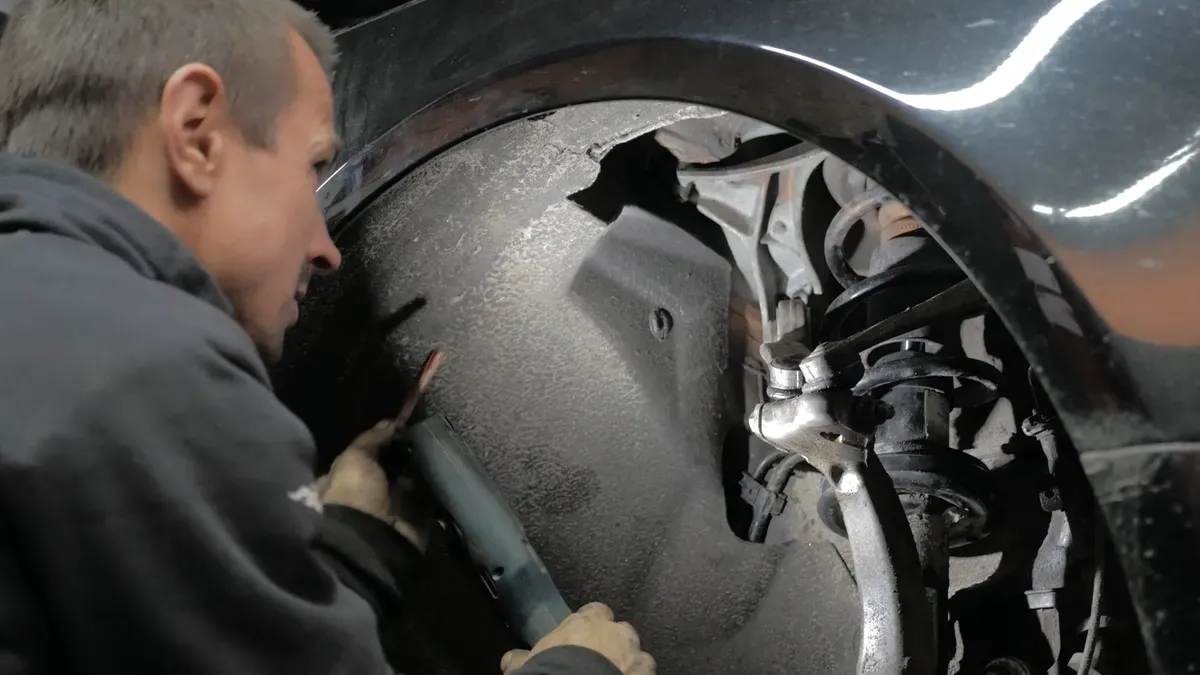
An upper control arm links your vehicle's frame to the front wheel. It guides up-and-down movement when you drive over bumps. This part works with your suspension to give better handling. You get precise response and a safer ride. Worn upper control arms cause poor alignment and uneven tire wear. Damaged upper control arms affect your vehicle's stability directly. Watch for symptoms like clunking noises or wandering steering. Regular inspection helps you avoid expensive repairs. Your ride quality depends on these parts working right. Proper maintenance keeps your tires wearing evenly over time. Understanding this part helps you take better care of your vehicle. This component helps you steer accurately and stay safe. Knowing how it works helps you keep your car in good shape.
Key TakeawaysThe upper control arm connects your vehicle's frame to the top of the steering knuckle. It guides the wheel up and down and keeps it aligned.
Worn upper control arms cause poor alignment, uneven tire wear, and unsafe handling. Watch for shaking, drifting, clunking, or uneven tire wear.
Regular inspection of upper control arms helps you avoid expensive repairs. Check the ball joint and bushings for wear.
Upper control arms work with lower control arms to keep your wheels stable. They improve steering response and ride comfort.
Replace worn upper control arms promptly. This protects your safety, saves money on tires, and keeps your vehicle driving smoothly.
An upper control arm is a metal link that connects the top of your steering knuckle to the vehicle frame. Think of it as a hinge that lets your front wheel move up and down while staying connected to the car. This part plays a critical role in your front suspension system. It holds the top of the wheel in place and allows it to pivot as you drive.
The knuckle is the sturdy metal piece that holds your wheel hub and brake components. The ball joint is the pivot point where the control arm meets the knuckle. This joint lets the arm swing freely as your suspension moves. Without this connection, your wheel would flop around with no guidance.
You will find upper control arms on vehicles with independent front suspension. This design lets each front wheel move separately. One wheel can react to a bump without affecting the other side. That setup gives you better control and a smoother ride.
Picture your front wheel from the side. The upper control arm sits at the uppermost area of the wheel assembly. It reaches from the frame of the car outward to the top of the spindle. The lower control arm sits at the bottom of the wheel and connects to the lower part of the spindle. Together, these two arms form a strong triangle that holds your wheel steady.
The spindle is the shaft that supports your wheel hub. It connects to both control arms through ball joints. These joints allow movement in multiple directions. That flexibility keeps your tire flat on the road as the suspension travels.
Most cars use a short-long arm design. The upper control arms are shorter than the lower ones. This length difference makes the top of the tire tilt inward slightly as the suspension compresses. Engineers call this camber gain. It helps your tires stay flat during cornering for better grip.
Factory upper control arms often use stamped steel or cast aluminum. Aftermarket versions may use tubular steel for added strength. Some UCAs include adjustable features. You can change alignment settings like camber and caster. That adjustment helps correct alignment issues after a lift kit or a drop.
The exact location varies by vehicle design. Some trucks and SUVs place the upper arm above the tire. Others tuck it inside the wheel well. Regardless of the layout, the job stays the same. The arm controls the top of the wheel and keeps it positioned correctly.
You can spot your upper control arms by looking behind your front tire. Follow the top of the wheel inward toward the frame. The part you see bridging that gap is the upper control arm. Recognizing this component helps you understand your suspension and spot problems early.
How Upper Control Arms Work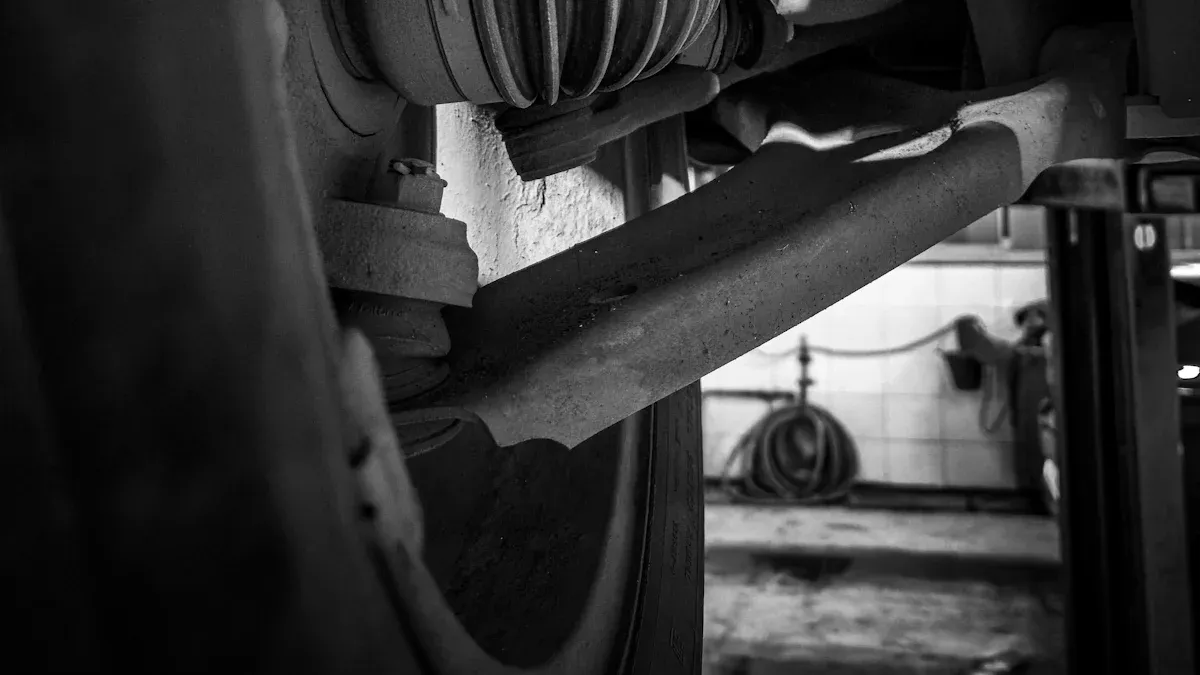
Your upper control arms connect two points that must move together. One end attaches to your vehicle's frame. The other end attaches to the steering knuckle. Each connection uses a different type of joint.
|
Connection Point |
Joint Type |
|---|---|
|
Upper control arm to vehicle frame |
Bushing |
|
Upper control arm to steering knuckle |
Ball joint |
The frame-side bushing acts as a hinge. It absorbs suspension movement and lets the arm pivot up and down. The wheel-side ball joint permits the steering knuckle to swivel in any direction. This dual-pivot design lets your wheel travel vertically during compression and rebound. The arm still restricts unwanted side-to-side motion.
A ball joint is a pivoting connection between the control arm and the steering knuckle. It allows the wheel to move up and down with the suspension while also turning left and right when the driver steers.
In non-MacPherson strut suspensions, the upper ball joint serves as a secondary pivot point for steering. It acts as a follower joint with no significant load-bearing role. The lower ball joint carries the vehicle's weight instead.
Your upper control arms guide the front wheels through every drive. They let the wheels move up and down as you drive, steer, brake, and hit bumps. They also help maintain proper wheel alignment and movement to improve overall handling.
Think about driving over a speed bump. Your front wheel pushes upward as it hits the bump. The upper control arm pivots at its frame-side bushing. The ball joint at the spindle allows the knuckle to swivel. The arm swings upward in a controlled arc. Then it swings back down as the wheel drops on the other side. This motion happens in a fraction of a second.
The arm directly governs the tilt of the wheel relative to the vertical axis. It regulates camber angle throughout suspension travel. By guiding the spindle in a predetermined arc, the arm keeps the tire's contact patch stable with the road surface. This stability holds during cornering, braking, and uneven terrain. Proper wheel alignment stays intact as the suspension cycles up and down.
This control matters for your safety. A worn upper control arm cannot guide the wheel properly. The front wheel may tilt at the wrong angle. Your tires may wear unevenly. Your steering may feel loose or vague. The suspension geometry depends on these arms working correctly.
Aftermarket upper control arms can improve this geometry further. They often use tubular steel for added strength. Some include adjustable features for camber and caster. These upgrades help correct alignment issues after a lift kit or a drop. They work with stock-style rubber mount bushings for a quiet ride.
Regular inspection of your control arms keeps your steering precise. Check the bushings for cracks or wear. Test the ball joint for play. Replace worn parts before they affect your alignment. This simple maintenance protects your tires and your safety.
Key Jobs of Control ArmsControl arms hold your wheels in the correct position so alignment stays within spec. They lock the spindle in place while still allowing it to pivot. This balance keeps your tire angles steady as you drive. Camber describes the inward or outward tilt of the wheel. Caster refers to the forward or backward lean of the steering axis. Both angles affect how your car tracks and steers. A worn control arm lets these angles drift. Your alignment then falls out of spec.
Proper caster and camber adjustment depends on tight, healthy control arms. The upper arm sets the top of the spindle. The lower arm sets the bottom. Together they define the geometry that keeps your tires flat on the road. When bushings wear out, the arm shifts under load. Your camber changes as you corner or brake. This movement causes uneven tire wear and vague steering. Regular checks keep your alignment true.
Control arms work with your shocks and springs to absorb road impacts. The springs carry the vehicle's weight. The shocks control how fast the suspension moves. The control arms guide the wheel through its travel arc. This teamwork keeps your ride smooth over rough pavement.
Think about hitting a pothole. Your tire pushes upward. The spring compresses. The shock slows the rebound. The control arm pivots at its bushings and keeps the wheel pointed straight. Without this guidance, the wheel would bounce out of line. Your car would feel unstable. Good control arms contribute to stability, steering response, and comfort. They let you feel the road without feeling every bump.
Upper Control Arms vs. Lower Control ArmsYour suspension uses two control arms per front wheel. These control arms differ in length and load. The upper arm sits above the wheel hub. The lower control arm sits below it. The upper control arms react lateral cornering loads. They control wheel tilt through the suspension travel. The lower arm carries the spring and damper. It supports the vertical wheel load. This difference in duty changes how each part is built.
The upper arm is shorter. On passenger cars, it measures 250 to 350 millimeters. The lower arm is longer at 350 to 500 millimeters. The length ratio between upper and lower arms is typically 0.65 to 0.75. This ratio gives the suspension its short-long arm name. The upper arm swings through a tighter arc. The lower arm swings through a wider one. The geometry of this design controls camber as the wheel travels. The upper arm bushings hold a tighter tolerance. Bushing bore tolerance stays within plus or minus 0.05 millimeters. This keeps the camber curve predictable.
The spindle connects to both arms through ball joints. The upper ball joint allows steering. It does not carry weight. The lower ball joint carries the vehicle's weight. The lower arm is built stiffer. It endures greater braking and acceleration forces.
Upper and lower control arms work as a team. They guide the wheel through its full range of motion. The system controls caster and camber angles. When the suspension compresses, the upper arm tilts the wheel inward at the top. This inward tilt keeps the tire flat during cornering. The lower arm sets the anti-dive angle. This angle prevents nose dive during braking. The anti-dive angle typically ranges from 3 to 8 degrees on a road car.
Factory upper control arms use stamped steel or cast aluminum. They work for normal driving. You can upgrade to aftermarket control arms. These parts use tubular steel for strength. They work with stock-style rubber control arm bushings for a quiet ride. The rubber bushings absorb vibration. The bushing bore tolerance keeps alignment predictable.
The caster angle affects steering feel. Factory upper control arms set the base geometry. Aftermarket parts add adjustability. Worn arms cause alignment drift. Your tires wear unevenly. Your steering feels loose.
Why Control Arms Matter for Your RideYou may notice vibration through the steering wheel as you drive. This shaking often gets worse at higher speeds. A worn upper control arm lets the wheel shift out of position. That movement travels up through the suspension and into your hands.
Your car may wander from side to side. You correct the path constantly just to stay in your lane. Loose bushings or a worn ball joint cause this drifting. You might also hear clunking or creaking sounds. These noises come from metal parts knocking together over bumps. Uneven tire wear is another clear sign. One tire may show bald spots while the rest look fine. Check your tires for this pattern. If you spot any of these symptoms, have a shop inspect your front end right away.
A worn upper control arm changes your alignment angles. Camber and caster drift out of spec. Your tire no longer sits flat on the road. The contact patch shrinks. You lose grip during turns and braking. Your stopping distance grows longer. That puts you and your passengers at risk.
Uneven tire wear costs you money. Tires wear out faster when alignment is off. You may replace them years earlier than expected. Poor alignment also hurts fuel economy. Your engine works harder to push the car forward. Handling feels vague and unpredictable. The car reacts slowly when you turn the wheel.
Worn upper control arms affect your safety directly. They also shorten tire life and hurt ride comfort. Do not ignore the warning signs. A simple inspection catches problems early. Timely replacement of control arms keeps your vehicle driving smoothly. Regular maintenance protects your wallet and your safety on every trip.
The upper control arm links your frame to the top of the steering knuckle. It guides your wheel through every bump and turn. This part protects your ride comfort, your safety, and how long your tires last. Watch for shaking, drifting, clunking, creaking, or uneven tire wear. These signs mean a suspension part may be worn out. Regular care and replacing parts on time keep your vehicle running smoothly.
FAQYou may feel vibration through the steering wheel. Your car might wander or drift. Listen for clunking or creaking noises over bumps. Check your tires for uneven wear patterns. These signs point to a worn upper control arm. Have a mechanic inspect your suspension right away.
No. Driving with worn upper control arms is unsafe. Your steering feels loose and unpredictable. Your tires wear out faster. You risk losing control during turns or braking. Replace damaged parts before you drive again. Safety always comes first.
Yes. Upper control arms hold your wheel in position. They set critical angles like caster and camber. Worn bushings let these angles drift. Your alignment falls out of spec. Proper alignment depends on healthy control arms working correctly.
Upper control arms do not have a fixed replacement schedule. Inspect them during regular maintenance. Check the ball joint for play. Look at the bushings for cracks. Replace them when you find wear. Most last many years with normal driving.
You face serious safety risks. Your caster and camber angles drift out of spec. Your suspension geometry changes. Handling becomes vague and unpredictable. Tires wear unevenly and need early replacement. Ignoring the problem costs you money and puts you in danger.
Please leave your requirements and contact information, and we will send you the quotation information as soon as possible.