Date: 2026.09.18 Click: 35
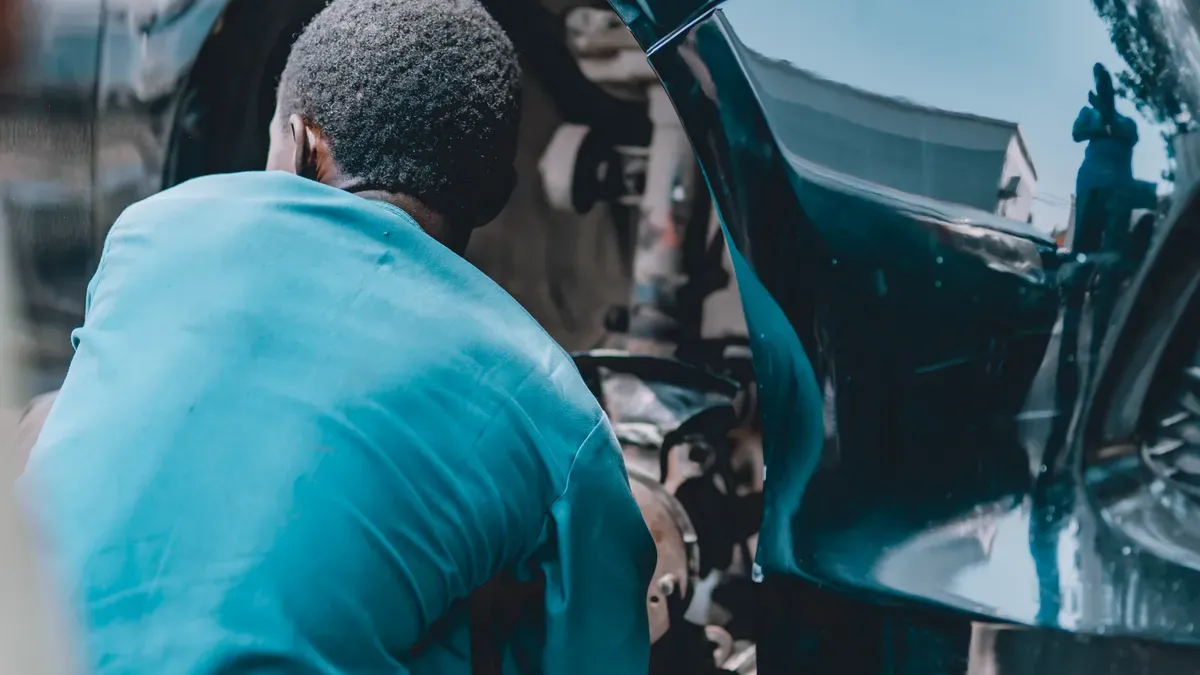
You feel a sudden clunk in your steering wheel as you drive. Your car drifts without warning. You fear expensive repairs. Many steering rack problems have simple solutions. You can diagnose them without a mechanic. You can learn to tell a steering gear problem from a power steering problem. You can perform quick on-ground tests. Simple fixes like topping fluid or flushing the system often work. Sometimes a hose replacement fixes issues. You can decide when to adjust or replace the steering gear. Mastering these skills always saves you money. In 2026, steering diagnostics is a smart skill. You gain confidence to handle your own repairs.
Key TakeawaysYou can find steering problems yourself and save money.
Learn how to tell the difference between power steering problems and steering gear problems.
Do simple tests on the ground to check for play and noises.
Try simple fixes first, like topping off fluid or replacing hoses, before doing major repairs.
Always have a professional alignment after any work on the steering gear.
You notice your car drifting from one side of the road to the other. You constantly correct the vehicle to stay in your lane. This wandering often comes from excessive free play in your steering gear. MOOG Parts states that free play is the main enemy of proper control. When the gear itself is loose, or when linkage sockets are worn, the wheel has too much play. This causes the vehicle to wander.
You can measure this play yourself. Park on level ground with the engine running for power-assisted systems. Point the wheels straight ahead. Turn the steering wheel slowly until a front wheel just moves. Measure the rim travel from its starting position. This distance is the lash. The allowable limit depends on your wheel diameter. For a 16-inch wheel, the limit is 2 inches for manual systems and 4¼ inches for power systems. For a 22-inch wheel, it is 2¾ inches for manual systems and 5¾ inches for power systems. For other diameters, the limit is 14 degrees for manual systems and 30 degrees for power systems.
You can also perform the 90-degree shake test. Rock the steering wheel in short strokes. Have a second person watch each linkage component. Look at the tie rod ends, drag link, Pitman arm, and idler arm. Any movement in these parts adds to the overall play. A single inspector often misses small wear that only shows up while the wheel is moving.
A stiff steering wheel is another symptom. You feel resistance when turning. This stiffness can come from internal wear inside the gear box. It may also come from binding in the linkage. Tooth contact inside the mechanism can change with age. This produces looseness that leads to wander. You might also notice steering wheel slowness. The wheel feels heavy and responds slowly. A misaligned steering wheel is an early clue. The wheel sits off-center when you drive straight. Alignment issues are common. These issues point to a potential problem. You must investigate further.
Listen to your car carefully. Noises guide your diagnosis. Whining while turning often points to low fluid. Groaning indicates a clog in the power steering system or a failing power steering pump. Squealing suggests a loose or worn drive belt. These sounds help you separate a power steering problem from a gear problem.
|
Noise |
Possible Indication |
|---|---|
|
Whining while turning |
Low power steering fluid |
|
Groaning |
Clog in the lines, blockage in lines, or failing pump |
|
Squealing |
Loose or worn power steering drive belt |
Steering gear noise or humming when turning the wheel is often caused by bearing corrosion or air entering due to leaks or critically low fluid levels.
Grinding or knocking noises during turns are more serious. They signal mechanical problems inside the steering gear or tie rod ends. You must address these quickly.
Fluid leaks give you clear visual signs. Look under the front of your vehicle. Reddish or brown fluid means fluid is leaking. Common leak spots include the seals of the steering gear box. Cracked hoses from age or heat also leak. Check the line connections at the pump and at both rack lines. Inspect the boots for fluid seepage. A leak can hide inside the boot. Look for chafing, cracks, and loose connections on the lines between the pump and related components.
Low fluid causes inconsistent steering assistance. The pump works harder and makes noise. Air enters through leaks or low fluid. This creates noise during steering maneuvers.
Check all rubber hoses for dry rot or damage. Look at metal lines for rust. Worn seals cause slow drips or pooled fluid. A damaged pump lets fluid escape.
These signs of power steering failure point you toward the root causes. You can then decide if you need a simple fix or a replacement.
Distinguishing Power Steering Problem SourcesYou hear a strange sound when you turn the wheel. You feel something odd through the steering column. Now you must find the source. Is the power steering pump failing? Is the steering gear box worn out? You can isolate the issue with a few simple checks. This section shows you how to tell these two problems apart.
The type of noise you hear points to the failing component. A power steering pump makes a whining or squealing sound. This noise gets worse during sharp turns. Low fluid or a worn power steering pump causes this sound. The pump struggles to push fluid through the power steering system. Air in the lines creates a groaning noise. A clogged line produces the same result.
A steering gear problem sounds different. You hear grinding or knocking noises. These sounds signal mechanical issues inside the steering gear, the rack, or the tie rods. The noise happens when metal parts wear against each other. This type of sound does not change with engine speed. It changes with steering input.
|
Component |
Noise Type |
Indication |
|---|---|---|
|
Power Steering Pump |
Whining/Squealing |
Failing pump or low fluid; worsens during sharp turns |
|
Steering Gear |
Grinding/Knocking |
Mechanical issues in steering gear, rack, or tie rods |
Fluid condition gives you more clues. Check the fluid color and level. Dark or burnt fluid means the system overheats. Metal particles in the fluid point to internal wear. A low fluid level causes pump noise. A correct fluid level with noise points to a worn power steering pump. You may also notice a stiff steering wheel. This symptom often comes from internal gear wear.
Modern vehicles need advanced diagnostics. Scan tools read fault codes from the steering control module. These codes help you find problems in electric power steering systems. The scan tool shows you which sensor or motor has issues. This step saves time on newer cars.
You can perform a simple test to confirm your diagnosis. This test checks the steering linkage for play and sync. Follow these steps:
Have a trusted helper sit in the driver's seat. You lie on the ground and watch the tires and steering linkage.
Ask the helper to turn the steering wheel smoothly back and forth at a moderate pace. Keep the engine running if the vehicle has power steering.
Observe all steering linkage joints. Confirm they move together smoothly and in sync.
If turning the wheel from the 9 o'clock to 3 o'clock position does not move the linkage, suspect the steering gear box or steering column. A torn flex link or a loose collapsible shaft section are possible causes.
Repeat the helper-assisted steering movement. Check for any part that is not moving in sync.
If you suspect the steering gear box, watch the pitman arm and the steering column together. Check whether they are synchronized. The pitman arm sits at the bottom of the steering gear box. The column sits at the rear. Use a mirror if needed to view both areas.
You can also perform a quick shake test on the ground. Shake the steering wheel left and right through ninety degrees. Check that there is no excessive play or knocking noise. Run the engine during this test if the car has power steering.
These tests help you separate a power steering problem from a steering gear problem. You now know the source. You can move to the next step: simple fixes or adjustments.
Steering Gear Adjustments & Simple Fixes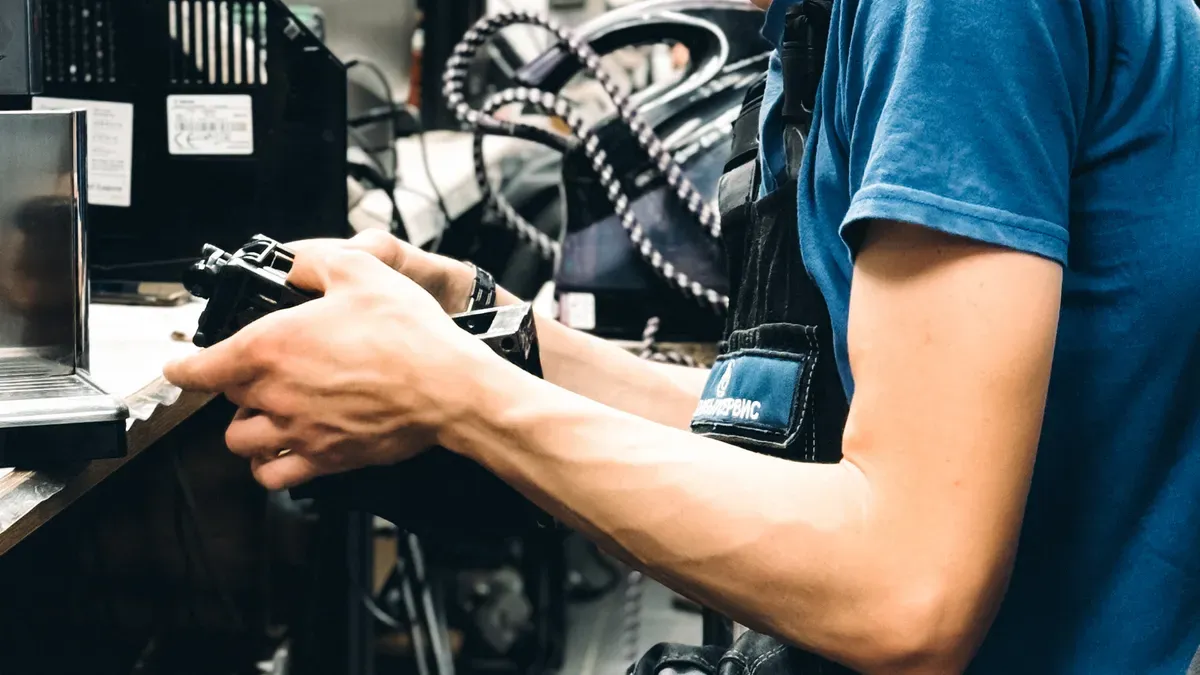
Many steering issues have simple solutions. Start with the basics before you touch any adjustment screw. Check your power steering fluid level first. Low power steering fluid causes stiffness and noise. Top it off with the correct fluid type. Next, inspect the hoses and lines for leaks. A reddish-brown puddle under the front of your car points to a leaking hose. Replace that hose and refill the power steering system.
A fluid flush also helps. Change your power steering fluid every 50,000 miles or every 5 years. Older cars and vehicles driven in severe conditions need changes sooner. Dirty fluid wears the power steering pump and creates steering problems. After major repairs, change the fluid again after 5,000 to 10,000 miles.
Follow these simple maintenance steps to catch small issues early:
Perform routine checks of tie rods and ball joints.
Keep fluid at the recommended level.
Use gentle, smooth steering inputs.
Have the system inspected periodically.
The worm bearing pre-load adjustment holds the worm shaft snug inside the steering gear box. Disconnect the pitman arm first. Loosen the over-center adjusting locknut and back the screw off two turns. Turn the worm shaft slowly and measure the turning force with an inch-pound torque wrench. Compare your reading to the manufacturer's specification. Typical readings sit around 5 to 6 inch-pounds at the ends and rise to 10 to 12 inch-pounds at the center. Always trust your manufacturer's numbers over general figures. Tighten or loosen the worm adjuster to correct the pre-load. Always set pre-load before you adjust sector lash.
Tightening the steering Allen key is only a temporary fix. Adjusting the over-center screw without first adjusting the worm bearing preload can damage the steering gear and cause improper steering response.
These adjustments buy time. They do not restore worn metal. Plan for a replacement when play returns. A worn rack or loose tie rods will not respond to adjustment forever.
Steering Gear Box Replacement Guide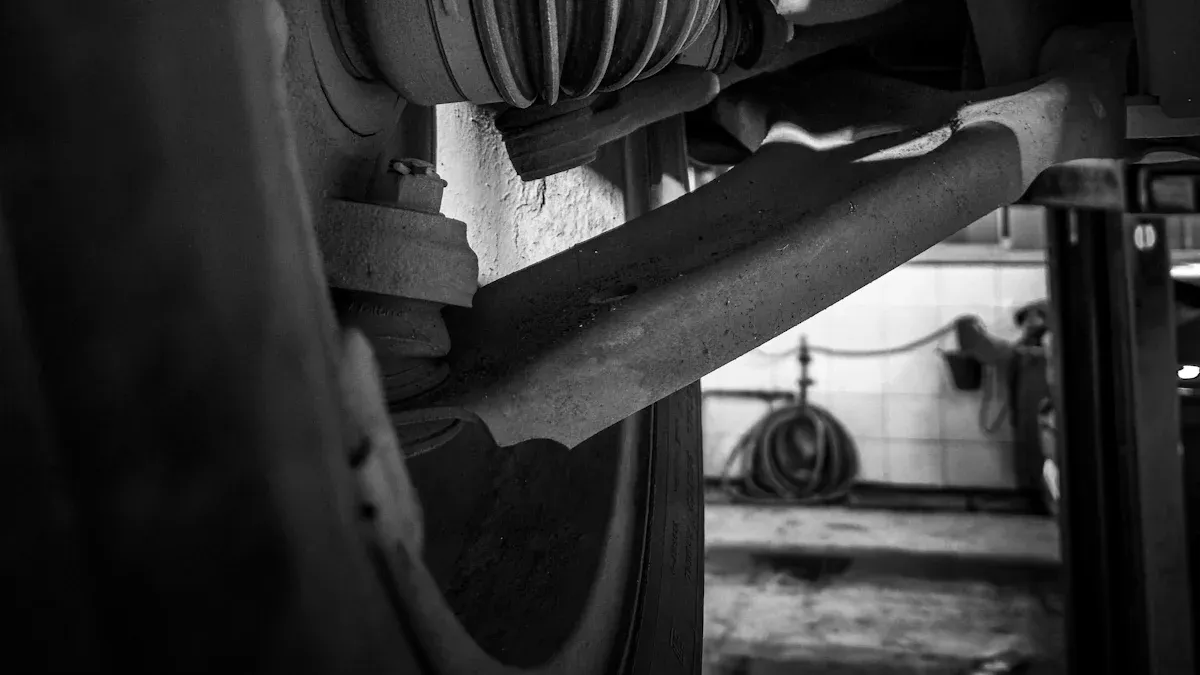
You have three choices: OEM, aftermarket, and remanufactured parts. OEM parts cost the most. A remanufactured steering gear cuts the parts cost by 50% compared to OEM. Good aftermarket and remanufactured units are 40–60% cheaper than OEM. OEM usually has lifetime coverage. Remanufactured units often come with 1–3 year warranties. Quality aftermarket or remanufactured units should have at least 12 months of warranty.
Remanufactured gears are rebuilt to OEM specs. They use proven methods. Many shops offer core exchange programs. These programs lower the net cost by $50 to $200. Performance from trusted rebuilders meets OEM standards.
Non-GM systems, including some remanufactured or aftermarket units, may not be easy to customize due to wrong parts. OEM-specific boxes are often simpler to customize. If you are unsure, ask a mechanic.
You must pick the correct part carefully. A wrong part causes more issues. Check your vehicle specs before ordering. A damaged steering rack needs the right replacement. The steering rack connects to the gear box through linkage parts. Know your make and model before you buy.
Safety comes first. Lock the steering wheel in a straight position. This step helps line up the pitman arm with the new gear box. Secure the wheel by running the seatbelt through it. Buckle the belt to stop the wheel from turning. Put a drain pan and rags under the car. Get ready for fluid spills before you remove the power steering lines.
Follow this removal order:
Remove the electric fan for better access.
Remove both power steering hoses. Let the fluid drain into the pan.
Remove the through bolt from the u-joint at the box.
Disconnect the tie rod end from the pitman arm. Use a pitman arm puller.
Remove the bolt that connects the steering column to the gear box.
Remove the sway bar if it blocks access.
Remove the three bolts in a triangle shape. These bolts hold the box to the frame.
Push the box off its support bracket. Let it hang by the steering column.
Use line wrenches to take off the hoses completely.
Install the new gear box in reverse order. Tighten all bolts to the maker's specs. Replace any worn seals or hoses. Check the power steering pump for damage while the system is open. Fill the system with fresh fluid. Bleed the air from the system. Start the engine and turn the wheel lock to lock several times. Inspect the rack for wear during the replacement. A damaged rack causes alignment problems after installation.
Finish with a professional wheel alignment. This step protects your tires and ensures safe handling. Your careful work saves money and builds confidence.
You started with common problems like play and noise. You performed the quick on-ground test. You ruled out a power steering problem. You tried simple fixes or adjustments. Then you replaced the steering gear box if needed. This steering diagnostic approach saves you money. It builds your mechanical confidence. You can tackle these steering repairs yourself. End with one final tip. Always get a professional alignment after any steering gear work. This final step protects your steering system. It ensures safe handling. Your new skills empower you to master your own steering issues. You save money on costly shop bills. You gain the satisfaction of doing the work yourself. Your rack stays reliable for years.
FAQWhining during steering turns points to low fluid or a failing power steering pump. Grinding or knocking sounds signal internal wear inside your steering gear. Check the fluid level first.
No. A leaking steering gear box damages the steering pump over time. You lose steering assistance. Your steering wheel feels heavy. Fix leaks right away. Delayed repairs create more issues.
No. Adjusting the screw tightens a loose steering gear temporarily. Worn metal stays worn. Plan for replacement when play returns. Your steering system needs new parts for a permanent fix.
Yes. Any steering gear or rack work changes your wheel position. A professional alignment protects your steering system and tires. It ensures safe handling. Never skip this final step.
Please leave your requirements and contact information, and we will send you the quotation information as soon as possible.