Date: 2026.08.25 Click: 102
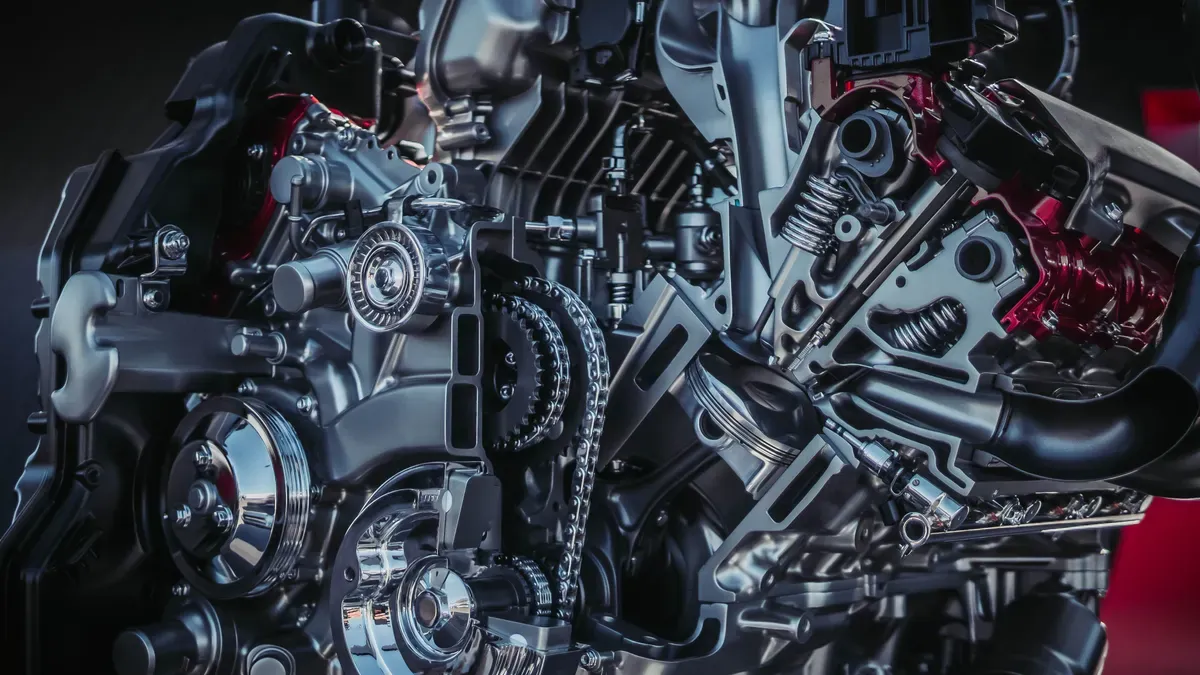
The front crankshaft seal sits at the timing cover end and is fairly simple to swap out. The rear main seal, found at the flywheel end, needs the transmission taken off to get to it. That key difference sets how hard and costly each repair is. For instance, replacing a front crankshaft seal usually runs $150 to $400, with the part itself only $10 to $50. Labor makes up most of the price. Front seals come in flanged or flangeless styles, while rear main seals may use split designs. A rear main seal leak often lets engine oil dirty the clutch or transmission. Spotting seal failures early helps you dodge pricey oil leak fixes. Both oil leaks need attention eventually, but the rear main seal is riskier if you put off fixing an engine oil leak.
Key TakeawaysThe front crankshaft seal is cheap and easy to replace. The rear main seal costs more because it requires removing the transmission.
A rear main seal leak can ruin your clutch. Fix it quickly to avoid expensive repairs.
Check oil leaks early. Front seal leaks show near the pulley. Rear seal leaks appear at the bell housing.
Replace the rear main seal when you already have the transmission out. This saves you time and money.
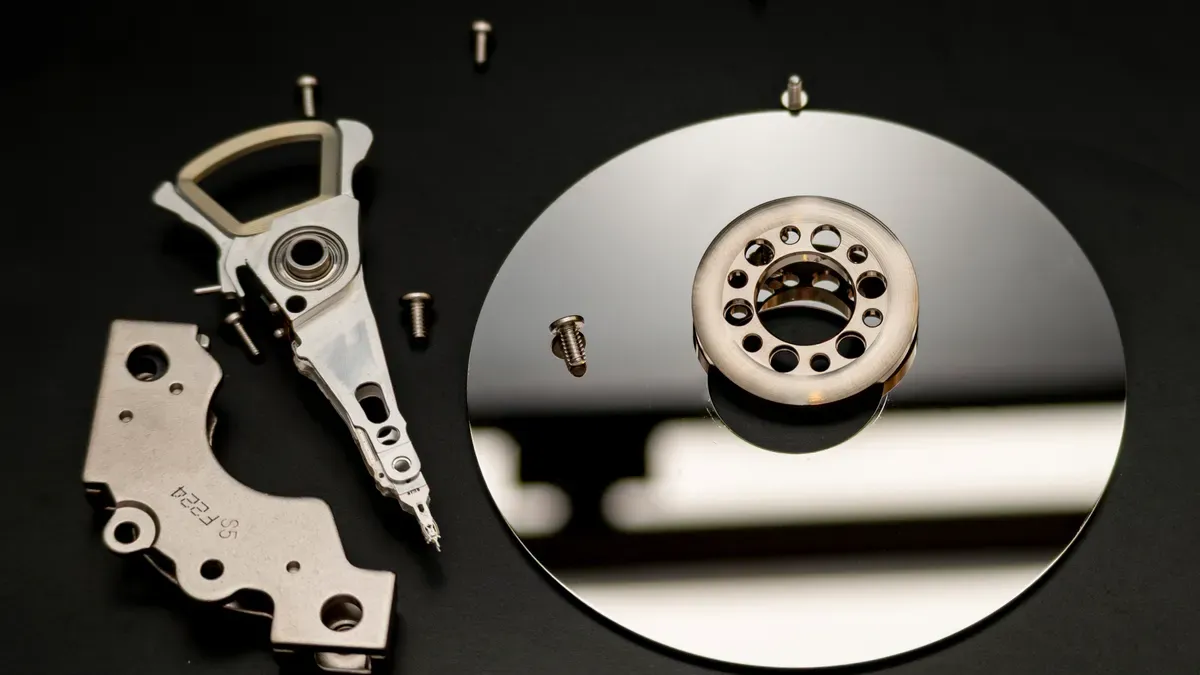
The front crankshaft seal sits at the very front of your engine, right where the crankshaft pokes through the timing cover. This seal stops oil leaks where the crankshaft leaves the engine block. You can see this seal from outside the engine, which makes it much easier to check and replace than the rear one.
Most front seals come in two types: flanged and flangeless. The flangeless type is common in modern engines because it presses right into the timing cover without extra parts. Flanged versions have a metal lip that helps the seal sit firmly. When you buy a replacement, you must know which type your engine uses. Putting in the wrong type causes leaks right away and means another repair job.
Getting to the front seal takes patience but not heavy work. You work from under the car with jack stands or ramps. The steps go in this order:
Make more room by taking off the radiator support, fans, and fan shroud.
Take off all engine belts.
Stop the engine from turning (for example, clamp a vice-grip on the flywheel ring gear through the torque converter inspection plate).
Take off the crankshaft pulley hex nut assembly (bolted with spacers).
Use a 34 mm socket (or 1 5/16 inch 3/4" drive socket) to loosen and remove the crankshaft bolt.
Use a puller to take out the crankshaft damper.
Pull off the damper "cone" and remove the cone key (two identical keys; save them).
Work from under the car; you can also take off the oil cooler return hose for more space.
Remove the "distance spacer" sleeve that gives the sealing surface.
Pry out the old oil seal using the dents on the cover (punch a slot and pry).
Carefully clean the seal mounting area, fixing any nicks.
Once you reach the crankshaft sealing area, check it for scratches or grooves. A damaged surface ruins a new seal fast.
The rear main seal sits at the other end of the crankshaft, where it connects to the flywheel or flexplate. This seal keeps engine oil from leaking into the transmission bell housing. You cannot see this seal without taking off the transmission, which is why rear main seal replacement costs much more than front seal work.
Rear main seals come in two main types. One-piece seals slide over the crankshaft end before you put on the flywheel. Two-piece seals, sometimes called rope rear main seal designs, go in as two halves. One half fits into the engine block, and the other half fits into the main bearing cap. Older engines often use this split design, while newer engines prefer one-piece seals.
Seal materials differ by use. The table below shows common options:
|
Seal Type |
Common Materials |
|---|---|
|
Two-piece |
Neoprene (rubber), Silicone |
|
One-piece |
Neoprene (rubber), NBR (Buna N), Silicone, Polyacrylate, Viton (Fluoroelastomer) |
Viton rubber stands out for tough jobs. It handles high heat like silicone but resists wear better. Racing engines with high vacuum often use Viton rear main seals because they handle harsh conditions without failing.
Felt material is used as a rear main seal in some cases, as confirmed by a user who got a felt strip from Caterpillar for this purpose.
Both seals do the same basic job: keeping oil where it belongs. The front seal guards the timing chain area, while the rear seal guards the clutch and transmission. Knowing where they are helps you find oil leaks fast and plan the right fix.
Symptoms of a Rear Main Seal LeakSpotting a failing seal early saves you from bigger problems. The signs differ between front and rear seals, but both involve oil leaks. The front crankshaft seal and the rear main seal both prevent oil leaks. Here are the common symptoms of a rear main seal leak and how they compare to a front seal problem.
A front crankshaft seal leak shows in several clear ways:
Oil puddles under the car where you park
Rapidly dropping engine oil level
Burning oil smell and smoke from under the hood
Oil residue around the crankshaft pulley
If the front seal is leaking you will be able to see oil dripping from the crankshaft pulley, harmonic balancer, or timing cover. If the leak continues, it will affect the serpentine belts ability to perform and you will lose water pump, alternator or AC compressor operations.
A front seal leak can spread oil onto the drive belt. That belt powers your water pump, alternator, and AC compressor. When oil gets on the belt, it slips. You then lose those critical systems. Catching these signs early helps you plan an oil leak repair before things get worse. You can see these signs easily without special tools.
A rear main seal leak shows different signs. You need to look in other places for clues:
Oil spots under the vehicle near the engine and transmission area
Aggressive oil loss requiring more frequent top-offs
Drips between engine and transmission at the bell housing seam
Oil on the clutch causing slipping or burning smell
A compromised rear main seal can lead to clutch slippage and difficulty in shifting gears, as oil contamination can reduce the clutch's effectiveness.
These symptoms of a rear main seal leak are serious. When engine oil gets on the clutch, it causes slipping. Shifting gears becomes harder. The clutch may burn out faster. You need to address any rear main seal leak quickly. Ignoring it leads to a bigger oil leak repair that includes replacing the clutch too. Oil pooling between the engine and transmission is another key sign. This tells you the oil comes from the rear, not the front. A rear main seal in good condition keeps the engine oil contained. When the rear main seal fails, the results are messy and costly. A rear main seal leak is different from a front engine oil leak. A rear main seal leak requires a much bigger repair job than a front seal leak. The transmission must come off to reach the seal. This makes the symptoms of a rear main seal leak important to catch early.
Replacement Difficulty and CostThe gap between these two repairs comes down to access. You can reach the front crankshaft seal by removing the timing cover. The rear main seal sits behind the transmission, so you must drop the entire transmission to touch it. That single difference drives the labor hours, the price, and the risk of the job.
You can complete a front seal replacement in your driveway with basic hand tools. The job takes a few hours for a home mechanic. A professional shop charges less because the work stays straightforward.
The installation process follows a clear sequence:
Remove the timing cover to expose the front crankshaft seal.
Use a seal removal tool, or a screwdriver with a small piece of wood as a fulcrum, to pry the old seal out carefully. Work around the inner edge, avoiding scratches on the timing cover or crank surface.
Lubricate the inner lip of the new crankshaft seal before installation. This step applies to the crank seal; other seals like the opti and water pump seals are PTFE and go in dry.
Place the new seal over the crank, making sure the inner lip does not fold over.
Use a soft blow hammer or a PVC pipe adapter to tap the seal gently in a circular motion around its edge until it sits flush with the timing cover.
Parts cost stays modest. Advance Auto Parts lists the average price for a 2004 Honda Civic crankshaft seal at $20.28, with prices ranging from $9.99 to $30.99 for OEM and aftermarket parts. YourMechanic reports the average parts cost at $16, part of a total service estimate of $156 that includes $140 in labor. You can see the part itself is cheap; the labor dominates the bill.
The rear main seal demands far more work. You must remove the transmission, the flywheel or flexplate, and sometimes the exhaust system to reach the seal. This job takes a full day or more. Shops charge premium labor rates because the work involves heavy components and careful alignment.
You also need specialized tools for proper installation. The OTC Rear Seal Installer (SKU 5853) provides a good example of what the job requires:
|
Tool |
SKU |
Key Components |
Compatible Engines |
|---|---|---|---|
|
OTC Rear Seal Installer |
5853 |
Crank adapter, seal pusher, socket head screws (2x), thrust bearing, installation nut, depth adapter, 180mm adapter ring |
2004-2007 DT 466, 2007 MaxxForce 9/10/DT, 2010 MaxxForce 9/10/DT, 2013 N9/N10 w/SCR, 9000i Series |
This tool positions both the crankshaft rear oil seal and the wear sleeve correctly. Without it, you risk seating the seal crooked, which causes immediate oil leaks.
The repair cost for rear main seal leak situations reflects the labor intensity. Parts for the rear main seal run about $30, similar to the front seal. Labor, however, can reach $500 to $1,000 or more depending on your vehicle. Trucks and SUVs with cramped engine bays cost more because the transmission takes longer to drop.
The rear main seal is essential for keeping oil in the engine and preventing contamination. A failed seal lets engine oil leak into the bell housing, where it can ruin the clutch or contaminate the transmission fluid.
Every oil leak repair demands attention, but the rear main seal leak carries higher stakes. You cannot ignore it without risking damage to other components. When you plan your oil leak repair budget, remember that the front seal costs less but the rear seal protects more. If you already have the transmission out for another job, replace the rear main seal at the same time. You save labor costs and prevent a future oil leak repair.
Criticality of Each SealBoth seals keep oil inside your engine, but their failures cause different issues. Knowing these differences helps you decide which repair to do first and how to protect your vehicle.
A front crankshaft seal failure causes quick, visible problems. You will see oil drip from the front of the engine near the main pulley. Moving belts can throw that oil around the engine bay, making a greasy mess. You might see a thick oily layer under the engine, on the oil pan, or on the transmission housing. Your oil level drops fast, so you must add oil often.
The damage goes beyond messy leaks:
Constant oil leakage means not enough lubrication, which causes early wear of internal engine parts.
Low oil levels make the engine run hotter, which can lead to overheating.
Oil leaks add to pollution and may cause fines or failed vehicle inspections.
If you see oil around the timing cover or notice oil stains in your driveway, it may be coming from a camshaft or crankshaft seal. These leaks can soften the belt, increase wear, and eventually cause it to fail.
A leaking front seal can ruin your timing belt. Oil softens the belt material, speeds up wear, and finally causes belt failure. A broken timing belt can destroy your engine.
A rear main seal failure brings different risks. For vehicles with manual gearboxes or dry clutches, a rear main seal leak lets oil soak the clutch plate. This causes clutch slipping and a burning smell. But this result is not the same for every vehicle. Other clutch designs, such as wet clutches, may not get the same contamination.
The rear main seal leak often goes unnoticed longer because you cannot see it easily. Oil collects between the engine and transmission, hiding the problem. By the time you see symptoms, the leak may have already hurt your clutch. This makes early detection very important.
A rear main seal failure carries higher stakes than a front seal failure. The repair needs transmission removal, so it costs a lot. If you ignore the problem, you risk replacing both the seal and the clutch. That doubles your oil leak repair costs.
Both seals need attention, but the rear main seal needs faster action. A front seal failure gives you clear warnings and easier access. A rear main seal leak hides behind the transmission, causing quiet damage. Check both seals during regular maintenance to avoid costly surprises.
The front crankshaft seal costs less and takes less time to replace. The rear main seal requires transmission removal, making the job far more expensive. Both oil leaks need attention, but a rear main seal leak often damages the clutch or flywheel. A rear main seal leak also requires a costly oil leak repair.
When changing a clutch or a torque converter, it is recommended to replace the rear main seal. This makes sense during a transmission rebuild since you already have access.
Parts run $30 to $50. Before installing a new seal, inspect the surface:
Clean with degreaser.
Check for pitting or grooves.
Remove light rust with a Scotch-Brite pad.
Test groove depth with a fingernail.
Install a repair sleeve if needed.
Always check seal type compatibility - flanged vs flangeless, split vs one-piece.
FAQFront seal replacement runs $150 to $400 total. The part costs $10 to $50. Labor makes up the rest. Rear main seal replacement costs much more. Parts run about $30, but labor can reach $500 to $1,000 or more because the transmission must come off.
Check where the oil collects. Front seal leaks show oil near the crankshaft pulley or timing cover. You might see drips under the front of the engine. Rear main seal leaks show oil between the engine and transmission. Look for drips at the bell housing seam.
Replace the rear main seal whenever you remove the transmission for another job. This includes clutch replacement or torque converter work. You already have access, so adding the seal costs little extra labor. Skipping it means paying for transmission removal again later.
Front seals come in flanged or flangeless styles. Most modern engines use flangeless. Rear main seals come as one-piece or split designs. Older engines often use split seals. Check your engine specifications before buying. Installing the wrong type causes immediate leaks and another repair.
You can drive short distances, but fix it soon. A front seal leak can ruin your timing belt. A rear main seal leak can soak the clutch and cause slipping. Both leaks drop your oil level. Low oil damages engine parts. Address either leak promptly.
Please leave your requirements and contact information, and we will send you the quotation information as soon as possible.