Date: 2026.08.20 Click: 3
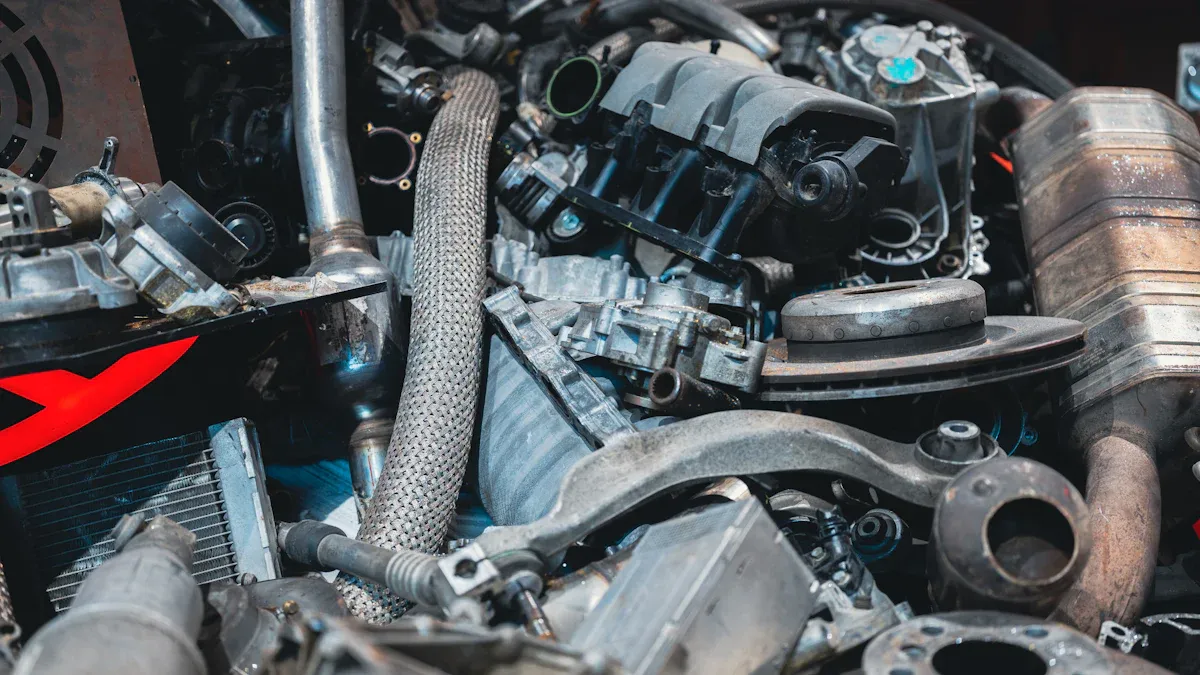
Your vehicle relies on a steady supply of pushed liquid to stay working. The car oil pump powers this important oiling system. First, the mechanical pump pulls oil from the pan underneath. Next, it pushes the pressurized fluid through inside engine paths. This steady flow spreads a thin protective layer over all moving metal parts. Constant fluid pressure prevents rough metal-on-metal rubbing while driving. The moving liquid also lowers extreme heat across inside parts. Without a constant flow, main parts will break completely.
Key TakeawaysA ignored oil pump is a major cause of a total engine replacement, which can cost several thousand dollars.
The oil pump acts as your engine's heart by steadily pushing protective fluid through important moving parts.
Positive displacement pumps provide steady oil pressure when starting a cold engine and driving fast.
Pressurized oil creates a strong liquid cushion that stops harsh metal-on-metal friction and prevents costly engine damage.
Moving oil soaks up intense heat from hot engine parts to stop them from bending and melting.
This moving liquid sweeps dirt and tiny metal bits into the oil filter, which keeps the inside pathways clean.
Red dashboard lights and strange ticking noises show dangerous oil pressure drops that need quick care.
Getting your oil changed regularly keeps the intake screen clean and helps the fluid stay at the right thickness for a smooth ride.
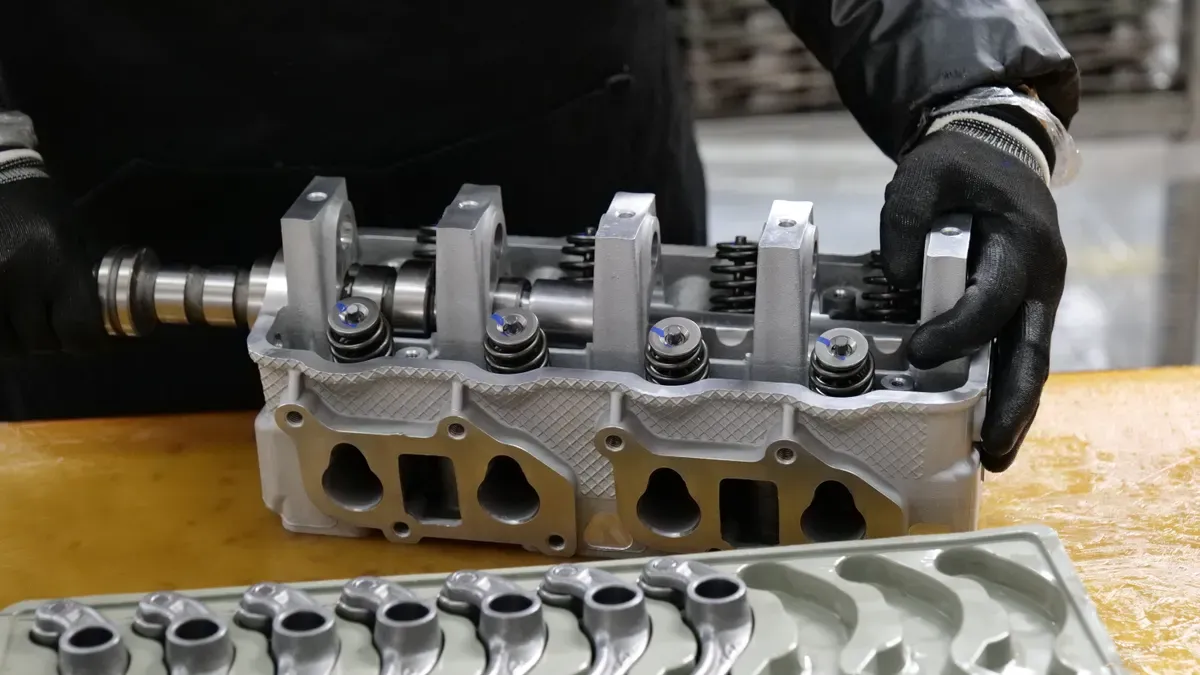
Think of your car oil pump as the heart of your engine's protection network. This mechanical device powers the whole oil system by pushing fluid through small paths called galleries. These inner channels direct liquid straight to important moving parts. You need this steady flow to cushion metal surfaces while driving.
Your oil pump works as a positive displacement pump. This design forces a set amount of fluid through the engine with every full spin. The system keeps pushing liquid forward no matter how much resistance it faces. You receive steady oil flow even when cold weather thickens the fluid.
Without pressurized fluid, metal parts quickly grind against each other. This harsh rubbing creates dangerous heat inside your motor in just seconds. You risk melting delicate engine bearings if fluid stops flowing smoothly. A total loss of oil pressure causes fast part damage.
You prevent major engine damage because pressurized liquid forms a protective barrier. This liquid shield keeps heavy crankshaft journals apart from soft metal bearings. You protect your vehicle from sudden engine failure by keeping this strong layer of liquid armor intact.
|
Aspect |
Gerotor Pump |
Gear-type Pump |
|---|---|---|
|
Filling Cycle Duration |
180° of crankshaft rotation (4 lobes) |
51° of crankshaft rotation (14 teeth) |
|
Cavitation Risk |
Lower due to smoother filling over longer period |
Higher due to rapid filling, pulling gas/air |
|
Noise Level |
Quieter, less pressure pulsing |
Louder, clicking of gears |
|
Heat Generation |
Less heat generated (fewer pumping cycles per minute) |
More heat generated |
|
Pressure Pulsation |
Smoother, less pulsing |
Noticeable pulsing, contributes to cavitation |
Engine makers place oil pumps inside or outside the block depending on available space. Internal pumps sit in the oil pan or connect straight to the front crankshaft. This simple layout saves space inside tight engine bays. External pumps attach to the outer block wall and get power from a special belt or drive shaft.
Gerotor designs use an inner gear that turns inside a larger outer ring. The inner star shape has fewer teeth than the outer ring. This offset shape creates opening spaces that pull fluid into the pump. The closing spaces then force liquid out under high pressure.
Gear-type pumps use two meshing gears to carry liquid along the wall edges. As the gear teeth separate, they pull fluid up from the pan pickup tube. When the gear teeth lock back together, they push fluid into the main channel. Both styles deliver steady pressure to protect your engine.
The Step-by-Step Mechanical Process of Oil CirculationOil sits in the pan underneath your car. Your engine starts, and the mechanical parts turn fast. This spinning creates strong suction inside the lower oil pan. The liquid moves up through a tiny metal tube called the pickup tube. This tube connects the oil pan straight to the pump inlet.
The pickup tube must sit deep below the oil level. Fluid stays at the bottom while you drive along. The inlet tube pulls oil up constantly without taking in air bubbles. Smooth fluid movement fills the inner intake path throughout your whole trip.
A mesh screen covers the open bottom of the intake pipe. This wire screen acts as a primary strainer inside the lower pan. You safeguard internal passages because the screen catches large metal flakes and dirt. Heavy trash stays in the pan instead of entering narrow spaces.
Clean fluid moves past the wire mesh screen safely. The fluid enters the intake pipe without carrying sharp particles. This early filtering step stops bad scratches inside narrow pump wall spaces.
The engine turns the main shaft to rotate the inner gears. This turning force begins the pressure cycle inside the tight pump housing. The spinning gears make sealed spaces that fill with oil continuously. The turning parts push these trapped oil pockets along the inner wall.
The main gear spins clockwise to pull fluid from the bottom pan.
Interlocking gears form tiny closed spaces that fill completely with fluid.
Turning parts push these trapped oil spaces forward along inner walls.
The spinning motion pushes fluid out the exit under growing force.
The pump moves a set amount each turn to boost pressure.
This push action keeps liquid moving forward all the time. The constant spinning forces fluid along no matter how hard it pushes back.
Pressurized fluid flows out the pump exit toward the main channels. The fluid takes a set route to cushion every moving surface.
The oil pump pulls liquid from the pan using the intake tube.
The pump squeezes the liquid to create steady flow.
Pressurized fluid passes through the filter to clear out dirt.
Liquid travels through main channels along the engine block.
Small paths guide fluid to vital parts, like the crankshaft bearings.
Liquid forms a thin cushion on crankshaft parts to stop friction.
You can track typical fluid force levels across different driving styles using standard gauge numbers.
|
Condition |
Pressure Range |
|---|---|
|
Cruising |
25-65 PSI |
|
Hot idle |
10-20 PSI |
Different vehicle designs need specific basic pressure levels to run right. A regular car works within a normal range of 30-40 PSI during basic driving. High driving speeds need matching pressure boosts to shield fast parts.
Approximately 10 psi of oil pressure is needed for every 1,000 rpm.
Fast driving makes inside pump gears turn much faster. Rapid spinning pushes too much liquid through narrow channels. A spring valve balances the fluid force to protect the main system.
The valve opens when oil pressure gets too high, letting extra fluid bypass to lower force.
By opening, the relief valve lets extra oil bypass main channels to lower force safely.
When the motor idles, the spring valve closes to keep basic fluid pressure strong.
The safety valve prevents dangerous blockages, stopping a sudden loss of oil force.
The mechanical spring pushes against a small internal valve bypass piston. High fluid force pushes the spring back to bleed off extra liquid safely. This steady valve action maintains balanced force while speed changes.
Stuck safety valves create bad problems for internal motor parts. Excess fluid force causes major hardware damage across your car.
High oil pressure at idle happens even when the car sits still.
Too much pressure strains soft gaskets, causing fluid leaks from the engine block.
Clear oil puddles under your car show that fluid force is out of control.
Excessive pressure can pop oil plugs, causing rapid fluid loss and low force.
Internal parts lose their oil supply, leading to high heat and total failure.
Extreme pressure can break the oil filter seal, causing a bad leak fast.
Excess fluid drains back down into the lower oil pan directly. Moving extra fluid saves outer rubber gaskets and soft seals from breaking open. Controlled internal pressure keeps seals strong and ensures safe daily driving.
How Pressurized Oil Prevents Metal Friction and WearYour car pump shields moving engine parts by pushing oil into small gaps. A spinning shaft tries to climb the bearing side during movement. This action starts dynamic fluid protection inside the system. Microscopic oil layers slide past each other smoothly. The quick motion builds a thick liquid wedge between metal surfaces. This wedge creates extreme force that reaches up to 6,000 psi. Heavy force lifts the parts apart to stop metal contact.
Faster shaft spinning makes this protective liquid layer much thicker. High speed pushes extra fluid directly into narrow contact spaces. Fast moving parts use special squeezing actions to handle heavy shocks. Extra time is needed to push liquid out sideways. This extra time creates a strong cushion for moving parts. You keep fast components floating safely without touching inner walls.
Heavy forces push down hard on inside parts while you accelerate. You need strong fluid layers to resist this heavy weight. Proper mechanical gaps help the oil layer build force under loads. Thin layers of fluid absorb hard shocks from engine firing.
A peer-reviewed study in Combustion Engines (2018) confirmed this under real operating conditions, finding that fuel dilution reaching approximately 30% caused kinematic viscosity to fall to just 7.7 mm²/s, measurably below the standard grade, directly compromising the oil film's ability to protect bearing surfaces under load.
You prevent fast surface damage by keeping clean oil inside your motor. Pure fluid stays thick even under high pressure and stress. Strong liquid layers keep metal parts floating safely during long drives.
Crankshaft parts spin constantly inside soft metal bearing slots. Pressurized fluid enters through small paths drilled into the block. The liquid spreads across spinning surfaces right away. This steady flow builds a smooth oil layer inside bearing spaces.
Connecting rod parts get fresh oil under continuous system pressure. The fluid cushion absorbs heavy pounding from fast moving pistons. Soft bearing surfaces stay smooth because metal parts never rub. You protect main bearings by keeping a steady fluid flow.
Camshaft lobes spin fast against lifters near the engine top. These contact points face high friction from strong valve springs. The pump pushes oil directly up into cylinder head channels. Continuous delivery covers valve lifters with a lasting shield.
Proper fluid flow stops lifters from scraping against hard cam lobes. Smooth liquid movement lowers heat build-up along valve train parts. Valve parts move easily without sticking or scraping metal walls. You enjoy quiet driving and great power from constant fluid protection.
Essential Engine Protection Beyond Friction ReductionMotor oil helps cool internal car parts. Moving liquid absorbs heat directly from hot parts inside. It carries heat away to keep normal running temperatures. Without this cooling action, metal parts warp or melt from intense heat.
Heated liquid travels through a special oil cooler. Heat moves directly into metal cooler surfaces. Air flowing over these surfaces carries heat away. This constant cooling protects your car during tough driving.
Burning fuel heats engine pistons all the time. Pressurized liquid sprays directly onto hot piston undersides. This liquid stream absorbs high heat from piston tops right away. Proper fluid flow stops piston tops from cracking under heavy heat.
Fluid also coats inner cylinder walls smoothly. Moving liquid absorbs extra heat made by friction. The liquid carries heat back to the pan continuously. You keep stable running conditions across all cylinder surfaces during long drives.
Friction creates tiny metal dust inside inner spaces. Moving fluid washes these metal particles away from tight gaps. Constant flow stops rough grit from scratching metal surfaces. Clean fluid movement shields inner engine parts against fast wear.
Oil begins its journey in the oil pan... it’s pushed by the oil pump through the oil filter, which is a critical checkpoint that traps dirt, debris, metal shavings, and sludge before clean oil reaches the moving components inside of your engine.
Small oil paths feed liquid straight to moving parts. Fast fluid motion washes away soft carbon bits before sludge builds up. You prevent clogs inside tiny channels by keeping fluid moving. Open channels make sure every part gets clean liquid right away.
Trapped dirt stays inside the oil filter cartridge. Clean liquid leaves the filter body to start its safe path again. You safeguard inner paths through regular vehicle service. Constant flow keeps narrow paths free from harmful buildup.
Modern cars use pressurized fluid to adjust valve timing quickly. Strong fluid force moves camshaft positions inside phaser units. The mechanical pump powers these hydraulic parts during fast acceleration.
Proper pressure allows fast reaction times from cam phasers. Variable timing improves overall vehicle power during daily driving. You get smooth power delivery across all speeds through steady fluid force.
Timing chains need constant push force to stay aligned. Pressurized liquid pushes inner hydraulic pins against chain guides. This steady push keeps proper chain tension during speed changes.
Porsche VarioCam valve timing uses hydraulically actuated chain tensioners and cam adjusters that depend on fluid pressure to operate correctly.
Low fluid force at idle creates timing chain noise without actual physical chain wear.
Internal tensioner check valves can fail from thick sludge, causing cold-start rattle.
Your car checks fluid push to protect inside parts. The dashboard alerts you right away when fluid force drops low. You must stop driving fast to save your engine from total damage.
|
Warning Light |
Appearance |
Meaning |
Action |
|---|---|---|---|
|
Low pressure light |
Red genie lamp or oil can icon |
Problem with fluid force, risk of severe engine damage |
Stop safely, check oil level, tow vehicle to repair shop |
You should check your dashboard meters often while driving. A fast drop in fluid push signals real mechanical trouble. Lower force shows your car oil pump cannot push liquid through tight paths.
The pump fails to keep a liquid shield over metal parts. Low force stops fluid from reaching top cylinder parts. You risk fast part damage if you ignore falling gauge readings on the road.
Low fluid flow makes sharp clicking sounds near top engine valves. Valve parts need constant liquid to move cleanly. Without steady flow, top parts click loud against dry metal walls.
Inside pump parts also make strange noises as they wear down over time. You might hear high whining or grinding right from the pump body. These loud sounds show that inside parts cannot push liquid safely anymore.
A heavy thumping sound from the lower engine block signals big trouble. This deep noise is a common sign of bad pump failure. Metal parts rub hard together when fluid push drops to zero.
Without a liquid cushion, heavy rod parts slam hard into the crankshaft. This harsh rubbing ruins soft bearing liners in just a few short minutes. You must shut off your engine right away to stop total ruin.
Poor liquid flow stops the system from pulling heat out of hot spaces. Engine parts get hot fast because fluid cannot carry heat down to the pan. Extreme heat makes soft metal parts bend or snap.
Bad pump seals let liquid leak out around the pump case. This escaping fluid makes a clear burning smell inside your car. You should check your vehicle right away when you notice burning oil smells.
A sudden loss of speed acts as an early warning of pump trouble. High rubbing makes heavy drag inside moving motor parts. Your car fights to speed up smoothly and loses power during daily highway drives.
Extra inside drag wastes energy that usually turns your wheels. Slow pickup shows that inside parts are grinding together. You need to fix low push fast to bring back safe power.
Key Practices to Maintain Oil Pump Performance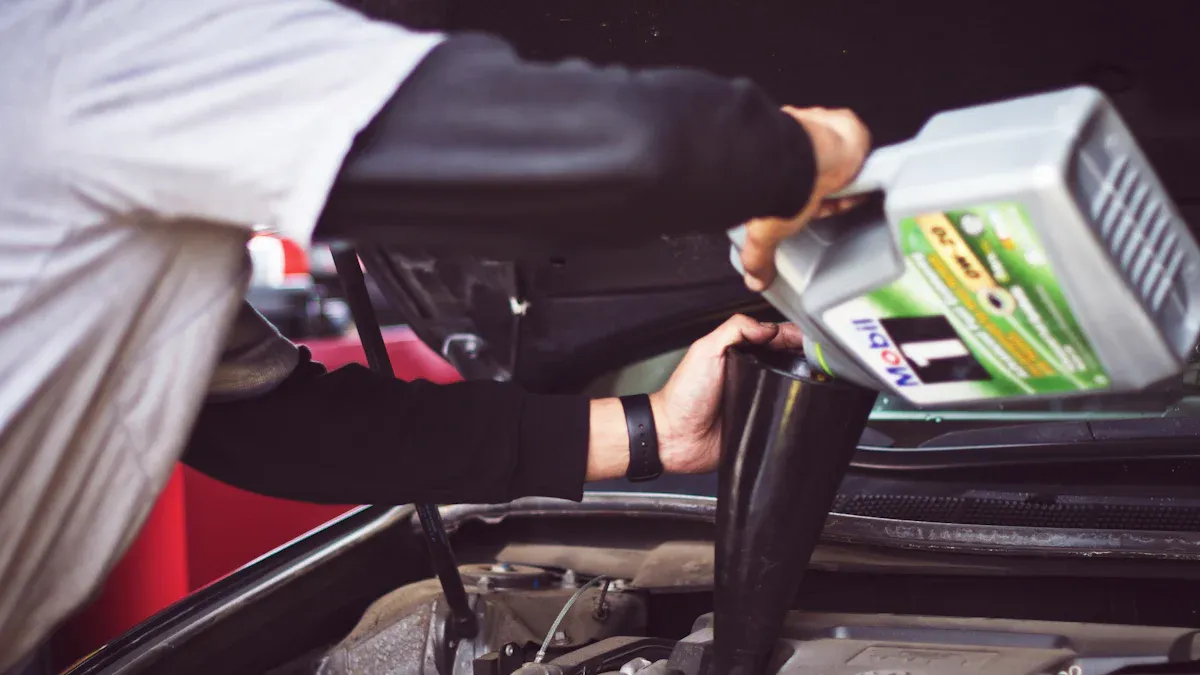
Changing dirty oil at proper times protects your engine parts. Fresh liquid moves easily inside tight paths. Long drives and engine heat make old fluid thin out. Over time, worn fluid stops offering a thick protective shield. You must swap the oil and filter together to keep everything clean.
Regular care keeps your car running smoothly every single day. Fresh fluid cushions metal parts when under heavy stress. Essential protective chemicals break down over many months of driving. New liquid handles high heat well and stops parts from grinding together.
A dirty motor builds up thick dark sludge in the bottom pan. This gunk slowly covers the wire screen on the lower intake pipe. Heavy sludge blocks fluid from entering the pump system. Blocking this main intake screen starves inner paths of liquid.
Simple routine care costs much less than fixing broken engine parts. Changing old fluid cleans out trapped dirt and small metal dust. Flushing away dirt stops bad blockages inside small inner paths. A clean intake screen lets liquid flow smoothly for your whole trip.
Always choose the exact oil weight recommended by your car maker. Cold weather makes liquid thick inside your sitting engine. Using correct cold-weather fluid lets oil move fast when turning the key. Quick flow stops instant rubbing during key morning starts.
Never drive fast before your engine has time to warm up. Cold liquid travels slowly through narrow bearing spaces. Let your car idle briefly so fluid reaches top engine parts safely. Good liquid movement protects tiny moving parts from quick damage.
Good lubricants stay thick even under high engine heat. Thicker fluid protects heavy spinning shafts during fast driving. Using proper oil types stops bad pressure drops when parts get hot. Steady fluid force keeps metal parts floating safely apart.
Check your fluid levels and dashboard warning lights often. Listen closely for any strange rubbing sounds inside your motor. Change your oil on time to keep liquid thickness right. Quick expert checks catch small leaks before big damage occurs. Proper care lengthens engine life and preserves good power.
Continuous operation of your car oil pump sustains total engine life by circulating vital fluid under constant pressure. This steady fluid movement prevents metal friction, minimizes component wear, and improves overall fuel efficiency.
Proper fluid pressure protects moving components, lowers internal resistance, and prevents severe thermal damage during daily drives.
Adequate oil flow prevents sudden mechanical failure and avoids high repair costs. Clean oil shields delicate internal hardware under heavy driving loads. Fresh oil cushions fast moving parts smoothly. You must react immediately to low pressure warnings on your dashboard. Adhere to strict maintenance routines to keep your car running safely.
FAQNo, you must pull over and stop right away. That red warning light means your oil pressure has dropped to a dangerous level. Running your engine without proper oil flow quickly grinds metal parts together and ruins your bearings. Turn off your car immediately to avoid totally destroying your motor.
Your engine needs about 10 PSI of oil pressure for every 1,000 RPM. Normal driving speeds usually need between 25 and 65 PSI to run safely. When your car sits idling with a warm engine, the pressure drops down to about 10 to 20 PSI.
Skipping regular oil changes creates thick sludge at the bottom of your pan. This heavy gunk blocks the intake screen and stops oil from moving. Worn internal gears, stuck valves, and dirty fluid also stop the system from building good pressure over time.
Yes, a bad pump makes clear mechanical noises. You will hear sharp ticking from the top of the engine when oil stops reaching the valve lifters. The bottom of the engine will make a deep knocking sound as dry rod parts hit the crankshaft.
High engine speeds push too much oil through tiny inside paths. The mechanical relief valve opens up under heavy push to drain off extra liquid safely. This constant balance sends extra oil back to the pan so soft rubber seals do not burst open.
The oil pump works as the main heart of your car's oil system. It pulls fluid from the bottom pan, squeezes it under pressure, and pushes it through inside paths. This steady flow creates a protective cushion over fast spinning metal parts.
Please leave your requirements and contact information, and we will send you the quotation information as soon as possible.