Date: 2026.08.19 Click: 4
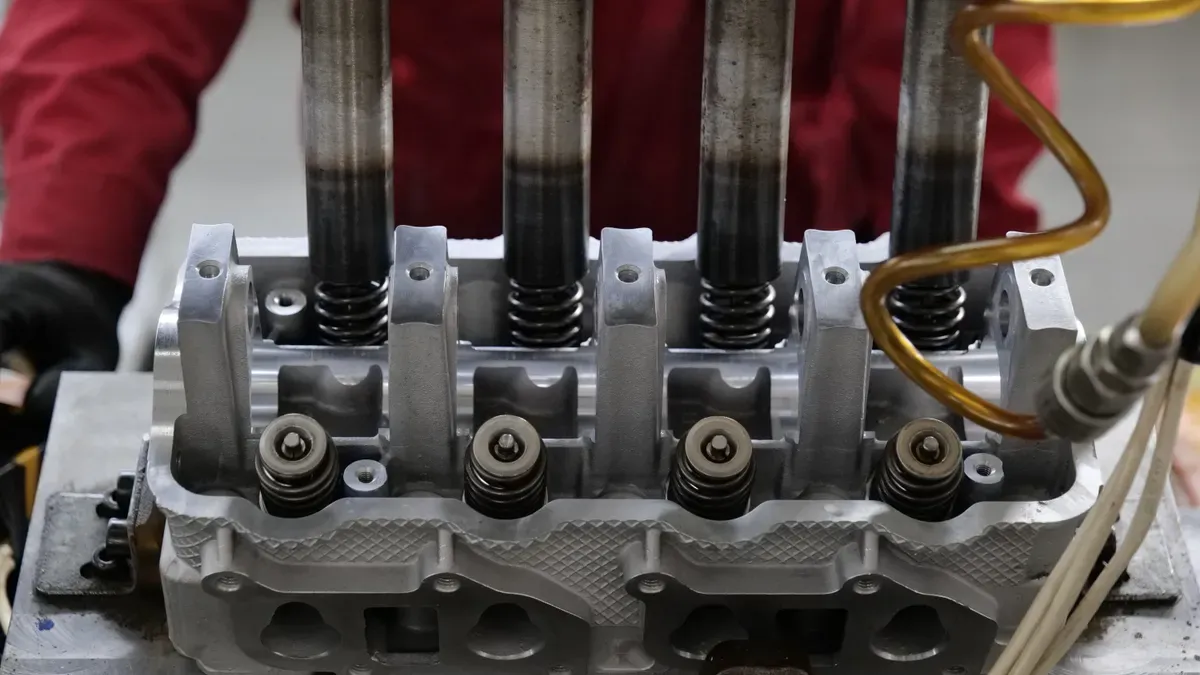
You rely on your car every day, but you might not know what powers it under the hood. The cylinder block acts as the main base inside a car's engine. This large metal block holds up the heaviest mechanical parts and keeps the engine stable.
Inside this strong frame, pistons move up and down in smooth tubes to turn fuel into movement. The block holds in hot explosions while safely handling high pressure. Special paths inside it constantly carry coolant and oil around hot areas. Your engine depends on this important center to keep running smoothly every single mile.
Key TakeawaysThe cylinder block acts as the sturdy base for your car engine.
Smooth inner tubes direct sliding pistons to change burning fuel into usable power.
Auto manufacturers choose strong iron for long-lasting toughness or lightweight aluminum to help vehicles get superior gas mileage.
Getting regular oil changes and flushing your coolant will keep your engine block safe from expensive damage.
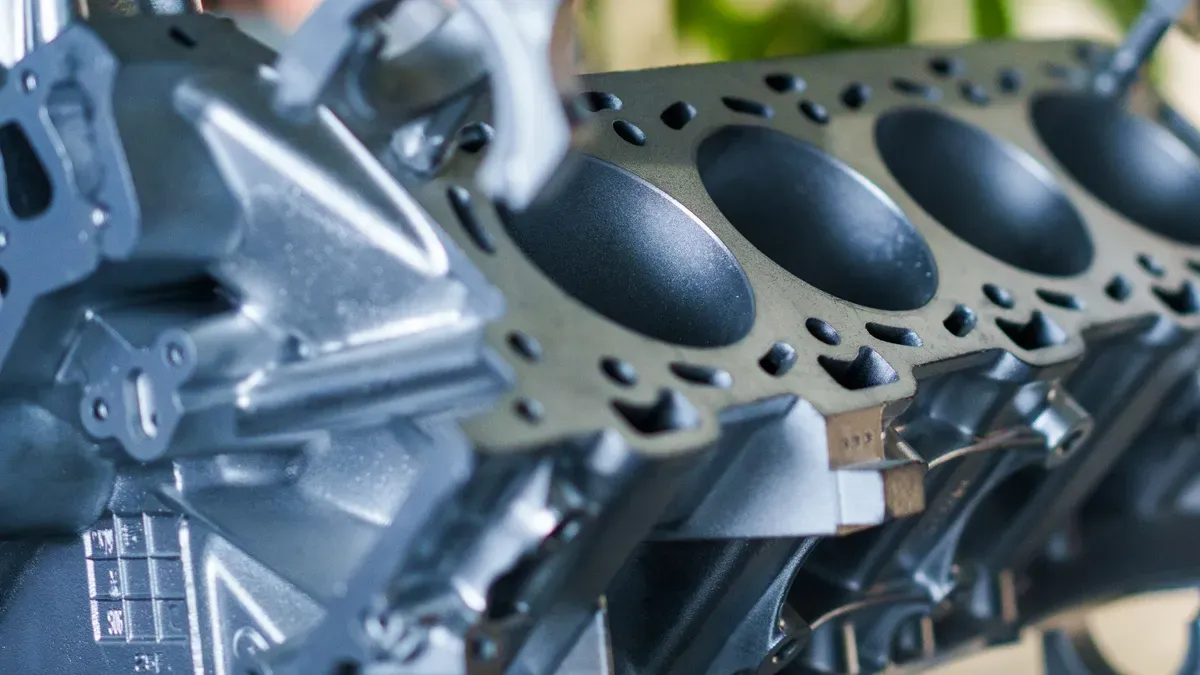
Think of the cylinder block as the main base for your car. It is the biggest metal part inside the engine. Factory workers melt and mold this heavy metal block to handle strong forces. Every gas engine needs this tough frame to keep its moving parts steady. Without this main body, your car cannot make any power to drive.
The cylinder block acts as the strong spine for your entire car engine. Mechanics use special tools to smooth and shape the inside of the frame. These careful steps adjust the main shaft holes to very exact measurements. Right-sized holes keep the crankshaft and camshaft lined up with each other. Good alignment keeps the timing chain tight so the engine stays in sync. Moving the crankshaft just 0.005 inch closer to the camshaft makes the chain much looser. You must use shorter chains to fix that small space change. Exact shaping inside the block gives you a reliable base for perfect timing.
This heavy metal frame soaks up high heat and strong crushing forces while running. Fuel burns inside closed tubes, but the thick metal walls contain the blast. The solid frame shields nearby parts from getting too hot and breaking. You get a firm base that will not twist when you step on the gas. This tough build keeps all inner parts moving smoothly, quietly, and easily.
Inside this main metal box, several important parts work side by side. Careful drilling creates smooth paths and firm spots for every single piece.
Cylinder bores: Smooth round tubes guide your pistons up and down safely. Each single tube holds hot burning gases inside without leaking.
Crankshaft and main bearings: The bottom area holds the spinning crankshaft tight. Main bearings shield this long bar as it turns up-and-down movement into spinning power.
Oil passages: Small drilled tubes send clean oil right to fast-moving parts. Steady oil flow stops rubbing damage inside your engine block.
Coolant jackets: Empty spaces wrap around every hot burning zone. Liquid coolant runs through these spots to pull heat away from key engine parts.
Camshaft tunnels: Some engine builds have inner rooms for the camshaft. Pushrod setups use these tunnels to open air and gas valves at the right time.
Every engine relies on this neat frame to hold parts straight under heavy stress. Firm mounting spots hold outer parts like the water pump right on the side walls. Heavy bolts clamp the cylinder head tightly onto the flat top surface. The cylinder block joins these loose parts into one working machine. You get smooth drive power because all these inner parts work together like clockwork.
How an Engine Block Works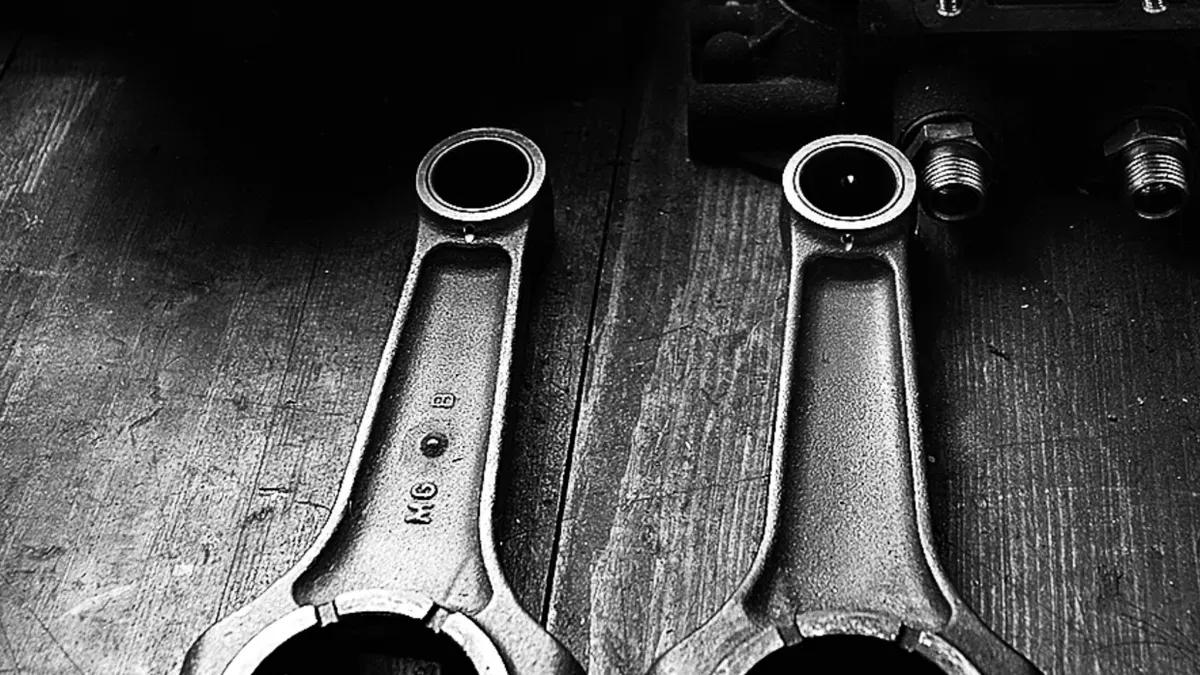
You rely on the cylinder block to convert heat energy into real vehicle motion every time you drive. Fuel burns inside each sealed space to push pistons downward with extreme force. These pistons move up and down in continuous cycles within every smooth wall. This up-and-down motion drives the spinning mechanism underneath.
You can understand the inner process by watching how pistons move inside the bore. The burning fuel creates expanding gases that force each piston down rapidly. Connecting rods transfer this downward push directly to the crankshaft pins. The rotating crankshaft turns this straight motion into powerful rotation for your wheels. Each individual cylinder must withstand high pressure during every combustion stroke.
The block uses cast-in ribbing for structural strength and to lessen vibrations. The 'deep skirt' meaning the bottom edge of the block extends well below the crankshaft's centerline, which also allows for a superior mating surface with the transmission.
Engine builders design specific skirt styles to increase overall frame stiffness. The structural layout directly changes how your car handles continuous mechanical stress.
Deep skirts give extra frame support while keeping engine shake, sound, and roughness under full control.
A deep-skirt block brings great overall strength, making it very helpful for light aluminum engine builds.
Using deep skirts with shallow oil pans causes draining issues, but you still get great frame strength.
This structural design holds critical parts steady under heavy loads. Smooth wall surfaces help maintain tight seals around moving piston rings. Proper seals prevent pressurized combustion gases from escaping into the lower crankcase area.
Your engine block regulates intense internal operating heat through cast fluid networks. Burning fuel generates thousands of degrees of heat during normal driver operation. Hollow passages surround each combustion area to direct liquid coolant continuously through the metal. Heat moves from the hot metal walls into the flowing liquid. The water pump pushes heated coolant outward toward your front radiator. Air removes the heat before liquid returns to cool the metal again.
An engine block also features internal oil channels to prevent rapid wearing of metal components. The oil pump forces fresh lubricant through micro-drilled passages under high pressure. This pressurization delivers clean oil directly to spinning main bearings and connecting rod journals. The protective liquid film keeps fast-moving metal parts separated during heavy load conditions. Proper lubrication reduces internal friction while removing tiny wear particles from spinning surfaces. These dual fluid networks protect your engine from severe thermal damage during daily operation.
Engine Block Materials: Cast Iron vs. AluminumYou must choose the right engine block material to balance strength, weight, and car speed. Automakers used heavy iron for a long time to build strong blocks that last. Today, car companies also offer light metal options for drivers who want better gas mileage.
Cast iron stays very strong under constant engine stress. This heavy metal soaks up engine shakes so inner parts run smoothly. The tough frame keeps your engine from bending when high pressures build up inside. Big trucks and heavy work vehicles often use these strong iron blocks.
Engine makers like cast iron because it handles high heat and rubbing very well. The thick metal does not bend out of shape during hard towing or fast driving. Iron also resists wear over many years and miles of driving. Common cast iron metals have these exact strength numbers:
|
Property |
Value |
|---|---|
|
Tensile Strength |
250–350 MPa |
|
Hardness (Brinell) |
180–240 HB |
Car makers now often choose aluminum metal to make lighter cars. An aluminum engine block weighs much less than an old iron one. Aluminum moves hot heat away from burning fuel very quickly. This fast cooling keeps the inside of your engine at a safe temp while you drive.
Less weight in the front makes your car turn and steer much better every day. A lighter frame puts less stress on your tires, brakes, and shocks. This lighter block helps your car use less gas and run better. You get a fast car that saves you money on fuel over time.
Symptoms of a Damaged Engine BlockAluminum engine blocks weigh 60 to 100 pounds less than iron blocks, which helps cut down on pollution. Studies show that cutting 100 pounds of car weight improves gas mileage by 1 to 2 percent.
A broken cylinder block makes your car run very poorly. High heat causes the metal to crack over time. You might see puddles under your car from an engine coolant leak. Fluid leaks through small cracks in the frame and onto your driveway. Burning fuel rapidly overheats the system when fluid drops too low. Exhaust pipes blow thick white smoke when liquid enters the inner combustion area.
Inner cracks also let fluids mix inside the main paths. Oil turns into thick, milky slush when coolant gets into oil channels. Dirty oil loses its slippery coating and causes fast mechanical wear. Escaping combustion gases lower compression inside each cylinder bore. Loss of pressure causes rough idling, misfires, and sudden stalling. You must fix these warnings quickly to prevent massive engine problems.
Regular care protects your engine block from early wear. Old coolant turns acidic and eats metal walls from the inside. You must flush your cooling system based on your owner manual schedule. Fresh fluid removes harmful dirt and keeps working temps stable. Clean fluid prevents hot spots that bend heavy metal frames.
Regular oil changes protect inner surfaces from dangerous rubbing. Fresh oil cleans fast-spinning shafts and lowers heat inside the engine. Avoiding thermal shock prevents a damaged cylinder block in cold winter weather. Letting your car warm up slowly reduces sudden stress on cold metal. Ignoring basic maintenance leads to very costly repairs:
|
Method |
Cost Range |
|---|---|
|
Crack repair (metal stitching) |
$800 – $2,500 |
|
Full engine replacement |
$4,000 – $8,000+ |
Paying for simple fluid flushes today keeps your engine running strong for years.
The cylinder block acts as a strong spine for your car. This tough metal base holds all main internal parts together safely. It traps hot burning pressure while turning gas into smooth driving power. You rely on this main frame to drive safely every single day.
You protect your car by noticing early signs of mechanical trouble. Catching a quick fluid leak lets you fix small issues before big damage happens. Doing regular coolant flushes and oil changes protects your engine block from dangerous rubbing. Easy basic care keeps your engine healthy, safe, and dependable for a very long time.
FAQYes, mechanics can fix minor cracks with special metal stitching tools. However, severe damage usually means you need a full engine replacement. You must fix small liquid leaks right away to protect your cylinder walls.
Car makers pick aluminum metal to make the vehicle weigh less. A lighter frame helps you save gas and steer much easier. Aluminum also spreads heat fast to keep the engine at a safe temp.
Too much heat bends flat metal surfaces and breaks thick outer walls. Overheating ruins soft seals and lets liquid coolant mix with engine oil. This slushy mess stops smooth oil flow, causing bad engine damage.
You protect your engine by changing oil and flushing coolant on time. Clean fluids wash away dirt, stop rubbing damage, and prevent acid build. You should also let your car warm up during cold winters.
Please leave your requirements and contact information, and we will send you the quotation information as soon as possible.