Date: 2026.08.19 Click: 2
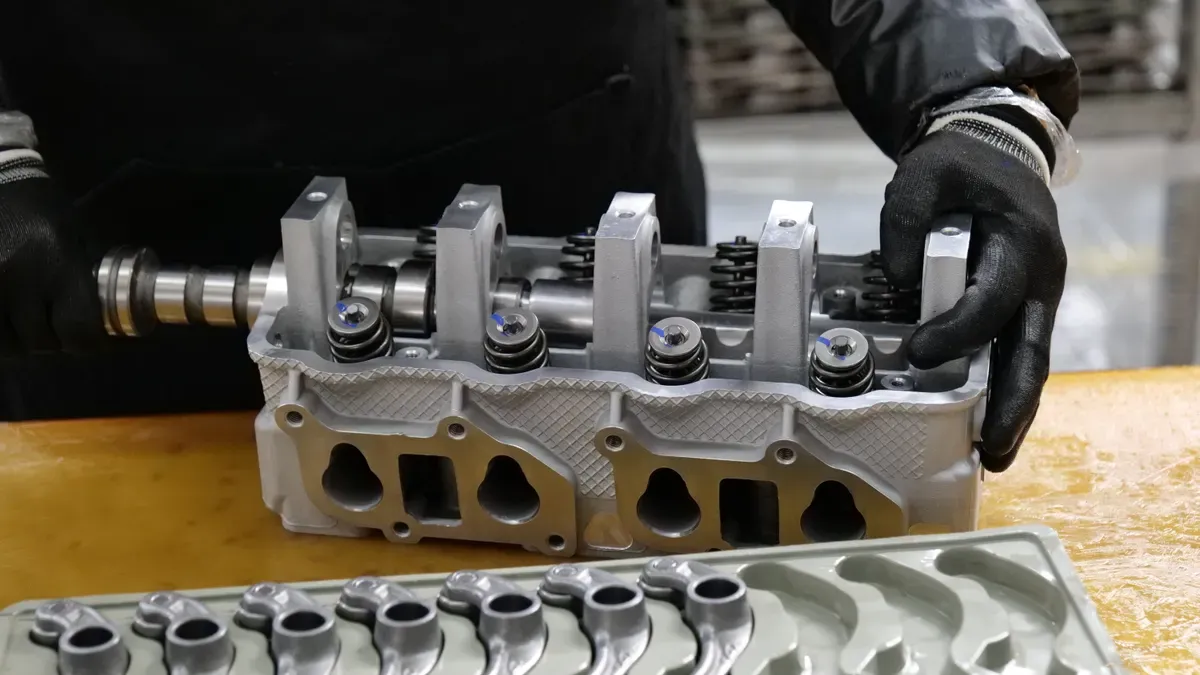
In an internal combustion engine, the cylinder head attaches to the engine block and covers the top engine cylinders.
The engine cylinder head is an important part of every engine. It bolts onto the engine block and seals with the cylinder head gasket, closing the combustion chamber.
You should perform regular maintenance on your vehicle to avoid major damage. Ignoring minor issues quickly leads to huge engine repair bills. Extreme heat harms a heavy diesel system or a basic diesel engine cylinder head over time. Proper care keeps you from needing precise cylinder head machining work later.
Key TakeawaysCylinder heads seal the burning chambers and control the vital flow of air, fuel, and exhaust.
Engine gauges showing high heat and milky oil mean you have major cylinder head damage or leaks.
Machining methods smooth out bent metal and swap old valve guides to bring back power.
Powerful diesel engines need careful checks for cracks and seal leaks every 100,000 miles.
Checking your coolant often and changing your oil regularly can stop nearly one-third of normal engine problems.
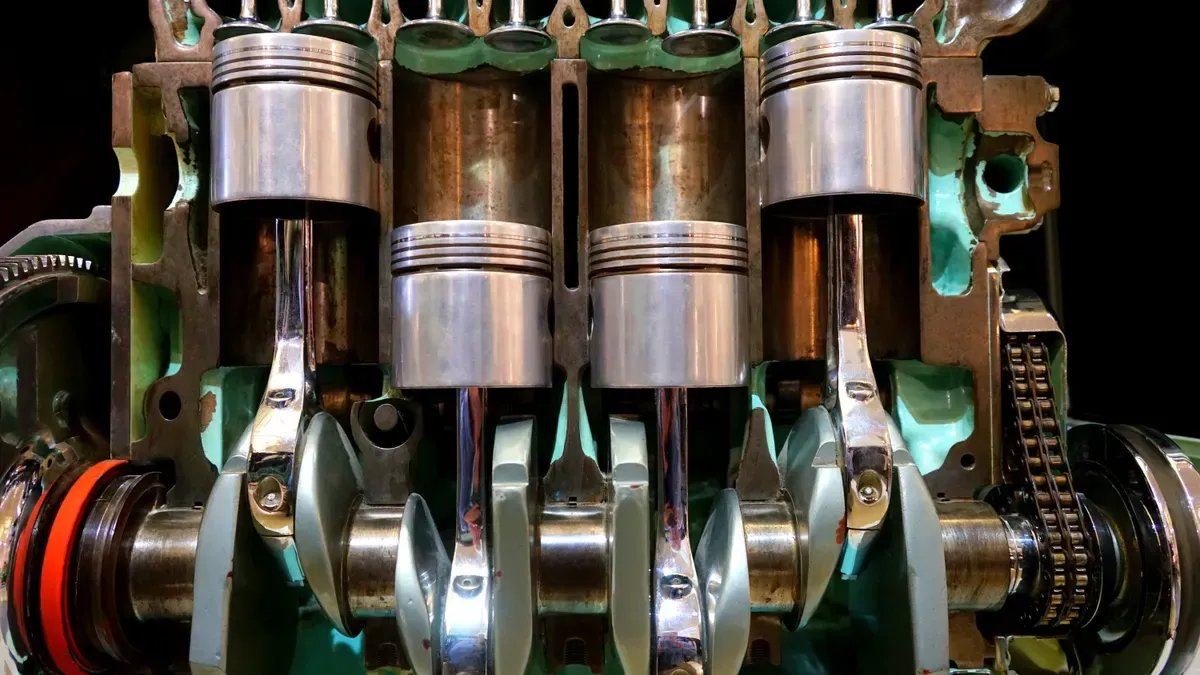
You rely on the cylinder head to move fluids and air through your engine block. This part has paths for fuel, air, exhaust gases, and coolant. Fuel injectors spray fuel directly into the combustion chamber or intake ports. Intake and exhaust ports bring fresh air inside and release burnt gases after burning.
To control these gas cycles, valve hardware opens and closes against high pressure. Variable valve timing systems use cam phasers and oil valves to adjust camshaft positions. Engine oil pressure moves the phaser to adjust valve timing while you drive. You can see how these internal parts control the whole process:
|
Component |
Role in Valve Timing and Operation |
|---|---|
|
Camshaft |
Spins with shaped lobes that push rocker arms or lifters, opening valves at exact engine positions. |
|
Rocker Arm |
Lever that moves motion from the camshaft to the valve stem, changing how far valves open. |
|
Valve Spring |
Pushes the valve closed after the cam lobe passes, keeping a tight seal for proper timing. |
|
Valve Clearance Adjuster |
Keeps the right space between rocker arms and valve stems, stopping timing issues from engine heat. |
|
Rocker Shaft |
Acts as a steady pivot bar for rocker arms, ensuring smooth and regular movement. |
Your engine runs much better when the cylinder head improves airflow and controls power. Smooth intake paths mix fuel better, remove air flow limits, and stop rough air movement. A well-shaped chamber helps burn all the fuel, which creates more power and cuts waste.
Every single measurement inside the cylinder head changes how your fuel burns:
Airflow optimization: Reducing flow blockages in the intake and exhaust paths increases power and saves fuel.
Valve placement and design: Big valves let more air and fuel inside, but you must balance valve size with port width to keep air moving fast.
Compression ratio: The cylinder head shape changes your compression ratio; higher ratios create extra power, but you must tune them to stop engine knock.
A cracked cylinder head stops your car's cooling system from working right. High heat in the combustion chamber creates stress that breaks metal and gaskets. Because of this, your temperature gauge goes up fast while driving.
You might lose coolant without seeing any wet spots under your car. Heat pushes coolant into combustion chambers through tiny cracks inside the engine. You have to add extra coolant often to keep the tank full. Bubbles in the radiator also show that hot gas is leaking.
Mixing fluid inside the engine causes big trouble for your vehicle. Coolant mixes into engine oil, turning it into a light, milky mess. This bad mixture stops smooth lubrication and breaks moving metal parts. Seeing oil or coolant leaks on the engine means a gasket broke.
You can spot hidden leaks inside by checking coolant for exhaust gas. Lower the fluid, warm the engine, and test the air space above. Mix that air with a special liquid tester to check it. The liquid turns yellow if it finds any bad exhaust gas.
Noticing broken parts early keeps your whole engine from getting ruined. Gas and diesel engines show the same warning signs when overheating badly. High-power diesel trucks build up extra pressure, so fix them very fast.
Broken engine parts cause a major loss of air pressure inside. Air escapes through small cracks, so your vehicle loses its power fast. This makes the engine run rough, misfire, and slow down your ride.
Damage near the valves breaks tight pressure seals inside the engine:
Dropped valve seat: A loose ring lets air escape through the open valve space.
Broken valve spring: A snapped spring stops the valve from closing all the way.
Dropped valve retainer: Small metal pieces drop into the cylinder and block the piston.
Gas leaks out through broken parts and lowers your engine power. Engine fires fail when air leaks past worn seals inside the head. Leftover fuel flows into hot exhaust pipes, making your engine run poorly.
Thick white smoke from the tailpipe means your engine is broken. Burning coolant makes this white smoke and leaves a sweet smell behind. A sudden loss of pressure destroys internal parts in a hurry. You must replace bad parts right away to save your engine.
Ignoring engine misfires will destroy your whole car motor very quickly. Metal parts bend out of shape under heavy heat and pressure. You can avoid buying a new engine by fixing small cracks early.
Cylinder Head Machining and Repair Methods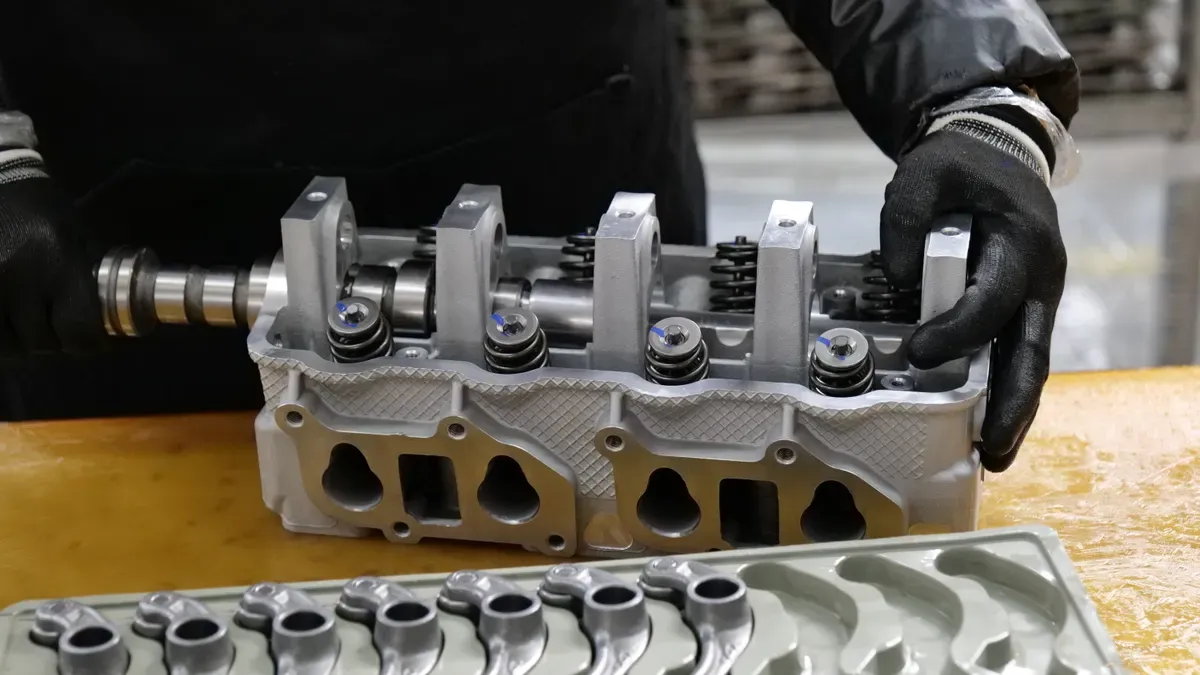
Fixing metal damage protects your overall engine health over time. High heat bends metal surfaces after long use. Trained mechanics run cylinder head machining to flatten metal and meet strict fix requirements.
Extreme heat bends aluminum heads during regular driving. Mechanics straighten aluminum parts by heating top areas with torch tools. Workers start near the middle and move outward. Keep head heat below 500°F to prevent soft metal.
A full cylinder head machining job follows simple steps to fix bad damage:
Free checks to inspect damage and check if parts can be saved.
Chamber mapping to find uneven spots across the metal surface.
Skilled welding to patch cracks or fix broken metal areas.
Valve seat and guide replacement whenever parts wear down.
CNC chamber machining to reshape the inner fire area.
CNC valve work to secure proper sealing and top performance.
Flat surfaces keep head gaskets tight under strong internal pressure. Mechanics flatten metal parts by resurfacing the deck. Special tools finish this custom cutting work very fast. One specialized line hone system uses an RMC CNC V40 machine center with 0.0001-inch accuracy. Resurfacing the deck removes every rough spot completely. You get steady fire room shapes using these exact machine setups.
You need an ACTIV SPINDLE programmable automatic valve guide-to-guide machining center for cylinder head seat refacing to guarantee smooth gas sealing.
Worn valve guides allow loose movement around moving valve stems. You can swap built-in guides with simple repair sleeves. This trick uses fewer shop tools than thin wall liners. Special equipment finishes this swap on cast iron or bronze parts.
You must follow an exact process for guide replacement:
Remove cylinder head from engine and disassemble all valves.
Use a stepped driver to press or drive out old valve guides from the combustion chamber side. Optionally heat the cylinder head to ease removal.
Clean and inspect the guide bores; if damaged, machine them oversize.
Press in new guides, typically by chilling the guides and slightly warming the head.
Finish-ream the inner diameter of the new guides to achieve correct valve stem clearance.
Recondition the valve seats to ensure concentricity with the new guides.
Mechanics use driver tools with hammers or air drivers here. Special cylinder head machining tools push old parts out safely.
Good valve setup needs high accuracy after guide installs finish. Always measure dimensions closely before final part assembly.
|
Requirement |
Specification |
Notes |
|---|---|---|
|
Valve installed height tolerance |
±0.020 inches from cam card recommendation |
Out-of-tolerance requires either machining the spring seat (if too short) or adding shims (if too tall). |
|
Spring tension consequences |
Too short → excessive spring tension; too tall → valve float or cam wear |
Must follow cam card recommended installed height to avoid weak or overly strong spring pressure. |
|
Retainer-to-seal clearance |
Measure distance from bottom of retainer to top of valve seal, then add 0.090 inch; result must exceed maximum cam lift |
If clearance is insufficient, machine the valve guide to achieve the needed clearance. |
Correct measurements make every complete valve repair work correctly. Mechanics finish valve repairs with extreme accuracy. Modern shops build precise valve setups using advanced cylinder head machining steps. Good cylinder head machining stops early part damage.
Diesel Engine Cylinder Head Service IntervalsYou must track work hours to protect your diesel engine cylinder head from breaking unexpectedly. Heavy work creates extreme heat inside every diesel combustion chamber. Regular care stops full power loss before minor wear destroys key diesel engine cylinder head components.
Heavy equipment runs constantly under hard loads. You need strict care schedules to keep your engine working well. Follow these regular service steps to protect your diesel engine cylinder head:
|
Service Interval |
Inspection / Action |
|---|---|
|
250–500 operating hours |
Visual checks (e.g., coolant leaks, warp) |
|
Major service milestones |
Full cylinder head inspection: flatness measurement and pressure testing |
|
Major service or when head is removed |
Deep cleaning to remove carbon and soot; verify flatness post-cleaning |
Heavy work needs a big fix after around 10,000 running hours. You clean soot out of each diesel combustion chamber during this job. Good care helps a marine diesel engine last much longer.
A top-end overhaul, which includes replacing or reconditioning the cylinder head along with valves, seals, and head gaskets, is typically scheduled around 20,000 hours on commercial marine engines.
This big service keeps your marine diesel engine strong during tough marine diesel work. Proper care keeps your setup dependable.
Plan full checks every 100,000 to 150,000 miles for road trucks. You catch small coolant leaks and cracks early. Mechanics use reliable ways to test each diesel engine cylinder head during routine work:
Dry magnetic particle inspection: Uses magnetic field and dry powder; works on cast iron only; detects surface/near-surface cracks.
Wet magnetic particle inspection: Similar to dry but uses fluorescent powder in oil carrier; flows into tiny cracks; messy, requires thorough cleaning.
Dye penetrant inspection: Ideal for aluminum; uses penetrating dye (visible or fluorescent); finds cracks and pinholes; three-step process (clean, apply, develop).
Pressure testing (wet or dry): Pressurizes head with air (20–25 psi); wet method submerges head to see bubbles; dry method sprays soapy water; detects leaks from cracks and pinholes, including those from gasket failures.
Vacuum testing: Pulls vacuum (~25 Hg) to check valve-to-seat seals; can indicate a leak but not its location; often used as final check.
These steps keep diesel combustion working safely. Proper tests stop hidden gasket leaks in your diesel engine cylinder head. Daily checks help every diesel engine cylinder head handle intense diesel combustion pressure. Checking your diesel engine cylinder head often ensures steady motor power.
Preventive Maintenance for System LongevityTaking care of the cooling system protects your diesel engine cylinder head. Heavy work causes heat to build up inside the combustion chamber. Good coolant levels move heat away from important metal surfaces. Check raw water pumps, heat exchangers, and radiator caps to stop heat.
Easy checks keep your cooling system working well:
Look at coolant levels every 3-6 months using the tank lines.
Check if the coolant looks rusty or milky from bad dirt.
Test coolant pH levels since numbers under 7.5 mean acid damage.
Check when the thermostat opens by using a tool on the top hose.
Letting the engine idle after hard work helps it cool down evenly. Moving coolant during idle prevents fast temperature changes and metal cracks. Good cooling care keeps the engine running well and makes it last longer.
Fresh oil guards the moving parts inside your diesel motor. Scheduled oil care cuts friction around valves, guides, and rocker arms. Correct oil pressure feeds key parts and takes away harmful heat. Clean oil stops thick carbon from forming near the combustion area.
Follow a steady service plan to get high power and long part life:
|
Practice |
Interval |
Notes |
|---|---|---|
|
Visual inspection |
Every 250–500 hours |
Inspect your diesel system for cracks, fluid leaks, and unusual wear. |
|
Regular inspections |
Every 1,000–2,000 operational hours |
Assess overall diesel parts to prevent sudden power loss. |
|
Cleaning soot and carbon |
Every 4,000–5,000 hours |
Clean deposits from each combustion area to restore smooth airflow. |
Dirty oil rubs sharp pieces against smooth metal engine bearings. These rough bits scratch metal surfaces and lower total engine power over time. You should replace oil and filters following the factory book steps. Test valve clearance during checks to prevent heavy valvetrain damage. Proper oil care protects your entire diesel ride from expensive shop bills.
You maximize component service life through regular inspections and cooling system care. Almost 30% of engine failure cases come from overheating, directly linked to gasket problems. Fixing small warning signs early prevents major damage and costly repair delays.
The National Institute for Automotive Service Excellence stresses that routine check-ups and early problem detection save significant money and extend lifespan.
You must follow recommended maintenance intervals for your standard motor or heavy-duty diesel equipment. Good maintenance keeps your diesel engine cylinder head running smoothly under heavy work. Protect your diesel engine cylinder head from high heat. Schedule periodic diesel inspections today to keep every diesel machine working reliably.
FAQYou need to check a diesel engine cylinder head every 100,000 to 150,000 miles. Quick visual checks can find hidden leaks early. Fixing small cracks helps you avoid complete motor failure. Following this simple plan keeps heavy diesel equipment safe during hard work.
Mechanics level out bent metal surfaces during cylinder head machining. Special tools trim away rough areas to make the metal flat again. Workers perform cylinder head machining to block inside gas leaks and keep your motor running well.
Extreme heat builds up inside every diesel combustion chamber. Mechanics remove built-up soot, check seals, and install new parts. Servicing a marine diesel setup near 20,000 running hours keeps the motor strong and reliable. A heavy diesel engine cylinder head needs deep cleaning during this major repair job.
Intense heat cracks metal past safe repair limits. High diesel heat warps outer surfaces over time. You must swap out a diesel engine cylinder head when deep cracks leak fluid into burning areas. Mechanics test your diesel engine cylinder head to make sure the damage is severe.
Please leave your requirements and contact information, and we will send you the quotation information as soon as possible.