Date: 2026.08.18 Click: 4
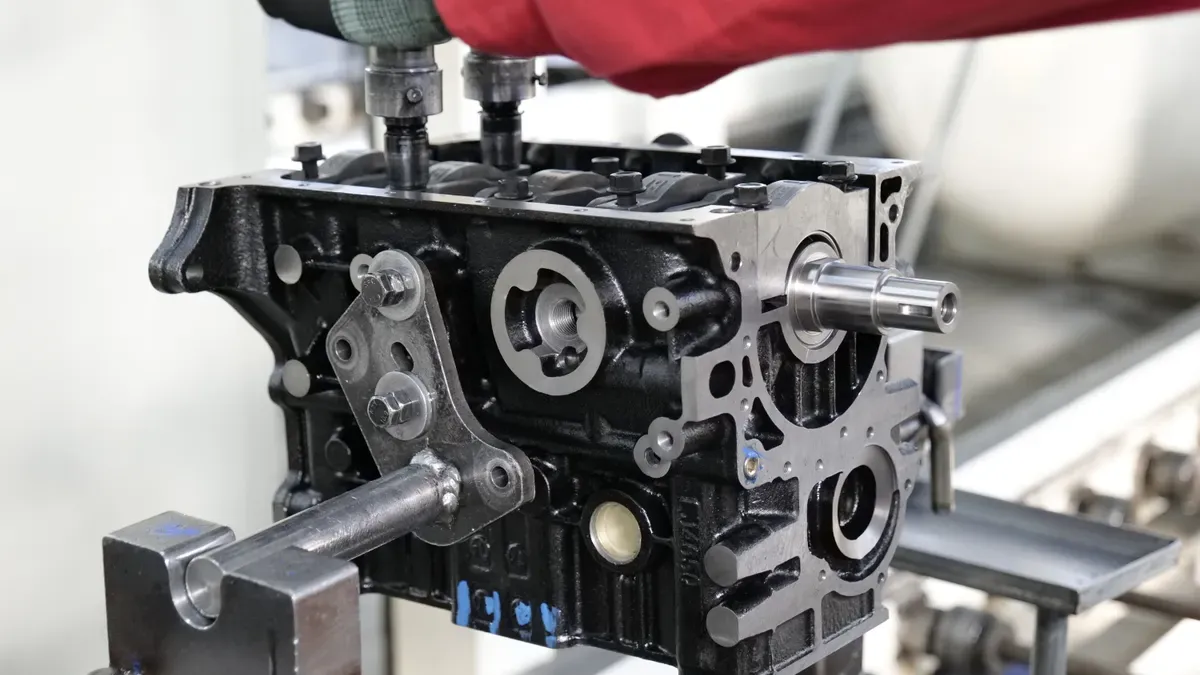
A piston ring is a split metal ring fitted on the outside of an engine piston in a push-and-pull engine. You need these parts to keep steady system power.
|
Function |
Primary Purpose |
|---|---|
|
Combustion Sealing |
Compression rings block the space between the piston and cylinder to stop gas leaks into the crankcase. |
|
Oil Regulation |
The oil control ring wipes away extra liquid to control oil use correctly. |
|
Heat Transfer |
The rings move heat from the piston to the cylinder wall and liquid cooler. |
Working piston rings protect your car engine from terrible heat damage. You ensure smooth engine movement and top power output using these three main jobs.
Key TakeawaysPiston rings seal burning gases inside the engine cylinder to keep full power and good fuel economy.
Oil control rings scrape extra oil off the cylinder walls to stop expensive engine damage.
Blue exhaust smoke and quick drops in pressure show that your car has worn or broken piston rings.
Changing your motor oil regularly keeps dirt away from your engine rings and saves you money on costly repairs.
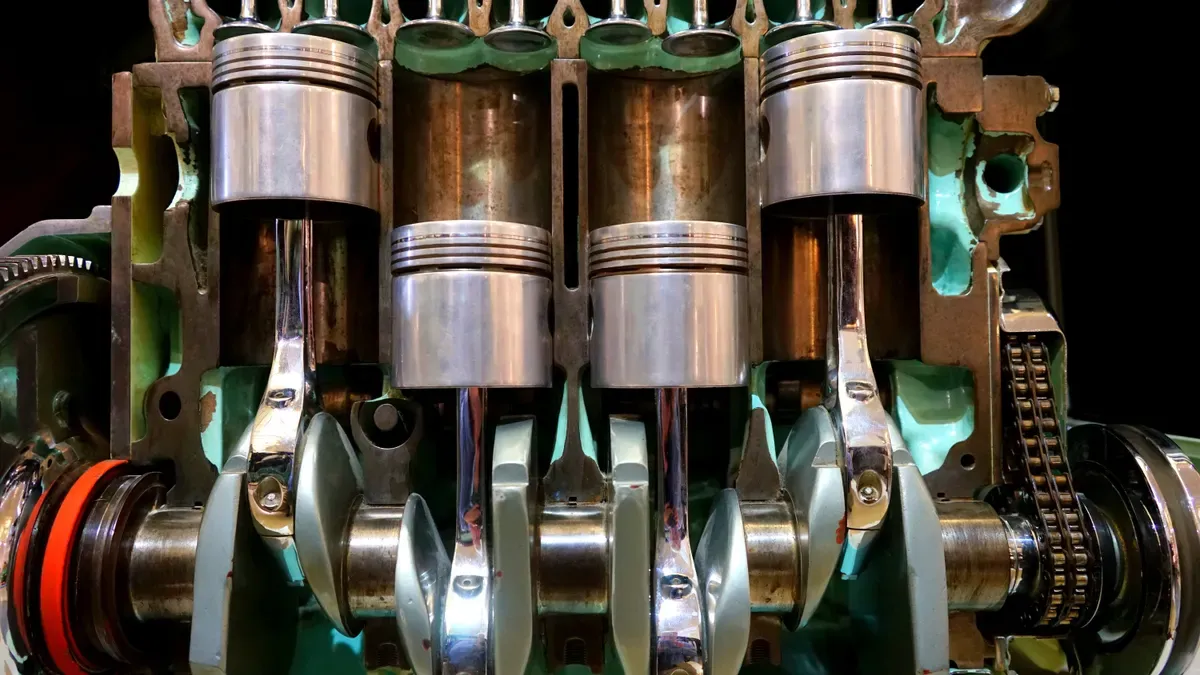
You need piston rings to keep full power inside your car engine. These small metal bands stretch out against the cylinder wall. They build a tight seal to block pressurized gas inside the engine chamber. Without this constant seal, hot gas leaks down into the lower engine case. Mechanics call this leak blow-by. Blow-by lowers engine pressure and cuts down your overall fuel efficiency.
Outward spring force pushes each ring against the hard metal wall. Good spring force keeps the ring from sliding over an oil layer. It also keeps your cylinder pressure high. Designers shape the ring edges with rounded or slanted styles to spread contact force evenly across the wall. If spring force drops too low, the ring will not seal right against the cylinder. Bad sealing leads to wall damage, more gas leaks, low pressure, and wasted fuel.
Engine builders check the space at the split ends of every ring to allow safe heat growth during driving. Normal gap rules for regular car engines depend directly on the cylinder size:
|
Ring position |
Recommended gap formula |
Example: 4-inch bore |
|---|---|---|
|
Top compression ring |
0.004 × bore diameter |
0.016 inches |
|
Second compression ring |
0.005 × bore diameter |
0.020 inches |
The top compression ring copes with the highest heat and strongest pressure inside the chamber. In a basic piston, up to 60% of total piston heat travels through the ring area into the water cooler. The top compression ring alone moves 30–50% of total piston heat straight into the cylinder wall. Metal choice changes this key heat path a lot. Cast iron rings get soft and break easily above 300°C. Weak rings crack from heat stress and snap apart. Steel alloy rings keep their strength up to 400°C. Steel gives better shape stability during hard driving.
Every long-lasting engine needs smooth oil spreading along the cylinder wall to guard moving parts. A piston ring does this important wiping job during every up and down move. The bottom ring set wipes extra motor oil off the clean metal walls. It pushes that extra oil back down into the oil pan for repeated use.
Wiper rings sit right under the top ring to wipe off extra oil and stop leaking gas.
Oil control rings have tiny holes that send scraped oil through openings in the piston body.
Small spring expanders push oil ring rails against the wall to keep a steady oil layer.
This active wiping job leaves a very thin oil layer on the cylinder wall. That thin oil layer protects moving metal parts during fast driving. It stops metal parts from rubbing together directly and causing fast engine damage. Good scraping stops oil from getting into the upper chamber where burning happens. Extra oil in the burning area creates dark exhaust smoke, ruins fuel quality, and leaves heavy dirt on the valves. You keep your engine clean, cool, and strong when your piston rings work right.
Main Types of Piston RingsModern cars use three main kinds of piston rings inside every engine cylinder. Every ring does a special job to guard your engine while you drive. You can divide these parts into top, middle, and bottom groups. Upper compression rings seal in gas pressure very well.
The top compression ring handles hot fire and strong cylinder pressure. Engine makers build this main ring with a slightly rounded outer edge. This smooth curve keeps firm pressure against the cylinder wall to stop hot gas from escaping. Companies make these tough rings out of strong materials like iron or steel. Engineers design compression rings to handle extreme heat without breaking. A special smooth coating protects the top ring face from scratching. You need this top ring to keep a tight engine seal.
The second compression ring sits right beneath the top one. Mechanics call this middle part a wiper ring. This wiper ring works as a backup seal to block any leaking gas. Its slanted outer edge gives the ring strong scraping power. You get a tighter seal because this wiper ring bends to press its bottom edge against the wall. This smart wiper design stops extra fluid buildup while helping both compression rings work right.
The bottom group uses special oil control rings to manage engine oil. A flexible spring with small holes pushes two thin steel rails against the cylinder wall. This inner spring creates steady pressure inside the ring slot. The thin rails scrape extra oil off the metal wall on every down stroke.
Scraped oil passes through small holes in the spring and drains through gaps in the piston body. This special design leaves a very thin oil layer on the cylinder wall. You protect moving parts from wearing out while keeping oil away from the fire area. Learning about these piston rings helps you keep your engine running strong.
Signs of a Bad Piston Ring and Maintenance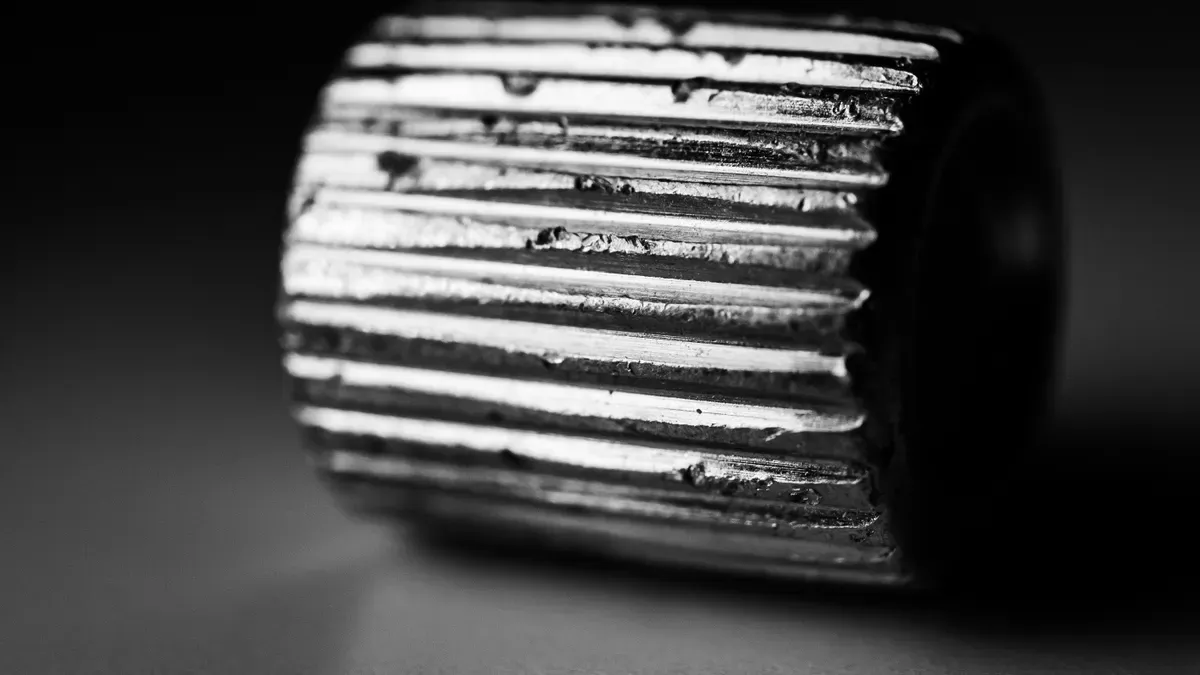
You can spot broken piston rings early by watching your exhaust pipe. Blue or bluish-gray smoke means your engine is burning internal oil. White smoke shows that unburned fuel or coolant is entering the chamber. Newly installed engine parts emit a little break-in smoke for a short time.
|
Symptom |
Primary Engine Cause |
Diagnostic Confirmation |
|---|---|---|
|
Blue smoke |
Worn rings pass oil into fire zone |
Leak-down air escapes dipstick tube |
|
Low pressure |
Broken compression ring leaks gas |
Compression test reveals weak cylinder |
|
White smoke |
Damaged ring lets fuel escape |
Exhaust smells sweet or looks thick |
Your car loses overall efficiency when burning gas escapes into the lower engine case. Low pressure in one cylinder points directly toward a damaged compression ring. A broken oil control ring burns extra oil without dropping engine pressure.
Under normal driving conditions, quality piston rings will last 93,000 to 155,000 miles. You protect your engine by changing the motor oil regularly. Clean engine oil removes dirt particles that scratch hard metal surfaces.
A complete ring repair for passenger cars typically costs $800 to $2,500. Fixing a basic four-cylinder engine costs $610 to $1,500 at independent repair shops.
Piston ring set parts cost $60 to $150.
Mechanic labor costs $500 to $1,200.
Extra gaskets, fresh oil, and coolant cost $50 to $150.
You save money by doing quick diagnostic checks early. A compression test checks how much pressure your engine makes. A leak-down test finds leaks by pushing air past a damaged piston ring into the dipstick tube.
Good piston rings keep your car running well for a long time. These parts seal the engine chamber to build strong power. They also stop gas leaks and help save fuel. Healthy rings move heat to the cylinder walls, which shields inner parts from extreme heat damage.
Regular care protects your ring set from wearing out too fast. Clean motor oil washes away dirt that scratches metal parts. Fresh oil stops sticky sludge from blocking the ring slots. You avoid stuck rings and costly engine repairs by getting regular oil changes. Good oiling protects your engine and keeps it dependable over time.
FAQGood piston rings last 93,000 to 155,000 miles under normal driving. You extend their life by changing your engine oil often. Clean oil clears away tiny dirt bits that scrape metal parts inside your motor.
Blue tailpipe smoke shows that oil is burning inside the combustion chamber. Old rings let fluid slip into the fire area. You can check this problem by blowing air into the dipstick tube.
Fixing all rings on standard cars costs $800 to $2,500. Local mechanic shops charge $610 to $1,500 to fix a small four-cylinder engine. Most of this repair cost comes from high labor fees.
Cast iron gets weak past 300°C and snaps under high heat. Steel alloy keeps its shape and strength up to 400°C. Steel holds its form much better when you drive hard.
Please leave your requirements and contact information, and we will send you the quotation information as soon as possible.