Date: 2026.08.17 Click: 8
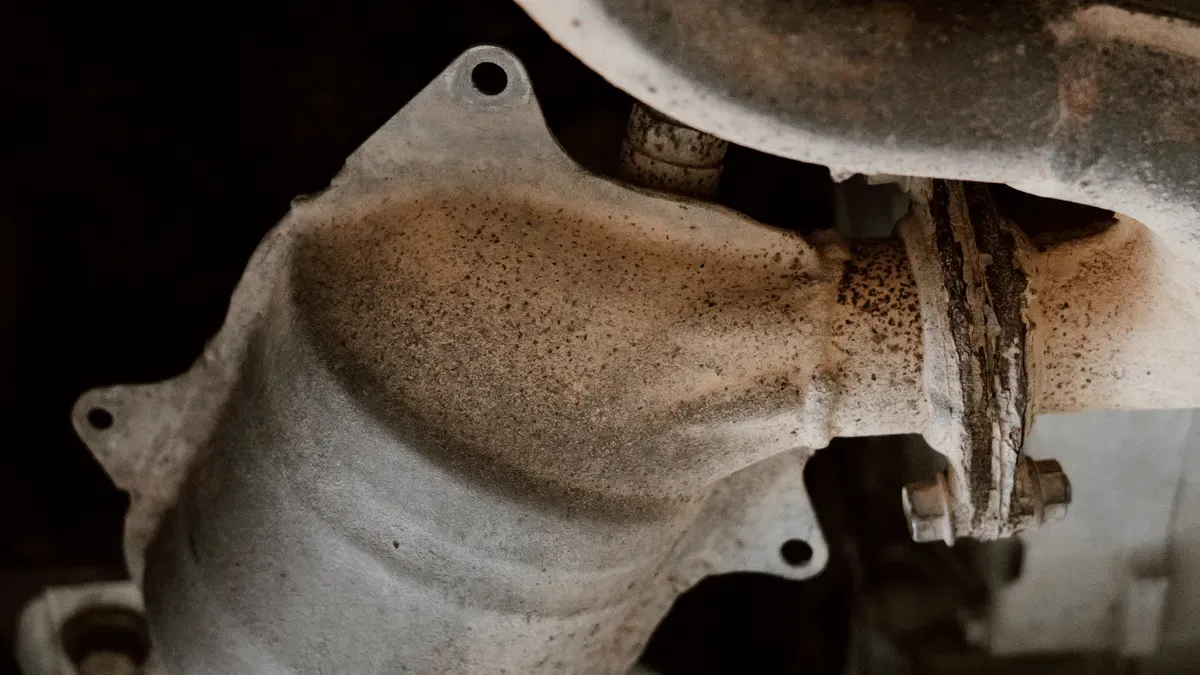
A catalytic converter is an important part that controls exhaust pollution. Car makers place this part right after your engine. You depend on this system to clean up exhaust gases before they leave the tailpipe.
The main job of the catalytic converter relies on chemical reactions inside a hot chamber. Burning fuel inside an engine creates harmful gases and dangerous pollutants like carbon monoxide, hydrocarbons, and nitrogen oxides. The catalysts inside quickly change these toxic gases into safe nitrogen, carbon dioxide, and water vapor. You greatly lower your car's emissions every time you drive. You also help reduce air pollution in your neighborhood. Modern cars need a working catalytic converter to keep our air clean and safe to breathe.
Key TakeawaysCatalytic converters change dangerous gases from the exhaust into harmless nitrogen, carbon dioxide, and water vapor.
Valuable metals inside a honeycomb structure drive the natural chemical process that cleans dirty exhaust fumes.
Lower engine power and bad smells like rotten eggs mean the exhaust part is breaking.
Safe parking spots and anti-theft guards keep your expensive exhaust parts safe from stolen equipment thieves.
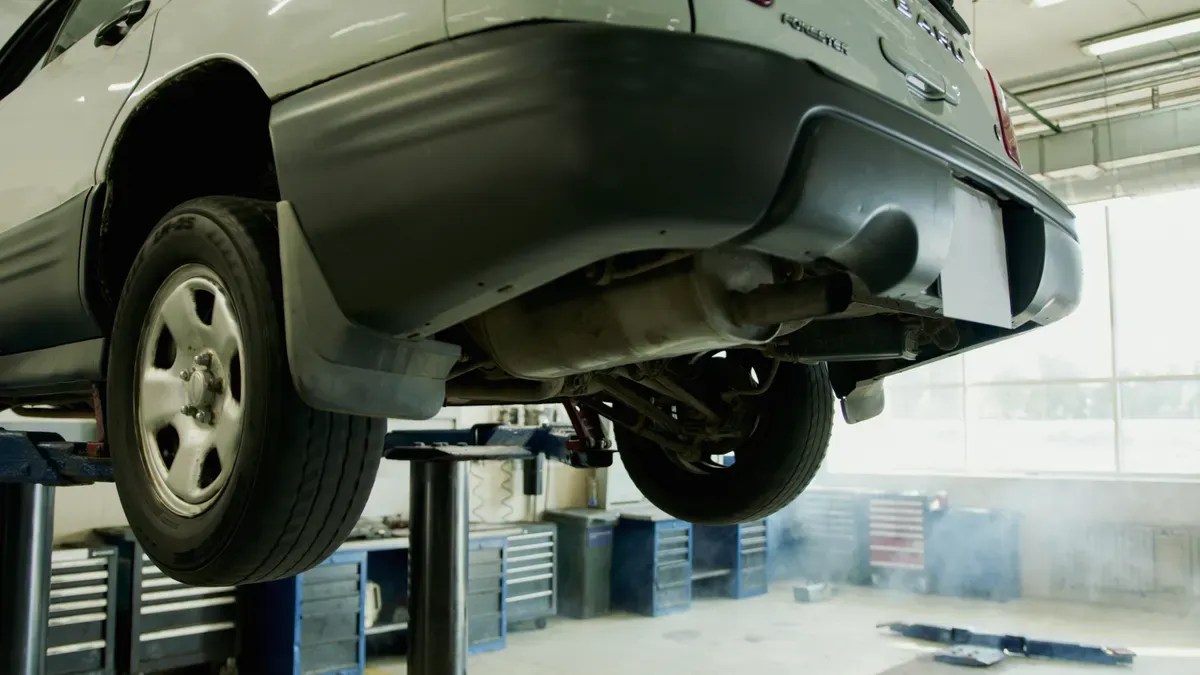
Hot exhaust gases exit the engine cylinders at very high heat while you drive. Engineers install the catalytic converter right behind the exhaust manifold in your car. This location lets the part catch super-hot gases as soon as they leave the engine. Heat speeds up the chemical reactions inside the device, while cooler gases would slow them down. A catalytic converter must stay hot to clean your exhaust properly.
Gases travel through a metal or ceramic honeycomb inside the outer shell. This core has a thin washcoat with alumina, ceria, and precious metals like platinum, palladium, and rhodium. These metals work as chemical catalysts in your car to start reactions without getting used up. Learning about catalytic converter working mechanisms helps you see how your car controls pollution.
An oxygen sensor checks your fuel blend to help run a closed-loop system. Your car computer uses this sensor data to tune the air and fuel mix constantly. This balance creates the best conditions for chemical reactions inside the converter.
The engine control computer keeps the air-to-fuel ratio near stoichiometric balance so the device simultaneously transforms toxic compounds into harmless elements.
Rhodium speeds up reduction reactions to remove nitrogen oxides when fuel is high. Platinum and palladium boost oxidation reactions to clean carbon monoxide and unburned fuel when oxygen is high. Gas, natural gas, and propane engines depend on this balance. Keeping this balance lets the catalyst run both reactions in one chamber.
How does it work to clean up many harmful pollutants at the same time? The device handles two separate chemical jobs at once inside the exhaust pipe. First, reduction catalysts go after nitrogen oxides. Rhodium pulls nitrogen atoms off these molecules, forming safe nitrogen gas and releasing oxygen gas. The chemical reaction follows the net equation NOx -> N2 + O2.
Second, platinum and palladium use oxygen to break down carbon monoxide and extra fuel. Oxygen mixes with these dangerous gases inside the hot chamber. Carbon monoxide changes into carbon dioxide through 2 CO + O2 -> 2 CO2. Unburned hydrocarbons turn into carbon dioxide and water vapor through 2 C2H6 + 7 O2 -> 4 CO2 + 6 H2O. How do catalytic converters work to reduce emissions so well every day?
|
Pollutant |
Conversion efficiency |
Operating condition |
|---|---|---|
|
Carbon monoxide (CO) |
90–95% |
Fully warmed-up, near-stoichiometric air-fuel ratio |
|
Hydrocarbons (HC) |
90–95% |
Fully warmed-up, near-stoichiometric air-fuel ratio |
|
Nitrogen oxides (NOx) |
90–95% |
Fully warmed-up, near-stoichiometric air-fuel ratio |
A warm three-way catalytic converter cleans 90–95% of these bad gases with the right air-fuel mix. This process cuts tailpipe pollution before gases leave your car. Changing bad gases into nitrogen, carbon dioxide, and water vapor keeps our air clean and safe.
Internal Structure and Converter Types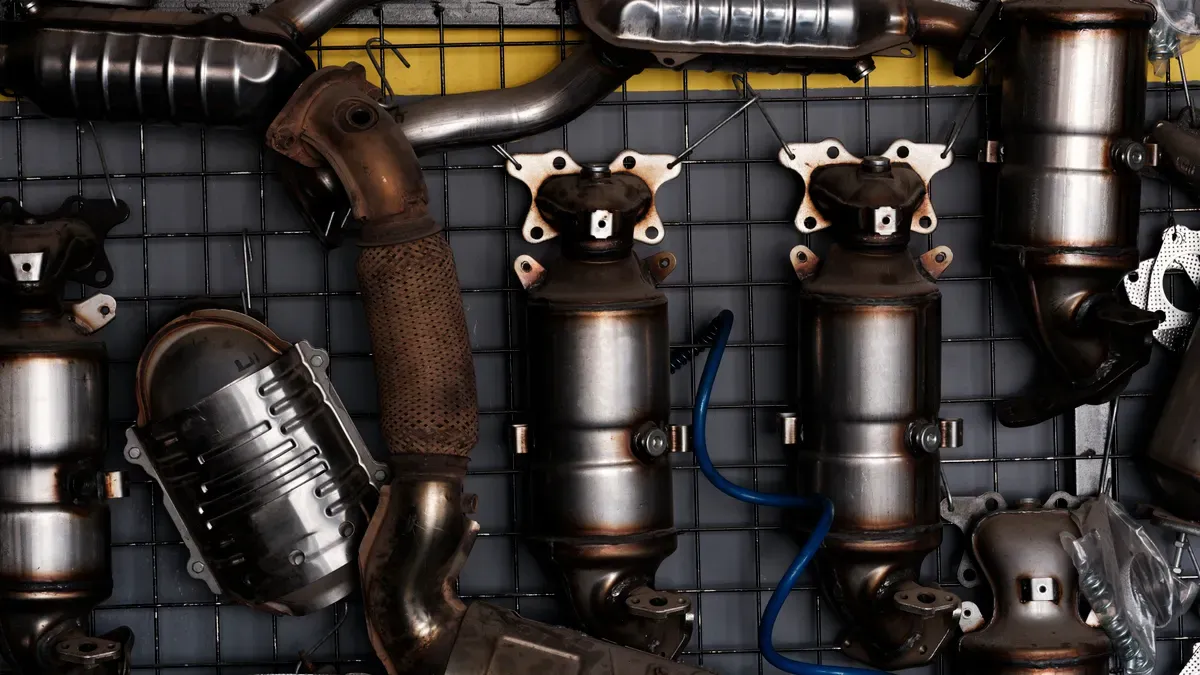
Newer exhaust systems rely on tough inner parts to clean engine pollution effectively. Examining these inner layers and core building materials makes it easy to see how these devices operate.
Exhaust fumes flow into an outer stainless steel case lined with a protective insulation layer. Inside this shell sits a honeycomb substrate filled with thousands of tiny passages. Makers build this center block using ceramic cordierite or wavy metal foil.
|
Layer |
Material |
Main Function |
|---|---|---|
|
Substrate |
Ceramic or metallic matrix |
Provides structural flow channels |
|
Washcoat |
Porous aluminum oxide |
Increases surface area for reactions |
|
Catalyst |
Platinum, palladium, rhodium |
Promotes chemical conversion |
So what are catalytic converters made of? A tiny washcoat layer coats the substrate paths to expand total surface space. Valuable metal catalysts stick straight to this rough layer. Most everyday cars use a cell density of 400–600 CPSI (cells per square inch). High-power builds hit a real-world making limit of 900–1200 CPSI before back pressure chokes engine power.
Engineers create specific catalytic converter types to fit various engine setups and fuel choices. Older cars relied on two-way converters. These early parts simply burn leftover hydrocarbons and carbon monoxide with platinum and palladium oxidation catalysts.
Modern gasoline vehicles rely on a three-way catalytic converter to oxidize carbon monoxide and unburned fuel while simultaneously reducing nitrogen oxides into harmless gas.
Your engine control module manages an exact air-fuel blend so the three-way converter runs smoothly. Diesel engines need a different setup because their exhaust stays cooler and full of oxygen. A diesel oxidation catalyst breaks down hydrocarbons and raises nitrogen dioxide amounts. This part sends gases into a selective catalytic reduction system. That unit sprays diesel exhaust fluid right into the flowing gas. It changes dangerous nitrogen oxides into safe water vapor and nitrogen gas. Simple regular checks help your car keep these important pollution controls working right.
Common Symptoms of a Failing ConverterA damaged or clogged catalytic converter blocks the easy exit path for hot exhaust gases. Unburned fuel can burn inside the core, or intense heat melts the ceramic honeycomb matrix. This blockage creates high backpressure in your exhaust system, making your engine work much harder. You will feel slow acceleration and lost power when pushing the gas pedal on steep hills or highways.
Physical damage creates severe problems for your car over time. Broken catalyst pieces shift inside the shell, producing a loud rattle beneath your floorboard. Restricted exhaust flow disrupts smooth combustion, causing engine hesitation, rough idling, or sudden stalling. Trapped heat raises engine temperatures quickly, causing overheating, while your car burns much more fuel. Quick catalytic converter repair restores proper exhaust flow and prevents extra damage.
Your car computer checks exhaust health continuously using oxygen sensors set before and after the unit. A good converter changes exhaust chemistry as gases pass through the substrate. A failing converter lets raw exhaust gases pass through without chemical reactions, making downstream sensor readings match upstream readings. This pattern triggers the computer to turn on the check engine light with diagnostic code P0420.
A strong sulfur or rotten egg smell near your tailpipe gives another clear warning sign of failure. Normal engine combustion creates small amounts of toxic hydrogen sulfide gas. A healthy converter uses active platinum and palladium coatings to change this gas into odorless sulfur dioxide and water vapor. Overheating, age, or pollution stops this chemical reaction, letting unreacted hydrogen sulfide escape. Catching catalytic converter issues quickly keeps your exhaust clean.
Theft Vulnerability and Catalytic Converter ReplacementThieves target catalytic converters because the valuable platinum, palladium, and rhodium inside bring fast cash from scrap buyers. Records show that U.S. thefts jumped sharply from 1,298 in 2018 to 14,433 in 2020. That sudden increase equals a massive rise of over 1,000 percent. By 2022, estimated nationwide catalytic converter thefts reached roughly 153,000 total cases. Thieves easily slide under parked vehicles and slice the parts out within minutes.
You can protect your vehicle by combining several effective defense tactics.
|
Tactic |
Main Benefit |
Limitation |
|---|---|---|
|
Anti-theft shields |
Slow down thieves and make access harder |
Cannot stop determined criminals using saws |
|
VIN etching |
Makes parts traceable for recovery |
Does not prevent the initial theft attempt |
Etching your vehicle identification number onto the metal housing deters buyers. Parking your car inside secure garages or well-lit spaces also reduces theft risk.
A broken or stolen unit forces owners to arrange a catalytic converter replacement. Total repair pricing depends heavily on local state emission rules and chosen components. Typical aftermarket EPA-compliant parts range from $300 to $1,400 with installation. CARB-compliant aftermarket choices cost from $500 to $2,200 fully installed. High-end OEM direct-fit options run between $1,500 and $4,000. Overall national average catalytic converter replacement costs run from $2,000 to $2,483 for complete service.
Shop labor rates usually range from $160 to $200 for each hour. Different vehicle models demand varying amounts of mechanic work. Expect labor costs around $100-$200 for a Honda, $150-$300 for a Ford, and $200-$400 for a BMW. Utilizing core credits drops aftermarket costs to $750-$1,500 and OEM units to ~$2,000. Prices can reach ~$4,000 without core credits or when full pipes need replacement. Smart planning helps control catalytic converter replacement expenses. Prompt catalytic converter replacement restores proper car operation quickly.
Your catalytic converter plays a vital role in cleaning toxic exhaust gases and keeping your car legally compliant on the road. Understanding the importance of catalytic converters helps you protect your vehicle while lowering tailpipe emissions everyday. Recognizing early failure symptoms saves you money on future shop bills. Clogged internal components block normal exhaust flow, create severe engine backpressure, and cause secondary mechanical damage over time.
You can easily avoid these expensive vehicle repairs through proactive maintenance habits. Schedule routine exhaust system inspections with a trusted mechanic today. Install protective shields and park in well-lit spaces to safeguard your valuable vehicle against theft.
FAQDriving with a broken unit clogs the exhaust flow and builds dangerous pressure inside your engine. This trapped force lowers your speed and overheats vital parts. Getting a fast catalytic converter replacement stops severe engine damage and keeps your car legal on the road.
Your car's computer turns on the check engine light with diagnostic code P0420. You will notice weak acceleration while driving up steep hills or on highways. Also, trapped sulfur fumes produce a strong rotten egg smell near your tailpipe.
The typical national average catalytic converter replacement costs run from $2,000 to $2,483 for full service. Final prices depend on your local state rules, repair shop labor rates, and whether you choose aftermarket or OEM parts.
Criminals target these components because valuable metals like platinum, palladium, and rhodium sell for quick cash at scrap yards. People can slide underneath parked vehicles and slice these parts off in just a few minutes.
Please leave your requirements and contact information, and we will send you the quotation information as soon as possible.