Date: 2026.08.15 Click: 7

You press the gas pedal, but your car slows down instead of going faster. You notice bad fuel injector symptoms right away on your daily drive. Your car shakes roughly while waiting at red lights. The engine stops working or skips a beat when you drive up steep hills. You might also smell strong gas near the tailpipe. These normal signs show that your car has serious gas delivery problems.
You can fix these trouble spots before major damage happens to your car. Easy chemical cleaners can clear out small clogs inside the part. Fixing the wires will repair broken electrical harness connections. Damaged inner parts mean you must do a full fuel injector replacement. You can test and fix your fuel injector by using simple step-by-step methods today.
Key TakeawaysNotice early warning signs like engine misfires, rough idling, gas odors, and check engine lights.
Check your vehicle's computer for error codes by using a basic OBD-II scanner tool at home.
Add special cleaning fluids to your gas tank every 3,000 miles to remove mild dirt buildup.
Swap out broken fuel injectors completely if you discover shorted wires or leaking valve seals.
Always unplug the negative battery cable and release the pressure from the fuel line before starting any repairs.
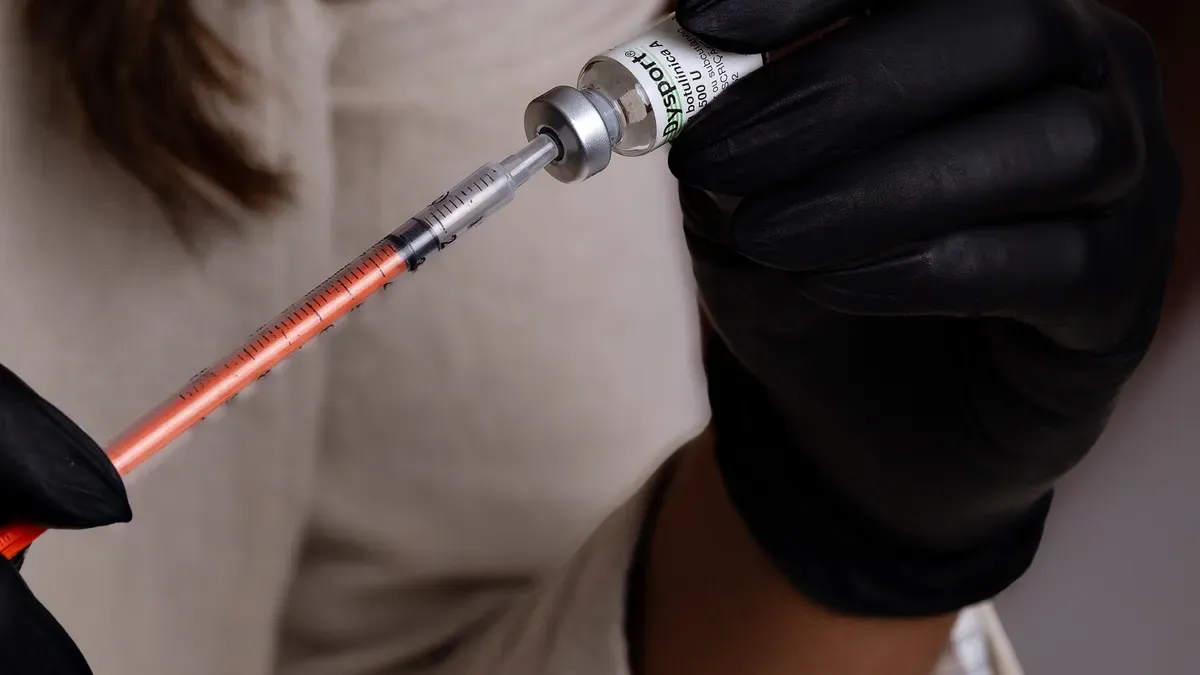
You can spot fuel injector issues early if you know which warnings to look for while driving. Damaged parts quickly ruin fuel flow and lower engine power. Watching for sudden changes in your vehicle will help you repair minor trouble before total failure happens.
Driving with bad fuel injectors causes clear problems on the road. A blocked nozzle starves the engine cylinder of gas. This missing gas creates an engine misfire that makes the car shake during acceleration. You will feel slow pickup when pushing the gas pedal because fuel flow drops. The tachometer needle bounces around while stopped because uneven fuel delivery changes your engine speed.
|
Symptom |
Cause |
|---|---|
|
Engine misfires |
A blocked spray pattern starves the combustion chamber of fuel. |
|
Engine stalling |
A severe fuel shortage stops combustion completely while idling. |
|
Rough idling |
Uneven fuel amounts create unbalanced combustion and engine shaking. |
Your car will suffer from engine stalling or engine misfires when fuel stops completely. Poor fuel atomization causes a rough idle while waiting at red lights. The vehicle vibrates hard because power inside the cylinders becomes uneven. These fuel injector symptoms also cause hard starting on cold mornings. Fuel efficiency drops sharply because the engine computer wastes extra gas to boost weak engine performance.
Physical damage creates dangerous bad fuel injector symptoms outside the engine. High heat cracks old rubber seals, letting liquid gas leak near the fuel rail. You will notice strong gasoline fumes inside your vehicle. Gas leaks straight into the exhaust pipe when an injector sticks open. This extra gas burns inside the hot exhaust pipe and generates thick black smoke.
Engine stalls or misfires usually turn on your check engine light on the dashboard. The main computer senses a wrong air-fuel mixture and saves diagnostic trouble codes like P0201 or P0202. Unburned gas soon ruins the catalytic converter and leads to failing emissions tests. Noticing these common symptoms helps you fix signs of clogged fuel injectors fast. You can avoid bad fuel economy and expensive exhaust repairs by swapping out ruined parts.
Common Causes of Fuel Injector ProblemsYou encounter fuel injector problems when carbon and heavy deposits accumulate inside the engine. Modern gasoline direct injection systems inject pressurized fuel straight into the combustion chamber. This specific injection design skips washing the intake valves with protective liquid fuel. Low piston speeds leave rich air-fuel mixtures inside the chamber. Unburned hydrocarbons bake onto delicate nozzle tips when local fuel temperatures exceed 300°C. Unfiltered gas causes extra fuel injector problems for vehicle owners.
Foreign contaminants like water, soot, rust, microbial growth, and abrasive debris enter fuel tanks and block narrow nozzle openings.
Solid particle buildup distorts fine spray symmetry and lowers atomization quality. Distorted fuel spray patterns prevent complete combustion inside engine cylinders. Impaired fuel flow starves the motor and lowers engine performance during hard acceleration. Frequent short trips and long idling sessions accelerate harmful carbon accumulation. Clean fuel supplies prevent early fuel injector clogging across all internal passages.
Electrical faults and mechanical wear create recurring fuel injector problems over time. Constant engine heat cycling slowly degrades internal solenoid coil insulation inside each unit. Damaged coil insulation causes direct short circuits or open electrical circuits across connection terminals. Loose harness plugs or chafed wiring connections block electric signals completely. A failed coil cannot lift the internal fuel injector needle valve properly, which stops normal fuel delivery.
Internal mechanical components also suffer continuous physical wear during daily driving operations. Weakened internal return springs fail to seat valves tight against high fluid pressure. Hardened rubber O-rings allow raw fuel leaks around the outer housing. Internal mechanical failures force bad fuel injectors to stick permanently open or remain shut. Corroded needle valves severely restrict exact fuel delivery to targeted cylinders. You can prevent severe fuel injector damage by fixing frayed wiring harnesses early. Resolving these mechanical issues restores proper vehicle operation and protects sensitive engine components.
Diagnosing Fuel Injector Problems at HomeYou can fix misfires quickly by finding fuel injector problems right in your garage. Catching issues early protects your main engine parts from costly damage. You only need basic testing tools to spot broken fuel injector parts.
You start finding fuel injector problems by scanning your vehicle computer for trouble codes. A misfire code shows which engine cylinder is struggling to burn gas. You can follow these simple steps to scan your car:
Connect your tool to the computer port beneath your dash to check stored codes.
Find codes like P0300 for random misfires or P0301 through P0308 for specific spots.
Look at Mode $06 on your scanner screen to track misfires in that cylinder.
Fault codes will not pinpoint exact fuel injector problems right away. Worn spark plugs often produce the exact same misfire codes. Hold a mechanic stethoscope right against the metal fuel injector case while idling. A working unit makes a sharp clicking noise. A quiet valve means you have a dead circuit.
You can spot wiring issues in the solenoid coil by checking its electrical resistance. Unhook the wire harness plug directly from the injector. Press multimeter leads onto terminal pins to test coil health. Doing this step helps you find bad fuel injector problems fast.
|
Condition |
Resistance reading |
|---|---|
|
Normal high-impedance fuel injector |
10–15 Ω |
|
Low-impedance unit |
1.2–2.5 Ω |
|
Shorted injector |
1–2 Ω while others read normal |
|
Open coil |
Infinite reading |
You should also check the incoming voltage signal sent from the control module. You finish finding fuel injector problems by measuring signal time with your tester:
Turn your tool knob to DC volts and pulse-width mode using the main jack inputs.
Insert your red probe into the wire plug and ground the black probe on metal.
Crank up your engine so you can read the signal timing on your display screen.
Match your numbers with factory specs to locate shorted wires or failed control units.
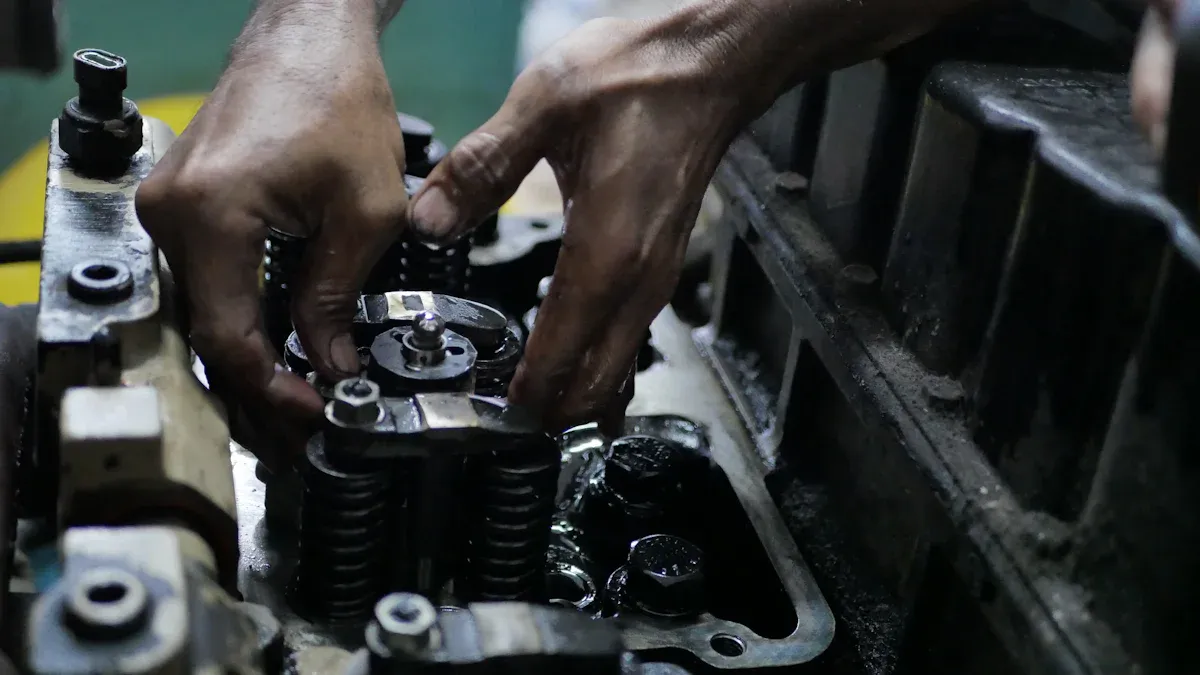
You can fix minor engine performance troubles by treating your fuel system early. In-tank pour-in additives cost $10–$25 per bottle and clear light carbon buildup effectively. Popular expert options like Red Line Complete SI-1, Chevron Techron Concentrate Plus, Lucas Oil Fuel Treatment, and Hot Shot's Secret Gasoline Extreme clean dirty components. You simply pour the fluid directly into your gas tank during your regular fill-up.
Heavy carbon deposits require deeper mechanical action. An off-car ultrasonic fuel injection cleaning service removes stubborn buildup using specialized testing equipment and solvents. Professional technicians restore restricted spray patterns to near-original factory specs.
|
Method |
Typical Cost |
Best Application |
|---|---|---|
|
In-tank Additives |
$10–$25 |
Preventive maintenance for mild carbon deposits |
|
Off-Car Cleaning |
$70–$200 |
Severe clogged nozzles without electrical damage |
|
Injector Replacement |
$300–$900+ per injector |
Electrical coil shorts or permanent valve leaks |
A professional fuel injector cleaning service works great when cleaning the injectors restores normal air-fuel ratios.
You must complete a total fuel injector replacement when internal solenoid coils fail or bodies crack. Cleaning methods cannot repair severe electrical issues or permanent mechanical wear. You can tackle this repair job at home while using basic hand tools. Always take important safety precautions before replacing faulty injectors to prevent accidental fuel fires.
Disconnect the negative battery terminal and relieve all fuel pressure before unbolting any fuel lines.
Remove any air intake pipes or plastic engine covers blocking your access.
Disconnect the electrical wiring harness plugs from each damaged fuel injector.
Unscrew the securing bolts, then lift the fuel rail off the cylinder head.
Lubricate all new rubber O-rings using clean engine oil.
Push each new fuel injector into the rail ports until seated properly.
Reinstall the rail, reconnect your battery terminals, start the vehicle, and inspect for liquid leaks.
You can easily avoid big fuel system problems by keeping up with a basic care routine. Using clean gas helps your car run right and guards small engine valves against heat damage. Try putting a fuel system cleaner with special detergents into your gas tank every 3,000 to 5,000 miles. This treatment scrubs thick black carbon off dirty spray tips to protect your gas mileage. Staying above a quarter tank of gas stops dirt and water from reaching your engine lines.
Car owners can stick to regular care schedules to avoid unexpected breakdowns on the road.
|
Maintenance Action |
Recommended Service Interval |
|---|---|
|
Fuel system cleaner additive |
Every 3,000–5,000 miles |
|
Fuel injection cleaning service |
Every 15,000–30,000 miles |
|
Fuel filter replacement |
Every 30,000–60,000 miles |
|
Complete fuel system cleaning |
Every 60,000 miles |
Small diesel trucks need new fuel filters every 10,000 to 15,000 miles to block rough dirt bits. Good care habits help a quality fuel injector last 150,000 to 200,000 miles without early part failure. You ought to plan routine checkups to save important engine parts and keep your car running smooth.
Fixing these parts at a local garage puts both component prices and work fees onto your bill. Most repair shops bill around $210 to $1,406 total to swap out one broken unit. New replacement parts cost $100 to $1,000 each, while labor charges run $110 to $406 based on engine space. You can easily cut labor costs by fixing your own fuel injector right at home. Cleaning clogged spray tips restores lost power quickly and prevents raw gas from leaking out.
Always disconnect negative battery cables and relieve system pressure before opening fuel lines.
Handling tight gas lines demands safe choices so you do not hurt yourself while working. High-pressure spray systems can hit over 26,000 psi, which creates real spraying danger for your eyes and skin. You need to let your vehicle engine cool down totally before taking off any weak fuel injector. Put on tough work gloves and eye protection to stay safe from direct chemical splashes. Unhook all negative battery wires before starting your project. Always keep a working fire extinguisher close by your shop to stay safe from spilled gas.
You protect your engine by fixing fuel injector issues right away. Ignoring small problems allows liquid gas to flood the cylinder. Excess fuel creates extreme pressure, which causes hydro-locking and bends connecting rods. Raw gas also dilutes engine oil and ruins vital motor bearings. Unburned fuel enters your exhaust pipe, where extreme heat destroys expensive catalytic converters.
You should always start diagnosing fuel injector problems by running basic scanner tests and using simple chemical cleaners. You only need a full component replacement when those basic repair steps fail.
Inspect your fuel system today or visit a professional mechanic for immediate service.
Your car shakes, idles roughly, picks up speed slowly, or smells like gas near the back pipe. You might also see a check engine light show code P0201 or P0202. These signs mean your car needs quick care to stop heavy exhaust part damage.
Start finding fuel injector problems by scanning your car's computer port for trouble codes. Next, hold a mechanic stethoscope right against each injector case while your car runs. A good unit makes a sharp clicking noise, but a quiet valve means your circuit is dead.
Carbon causes fuel injector problems when leftover gas bakes onto nozzle tips at high heat. Dirt, water, and rust also block small passages. Hot engine heat ruins inner wires over time and breaks down tiny springs, which stops the system from working.
Pour-in chemical cleaners clear light carbon buildup well for $10 to $25 a bottle. But these cleaners cannot fix major fuel injector problems like cracked bodies, shorted wires, or leaking valves. You must swap out parts when the electrical system dies completely.
Prevent fuel injector problems by putting cleaner in your gas tank every 3,000 to 5,000 miles. Keep your tank over a quarter full to block trash from entering lines. Always swap fuel filters on time to guard small valves from rough dirt bits.
Please leave your requirements and contact information, and we will send you the quotation information as soon as possible.