Date: 2026.08.14 Click: 10
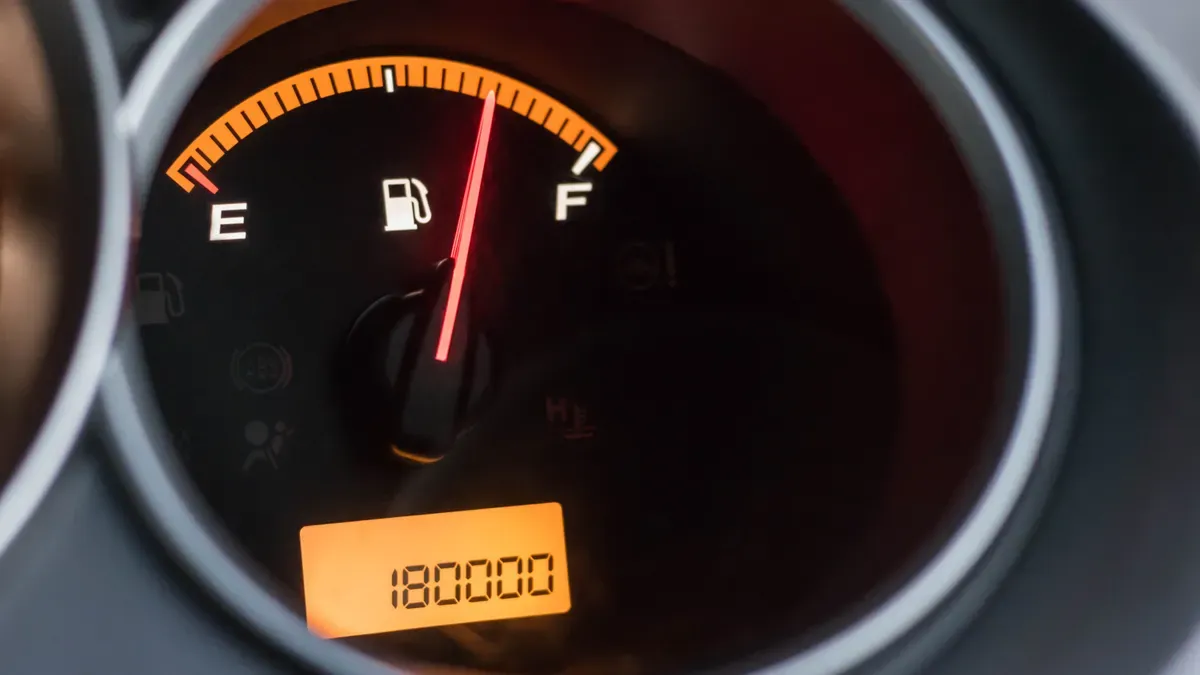
A loud whining fuel tank, sputtering when speeding up, and sudden engine stalling show serious fuel system trouble. Spotting these signs of a bad fuel pump helps you fix issues before your car breaks down on the road. You can check the electrical voltage at the relay and use a gauge to test fuel pump pressure while the car runs. Ignoring early warning signs leads to expensive tow bills and major engine damage. Replacing the pump usually costs $400 to $1,200, but acting fast saves money on extra repairs like damaged fuel injectors. Quick care protects your wallet. Testing early keeps your car fuel pump running safely.
Key TakeawaysListen for a loud whining noise near the gas tank to spot a bad fuel pump early.
Check the electrical wires to make sure the fuel pump gets at least 12 volts of power.
Use a pressure gauge on the fuel rail to test the mechanical force of the pump.
Fix a weak fuel pump quickly to prevent expensive engine damage and high towing bills.
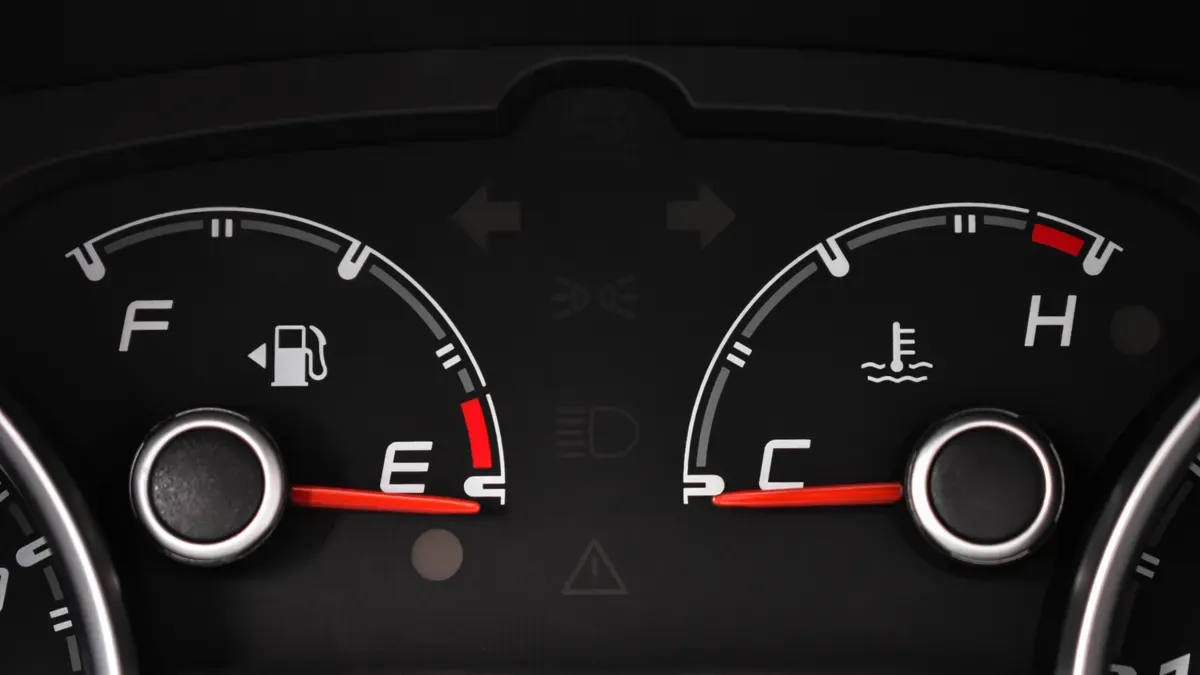
You can spot early signs of a bad fuel pump by listening to your car before starting the engine.
A healthy fuel pump usually makes a quiet hum. However, a failing pump has worn internal parts that create a loud whining or squealing sound near the gas tank.
Driving your car on low gas causes the pump to overheat and wear out much faster. This overheating creates major fuel delivery issues on long trips. The engine shuts down suddenly because hot, worn parts expand and freeze up.
|
Cause |
How it leads to unexpected stalling |
Supporting symptom pattern |
|---|---|---|
|
Unsteady fuel flow |
Gas does not reach the engine at a steady pace |
Random stalling while idling; the car restarts but shuts off again |
|
Fuel pump overheating on long trips |
A worn pump overheats during long drives, cutting off fuel after a short while |
Stalling or engine shutdown on long drives; cooling down allows a restart, but it happens again |
When you try starting the car, the engine cranks longer because low pressure delays ignition. In severe cases, your vehicle will not start at all. The engine stops running if the pump completely fails to send fuel to the injectors.
You will feel a major loss of power when you demand extra speed from a weak fuel pump. You can spot a bad pump by checking how your car reacts during hard acceleration.
|
Load condition |
Reported symptom |
|---|---|
|
Speeding up on the highway |
Sudden power loss, weakness, or hesitation |
|
Driving uphill |
Loss of power, sputtering, or misfires |
|
Carrying heavy loads or towing |
Slow acceleration and unexpected power loss |
|
Cruising at highway speeds |
Sputtering caused by uneven fuel flow |
A clogged pump causes serious fuel supply issues when you drive up steep hills or haul heavy loads. The engine sputters or dies because fuel pressure drops right when the car needs more power. Spotting these signs of a bad fuel pump helps you fix the problem before your car breaks down.
How to Diagnose Electrical Circuit FailuresYour fuel pump requires steady electrical power to build correct fuel pressure. You can easily spot electrical issues before buying pricey new parts.
Start your electrical check right from the driver seat with a basic prime test. Turn the key to the ON spot without starting the motor. Listen carefully toward the back of the car where the gas tank sits. A healthy pump makes a quiet hum for two to three seconds as the computer preps the system. The pump turns off until you actually crank the engine.
Hearing no sound at all means power is blocked or the pump motor died. Strange whining, harsh grinding, or uneven cycling noises also show that the pump will fail soon.
If you hear nothing during the test, test the power lines using a digital multimeter. Broken relays and safety switches frequently block electricity from reaching the gas tank. Many cars have an emergency inertia switch hidden behind the passenger kick panel. This special switch cuts power if the car gets into a crash.
Test the power flow at the inertia switch plug by following these diagnostic steps:
Find the inertia switch behind the panel and unplug the wiring harness connector.
Turn the key to the ON position to send power through the fuel system.
Touch your multimeter positive probe to the power wire and the negative probe to clean metal.
Check that the meter shows around 12 volts on the main power line. A weak reading near 7.4 volts means loose wires or high resistance are blocking the current.
Test the relay power pins with an ohmmeter while the ignition stays off. Good pins show open resistance without continuity, but zero ohms means shorted pins that need quick replacement.
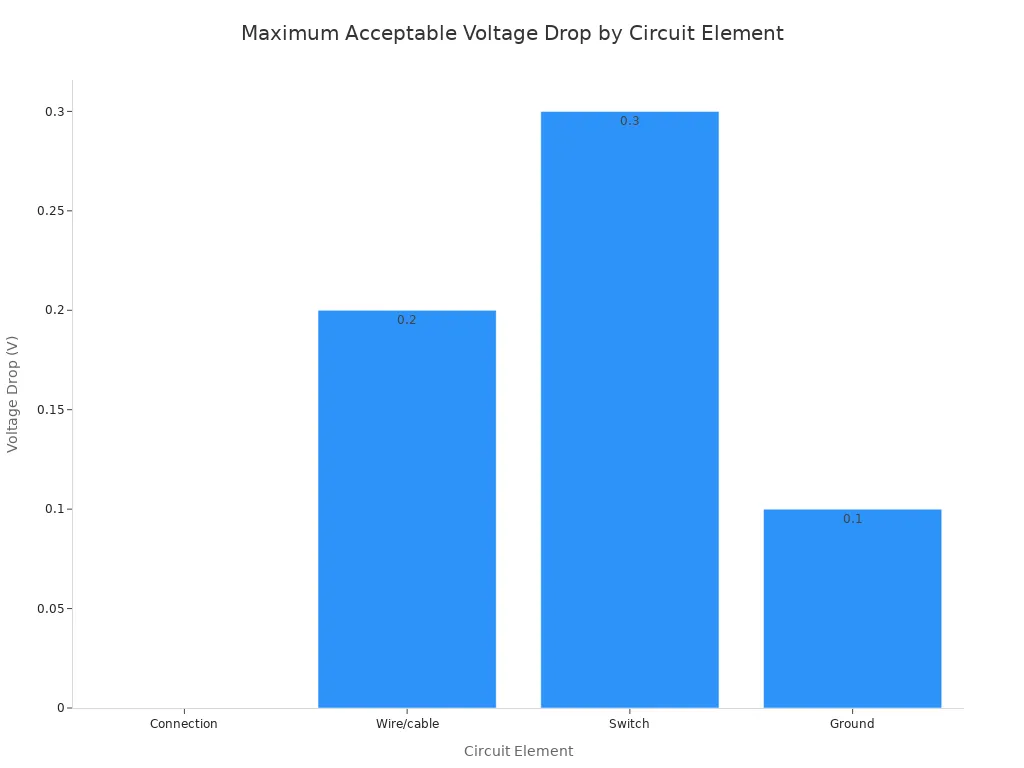
When electricity flows, bad wires or rusty plugs waste power before it reaches the pump. You should perform a voltage drop test on a live circuit to find hidden wiring problems.
|
Circuit element |
Maximum acceptable voltage drop |
|---|---|
|
Connection |
0.00 V |
|
Wire/cable |
0.20 V |
|
Switch |
0.30 V |
|
Ground |
0.10 V |
Hook the red meter lead to the positive battery post and tap the pump power wire while the system runs. Any reading over 0.10 volts across plugs or 0.20 volts along wires points to bad resistance. Do this exact same test on the ground wire between the pump and the negative battery post. A clean ground wire measures 0.10 volts or less. A ground loss over 0.5 volts starves the pump motor of power. A good pump receives 12.5 to 13.0 volts, but power drops below 11 volts keep the motor from spinning fast enough.
How to Test Fuel Pump Performance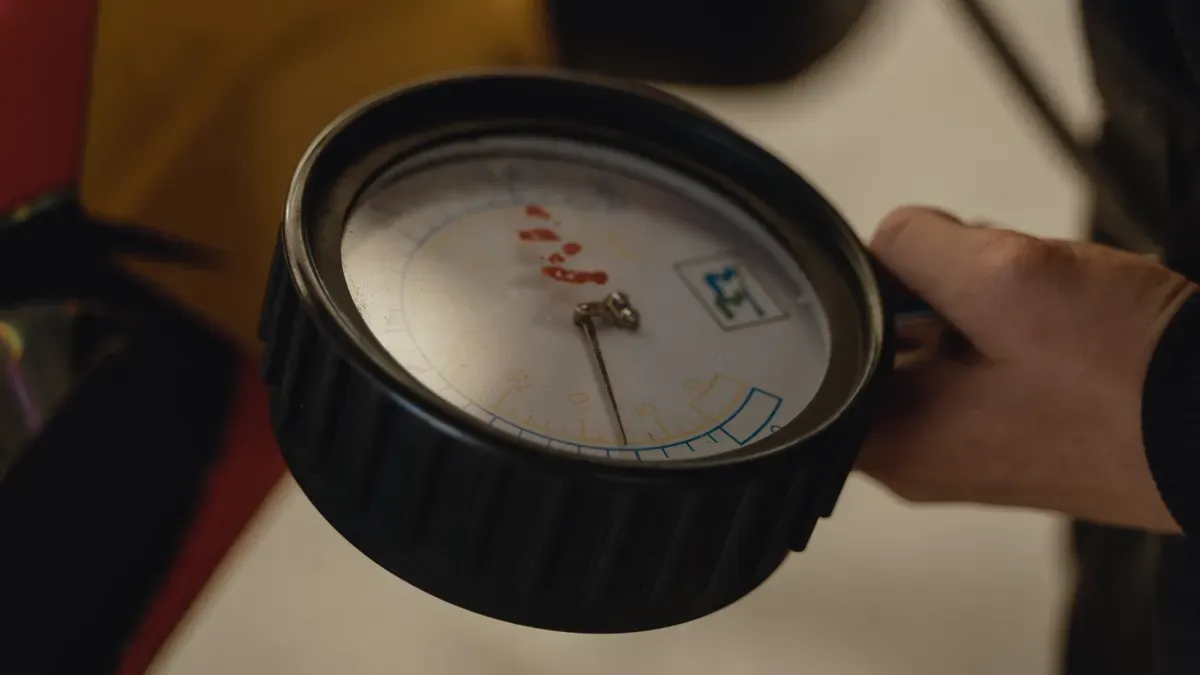
Physical pressure checks reveal the actual mechanical health of your fuel delivery lines. You must test fuel pump performance to verify that the pump creates enough force under real driving conditions.
Safety comes first whenever you open lines filled with pressurized fuel. You can safely hook up your diagnostic testing equipment by following these practical steps:
Put on ANSI-approved safety glasses and fuel-resistant gloves, then relieve fuel system pressure before touching any fittings.
Locate the main test port on the fuel rail under the engine cover.
Find the Schrader valve on the far right side of the rail where the metal bends 90 degrees toward the front.
Unscrew the protective black cap located near the plenum fuel line.
Thread your low-pressure gauge tube adapter tightly onto the valve threads to prevent leaks.
Position the gauge dial in a clear location where you can safely monitor readings while operating the vehicle controls.
Relieving trapped line pressure prevents dangerous fuel spray across hot engine components. A dirty Schrader valve core can stick open during testing, so inspect the internal threads carefully before attaching your flexible hose adapter.
You must compare live pressure gauge numbers against factory workshop manuals to diagnose weak pump output accurately. Vehicle manufacturers set exact pressure specifications for every engine design, so universal numbers do not exist. For instance, Rover V8 EFI engines operate between 2.3 and 2.5 bar, while K-series engines require 3.0 bar ±0.2 bar. Typical engine rail pressure during regular operation sits around 40 to 48 psi.
First, test fuel pump performance during a static key-on engine-off prime cycle. Turn the ignition key to the on position without starting the engine motor. The pump should run for 10 to 20 seconds and reach full specification within 3 to 5 seconds. Jaguar S-Type factory data shows a static target of 52 psi. Next, check the gauge while the engine idles smoothly. Idle pressure on that specific Jaguar model registers between 38 and 42 psi. Finally, raise engine speed to 2,500–3,000 rpm to observe dynamic pressure changes under load. Return-style systems rise 5–10 PSI, while returnless systems maintain constant pressure.
|
Gauge test condition |
Reading observed |
What it indicates |
|---|---|---|
|
Key-on, engine off |
Pressure reaches target spec rapidly and holds steady |
System holds residual pressure without leaks |
|
Idle with vacuum hose connected |
Pressure stays steady within factory specified range |
Normal fuel system operation at rest |
|
Vacuum hose disconnected |
Pressure rises roughly 10 psi |
Fuel pressure regulator responds correctly |
|
Return line blocked (deadhead) |
Pressure increases to roughly double normal idle pressure |
Pump delivers full mechanical output capacity |
Consistently low fuel pressure under every operating condition indicates a clogged filter, restricted supply lines, or a weak car fuel pump. You can check for regulator failure by inspecting the vacuum hose for raw fuel or watching the tailpipe for black exhaust smoke. The total absence of black smoke during acceleration power drops confirms a failing pump rather than a faulty regulator.
Troubleshooting Alternative Fuel System FailuresOther engine problems can feel just like fuel system failures. You must spot a dirty filter or a faulty pressure regulator before buying a new fuel pump. A blocked filter slows down acceleration and forces the pump to hum loudly. Start testing by taking the high-pressure feed hose off the rail. Crank the engine at 150 rpm for 10 seconds into a measuring cup. A strong CP3 pump pumps out 70 ml or more. Smaller amounts point to blocked feed lines instead of a broken pump motor.
Checking the fuel system pressure regulator helps you discover the real source of your engine trouble. Hook a gauge to the rail test port and watch the numbers while using vacuum. Removing the vacuum line should make the pressure jump up. Check the hose for gas smells, as a torn diaphragm spills raw fuel. You can also use a scan tool to send custom commands to the regulator. Steadily low readings during every test point straight to a bad fuel pump rather than a sticky regulator. Finding these signs saves precious time.
Working around high-pressure lines makes safety your top priority when replacing a fuel pump. Unhook the negative battery terminal and keep a fire extinguisher close to your work area. Always release system pressure before taking any gas lines apart. Pull the pump fuse, start the car, and let the motor run until it dies. Push the rail test valve with a rag to bleed off extra gas. Always work in a breezy space far away from sparks or flames to stop dangerous fires.
Careful tank handling stops bad accidents while you install a new fuel pump. Empty all gas into a safe container before taking off the heavy mounting straps. Hold the tank safely on a jack before lowering it down. Mechanics must follow OSHA Regulation 1910.106 safety rules when touching flammable fluids. Wipe out the inside of the tank and test wires before finishing up. Checking these lines stops your car from breaking down later on the road.
You can find fuel supply problems quickly by following simple steps. First, listen for clear warning signs such as engine sputtering or loud humming. Next, check the electrical power at the relay. Finally, use a special gauge to measure the real pressure inside the lines.
Fixing a weak pump early will save you a lot of money. Basic preventive fixes usually run $150–$300, but getting a full replacement costs $400–$1,000+. Fixing a Ford model can even hit $1,244–$1,641. Taking quick action prevents $300–$1,000+ in damaged fuel injectors while keeping you from getting stranded outdoors.
Talk to a certified mechanic if your testing leaves you confused or if moving the heavy gas tank feels unsafe. Getting expert help protects your car fuel pump from worse trouble later.
FAQYou can listen for a loud whining noise near the gas tank. Your engine might also sputter during fast acceleration or stall on long drives.
A healthy fuel pump runs for two to three seconds when you turn the key to the ON position. You will hear a quiet hum from the back of your car before you start the engine.
A properly working pump receives 12.5 to 13.0 volts. You will experience motor performance issues if the power drops below 11 volts.
Replacing a bad fuel pump usually costs between $400 and $1,200. Taking quick action prevents additional costly damage to your fuel injectors.
Please leave your requirements and contact information, and we will send you the quotation information as soon as possible.