Date: 2026.08.14 Click: 8
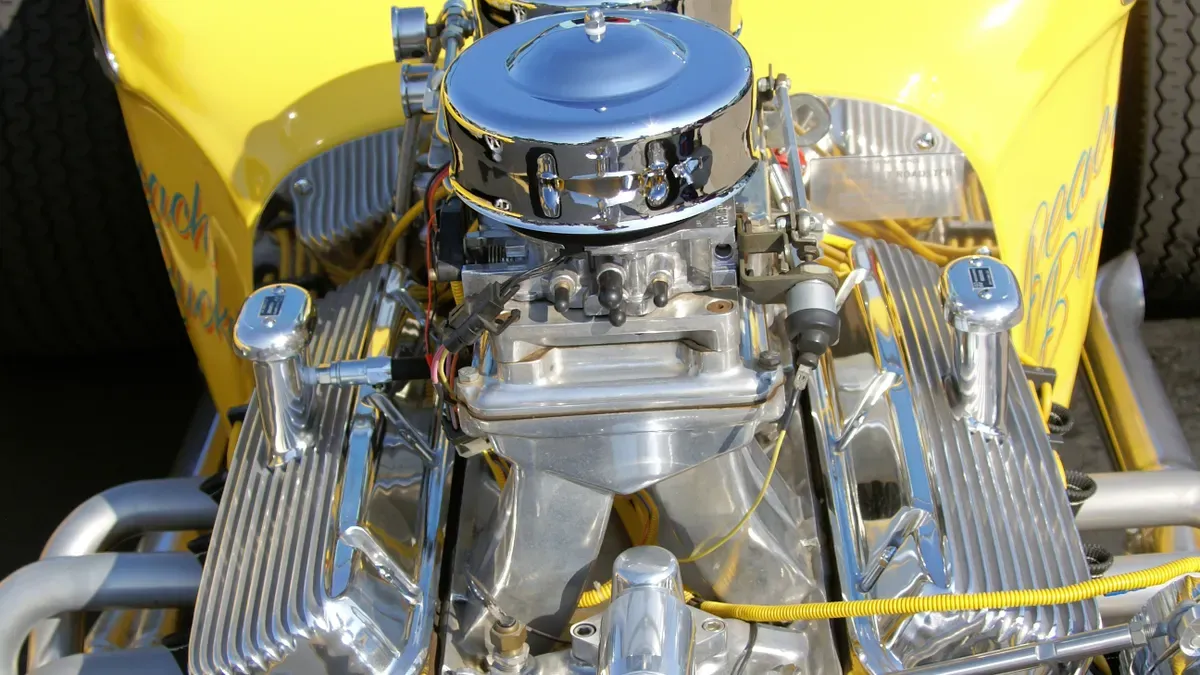
Every internal combustion engine needs spark plugs to run well. Spark plugs change electrical currents to produce power. Your car battery gives low voltage, but the ignition coil boosts it. A spark plug sends high voltage energy into the cylinder head. This electrical spark lights the fuel and air mix inside the engine. The quick spark starts the combustion process inside the combustion chamber.
A spark plug does two main jobs for your engine. The spark plug begins the power stroke, and each spark plug removes extra heat. At 3,000 RPM, a single spark plug fires 1,500 times every minute.
|
Engine Context |
Voltage Range |
|---|---|
|
Turbocharged engines |
up to 40 kV |
Spark plugs light car fuel by sending high-voltage electricity inside the engine.
Correct ignition timing makes sure your engine runs smoothly and avoids misfires.
Iridium and platinum spark plugs have a longer lifespan than basic copper plugs.
Old spark plugs waste gas and lower your car's overall mileage.
Replacing spark plugs on time stops engine problems and keeps your car running great.

Your car ignition system creates energy that fires every spark plug. Driving makes these automobile spark plugs create thousands of sparks each minute. The ignition coil increases battery power to 45,000 V. An insulated wire carries this high voltage energy directly to a single spark plug. High electrical potential pushes current down the center electrode inside the cylinder head. Every primary spark plug needs correct resistance to lower noise interference. Putting in a clean spark plug helps electricity flow better across the tip.
|
Component Parameter |
Standard Measurement |
|---|---|
|
Standard resistor spark plug resistance |
1,000–10,000 Ω |
|
Modern engine electrode gap range |
0.6–1.8 mm |
|
Peak spark heat temperature |
10,000°C |
Strong electrical pressure pushes power across the open air gap between electrodes. Electricity cannot pass this gap until voltage ionizes the squished fuel and air mixture. Fast electrons leap across this open gap toward the ground. Extreme heat changes electrical energy into thermal energy inside the combustion chamber. Putting in a fresh spark plug helps make electricity release cleanly across this gap.
Engine power depends on exact timing for every working spark plug. During the compression stroke, a spark plug fires right before the piston hits the top position. Mechanics refer to this specific angle as ignition advance. Stock street engines at idle set their timing between 6° and 8° before reaching the top. Car computer systems track many spark plugs at once to keep your engine working great.
Crankshaft sensors track wheel rotation speed for active spark plugs.
The engine control unit uses location data to compute exact ignition timing for individual spark plugs.
Collapsing magnetic fields route power right to every spark plug.
Exact timing starts the combustion process smoothly just as the piston moves up inside the combustion chamber. Growing gases push the piston back down during the main power stroke. Modern spark plugs handle extreme heat inside every combustion chamber. Installing replacement spark plugs stops engine misfires, and quality spark plugs prevent rough idling. Regular care for your spark plugs keeps the cylinder head safe. Keeping the ignition system healthy lets the combustion process work properly.
Anatomy and Materials of Spark Plugs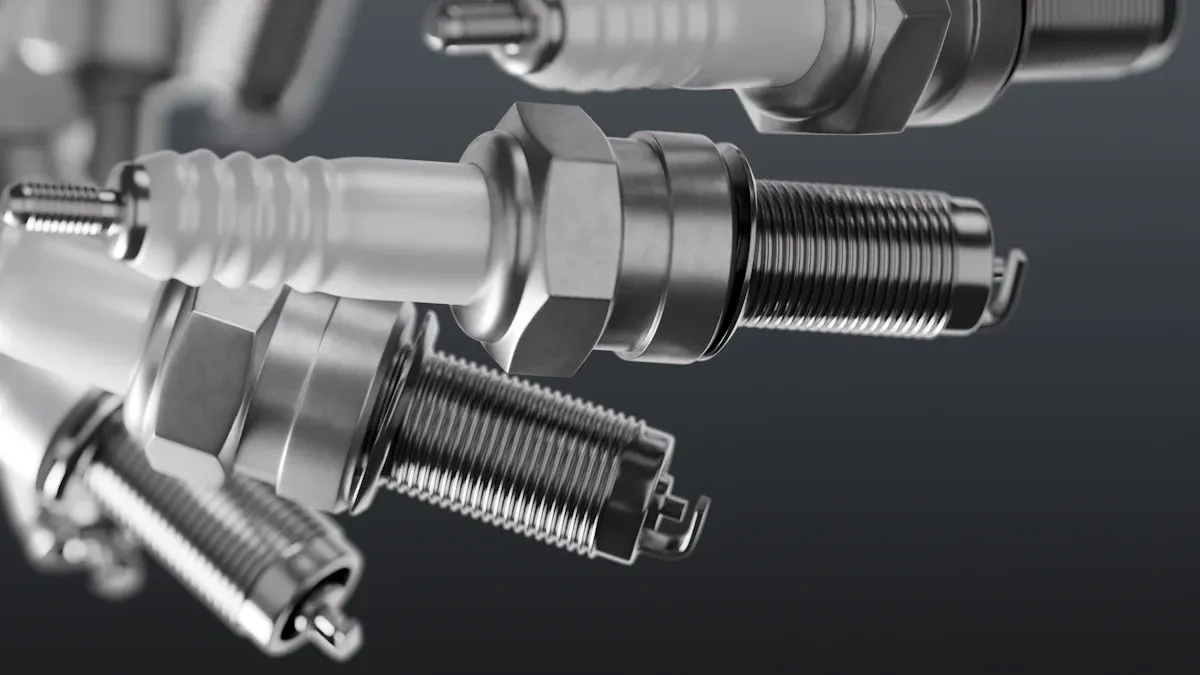
Every single spark plug relies on tough ceramic insulators. Strong alumina ceramic made with over 95% aluminum oxide protects the central electrode. This sturdy material provides dielectric strength equal to or greater than 18 kV/mm. You need this insulator because it stops high voltage from leaking into the cylinder head. Heat moves away from the firing tip and into the metal shell. This metal shell connects directly to the cylinder head using screw threads.
A shorter ceramic insulator nose sends heat quickly into the cylinder head. Colder spark plugs use this short nose design to cool down. A longer ceramic insulator nose holds heat, which keeps a hot spark plug much warmer. Each spark plug moves thermal energy at a planned rate. Car makers build every spark plug with a specific heat range. The tip must hit at least 450°C to burn away dark carbon deposits. Most spark plugs work best between 500°C and 850°C inside the combustion chamber. Extra high heat creates pre-ignition, while low temps lead to heavy carbon fouling.
Current spark plug tech uses several metal alloys for different driving needs. Basic copper spark plugs put a nickel-alloy coating over a solid copper core. Nickel wears down quite fast under intense heat and pressure. Because of this, copper spark plugs need changing every 20,000 to 30,000 miles. Standard spark plugs work great inside older car engines.
Upgraded spark plugs deliver much better overall durability. Platinum spark plugs keep working for up to 100,000 miles. Advanced iridium spark plugs give top performance across 80,000 to 120,000 miles. Pure iridium alloy tips use precise laser welding at tiny sizes of 0.4–0.7 mm. Advanced spark plug tech improves spark power inside the combustion chamber during every ignition stroke. Picking an iridium spark plug guarantees powerful fuel burning. Great spark plugs stop engine misfires before they start. You can pick ideal spark plugs that fit your vehicle care plan.
|
Spark Plug Material |
Typical Service Life (Miles) |
|---|---|
|
Copper / Nickel |
20,000–30,000 |
|
Platinum |
Up to 100,000 |
|
Iridium |
80,000–120,000 |
Failing car components display clear warning signs before stopping completely. Broken parts cause sudden misfires, jerky speed bursts, loud pops, and slow driving response. Your car shakes during idling because one cylinder loses steady firing power. A smart computer monitors these bad sparks and turns on your warning light.
An OBD-II scanner reads specific diagnostic trouble codes to help you locate bad spark plugs:
P0300: Signals that several engine cylinders are misfiring without a set pattern.
P0301–P0308: Shows an exact misfiring cylinder from number one through number eight.
P0351–P0358: Points directly to electrical problems inside the ignition coil circuit.
Old firing parts waste a lot of gas and harm your weekly budget. Worn electrode tips waste gas by leaving fuel partially unburned in the engine. This raw fuel escapes through your tailpipe, cutting gas mileage by thirty percent. Dropping from twenty-eight to twenty miles per gallon costs thirty extra dollars weekly. Replacing these worn parts restores complete burning and recovers lost miles per gallon.
Checking part surfaces gives accurate clues about your hidden motor health. You can pull each spark plug from the cylinder head to check its condition. Rich fuel mixtures leave a dry, dark black powder coating on metal tips. Wet oil coatings mean your inner piston rings are letting fluid leak past.
|
Visual Pattern |
Primary Engine Cause |
|---|---|
|
Dry black soot |
Rich air-fuel mixture |
|
Widened gap |
Normal electrode erosion |
Metal tips slowly wear down from constant heat and chemical reactions over time. Metal erosion stretches the tiny gap, which forces your car to create higher voltage. Heavy driving demands more electrical force than your ignition system can deliver. Replacing worn spark plugs immediately prevents damaging misfires under heavy stress. Regular system checks protect internal engine parts and maintain strong driving performance.
Electrical sparks drive every power stroke inside internal combustion engines. Your car ignition system sends voltage to light fuel. A clean spark plug begins this essential power stroke in an internal combustion engine. Working spark plugs maximize gas mileage and protect vital parts. Routine checks preserve motor health. You avoid sudden breakdowns by replacing worn spark plugs regularly.
|
Spark plug material |
Typical replacement interval |
|---|---|
|
Conventional copper |
20,000–30,000 miles |
|
Platinum |
up to 60,000 miles or more |
|
Iridium |
up to 100,000 miles or more |
Timely spark plug replacement keeps your vehicle running smoothly. Fresh spark plugs deliver optimal power. You must consult your owner's manual or service experts for accurate schedules.
FAQReplacement schedules depend on electrode materials. You should change copper spark plugs every 20,000 to 30,000 miles. Platinum and iridium spark plugs last much longer. You can check your owner's manual to plan simple care for your spark plugs.
A worn spark plug causes engine misfires, rough idling, and slow pickup. Your car loses power and wastes fuel. Unburned fuel flows out the exhaust, dropping your gas mileage by thirty percent. Changing a bad spark plug stops major motor damage.
Iridium withstands intense heat inside the combustion chamber. Small laser-welded tips focus high electrical energy neatly across the gap. Superior iridium spark plugs last between 80,000 and 120,000 miles. You get reliable power strokes while keeping your engine running smoothly.
Your engine control unit checks sensor data constantly. The ignition coil boosts battery power up to 45,000 volts. Strong electrical energy travels right to active spark plugs, starting controlled fuel combustion just as the piston reaches the top position.
Yes. Carbon buildup blocks proper electrical arcing across the tip. Dirty spark plugs leave fuel unburned inside the cylinder head. You waste money on gas because incomplete burning makes your engine use extra fuel.
Please leave your requirements and contact information, and we will send you the quotation information as soon as possible.