Date: 2026.06.26 Click: 8
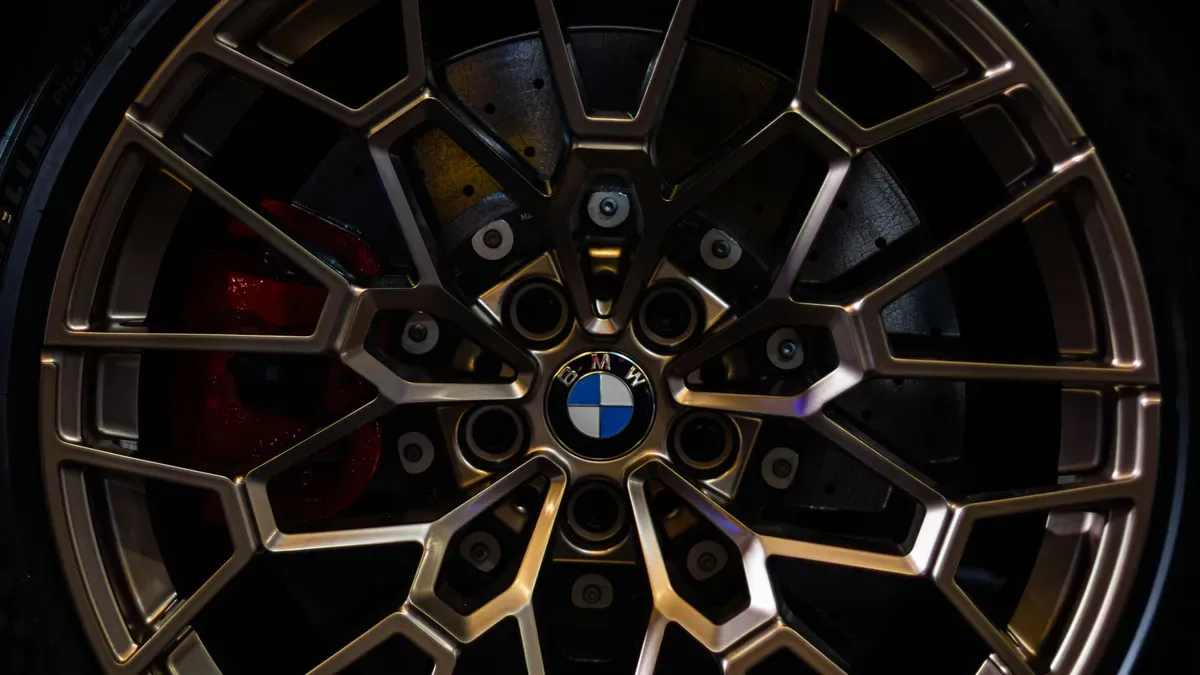
You see the wheel rim as the outermost part of the wheel. It forms the supporting surface for tires and supports the bead of the tire. This key piece of wheel anatomy helps maintain air pressure. Choosing new rims and understanding their function keeps your vehicle safe and running well.
Key TakeawaysThe wheel rim keeps the tire on the wheel. It also helps the tire stay full of air. This is very important for your safety when you drive. - You should check your rims often to see if they are damaged. This helps stop air from leaking out. It also makes sure the tire fits right. - Picking the best rim size and what it is made of can help your car drive better. It can also make your car work better.
The wheel rim is the round edge on the outside of your wheel. It holds the tire in place and helps keep air inside the tire. In cars, the wheel rim is the outer ring that supports the tire bead and keeps the tire full of air. The wheel rim has a U-shape. This shape lets the wheel tyre rim grip the tire bead tightly. That is important for tire rim fitting and making sure the wheel fits right.
Tip: Always look at the wheel rim for damage or wear. If the rim is damaged, air can leak out and mounting the tire gets harder.
The wheel rim has different parts. Each part helps keep the tire safe and makes sure the wheel fits right. Here is a table that shows these parts:
|
Component |
Description |
Contribution to Tire Retention |
|---|---|---|
|
Rim Flange |
Outermost part, contacts the tire bead |
Secures the tire; prevents air leaks |
|
Bead Seat |
Area where the tire bead rests and seals |
Maintains inflation; keeps tire in place |
|
Drop Center (Well) |
Deepest part of the barrel |
Helps with tire mounting; absorbs impacts |
|
Barrel |
Cylindrical section housing the drop center |
Affects tire fitment and air volume |
|
Outboard Face |
Visible part with spokes |
Influences weight and brake clearance |
|
Hub Core |
Center hole fitting over the vehicle hub |
Ensures proper centering; prevents vibrations |
|
Mounting Pad |
Flat surface contacting the hub |
Critical for wheel positioning and offset |
You should know about these parts. Each one helps the wheel tyre rim hold the tire and support the tire bead.
The wheel rim does many important jobs in your car. You need the rim to hold, seal, and protect the tire. The rim is a strong anchor for the tire bead. This anchor keeps the tire from slipping off when you drive. The wheel rim makes a tight seal with the tire bead, especially in tubeless tires. This stops air from leaking out. Keeping air in the tire is important for safety and good wheel fitment.
The wheel rim holds the tire bead and keeps the tire’s shape.
It makes sure the tire fits tight and does not slip or lose air.
The rim’s shape keeps the tire in place and full of air, which is important for safety.
The wheel rim also helps take in bumps and protects the tire bead. When you hit a pothole or curb, the rim spreads out the force. This makes the hit less hard on the rim and tire. Some rims use special materials or layers to soak up shocks and stop punctures. These things help the rim and the wheel tyre rim last longer.
Note: Things like potholes, hitting curbs, bad alignment, too much weight, and rough driving can hurt the rim. Check your rims often to avoid these problems.
There are rules for rim size and shape set by the Tire and Rim Association. Makers follow these rules to make sure the wheel fits right and the tire rim fits well. The rim width and diameter must match the tire size for safe use. If the rim is too narrow or too wide, it can change the tire’s shape, how it handles, and how safe it is. The wheel rim also gives the tire strength, so it can handle bending when you drive.
The rim keeps the tire’s shape and helps it fit right.
The rim’s material and thickness make it strong and help it take hits.
Having the right rim thickness and strength is important for your car’s safety.
You need to pick the right wheel tyre rim for your car. Good wheel fitment means the tire rim fits tight, supports the tire bead, and keeps the tire full of air. This choice changes how your car drives, how safe it is, and how long the rim and tire last.
Wheel Rim vs. Wheel and Tire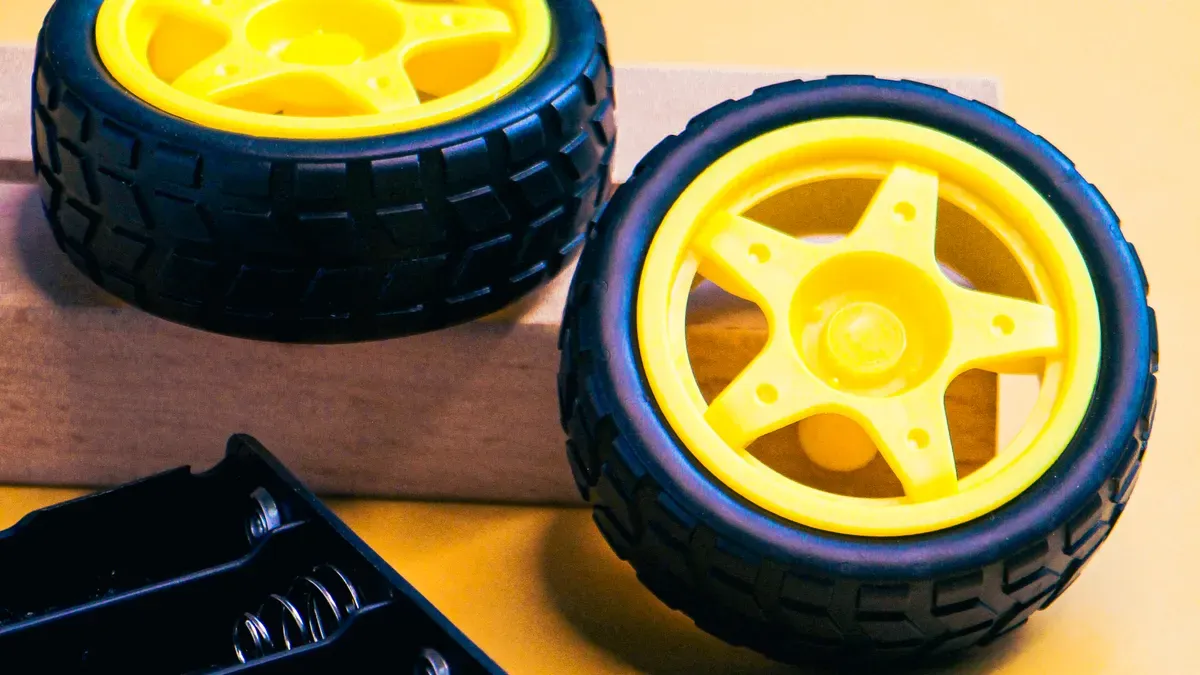
You might hear people use the words wheel, rim, and tire as if they mean the same thing. They do not. Each part has a special job in your car. Look at this table to see the main differences:
|
Term |
Description |
|---|---|
|
Wheel |
A complete mechanical structure that connects a vehicle to the ground, including the rim, hub, and sometimes spokes. It serves as the mounting base for the tire. |
|
Rim |
The outer ring of the wheel that holds the tire in place, supporting the tire's bead and maintaining air pressure. |
|
Tire |
A round, flexible component made of rubber and other materials that fits over the rim, providing traction and absorbing road impact. |
You need to know these differences. The wheel is the whole unit that connects your car to the road. The rim is just the outer part that holds the tire. The tire is the rubber part that touches the ground. If you use the wrong word, you might get the wrong part or confuse your mechanic. Knowing the right terms helps you talk about repairs and upgrades. It also helps you keep your car safe.
Tip: If your rim bends or your tire loses air, your car will not drive well. Always check each part for damage.
The function of a wheel is to connect your car to the road and help it move. The wheel holds the rim and the tire together. It also attaches to the axle and supports the weight of your car. When you drive, the wheel turns and lets your car roll forward or backward.
The wheel links the tire to the axle so your car can move.
It supports the load of your car and helps with steering.
The wheel must fit tightly to the hub for smooth driving.
If you pick the wrong wheel size or type, your car might not handle well. Heavy wheels can slow your car down and use more fuel. Lighter wheels can make your car faster and help it stop better. A good wheel also spreads out the force when you hit bumps, which protects your car and makes the ride smoother.
Types of Wheel Rims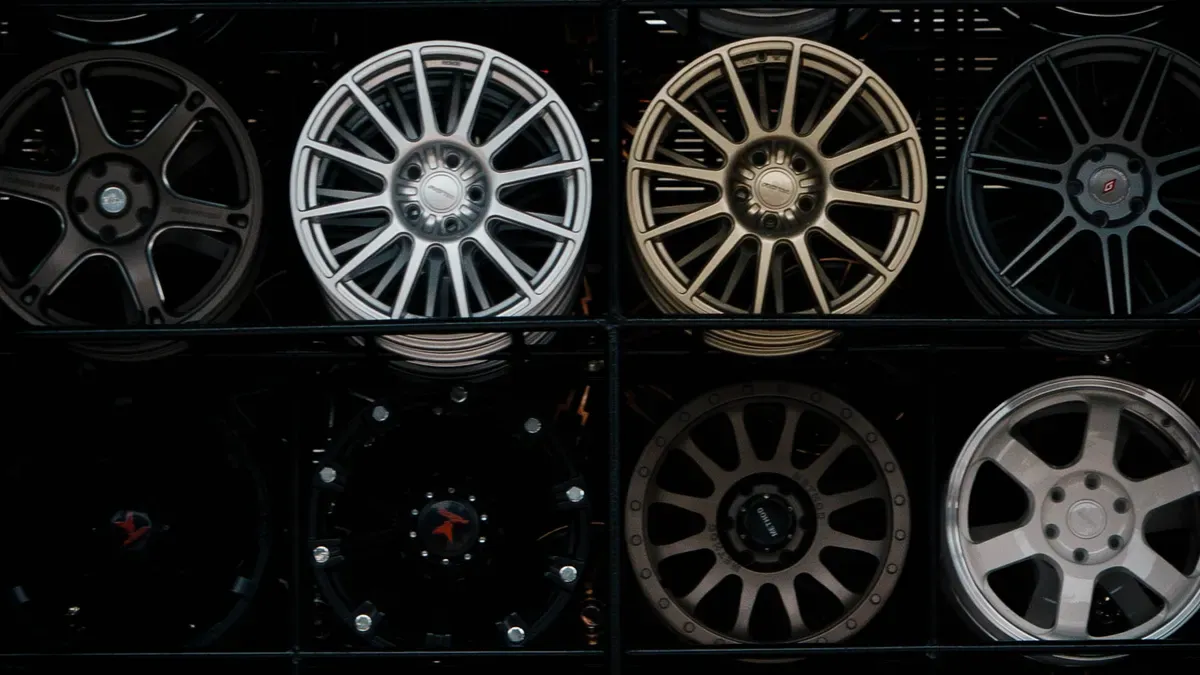
You can find many types of tyre rim materials and designs on the market. Each one offers unique benefits for your vehicle. Here are some common materials used for rims:
Alloy wheels use aluminum or magnesium. These rims are strong and light, which helps your car handle better and use less fuel.
A356.2 aluminum rims have great castability. You see them in complex designs that look stylish and fit many cars.
T6-6061 aluminum rims stand out for their strength and resistance to rust. You can trust them for heavy loads and tough conditions.
AA7075 aluminum rims are very strong and light. You often see these in racing cars where tire performance matters most.
Steel rims are heavier but cost less. They last a long time and are easy to repair if damaged.
Rim designs also change how your car looks and works. Some rims have classic styles, while others show off bold patterns or special finishes. You can pick a rim that matches your taste and your car’s needs. Some designs help cool your brakes or make your car more aerodynamic.
Your choice of tyre rim affects both safety and tire performance. Lightweight rims, like those made from alloys, lower the unsprung weight of your car. This makes your car handle better and stop faster. Steel rims add weight, which can make your ride smoother but may slow down acceleration.
The size and shape of the rim also matter. If you pick a rim that is too wide, you might feel more vibration and less comfort. The right rim helps your tire fit well, which improves tire performance and keeps you safe on the road.
You should know that original equipment rims go through strict testing for safety. Aftermarket rims may not always meet these standards. Always check that your tyre rim matches your car’s needs for the best results.
Tip: Choose a rim that fits your driving style and local road conditions. This helps you get the best mix of safety, comfort, and tire performance.
You now know the wheel rim supports and seals the tire, keeping your ride safe. Always check for damage and clean your rims often. Remember, the rim, wheel, and tire each have a unique job. Regular rim care helps prevent tire leaks, uneven tire wear, and dangerous tire failures.
Inspect rims for cracks or bends.
Rotate tires every 6,000 to 8,000 miles.
Clean rims after driving in harsh conditions.
You see the wheel rim as the outermost part of the wheel. The tire fits over the rim and touches the road. Each has a unique function.
The wheel rim supports the bead of the tire and creates a tight seal. This seal helps you maintain air pressure and improves tire performance.
Proper wheel fitment ensures the tire rim fitting is secure. You get better handling, less vibration, and safer driving when the wheel anatomy matches your vehicle.
Please leave your requirements and contact information, and we will send you the quotation information as soon as possible.