Date: 2026.06.24 Click: 14
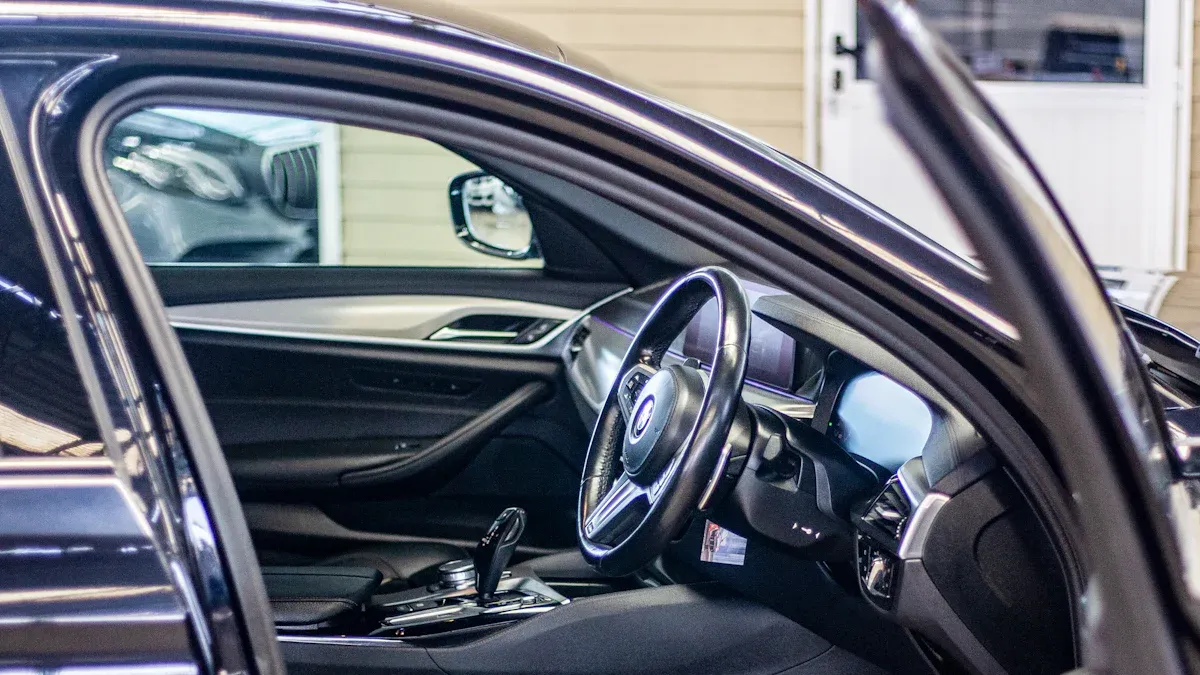
You see a car door as a hinged or sliding panel that lets you enter or exit a car. The car door protects you, keeps your belongings safe, and adds comfort. You use the car door every time you get in or out of a vehicle. Many people do not realize how important a car door is for safety.
Around 132,000 people each year get injured because a door closes on their bodies. This makes up 20% of all non-crash injuries.
You should understand the structure and purpose of a car door, or car door, to stay safe and comfortable.
A car door lets you get in and out. It keeps you safe and comfortable when you drive. It also protects your car from theft.
Check your car door often. Look for sticky locks or slow windows. This helps keep you safe.
Knowing the parts of a car door helps you spot problems. It also helps you take care of your car.
Car doors come in different designs. Each design has its own use. They make driving safer and easier for everyone.
If you take care of your car door, you can stop small issues from getting worse. This keeps you safe while driving.
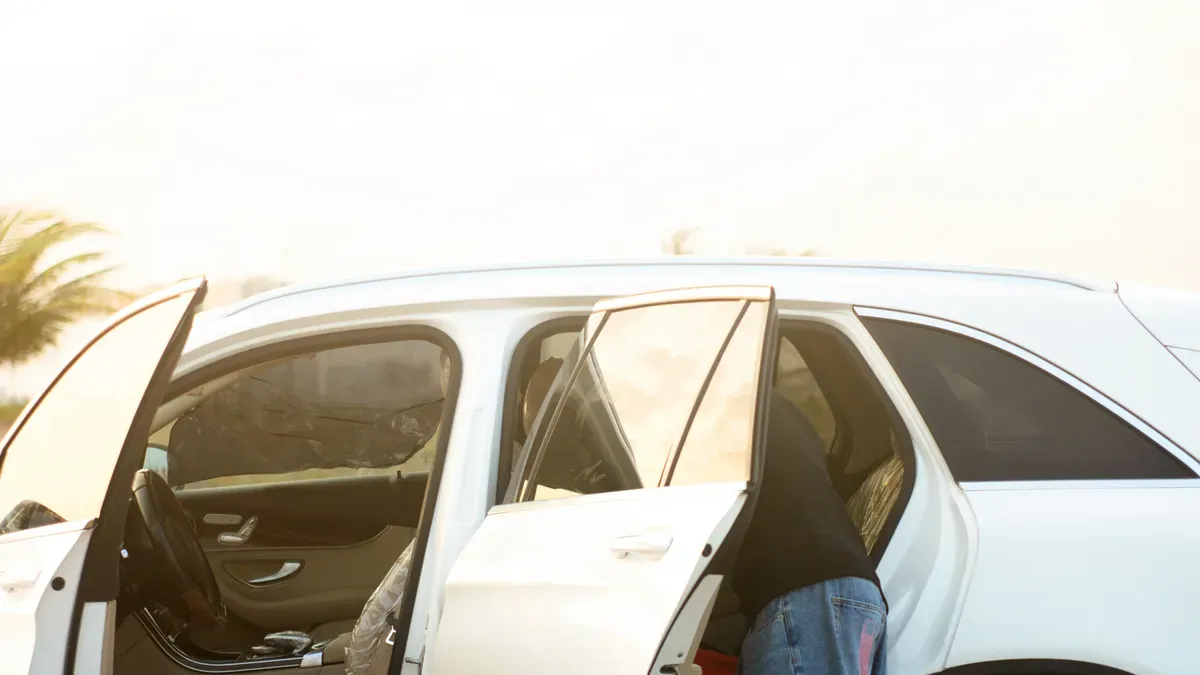
A car door, or car door, is a movable panel that lets you enter or exit a car. You usually find it attached to the car body with hinges, but some models use sliding mechanisms. The car door forms a barrier between the inside and outside of the vehicle. You use the car door every time you get in or out, making it a key part of your daily routine.
You see many types of car doors in passenger vehicles. Here are the most common designs:
Conventional Door
Dihedral Door
Sliding Door
Gull-Wing Doors
Swan Door
Butterfly Doors
Canopy Doors
Front-Hinged Doors
Suicide Doors
Pocket Door
The design of the car door depends on the type of vehicle. Sedans usually have four doors, which makes access easy for families. SUVs often use conventional hinged doors but may have larger openings for easier entry. Trucks sometimes feature extended cab designs with extra rear doors or sliding doors for tight spaces. Over time, car door designs have changed to meet the needs of drivers and passengers. Early sedans had two doors, but after World War II, four-door models became popular because families needed more access.
Automotive standards organizations set rules for car door structure and function. These rules make sure that automatic door openers help drivers with disabilities. They require emergency quick release mechanisms in case of power failure. Any changes to the car door must keep its strength and safety.
The car door, or car door, is more than just a panel. It is a carefully designed part of the car that protects you and makes your journey easier.
You rely on the car door for several important functions. Each function helps you stay safe, comfortable, and secure inside the vehicle.
Access: The car door lets you enter and exit the car easily. You open the door to get in and close it to stay inside. The design of the door affects how simple this process is for you.
Safety: The car door protects you during a crash. The structure, including the A and B pillars, keeps the car strong and absorbs crash forces. This design helps redirect impact away from you and other passengers.
Security: The car door keeps your belongings safe. Locks and latches prevent unwanted entry. You can trust the door to protect your valuables when you leave the car parked.
Visibility: Windows in the car door let you see outside. You can check traffic, spot obstacles, and enjoy the view. Good design improves your visibility and makes driving safer.
Comfort: The car door shields you from wind, rain, and noise. It helps control the temperature inside the car. Features like armrests and window controls add to your comfort.
You see how each function works together to make your experience better. The car door, or car door, is not just a way to get in and out. It is a vital part of the car that supports your safety, security, and comfort. Car door designs continue to evolve, making sure you get the best protection and convenience.
Essential Car Door Parts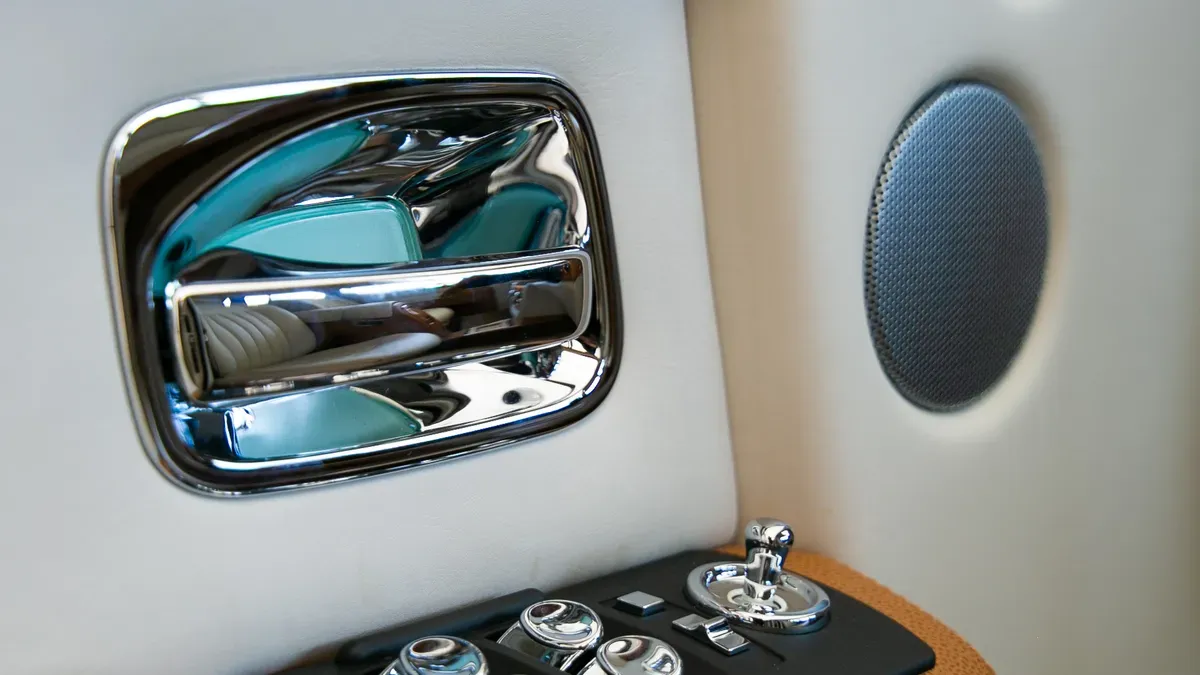
When you look at a car, you notice several important car door parts on the outside. These parts help you open, close, and secure the door. The table below shows the main external components and the materials used for each:
|
Component |
Material Used |
|---|---|
|
Exterior Panel |
Steel |
|
Window |
Glass |
|
Brakes/Stays |
Metal |
You use the exterior panel for protection and style. The window lets you see outside and brings in light. Brakes or stays hold the door in place when you open it. Handles give you a way to pull the door open. Hinges connect the door to the car body and allow it to swing. You also find locks on the outside. These locks keep your car safe by stopping people from getting inside without a key. Some cars have electronic locks that let you unlock the door with a button or remote. High-strength materials in the locks make them last longer and work well in tough weather.
Tip: Always check your locks before leaving your car to make sure your belongings stay safe.
Inside the car door, you find many car door parts that work together as a mechanism. These parts make the door easy to use and keep you comfortable. Here are the main internal components:
Window regulator: Moves the window up and down.
Window switch: Lets you control the window.
Door panel: Covers the inside and hides the mechanism.
Door locks and latches: Make sure the door closes tight and stays locked.
Power window motor: Moves the window automatically.
Door switch: Turns on the dome light when you open the door.
Car door speakers: Play music and sounds.
Door carrier: Holds the mechanism, handles, and locks in one unit.
The mechanism inside the door uses electrical circuits, sensors, and relays. These parts help the window move smoothly and make sure the door does not close on your hand. Door control panels let you open or close the window and lock the door. Lock-out systems keep the mechanism working even if something goes wrong. All these car door parts work together as a mechanism to give you safety, comfort, and easy use.
Functions of Car Door PartsYou use the car door whenever you need to get inside. The opening mechanism makes this easy and smooth. Handles, hinges, and latches work together to open the door. When you pull the handle, the latch lets go, and the hinges let the door swing open. Some cars have electric opening mechanisms. These let you unlock and open the door with a button or remote. These features help you get in and out fast, even if your hands are full. For the back seats, sliding doors or wide-opening doors make it easier for you and your friends to get in or out, especially when parking is tight.
|
Mechanism |
Function |
|---|---|
|
Take in and spread out crash energy in side accidents, so the door does not bend into the cabin. |
|
|
Inflatable side curtains |
Pop out to protect people’s heads during side crashes, lowering the chance of head injuries. |
|
Stop water from getting in and block outside noise, making the ride more comfortable. |
|
|
Tight-fitting seals |
Help the car move better by keeping air out, which cuts down on wind noise. |
|
Structural reinforcements |
Make the car body stronger and give more side crash protection by joining with the main frame. |
The car door keeps you and your things safe. The opening mechanism has locks and latches that keep the car locked when you are not inside. Electric motor doors make it harder for thieves to break in. These systems work with alarms and immobilizers, so your car stays safe. Most car thefts happen in cars without these features. Safety parts like side intrusion beams and inflatable side curtains protect you in a crash. Automatic door unlocking helps rescue workers reach you fast after an accident. Tempered glass in the car door breaks into small pieces, so you are less likely to get cut.
|
Safety Feature |
Description |
|---|---|
|
Side Intrusion Beams |
Strong steel bars that take in and spread out crash energy. |
|
Inflatable Side Curtains |
Come down from the roof to protect people’s heads in side crashes. |
|
Automatic Door Unlocking |
Opens the doors when airbags go off, so rescue workers can get in quickly. |
|
Tempered Glass |
Breaks into tiny pieces to lower the chance of cuts. |
|
Sensor Technologies |
Stop the door from closing by accident and keep you safe. |
You feel good inside the car because of the opening mechanism and other car door parts. Weatherproof seals and tight seals keep out rain, wind, and noise. The window lets in sunlight and gives you a clear view outside. Fixed windows cut down on blind spots and make the car look nicer. You can listen to music from speakers in the door. These features make your ride fun and safe. Good visibility helps you see traffic and things in your way, so every trip is easier.
Windows make the car more comfortable, help you see better, and can even raise the car’s value.
Fixed windows let in more light and help you see better.
The opening mechanism makes the window move smoothly for better control.
Common Car Door IssuesTip: Check your car door opening mechanism often to keep access, safety, and comfort working well.
Anyone can have problems with their car door. You might have trouble opening or closing it. Sometimes, the lock, window, or handle does not work right. If you know what causes these problems, you can fix them. This helps keep your car safe and easy to use.
Your car door might be hard to open or close. This can happen if the lock wears out or the seals break. Sometimes, the door does not line up right. This makes it stick or not close all the way. Cold weather can freeze the seals. Then, the door is hard to move. Hinges can wear out or break. Electronic parts can stop working. If the latch gets stuck or rusty, the door may not close.
Tip: Look at your car door for signs of damage. Put oil on the hinges and locks so they move well. Clean the tracks and seals to stop dirt from causing problems.
You need car door locks to keep your car safe. Locks can get sticky, freeze, or become loose. Handles can also get loose. Sometimes, locks do not line up right. A sticky lock feels hard to turn. Try a different key, clean the lock, or use oil. In cold weather, locks can freeze. Warm the key or use a de-icer to open it. If handles or locks are loose, tighten the screws. If the lock does not line up, do not slam the door. Ask a car expert for help. If the key will not go in, check that you have the right one. Do not force it.
|
Advancement Type |
Description |
|---|---|
|
Environmental Resistance |
Motors built to handle water, dirt, and heat last longer and need less fixing. |
|
Material Science |
New materials make motors stronger and last longer, so they break less. |
|
Durability Enhancements |
Strong plastics and aluminum make doors lighter but still tough and long-lasting. |
|
Safety Features |
New latch systems work with crash sensors to keep you safer in an accident. |
Problems with windows and handles can make your ride worse. Power window switches can stop working if used a lot. Accidents can bend the door and mess up the window. If the window moves slow or not at all, the motor might be broken. Dirty or broken seals can block the window. Bad wires can stop the window from moving. Handles can stick or break if parts inside wear out.
To fix these problems, change the power window switch if it breaks. Replace the motor if the window will not move. Clean or change the window seals to help them work. Check the wires if nothing else works. For handles, look for broken parts and change them if needed.
Note: Check your car door often and fix small problems early. This can stop most window and handle troubles.
You now know that a car door gives you access, safety, security, and comfort. Each part of the door helps protect you and makes your drive easier.
Learn the names and roles of car door parts.
Check your car doors often for problems.
Fix small issues before they become big ones.
FAQTip: Regular care keeps your car doors working well and keeps you safe every day.
You should check if the lock is stuck or if the handle is broken. Try using your spare key. If the door still will not open, ask a mechanic for help.
You should check your car door parts every few months. Look for loose handles, sticky locks, or slow windows. Regular checks help you find problems early.
Car makers design different car door styles to fit the needs of drivers and passengers. Some styles make it easier for you to get in and out. Others focus on safety or looks.
You can try pressing the window switch again. If it still does not move, check the fuse or listen for the motor. If nothing works, visit a repair shop.
You should clean the seals, oil the hinges, and check the locks. Fix small problems right away. This helps your car door last longer and keeps you safe.
Please leave your requirements and contact information, and we will send you the quotation information as soon as possible.