Date: 2026.06.22 Click: 20

You can find out if your crankshaft position sensor is bad by looking for warning signs and using simple tools. A broken sensor can make your car hard to start. It can cause your car to stall for no reason. It can make the RPMs jump around. It can cause misfire codes. It can lower your gas mileage. It can make your engine shake.
The sensor might send wrong data. This can make the air and fuel mix badly. It can cause weak burning in the engine.
Crankshaft position sensors break more often than camshaft sensors. This is because the engine is tough on them. Acting fast helps your engine work well and last longer. You do not need special skills. You just need patience and easy steps.
Key TakeawaysLook for signs of a bad crankshaft position sensor. These signs include hard starting, stalling, and rough idling. - Use an OBD-II scanner to find trouble codes like P0335. These codes show there are sensor problems. - Check the sensor’s resistance with a multimeter to see if it is bad. If you get zero or infinite readings, there is a problem. - Fix a bad sensor fast to stop more engine damage. This also helps your car use less fuel. - Doing regular maintenance and using good parts can make your crankshaft position sensor last longer.
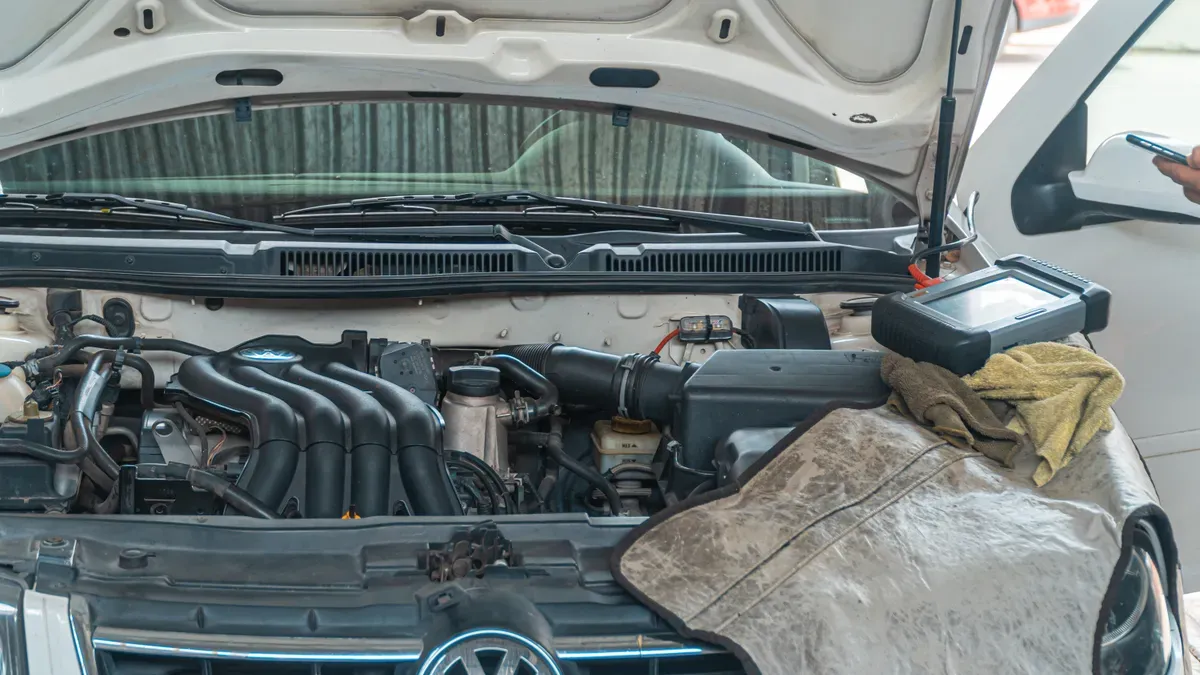
You can notice a bad crankshaft position sensor if you watch your car closely. These signs tell you when to use a scan tool or look for trouble codes.
Your car might need many tries to start. Sometimes, it will not start at all. The engine can stop while you are driving. Mechanics see these problems a lot with a bad crankshaft position sensor.
Hard starting (needs many tries)
Car will not start
Engine stops while driving
If you notice these problems, check for crankshaft position sensor issues right away.
The check engine light can turn on if the crankshaft position sensor is bad. You might feel the engine misfire. The engine control unit cannot set the ignition right. This makes the engine run rough and slow to speed up.
You can use a scan tool to read trouble codes. The most common codes for a bad crankshaft position sensor are:
|
DTC Code |
Description |
|---|---|
|
P0335 |
Crankshaft Position Sensor Circuit |
|
P0340 |
Camshaft Position Sensor Circuit (related) |
The crankshaft position sensor tells the engine about speed and position. If it is not working, the engine gets mixed-up signals. This messes up ignition and fuel timing. You might hear strange engine noises too.
Your car may not speed up well when you press the gas. Poor acceleration happens when the crankshaft position sensor gives wrong data. The engine cannot set spark or fuel timing right.
Rough idling is another sign of a bad crankshaft position sensor. The engine shakes and does not run smooth.
Poor acceleration
Rough idling
Strange engine noises
If you see these signs, use a scan tool to check for trouble codes. Acting fast can stop more engine problems.
How to Test Crankshaft Position Sensor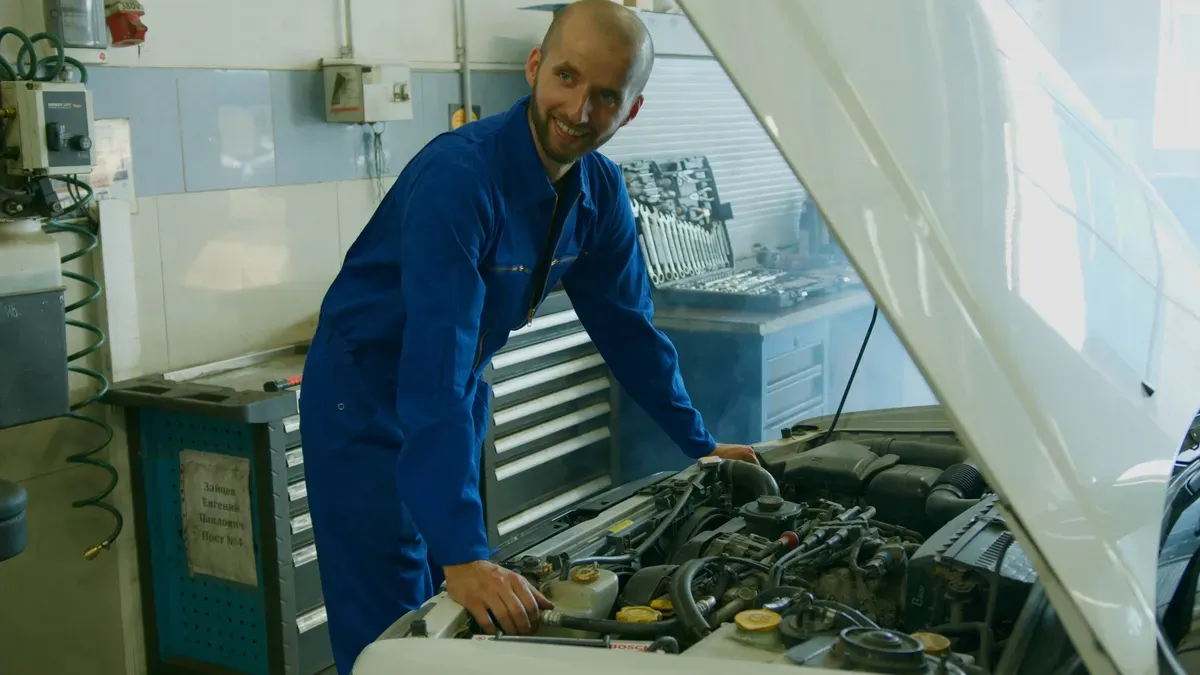
You can test the crankshaft position sensor with basic tools. You do not need special equipment for this job. You can use an OBD-II scanner, check RPM numbers, and use a multimeter to test resistance. These steps help you find a bad crankshaft position sensor and keep your engine working well.
Start by using an OBD-II scanner. This tool plugs into your car’s diagnostic port. It reads trouble codes and shows live data.
Turn off the engine and connect the OBD-II scanner under the dashboard.
Turn the key to "ON." Do not start the engine.
Read the trouble codes. Look for codes like P0335 or P0340. These codes often mean the crankshaft position sensor is bad.
Check the live data. Find the RPM number. If the sensor works, the RPM will change when you crank the engine. If the RPM stays at zero, the sensor might be bad.
Tip: Always check the wiring and connectors before you replace the sensor. Loose wires or rusty connectors can cause the same problems.
You can check RPM and sensor readings to see if the crankshaft position sensor sends the right signals.
Start the engine and watch the RPM gauge. If the gauge jumps or stays at zero, the sensor may not work.
Use the OBD-II scanner to watch the RPM while cranking the engine. If the RPM does not move, the sensor may be bad.
Compare the numbers to your car’s manual. Each car has a normal RPM range when cranking.
Note: If you see strange RPM numbers, check for broken wires or connectors. Many people forget to check wiring and make mistakes when testing.
You can use a multimeter to test the resistance of the crankshaft position sensor. This step helps you know if the crankshaft position sensor is bad.
Step-by-step instructions:
Disconnect the negative battery cable. This keeps you safe from electric shock.
Take out the crankshaft position sensor from the engine.
Set your multimeter to measure resistance (ohms).
Put one lead on each wiring terminal of the sensor.
Read the resistance value on the multimeter.
If the reading is zero, the sensor has a short circuit. If the reading is infinite, the sensor has an open circuit. Compare your reading to the numbers in the manual. If the resistance is not in the right range, you have a bad crankshaft position sensor.
Here is a table with common resistance values for popular cars:
|
Vehicle Model |
Expected Resistance |
Voltage Range |
|---|---|---|
|
Ford F-150 (2015-2020) |
250-700 ohms |
5V |
|
Honda Civic (2016-2021) |
200-600 ohms |
0.5-5V |
|
Toyota Camry (2015-2020) |
300-900 ohms |
4-5V |
If your sensor does not match these numbers, you should replace it.
Safety Precautions Table:
|
Safety Precaution |
Description |
|---|---|
|
Disconnect the battery |
Always disconnect the negative battery cable before starting work to prevent electrical shock or short circuits. |
|
Raise the vehicle |
Make sure the car is on jack stands so it does not fall while you work. |
|
Perform CKP System Variation Learn Procedure |
This step is important after you put in a new sensor so the engine works right. |
Common mistakes to avoid:
Not checking wiring. Always look at wires and connectors for damage.
Not using the right numbers. Use the correct values for your car.
Testing with the battery connected. Disconnect the battery first.
Wrong multimeter settings. Set your multimeter to the right mode.
Tip: If you follow these steps, you can avoid mistakes and find a bad crankshaft position sensor fast.
You can use these easy methods to test your crankshaft position sensor. You do not need advanced skills. You only need patience and careful steps. If you find a bad crankshaft position sensor, you can fix the problem and keep your engine healthy.
What to Do If the Crankshaft Position Sensor Is BadWhen you finish testing, you need to know what your results mean. Here are the most common signs that show a faulty crankshaft position sensor:
No voltage changes or very weak readings when you test the sensor.
The sensor gives no signal at all, which may mean it is disconnected or damaged.
Irregular or jumpy signals, which can point to wiring problems or sensor wear.
Hard starting, engine stalling, or rough idle, which often happen when the sensor fails.
You should also check the resistance with a multimeter. Zero resistance means a short circuit. Infinite resistance means an open circuit. If your readings do not match the numbers in your car’s manual, you likely have a faulty crankshaft position sensor. Always compare your results to the manufacturer’s specifications.
Tip: If you see the same trouble code after clearing the check engine light, the sensor or its wiring may still have problems.
If your tests confirm a faulty crankshaft position sensor, you can choose to repair or replace it. Here is a simple guide to help you:
Gather your tools and a new sensor.
Find the sensor on your engine.
Disconnect the electrical connector.
Remove the bolts and take out the old sensor.
Clean the sensor port and check for dirt or debris.
Install the new sensor and tighten the bolts to the correct torque.
Reconnect the electrical connector.
Test the new sensor to make sure your engine runs well.
If you do not feel comfortable doing this job, you should ask a professional mechanic for help. Some jobs cost more if your car is hard to work on or if you live in a big city.
|
Cost Range |
Description |
|---|---|
|
$143 - $223 |
Average cost for straightforward replacements. |
|
$600 - $800 |
Possible cost in high-rate metro areas or complex jobs. |
When you buy a new sensor, look for trusted brands. Many drivers trust Bosch and Hella for reliable parts. Some Hella-Behr sensors get mixed reviews, so check where the part is made.
Note: Always inspect the wiring and connectors before replacing the sensor. Sometimes, fixing a loose wire can solve the problem without buying a new part.
If you follow these steps, you can fix a faulty crankshaft position sensor and keep your engine running smoothly.
You can find out if your crankshaft position sensor is bad by looking for signs. You can use a scan tool and a multimeter to test it. Fixing the problem fast can stop engine misfires and high gas use. It also keeps engine parts safe.
The sensor gives important data to the engine control unit.
Waiting too long to fix it can make the car stall. It can also hurt the catalytic converter.
If you want your sensor to last longer, try these ideas:
|
Practice |
Description |
|---|---|
|
Scheduled Maintenance |
Check your car often to stop sensor problems and engine issues. |
|
Keep the Engine Clean & Avoid High Temperatures |
A clean engine and cool air help protect the sensor. |
|
Inspect Wiring |
Look at wires for damage or rust so signals stay strong. |
|
Use Quality Parts |
Pick good brands to help your sensor last longer. |
You can fix the sensor yourself or get help from a mechanic. These steps can help your engine stay in good shape.
FAQYou risk engine stalling, poor performance, and higher fuel use. Ignoring the problem can damage other parts. You should fix the sensor quickly to keep your car safe.
You can drive for a short time, but your car may stall or run rough. You should not wait. Replace the sensor soon to avoid bigger problems.
Most repairs cost between $143 and $223. Prices can go higher in big cities or for hard-to-reach sensors. You can check with your local shop for exact costs.
You only need basic tools like an OBD-II scanner and a multimeter. You do not need advanced equipment. You can test the crankshaft position sensor at home.
Yes, a faulty sensor often triggers the check engine light. You can use a scan tool to read trouble codes and find out if the sensor is the cause.
Please leave your requirements and contact information, and we will send you the quotation information as soon as possible.