Date: 2026.06.12 Click: 50
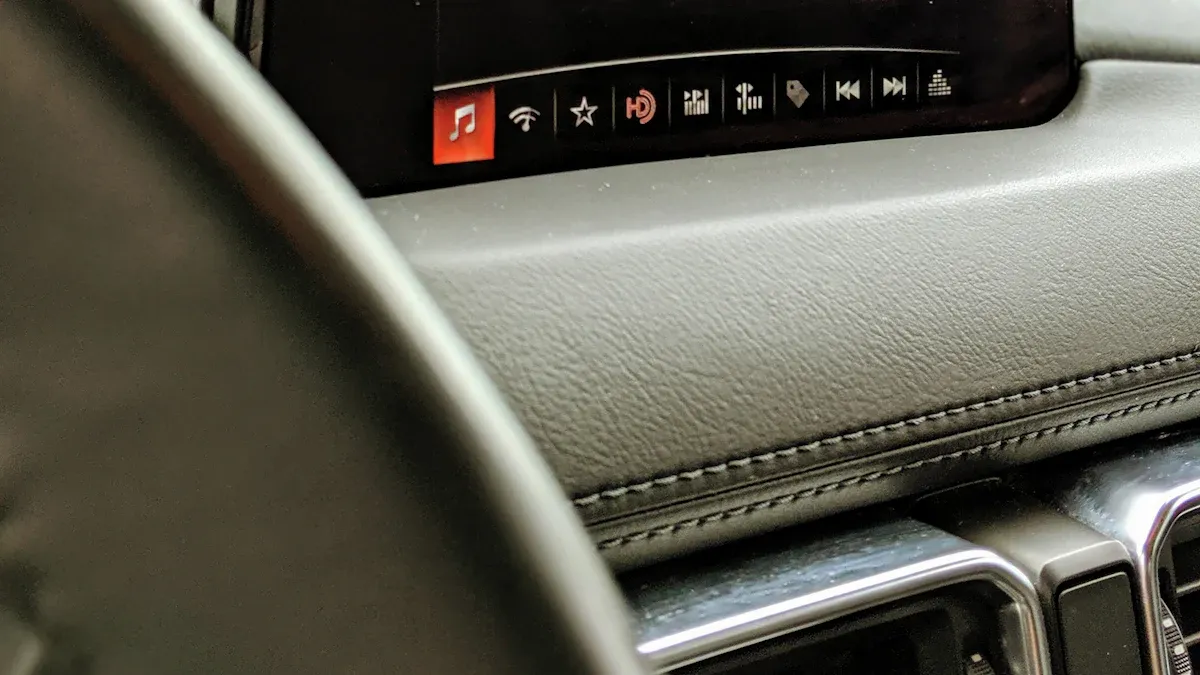
You use car sensors each time you drive. These devices help explain what sensors are. They act like the eyes and ears of your car. Car sensors watch your car’s systems and the area around it. They do this in real time. This helps your car stay safe and work well. For example, oxygen sensors, mass air flow sensors, and airbag crash sensors all work together. They keep you safe and help your car use fuel better. In modern cars, sensors make driving easier. They help stop accidents and make every trip smoother.
Key TakeawaysCar sensors are like your car’s eyes and ears. They watch systems and the area around your car. They do this all the time. This helps keep you safe and makes your car work better.
It is very important to take care of sensors. If you keep them working well, your car will be safe. Your car will also run better.
Advanced driver assistance systems use sensors. These systems help stop crashes. They also make driving easier.
Knowing how sensors work is helpful. For example, tire pressure and lane departure sensors are important. This can help you make good choices about your car’s safety.
Car sensors help keep you safe. They also help save gas and lower pollution. This makes driving better for you and the planet.
Sensors help you every time you drive. They gather information about your car and what is around it. Sensors send signals to the Electronic Control Unit, called the ECU. The ECU is like your car’s brain. It uses software to read sensor data right away. Algorithms look at this data and make things happen, like changing how the car works or turning on safety features.
Here is an easy way to understand how sensors work:
Sensors pick up data and send it to the ECU.
The ECU checks the data with software.
The system decides what to do, like warning you or changing settings.
Many sensors keep you safe and comfortable. For example:
Adaptive cruise control uses radar sensors to keep space between cars.
Rain-sensing wipers notice water and turn on by themselves.
Tire pressure sensors tell you if a tire needs air.
Dynamic stability control uses speed sensors to stop skidding.
Sensors also watch how you drive. Some systems use infrared sensors to see if you are paying attention. If you get tired or distracted, the system can sound alarms or change speed. This helps you react faster when something important happens.
|
Feature |
Description |
|---|---|
|
Sensors Used |
Infrared for eye monitoring, alcohol detection sensors |
|
Functionality |
Watches alertness and impairment |
|
Alerts |
Sounds alarms, changes speed |
|
Communication |
Sends alerts to phones |
How do sensors talk to computers in your car? Sensors use special technology to share data with onboard computers. These computers look at information from many sensors at the same time. They must match up data and work quickly. Even a short wait can make things unsafe.
Modern cars use V2X communication. This lets your car swap data about speed, direction, and braking with other cars and road systems. The computer uses this data to spot dangers, traffic, or bad weather. It can make the car brake or steer by itself.
Advanced driver assistance systems, called ADAS, need sensors and computers to work together. These systems help you avoid crashes, stay in your lane, and drive safely. Sensors and computers working together make driving better and keep your car running well.
Car Sensors for Vehicle SafetyTip: Keep your sensors and computers in good shape with regular maintenance. This helps your car stay safe and work right.
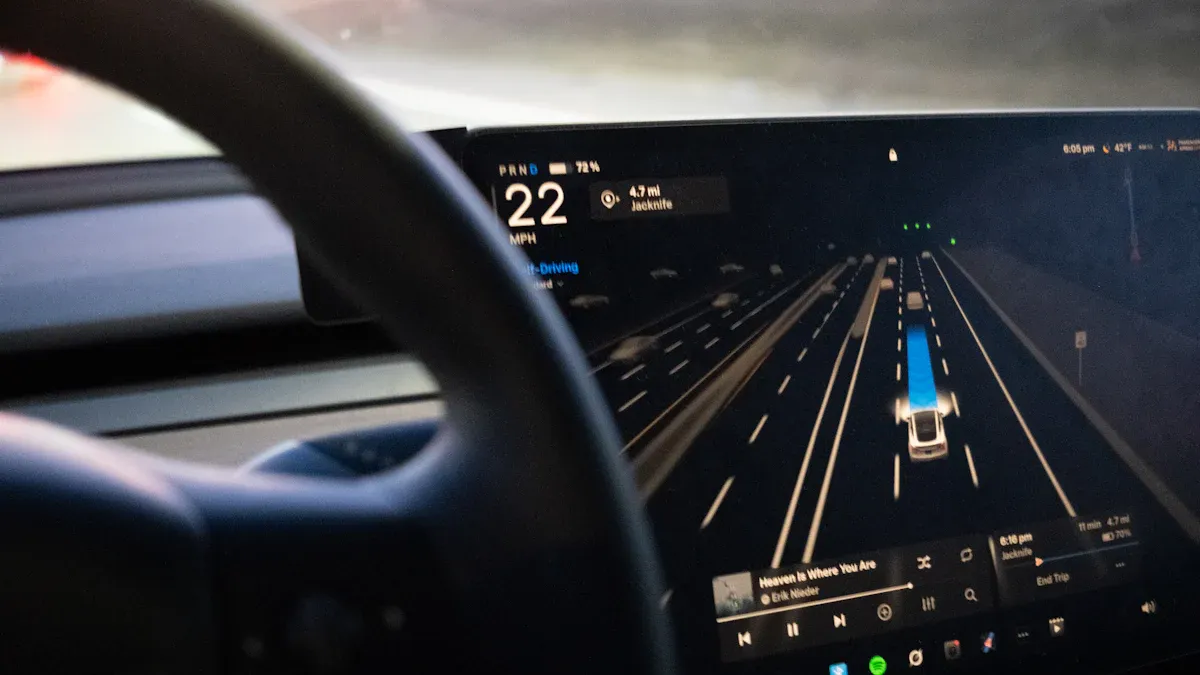
Modern cars use safety sensors to keep you safe. These sensors help your car find dangers and warn you. They also help stop accidents from happening. Advanced driver assistance systems use real-time data to protect you. Let’s see how each sensor helps make your car safer.
Airbag and crash sensors protect you in a crash. The airbag controller is the main part of the airbag system. It checks signals from crash sensors all the time. Crash sensors notice fast stops and strong hits. When a crash happens, the controller looks at the data right away. It decides if the airbags should go off. The whole process takes about 20 to 30 milliseconds. This quick action helps soften the blow before you move forward.
The airbag controller uses crash detection algorithms to check many sensors.
It uses sensor fusion to compare signals for better accident detection.
The system checks how hard, which way, and how long the crash lasts to decide about airbags.
Safety sensors work with other systems for full protection. Adaptive restraint systems use your height, weight, and seat position to set airbag deployment. The controller talks to other ECUs to help with safety, like stopping fuel during airbag deployment. Advanced algorithms help stop airbags from going off by mistake, making your car safer.
Note: Airbag and crash sensors work with other safety sensors to give you the best protection in every crash.
ABS and tire pressure sensors help you control your car and brake better. The anti-lock braking system (ABS) uses sensors to watch wheel speed. If a wheel locks up, the system changes brake pressure to stop skidding. This keeps your car steady and helps you steer.
Tire pressure monitoring system (TPMS) and tire pressure sensors warn you when tire pressure is too low. There are two kinds of TPMS: direct TPMS uses sensors inside each tire, and indirect TPMS uses ABS wheel speed sensors to find low pressure. Keeping tires filled lowers crash risk from tire problems by 55%. Good tire pressure helps your car stop faster, handle better, and stay stable.
Indirect TPMS uses ABS wheel speed sensors to find low tire pressure.
Alerts warn you about low tire pressure, lowering blowout risk.
Good tire pressure helps you control your car better.
Proper tire pressure helps your car stop faster.
Smart TPMS now checks tire temperature, gives real-time updates, and sends maintenance alerts. Wireless and battery-free sensors are being made to make care easier. Advanced diagnostics can find uneven tire wear or alignment problems. AI and machine learning help spot tire issues before they get bad.
Lane and blind spot sensors help you stay safe on the road. Lane departure warning systems tell you if your car leaves its lane. Blind spot detection uses radar and cameras to watch places you cannot see. These systems give you lights or sounds when another car is in your blind spot.
|
Technology |
Crash Type |
Reduction in Crash Rate (%) |
Reduction in Injury Crash Rate (%) |
|---|---|---|---|
|
Lane Departure Warning |
Single-vehicle, sideswipe, head-on |
11% |
21% |
|
Blind Spot Detection |
Lane-change crashes |
14% |
23% |
Blind spot monitoring systems use sensors and cameras to find things in your blind spots. Radar sensors can find cars or objects next to you. Cameras on mirrors or fenders show what is there. Some systems use both radar and cameras for a full view. If you try to change lanes and a car is in your blind spot, the system warns you with lights or sounds. Advanced systems can even steer your car back to the lane center to stop accidents.
Blind spot monitoring systems watch traffic in nearby lanes.
When a car is in your blind spot, the system warns you.
Some systems push your car away from the lane marker near the hazard.
Advanced systems can steer your car back to the lane center.
Tip: Lane and blind spot sensors help you notice more and make safer choices while driving.
Car proximity sensors and obstacle detection sensors help you avoid small crashes. These sensors send out sound waves to find close objects. You see them in parking assist systems and automatic emergency braking. They work best at slow speeds and short distances. Car proximity sensors give real-time feedback for careful moves in tight spaces. They are important for front and back obstacle detection in modern cars.
Uses ultrasonic waves to find nearby objects while parking.
Warns you with beeps or visual signals.
Helps stop small crashes, especially in crowded places.
Makes low-speed moves safer.
Automatic emergency braking uses pedestrian detection sensors and car proximity sensors to find obstacles and people. The system can brake if you do not react fast enough. This technology helps stop accidents and keeps people safe.
Different Sensors in a Vehicle for Performance and Efficiency🚗 Car proximity sensors make parking and driving in busy places much safer for you.
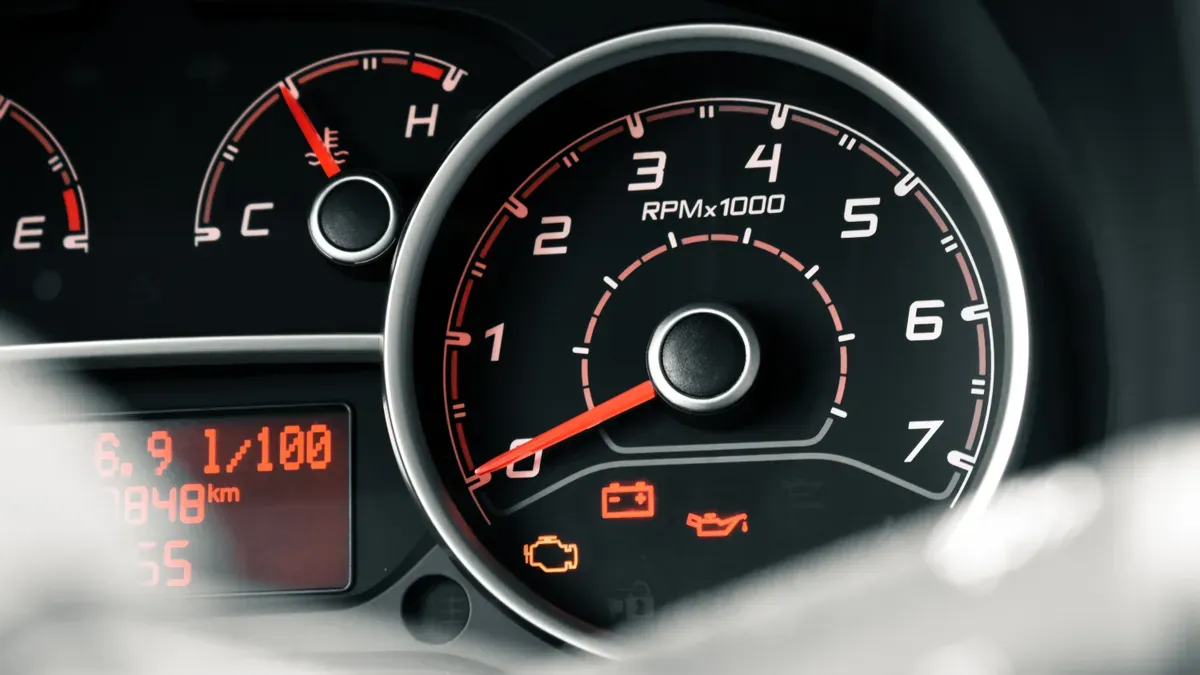
Modern cars have many sensors that help the engine work well. These sensors help your car use less fuel and make less pollution. They work together to keep your car running safely and smoothly. You can think of them as smart helpers for your car. They keep your engine healthy and help you avoid problems on the road.
Engine and oxygen sensors work together under the hood. Engine sensors help control how your car uses fuel. They check the mix of air and fuel in the engine. This makes sure the engine gets the right amount of both. Oxygen sensors are in the exhaust manifold. They measure how much oxygen is in the exhaust gases. This tells the car’s computer if the engine burns fuel well.
Engine sensors change the air-fuel mix for good combustion.
Oxygen sensors watch exhaust gases to keep the mix right.
These sensors help lower pollution and save fuel.
Oxygen sensors check the difference in oxygen in the exhaust and outside air.
The car’s computer uses this data to change fuel injection and keep the engine running well.
When you drive, the ECU uses real-time data from oxygen sensors. It changes the fuel mix to keep the engine working its best. If you press hard on the gas, the ECU makes the mix richer to protect the engine. This teamwork helps your car use less fuel and pollute less.
Tip: If your car’s oxygen sensor stops working, you might get bad gas mileage or rough engine performance. Check your sensors often to avoid these problems.
Mass air flow and throttle sensors are important for your engine. The MAF sensor measures how much air goes into the engine. The throttle position sensor checks how wide the throttle valve opens. Both sensors send data to the ECU.
The MAF sensor measures how much air goes into the engine.
The ECU uses this data to set the right amount of fuel.
The TPS tells the ECU how much air the engine gets by checking the throttle valve.
The ECU changes fuel injection and ignition timing for smooth driving and better fuel use.
These sensors help your car react fast when you press the gas pedal. They also help your car save fuel and make less pollution. If the MAF sensor does not work, your car may not speed up well or may use too much fuel. The TPS helps the engine run smoothly at all speeds.
Sensors like the MAF and TPS use special settings to stay accurate in different weather. They adjust for changes in temperature, humidity, and altitude. This means your car’s engine works well in the mountains or by the sea.
Fuel and temperature sensors keep your engine safe and help save fuel. The coolant temperature sensor checks how hot the engine gets. It helps the ECU manage fuel injection and ignition timing. This keeps the engine at the right temperature and stops it from getting too hot.
|
Sensor Type |
Function |
Impact on Engine Performance |
|---|---|---|
|
Coolant Temperature Sensor |
Measures engine coolant temperature |
Prevents overheating, saves fuel |
|
|
Controls fuel injection and ignition timing |
Keeps engine at best temperature |
|
|
Turns on cooling fans when needed |
Protects engine from damage |
The coolant temperature sensor keeps your engine from getting too hot.
It helps the ECU decide when to add more or less fuel.
The sensor turns on cooling fans to cool the engine.
This sensor helps you avoid engine damage and wasted fuel.
Other sensors check fluid pressures, like oil and fuel pressure. They make sure your car’s engine gets the right amount of oil and fuel. This helps your car run better and last longer.
🚗 Keeping these sensors in good shape helps your car use fuel wisely and avoid big engine repairs.
All these sensors work together to help your car’s engine do its best. They help you get good gas mileage, low pollution, and a smooth ride every time you drive.
Car Sensors for Comfort and ConvenienceModern cars have sensors that make driving easier and more fun. These features help you park, keep the inside comfy, and unlock your car without a key. Parking, climate, and entry sensors work together to make every drive better.
Parking assist uses parking aid sensors and car proximity sensors. These help you not hit things when you park. The sensors find objects near your car and warn you with sounds or pictures. You get quick feedback to help you steer and stop safely. Parking assist uses cameras and ultrasonic sensors for a better view.
|
Feature |
Description |
|---|---|
|
Real-time visual context |
Cameras and ultrasonic sensors show what is around your car. |
|
Parking line detection |
Helps you line up your car in parking spots. |
|
Obstacle recognition |
AI helps the system spot things more accurately. |
|
Automatic braking |
Some systems brake by themselves to stop crashes. |
|
Limitations |
Ultrasonic sensors might not work well in some weather. |
Parking aid sensors find things in your way, especially when you back up. You hear beeps or see warnings about things close by. Car proximity sensors help you park safely and avoid damage. Parking assist gives you more confidence in tight places.
Tip: Use parking assist and car proximity sensors to park with less worry and avoid small crashes.
Rain sensors help you drive safely when it rains. If you set your wipers to AUTO, the rain sensor feels water on the windshield and turns on the wipers. You can change how sensitive it is with a control ring. Cabin sensors check humidity and sunlight to keep the inside nice.
Rain, light, and humidity sensors send quick updates to your car’s systems. They change the headlights and wipers when the weather changes. The A.U.R.A. sensor matches wiper speed to how hard it rains and turns on headlights when it gets dark. Cabin sensors help the climate system keep the air fresh and the temperature comfortable.
Rain sensor turns on wipers when it feels rain.
Cabin sensors help keep the inside comfy for everyone.
Light sensors turn on headlights in tunnels or at night.
These sensors make driving safer and more comfortable by reacting to what is happening outside.
Keyless entry sensors let you open your car without a regular key. The car door position sensor checks if the door is open or closed and helps the system work right. Digital key technology lets you use your phone to lock and unlock your car. The digital key is safe in an app and uses Bluetooth and Ultra-Wideband to connect.
Use your phone to unlock your car from far away.
The digital key uses special codes to keep things safe.
When you get close, the system checks who you are and opens the doors.
The car door position sensor makes sure everything works as it should.
Keyless entry sensors help you get into your car faster and keep it safe. You do not have to look for your keys, and your car stays protected.
Note: Keyless entry sensors and car door position sensors help keep your car safe and make your day easier.
Car sensors are very important for your safety. They also help your car work well. In today’s cars, sensors stop accidents and help save gas. They also make driving simpler. Car makers build sensors to handle heat and shaking. They can work in hard places. This means you can count on them to last. If a sensor has a problem, you might see a warning light. Checking sensors often keeps your car working its best. New cars use more advanced sensors for better safety and comfort. When you buy or take care of a car, remember how sensors protect you every day.
Sensors help cars get high safety scores by collecting crash data.
More cars use sensors now, and the market is growing quickly.
You see a warning light on your dashboard. Your car may not work as well. You should check the sensor soon. Ignoring it can lead to safety risks or poor performance.
Sensors watch for dangers and alert you. They help your car brake, steer, and avoid accidents. You get warnings about lane changes, blind spots, and tire pressure.
You can clean some sensors, like parking sensors, with a soft cloth. For most sensors, you need a mechanic. Trying to fix them yourself may cause more problems.
Most sensors work in rain or snow. Some sensors, like cameras or ultrasonic sensors, may not work as well in heavy fog or ice. You should check them often for dirt or damage.
Some sensors cost less, like tire pressure sensors. Others, like advanced radar or camera sensors, cost more. You save money by keeping sensors clean and checking them regularly.
Please leave your requirements and contact information, and we will send you the quotation information as soon as possible.