Date: 2026.05.14 Click: 1
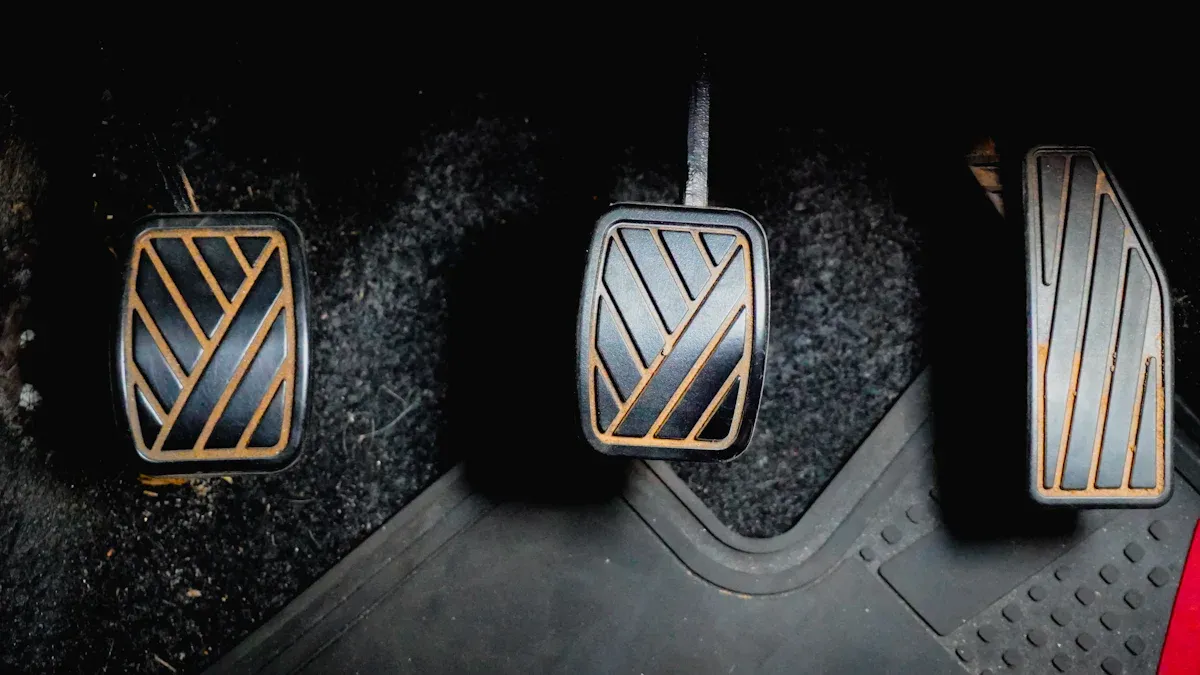
You can find the brake pedal in all cars and trucks. In automatic cars, the brake pedal is on the left of two pedals. In manual cars, it is in the middle of three pedals. Finding the brake pedal fast keeps you safe. Drivers who see the brake pedal quickly can stop accidents. They also react better in emergencies. The brake pedal is bigger than the accelerator. This makes it easier to press when you need to stop.
|
Evidence Description |
Impact on Vehicle Safety Statistics |
|---|---|
|
Not knowing where the brake pedal is can be dangerous. |
This shows why drivers must find the brake pedal fast to stop accidents. |
|
Brake pedals are made bigger than the accelerator for easy finding. |
A bigger pedal helps you react faster, which is important in emergencies. |
Key TakeawaysTip: Look at the pedals before you start driving. This easy step helps you feel more sure when you drive.
Find the brake pedal before you start driving. This easy step helps you feel safe and sure.
In automatic cars, the brake pedal is on the left side. In manual cars, it sits in the middle spot. Knowing this helps you act fast.
The brake pedal is bigger and feels rougher than the accelerator. This makes it simple to spot and stops mistakes.
Practice moving your foot from brake to accelerator. This helps your muscles remember and makes you react faster.
Stay awake and do not let things distract you when driving. This keeps you paying attention and lowers pedal mix-ups.
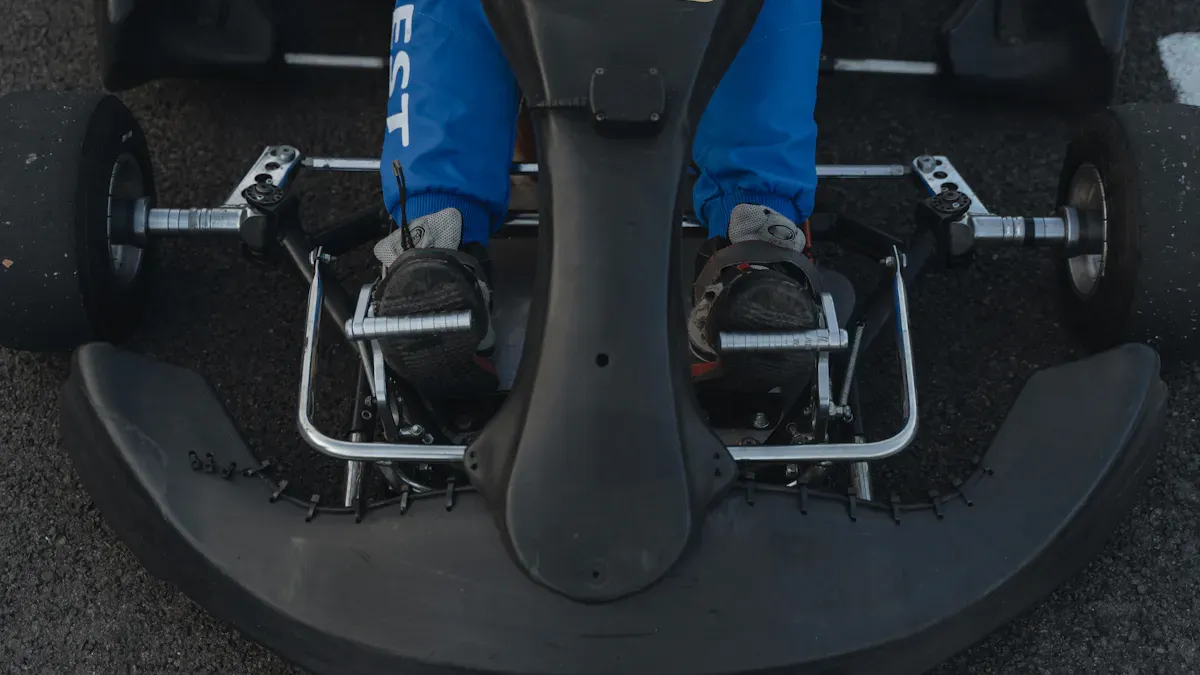
Knowing where the brake pedal is helps you drive safely. You should learn the pedal spots before starting the car. The brake pedal is very important for stopping your car or truck. The way the pedals are set up makes it simple to find and use the brake pedal fast. Now, let’s see where the brake pedal is in automatic and manual vehicles.
Automatic cars have two pedals under the steering wheel. The brake pedal is on the left side of the driver’s foot area. This spot is the same in almost all automatic cars and trucks. You can trust this setup when you drive an automatic vehicle. The brake pedal is wider and closer to your left foot. You press the brake pedal with your right foot. The other pedal, the accelerator, is on the right and is thinner.
The brake pedal’s spot in automatic cars helps you react quickly. You do not need to shift gears, so you can focus on steering and braking. The bigger brake pedal also helps you find it without looking down. This setup lowers mistakes and keeps you safe.
Note: Always look at the pedals before you drive a new car. This habit stops confusion and helps you use the brake pedal better.
Here is a quick look at pedal spots in automatic and manual vehicles:
|
Vehicle Type |
Number of Pedals |
Pedal Functions |
|---|---|---|
|
Automatic |
2 |
Left: Braking, Right: Acceleration |
|
Manual |
3 |
Left: Clutch, Middle: Braking, Right: Acceleration |
Manual cars have three pedals. The clutch is on the far left, the brake pedal is in the middle, and the accelerator is on the right. The brake pedal sits between the clutch and the accelerator. You use your right foot for the brake pedal and the accelerator. Your left foot works the clutch.
The brake pedal in a manual car is easy to find because it is in the center. The brake pedal is bigger than the accelerator, so you can feel it easily. You use the brake pedal a lot when you change gears or stop the car. Using the brake pedal well helps you drive smooth and safe.
The pedal setup in manual cars helps you shift gears and brake. You must move your feet carefully so you do not press the wrong pedal. The brake pedal in the middle helps you remember where it is and what it does.
Pedal spots give you control, safety, and comfort.
The brake pedal’s size and place help you not make mistakes.
In manual cars, the pedal setup lets you shift gears and stop easily.
You should always practice finding the brake pedal before you drive. This step makes you more sure and helps you react fast in any situation. The brake pedal is your main tool for stopping, so knowing where it is matters for every driver.
Here are some rules for brake pedal design in cars and trucks:
|
Requirement |
Description |
|---|---|
|
Pedal Force |
Controlled by the driver or a machine, with certain force rules. |
|
Wheel Lockup |
Only checked above a speed of 15 km/h (9.3 mph). |
|
Test Surfaces |
Must give a braking ratio between 0.15 and 0.80. |
|
Data Recording |
Must record data at least 40 times each second. |
|
Performance Requirements |
Must pass tests on certain surfaces. |
You can see that the brake pedal’s spot and design are planned. Engineers think about every part to help you use the brake pedal safely and easily. When you know the pedal setup, you can drive with more confidence and make fewer mistakes. Always check the brake pedal before you start driving, and use it well every time you drive.
Brake Pedal Identification Tips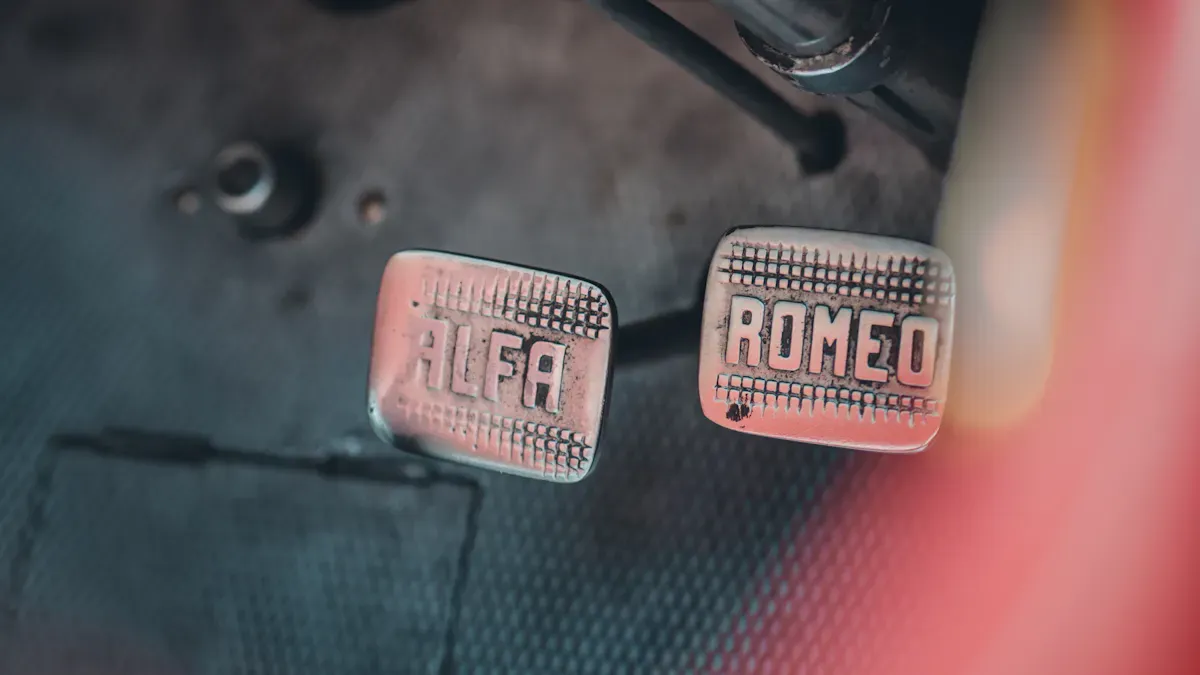
You can find the brake pedal by looking at how big it is. The brake pedal is bigger and wider than the other pedals in your car or truck. This makes it easy to spot, even if you do not look down. The top of the brake pedal is rough. This rough part helps your foot stay in place, so you do not slip when you press it. The brake pedal also sits higher above the floor than the accelerator. You need to push harder on the brake pedal. This keeps you from making mistakes.
Here is a simple table that shows the main differences:
|
Feature |
Brake Pedal |
Accelerator Pedal |
|---|---|---|
|
Size |
Larger and wider |
Smaller and narrower |
|
Surface Texture |
Pronounced texture for better grip |
Smoother surface |
|
Pressure Requirement |
Requires more pressure and travel |
Lighter and more responsive |
Tip: Before you drive, touch each pedal with your foot. You will see the brake pedal feels bigger and harder to press.
You can tell the brake pedal from the accelerator by where they are and how they feel. The brake pedal is to the left of the accelerator in automatic cars. In manual cars, the brake pedal is in the middle. The accelerator pedal is thinner and smoother. You do not need much force to press the accelerator, but you must push harder on the brake pedal. This helps you not press the wrong pedal.
When you drive, always use your right foot for both the brake pedal and the accelerator. Practice moving your foot from the accelerator to the brake pedal. This will help you stop faster and stay safe in emergencies. If you are not sure, stop the car and check the pedals again.
Braking Safety and Common MistakesRemember: The brake pedal is what you use to stop. Knowing how it feels and where it is helps keep you safe on the road.
You can make mistakes with the brake pedal if you are not careful. Many new drivers sometimes press the wrong pedal or miss the brake pedal when stopping. Pedal confusion happens a lot for beginners and people who do not drive much. Older drivers can also have this problem. You need to learn where the pedals are before you drive. Always check the pedals and make sure your feet are in the right spot.
New drivers often make mistakes with the pedals.
Beginners and older drivers can get confused about pedals more.
People who do not drive often may make more mistakes with the brake pedal.
You can stop pedal confusion by doing these things:
Get to know your car and look at the pedals before you drive.
Try to press the middle of the brake pedal and accelerator.
Do not let anything distract you while driving.
Go slow and be careful when parking or leaving a driveway.
Wear shoes that do not get stuck on the pedals.
Stay alert and keep your eyes on the road.
Move your foot smoothly and gently on the pedals.
Check which pedal you are pressing before you push down.
Some cars have special systems that help stop pedal confusion. These systems hold the brake for you while you move your foot between pedals. This works in both automatic and manual cars.
|
Feature Description |
Functionality |
|---|---|
|
Brake Hold Feature |
Keeps the brake on while you switch between the brake and gas pedal. |
|
Manual Car Support |
Keeps the brake on while you switch between the brake, clutch, and gas pedal. |
You can also join classes or use simulators to get better at using the brake pedal.
You must use the brakes the right way to stay safe. Driving teachers give tips for good braking. You should watch out for things like roadwork, signs, and weather changes. Follow the speed limit so you have more time to stop. Keep enough space from the car in front so you do not have to brake suddenly.
Here are some good ways to brake safely:
Check your brakes often. Look at the brake pads, rotors, and fluid.
Learn safe braking in a class and keep a safe space from other cars.
Use engine brakes to help your main brakes last longer.
Make sure your car is loaded right so it stops well.
Change your speed if the road is wet or slippery.
Try not to stop suddenly. Slow down early for smooth stops.
Change how you brake if it rains or snows.
You can get better at braking by practicing smooth stops and learning how your brakes work. Always check your brake pedal and make sure your brakes are working well. If you follow these tips, you will make fewer mistakes and drive safer.
|
Factor |
Findings |
|---|---|
|
Age-related factors |
Younger drivers hit pedals wrong more often. |
|
Situational stimuli |
More pedal mistakes happen with red lights or close signals. |
|
Pedal application types |
There are direct hits, hesitations, corrections, and mistakes. |
|
Response time influence |
Traffic lights change how fast you press the pedals. |
|
Safety implications |
Knowing these facts helps make cars safer and teaches drivers better. |
Tip: Practice braking in all kinds of weather to get better and feel more sure about using your brakes.
You can find the brake pedal in any car or truck by doing these steps:
Sit in the driver’s seat and look at the pedals.
Find the thin pedal; this is the gas pedal.
Look for the bigger pedal; this is the brake pedal.
In manual cars, the clutch is on the left, brake is in the middle, and gas is on the right.
Safe braking habits are important for all drivers. The table below explains why you should pay attention and practice:
|
Evidence Type |
Description |
|---|---|
|
Distracted Driving |
Distractions make you react slower and can cause accidents. |
|
Teen Driver Risks |
New drivers have more risks, especially in older cars without safety features. |
|
Effective Programs |
Driver education and practice help lower crash rates and build confidence. |
FAQKeep practicing and stay alert. You will get safer and feel more confident every day!
You use the brake pedal to slow down or stop your vehicle. You use the gas pedal to make your car go faster. The brake pedal is wider and sits higher than the gas pedal.
Always check your foot position before you drive. Practice moving your foot from the gas pedal to the brake pedal. This helps you build muscle memory and avoid mistakes.
Manufacturers design the brake pedal to need more pressure. This keeps you from stopping too quickly by accident. The extra resistance helps you control your speed safely.
Most driving teachers say you should use your right foot for both the brake and gas pedal. This lowers your risk of pressing both pedals at once and helps you drive safely.
Please leave your requirements and contact information, and we will send you the quotation information as soon as possible.