Date: 2026.05.14 Click: 1
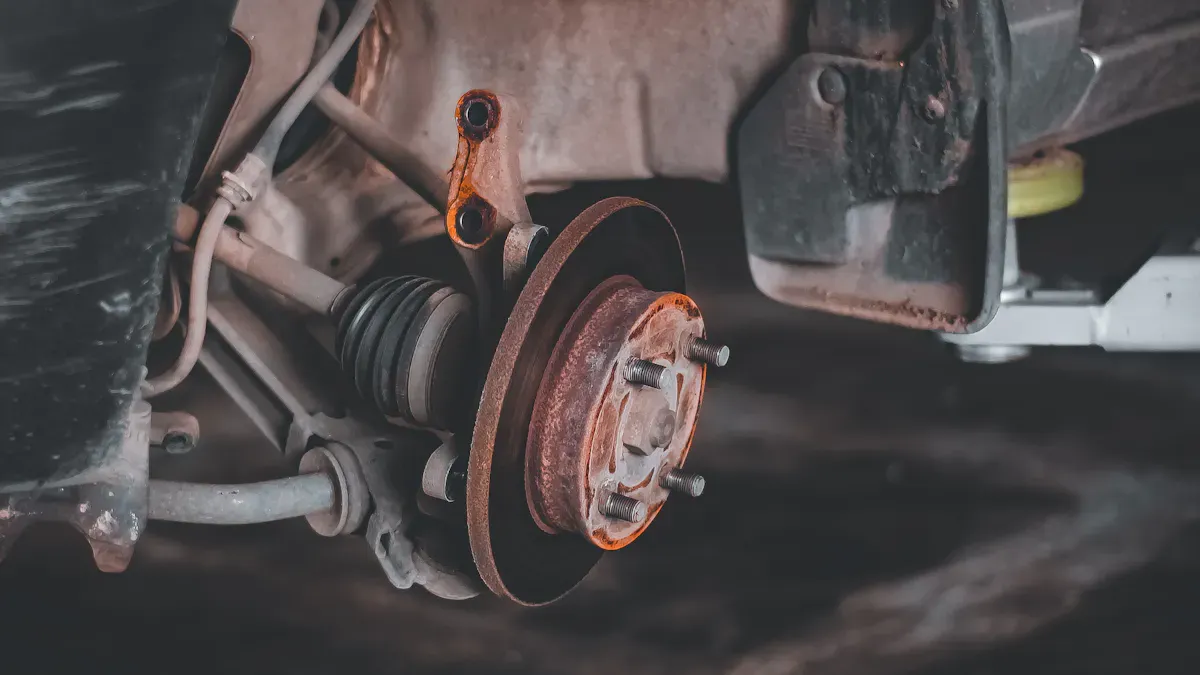
You want your car’s brakes to work every time you park. Picking the right Parking Brake Cable starts with matching its size, type, and fittings to your vehicle’s make, model, and year. Safety matters most. The right cable helps your car stop securely and keeps your brake system reliable. If you feel unsure, ask a mechanic or check online forums for advice.
Key TakeawaysPick a Parking Brake Cable that fits your car’s make, model, and year. This helps keep your car safe and working well.
Look at your cable often for damage like rust or fraying. This makes sure your brakes work when you need them.
Think about OEM cables for a good fit and warranty. Aftermarket cables can work well for older cars.
Check the fittings and mounting spots closely. Weak connections can cause your brakes to stop working.
Ask a mechanic or look online for help if you don’t know which cable to pick.
You count on your brakes every time you park or stop on a hill. The right Parking Brake Cable makes sure your car stays put when you need it to. If you pick a cable that fits your car’s make and model, you get better safety and smoother performance. You also avoid problems with installation. A good cable works well with your car’s brake system and helps you feel confident behind the wheel.
The right cable keeps your car from rolling when parked.
It matches your car’s brake system for the best performance.
Quality cables last longer and need fewer repairs.
Easy installation saves you time and stress.
You want a cable that comes from a trusted brand. This means you get a product that works well and lasts longer. Regular checks and replacing old cables help your brakes stay strong and safe.
Tip: Always check your Parking Brake Cable during routine maintenance. This small step can prevent big problems later.
Using the wrong Parking Brake Cable can cause trouble. If the cable does not fit, your brakes might not work when you need them most. You could face brake failure or a cable that snaps under pressure. Sometimes, a poor fit means the cable rubs against other parts and wears out fast.
A cable that is too short or too long will not hold your car in place.
Wrong fittings can make the cable slip or break.
Low-quality cables may rust or snap, putting you at risk.
You do not want to risk your safety or damage your car. Picking the right cable keeps you and your passengers safe every time you park.
Types of Parking Brake CablesMost older cars and some new ones use mechanical cables. These cables have a simple design. When you pull the handbrake or press the pedal, the cable gets tight and locks the wheels. This gives you easy control and a direct feel. Mechanical cables cost less money. You can fix them yourself without special tools. If you like fixing your car, this type is a good choice.
Many new cars use electronic parking brakes now. You press a button instead of pulling a lever. Small motors and sensors tighten the cable for you. This system gives you more safety features and makes your car look neat inside. Check out this table to see how electronic and mechanical cables are different:
|
Advantages |
Disadvantages |
|---|---|
|
Improved safety |
Higher repair costs |
|
Space-saving design |
Potential control issues on steep inclines |
|
Ease of use |
Risks associated with malfunctioning brakes |
|
Better control |
|
Electronic systems are easy to use. But repairs can cost more money. If something breaks, you may need a professional to fix it.
Cable-in-conduit designs give extra protection. The cable sits inside a strong cover that blocks dirt and water. This helps your Parking Brake Cable last longer and work better. Here’s what makes cable-in-conduit special:
|
Feature |
Benefit |
|---|---|
|
Fully jacketed conduit |
Strong protection against damage |
|
PBT coated strand |
Stops rust and corrosion |
|
PBT coated liner |
Keeps grease inside, less wear |
|
Corrosion and abrasion resistance |
Makes the cable last longer |
|
Keeps dirt and water out |
Smooth use and longer life |
This cable works well in bad weather and with daily driving.
Not sure what cable your car has? Look in your owner’s manual or check under your car. If you see a lever and a thick cable, you have a mechanical system. If you see a button and hear a motor, you have an electronic one. If you are not sure, ask a mechanic or search online for your car’s make and model. Picking the right cable helps your car work its best.
Choosing a Parking Brake Cable
You want your Parking Brake Cable to fit your car just right. Start by checking your car’s make, model, and year. Look at your owner’s manual or ask a parts store for the exact size and length. If you drive a truck, remember that cab size and bed length can change the cable you need. Always measure before you buy.
Here’s what you should do:
Make sure the cable matches your car’s original specs.
Pick a cable that is the same length as your old one.
Choose a cable made for your car’s exact model and year.
If you pick the wrong size, your brakes might not work well. A cable that is too short or too long can cause problems when you park.
Tip: OEM cables are the safest choice for a perfect fit.
Fittings and mounting points matter a lot. These are the spots where the cable connects to your car. If the fittings do not match, the cable will not stay in place. This can make your parking brake weak or even useless.
Wrong fittings can mess up the tension and alignment.
Bad mounting points can stop the brake from working.
A loose cable can slip or break, which is dangerous.
Always check the ends of the cable and compare them to your old one. Make sure everything lines up before you install it.
You have two main choices: OEM (original equipment manufacturer) or aftermarket cables. OEM cables come from the same company that made your car. They fit perfectly and come with a warranty. You know you can trust them for quality and safety.
Aftermarket cables can also work well. Many are built to match OEM specs and use strong materials. Sometimes, aftermarket parts are easier to find, especially for older cars. But not all aftermarket cables are the same. Some may not last as long or fit as well.
|
Feature |
OEM Cable |
Aftermarket Cable |
|---|---|---|
|
Fit |
Exact |
Usually close |
|
Warranty |
Yes |
Sometimes |
|
Quality |
High |
Varies |
|
Availability |
Dealer only |
Many stores |
If you want peace of mind, go with OEM. If you need a quick fix or have an older car, aftermarket can be a good choice.
The material of your Parking Brake Cable makes a big difference. Look for cables made from strong steel. Good cables have a coating that stops rust and keeps water out. This helps your cable last longer, even in rain or snow.
Pick cables with corrosion protection.
Choose ones with a tough outer cover.
Avoid cheap cables that can snap or rust.
A high-quality cable means fewer repairs and better safety for you.
Have you changed your car’s wheels, brakes, or suspension? If yes, you need to check if the new cable will still fit. Some upgrades can change the way your cable needs to run. Make sure the cable will not rub or bend in a weird way.
Check the path of the cable after any changes.
Avoid sharp bends or tight twists.
Make sure the cable does not touch hot or moving parts.
If you are not sure, ask a mechanic for help.
Sometimes, picking the right cable feels tricky. You do not have to guess. Ask a trusted mechanic or visit a car forum online. Other drivers with your car model can share tips. Mechanics know which cables work best and can spot problems before you buy.
Note: Never be afraid to ask questions. Getting advice can save you time, money, and stress.
Choosing the right Parking Brake Cable keeps your car safe and easy to use. Take your time, check every detail, and ask for help if you need it.
When to Replace and Maintenance Tips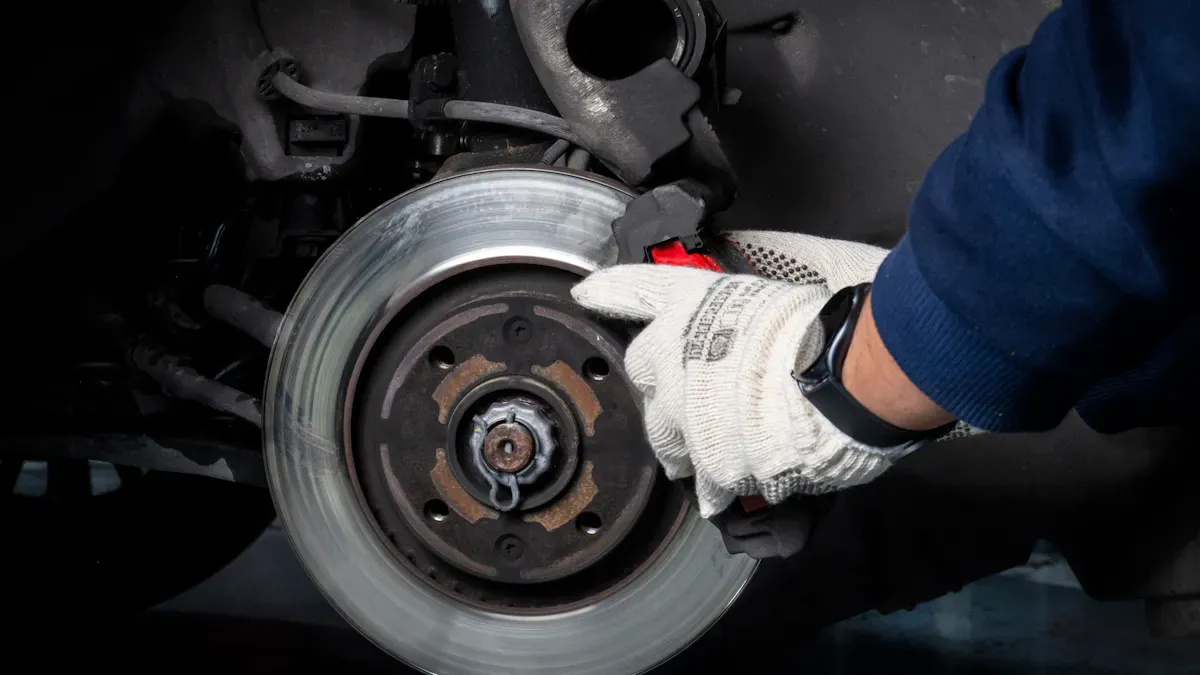
You want your parking brake to work every time you use it. Over the years, normal wear and tear can make the cable less reliable. If you notice any of these signs, it’s time to check your Parking Brake Cable:
The cable stretches or frays, making the brake lever feel loose.
Corrosion or rust builds up, causing stiffness and poor performance.
You see physical damage from accidents or rough handling.
The brake lever doesn’t hold as well after five to seven years of daily use.
If you spot any of these issues, don’t wait. A faulty cable can leave your car unsafe.
You can catch problems early by inspecting your parking brake system. Look for fraying, kinking, or a seized inner wire. Check the equalizer bar to make sure it works right. Lubricate all pivot points as your car’s manual suggests. If the cable stretches and stops the brake from engaging fully, you need to adjust or replace it.
Tip: Make inspections part of your routine. You’ll save money and avoid surprises.
Here’s a quick look at replacement costs for different vehicles:
|
Vehicle Category |
Cost Range |
|---|---|
|
Budget-range vehicles |
$200 - $400 |
|
Mid-range vehicles |
$400 - $500 |
|
Premium vehicles |
$500 - $600 |
You can make your parking brake last longer with simple habits. Use the brake firmly each time you park. This keeps the mechanism strong and reduces strain on the transmission. Regular checks help you spot worn pads or low fluid levels before they cause bigger problems.
Use the parking brake properly to protect the main brake system.
Engage the handbrake with confidence to avoid damage.
Inspect the brake system often to catch issues early.
Taking care of your parking brake keeps your car safe and saves you money in the long run.
Choosing the right parking brake cable keeps you safe and helps your car perform its best. Regular checks and quick replacements stop small problems from turning into big ones. If you ever feel unsure, ask a mechanic or join a car forum for help.
FAQTake charge of your car’s safety—inspect your parking brake system today and keep your ride worry-free!
You might notice your brake feels loose or doesn’t hold your car. If you see rust, fraying, or hear strange noises, it’s time to check the cable. Don’t wait—replace it soon for safety.
You can replace it if you have basic tools and some car repair experience. Always follow your car’s manual. If you feel unsure, ask a mechanic for help. Safety comes first.
Using the wrong cable can cause your brake to fail. Your car might roll when parked. The cable could snap or not fit right. Always match the cable to your car’s make and model.
Most cables last five to seven years with normal use. If you drive in harsh weather or on rough roads, check your cable more often. Regular inspection helps you catch problems early.
Please leave your requirements and contact information, and we will send you the quotation information as soon as possible.