Date: 2026.05.13 Click: 1
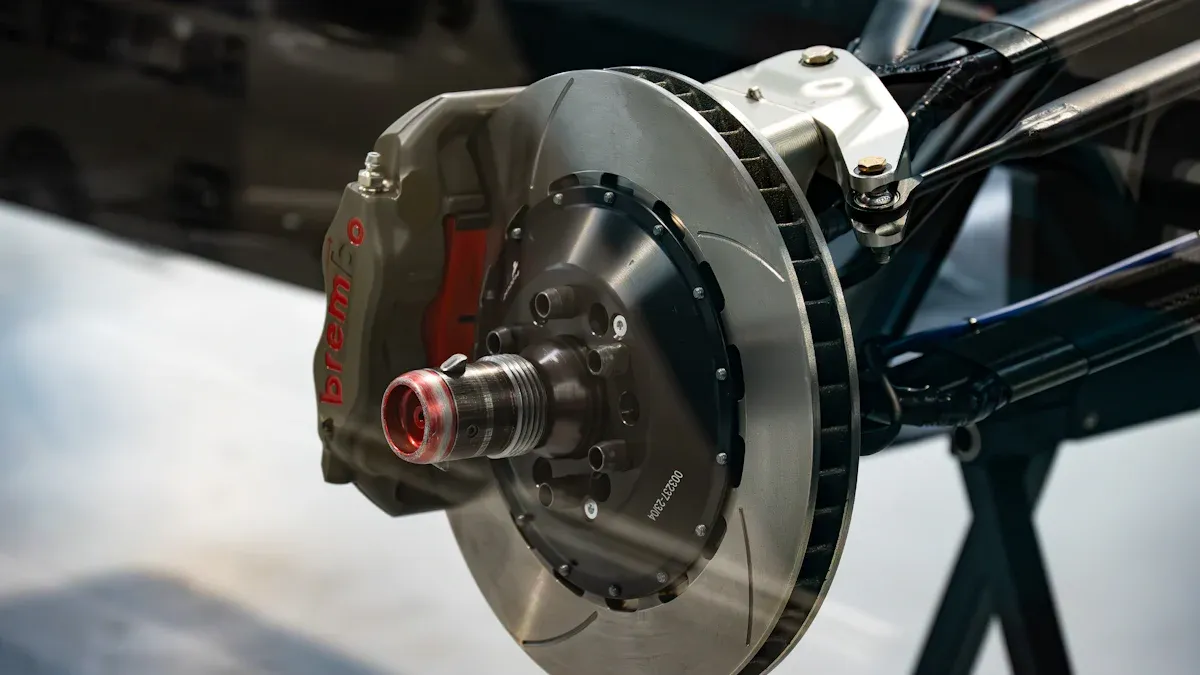
A brake shoe helps your car stop in a safe way. It has a crescent shape and a layer that creates friction. The brake shoe is inside the brake drum. It pushes out against the drum to make friction for stopping. This is different from brake pads. Brake pads push in on a disc instead. What the brake shoe is made of changes how it handles heat and friction. If you know about brake shoes, you can make better choices. This helps keep you safe and helps take care of your car.
Key TakeawaysBrake shoes make friction in the brake drum. This helps your car stop safely.
Check your brake shoes every 12,000 miles or once a year. This makes sure they work well.
Pick good brake shoes to stay safe and drive better. This is important when roads are rough.
Watch for signs like grinding sounds or a soft brake pedal. These signs mean you should change your brake shoes.
Taking care of brake shoes can save money on fixing your car. It also makes your car stop better.
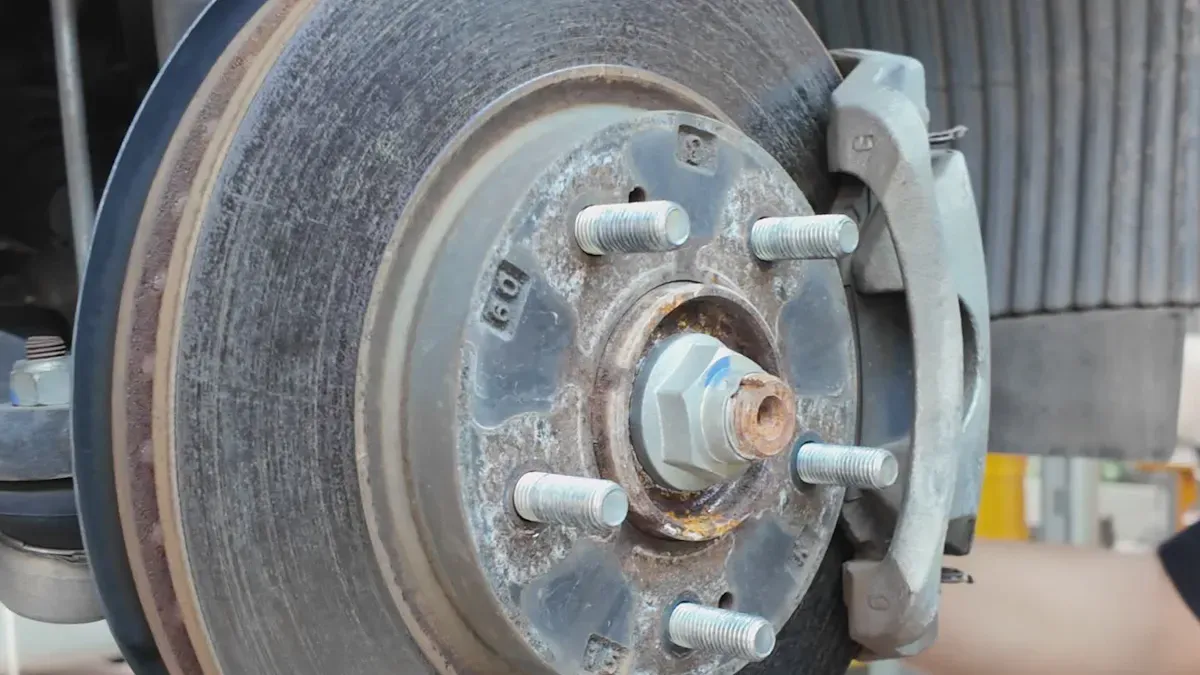
You find the brake shoe inside the drum of your vehicle’s braking system. This part has a curved metal shape that fits perfectly against the inside of the drum. When you press the brake pedal, the brake shoe pushes outward and creates friction against the drum. This friction slows down or stops your car. The brake shoe is essential for safety and performance in many vehicles.
Manufacturers use different materials to make brake shoes. Each material changes how the brake shoe works and how long it lasts.
Boron carbide gives the brake shoe extra hardness and helps it resist wear.
Molybdenum disulfide acts as a solid lubricant. It improves how the brake shoe handles friction.
Additive manufacturing lets makers control the mix of materials. This process helps the brake shoe work better under stress.
Most brake shoes have a steel platform. The friction lining attaches to this platform. The lining uses heat-resistant materials like resins, fibers, and fillers. These materials help the brake shoe work well under high temperatures and pressure. You can trust your brakes to perform even when you drive in tough conditions.
Tip: If you want your brakes to last longer, choose brake shoes with high-quality friction linings.
You can break down the brake shoe assembly into several main parts. Each part has a special job in the braking process. The table below shows the key components and what they do:
|
Component |
Function |
|---|---|
|
Backing Plate |
Supports the brake shoes and holds other parts in place. |
|
Brake Drum |
Provides the surface for the brake shoes to press against and create friction. |
|
Brake Shoe |
Contains the friction material that stops your vehicle when pressed against the drum. |
|
Wheel Cylinder |
Changes hydraulic pressure into force that pushes the brake shoes outward. |
|
Springs and Pins |
Keep the brake shoes in position and help them return after you release the brake pedal. |
You see how each part works together to make sure your brakes respond quickly and safely. The brake shoe, with its friction lining, plays a big role in stopping your car. The other parts help guide, support, and control the movement of the brake shoe during braking.
Function of a Brake ShoeYou play a key role in keeping your vehicle safe when you understand the function of a brake shoe. The brake shoe sits inside the drum of your braking system. When you press the brake pedal, you start a chain reaction. The wheel cylinder pushes the brake shoe outward. The curved shape of the brake shoe fits against the inside of the drum. This action creates friction and slows the wheel.
The function of a brake shoe depends on its friction material. This material touches the drum and helps stop your car. Here is what happens when you use the brakes:
The brake shoe acts as the main friction element in the drum brake system.
When you press the pedal, the brake shoe moves outward and presses against the inner surface of the brake drum.
The friction material on the brake shoe generates heat as it rubs against the drum. This heat converts the car’s kinetic energy into thermal energy, which slows or stops the vehicle.
You can see that the function of a brake shoe is to create enough friction to stop your car safely. The brake shoe’s metal platform supports the friction material. This design helps the brake shoe last longer and work well under stress.
You start the braking process by pressing the pedal. The force from your foot travels through the braking system. The wheel cylinder receives this force and pushes the brake shoes outward. The brake shoes then press against the drum. This action creates friction and slows the wheel.
The function of a brake shoe involves a special pivoting action. The brake shoe pivots on a fixed point inside the drum. This pivoting motion helps the shoe press evenly against the drum. The even pressure makes the braking smooth and effective.
You might wonder how this differs from brake pads. Brake pads squeeze inward on a spinning disc, while brake shoes push outward against a drum. The pivoting action of brake shoes gives a different feel and response compared to disc brakes.
Note: The function of a brake shoe is most common in the rear wheels of many vehicles. Drum brakes use this design because it works well for parking brakes and provides steady braking power.
You can trust the function of a brake shoe to keep your car safe. The braking system relies on the brake shoe to create friction, slow the wheels, and bring your vehicle to a stop.
Brake Shoes vs. Brake PadsYou might wonder how brake shoes and brake pads compare. Both help your vehicle stop, but they work in different ways. Brake shoes sit inside a drum, while brake pads fit inside a caliper around a disc. Each part faces different wear patterns and has a unique job in the brake system.
Here is a table to help you see the main differences:
|
Feature |
Brake Pads |
Brake Shoes |
|---|---|---|
|
Positioning |
Inside a caliper around the disc |
Inside the brake drum |
|
Wear |
Typically wear out faster |
Generally last longer due to lower workload |
Brake pads usually wear out faster because they handle more of the stopping force. Brake shoes often last longer since they do less work, especially when used on the rear wheels. You should check both parts often to keep your braking safe and smooth.
Tip: If you notice uneven wear or strange noises, have your brake system checked right away.
You find brake shoes mostly in drum brake systems. These systems appear more often in older cars and trucks. Some modern vehicles still use drum brakes, but usually only on the rear wheels. Brake pads work with disc brakes, which are common in newer vehicles.
Drum brakes use brake shoes.
Disc brakes use brake pads.
Both types use friction material, but each uses different parts to stop your car.
In the past, many vehicles had drum brakes on all four wheels. Today, most cars use disc brakes in the front and drum brakes in the rear. This setup gives you strong stopping power and helps with parking brakes.
When brake shoes sit on the rear axle, they must move evenly. If they do not, you might notice longer stopping distances or uneven braking. The hydraulic brake system pushes the brake shoes out against the drum. If the shoes do not retract or slide back well, you could see more wear and less braking power.
Safety & Performance in the Braking SystemNote: Always make sure your brake shoes and pads work together for the best safety and performance.
You trust your brakes to keep you safe while driving. The brake shoe is a big part of this system. When you step on the brake pedal, the brake shoes push against the drum. This makes friction and helps slow or stop your car. If the brake shoes get worn out, your car may take longer to stop. This can be dangerous, especially if you need to stop quickly.
Worn brakes make it tough to slow down or stop.
Glazed brakes need more force on the pedal to stop.
Needing more distance to stop can be risky in emergencies.
Weak braking power means you should replace the brake shoe.
Longer stopping times make driving less safe.
The friction lining might come loose or fall off, which can suddenly make your brakes stop working. This is why it is one of the most important safety parts in your braking system.
Modern brake shoes use special friction materials. These help your brakes work well in hot or cold weather. Newer brake systems also use light materials. These changes help your car handle better and make brake parts last longer.
You should know when your brake shoes need to be checked. If you see any of these problems, look at your brakes soon:
Grinding or scraping sounds when you brake
Brake pedal feels soft or squishy
Car pulls to one side when braking
It takes longer to stop
Brake warning light comes on
Brake fluid is leaking or low
These signs mean your brakes may not work right. Worn brake shoes or pads can make your brakes weaker and less safe. Always keep your brakes in good shape to stay safe while driving.
Maintenance & Replacement of Brake Shoes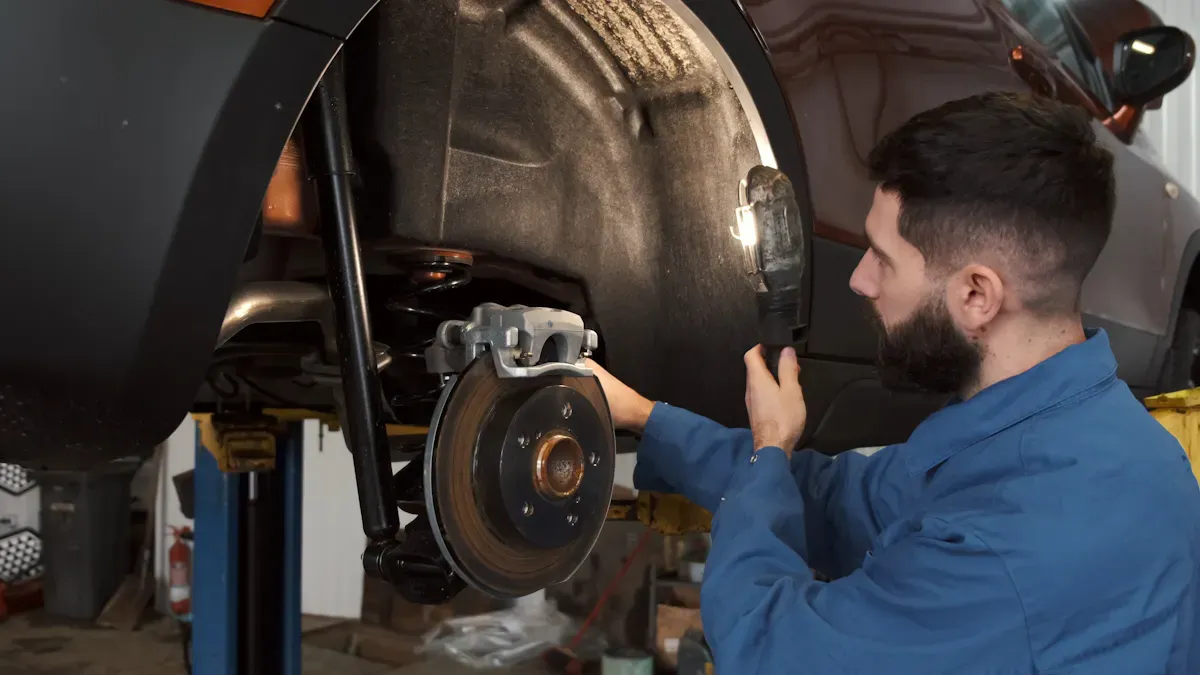
You should check your brake shoes often to keep your vehicle safe. Most drivers inspect them every 25,000 to 65,000 miles. If you drive in tough conditions, check them more often. Look for these signs:
The friction material is less than 1/32 inch thick for riveted types.
The friction material is less than 1/16 inch thick for bonded types.
You hear grinding or squealing noises.
The brake pedal feels soft or you notice reduced braking power.
If you see any of these signs, plan for brake shoe replacement soon. Delaying this can damage the brake drum and increase repair costs. You may also notice longer stopping distances, which can be dangerous.
Tip: Most vehicles use brake shoes on the rear axle. Always check both sides for even wear.
You need to pick the right brake shoe for your vehicle. Start by checking your vehicle’s model and the type of braking system it uses. Think about your driving style and the roads you travel. Heavy loads or steep hills can wear out brake shoes faster.
When you shop for new brake shoes, look for these features:
Compatibility with your vehicle model
Good reviews for durability and performance
Materials that match your driving needs, such as semi-metallic for heat resistance
You can choose between OEM and aftermarket options. OEM brake shoes fit your vehicle well and meet strict safety standards. Some aftermarket brake shoes offer better heat control and stopping power, but quality can vary. Always pick a trusted brand to keep your brakes working safely.
You can make your brake shoes last longer with regular care. Follow these steps:
Inspect the brake assembly and friction material for cracks or uneven wear.
Check the brake fluid level and replace it every two years.
Listen for strange noises when braking.
Test the brakes in a safe area to feel for changes in response.
Make sure all mounting bolts and parts are tight and clean.
If you notice problems, visit a professional mechanic. They can check for hidden issues and help you avoid costly repairs. Keeping your brake shoes in good shape protects your safety and saves money.
Note: Proper maintenance prevents damage to other brake parts and keeps your braking strong.
You count on the brake shoe to keep your car safe. Checking your brakes often helps you find problems early. This keeps your car stopping well. If you do not fix worn parts, your car may take longer to stop. Repairs can cost more if you wait too long. Look for signs that your brakes are wearing out. Change brake parts when needed. If you are not sure what to do, ask a mechanic for help.
Checking your brakes often makes driving safer and stops damage.
Fixing problems early saves money and keeps brakes working.
Inspections can find fluid leaks before they cause big problems.
You should check your brake shoes every 12,000 miles or once a year. If you drive in heavy traffic or on steep roads, check them more often. Regular checks help you catch problems early.
You should not drive with worn brake shoes. Worn shoes make your car harder to stop. This can be dangerous. Replace them as soon as you notice signs of wear.
Ignoring brake shoe problems can damage your brake drum. You may hear grinding noises or feel weak brakes. This can lead to costly repairs and unsafe driving.
Brake shoes and brake pads are not the same. Brake shoes work inside a drum. Brake pads work with a disc. Each part fits a different brake system.
Listen for squealing or grinding sounds.
Check for a soft brake pedal.
Notice if your car takes longer to stop.
Inspect the thickness of the friction material.
Please leave your requirements and contact information, and we will send you the quotation information as soon as possible.