Date: 2026.05.12 Click: 2
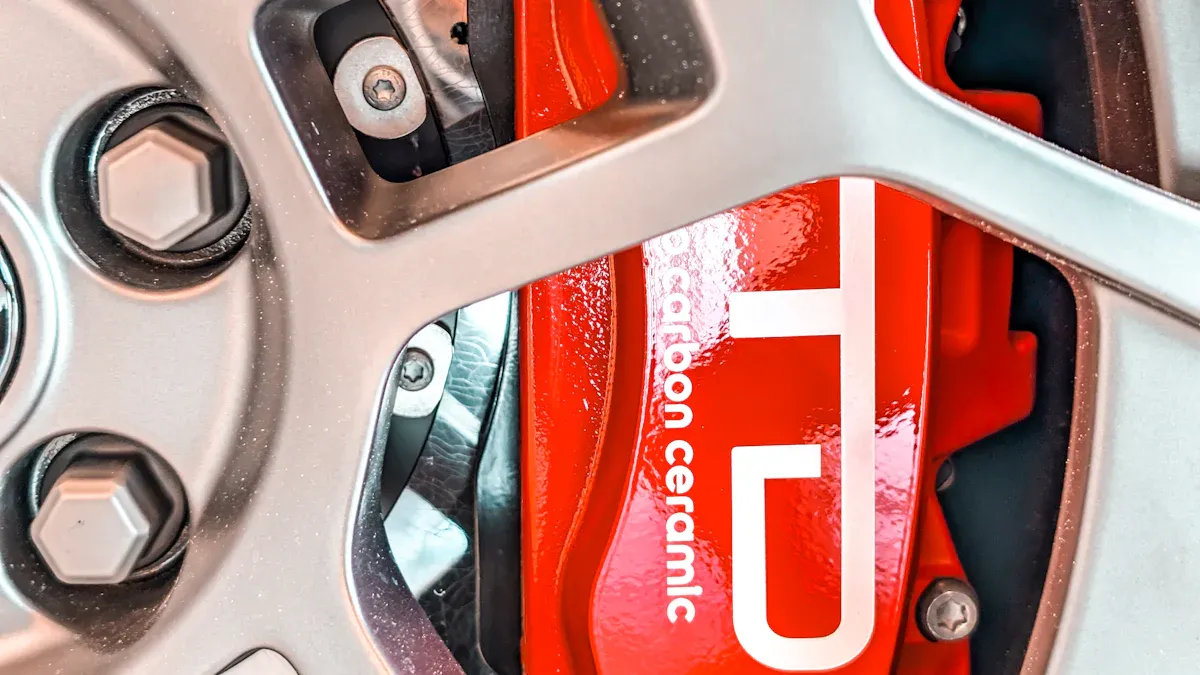
A brake caliper is a mechanical device that plays a key role in your vehicle's brake system. You rely on it to squeeze the brake pads against the brake disc when you press the brake pedal. This action creates friction and helps your car slow down or stop. The table below shows how the main parts of the system work together:
|
Component |
Function |
|---|---|
|
Brake Caliper |
Holds the brake pads and applies pressure to the disc. |
|
Pistons |
Push the brake pads against the disc to create friction. |
|
Friction |
Slows down or stops your vehicle. |
Understanding the brake caliper helps you stay safe on the road.
Key TakeawaysA brake caliper pushes brake pads onto the disc. This helps your car stop. Knowing this keeps you safe while driving.
There are two main kinds of brake calipers. Fixed calipers stop cars better. Floating calipers are lighter and easier to fix.
Check your brake pads and seals often for damage. This stops bigger problems and keeps your brakes working well.
If your brake pedal feels soft, it could be a caliper problem. If your car moves to one side, it may be a caliper issue. Fix these signs fast to stay safe.
Taking care of your brake caliper stops it from getting too hot. It also makes sure your car can stop strong and safely.
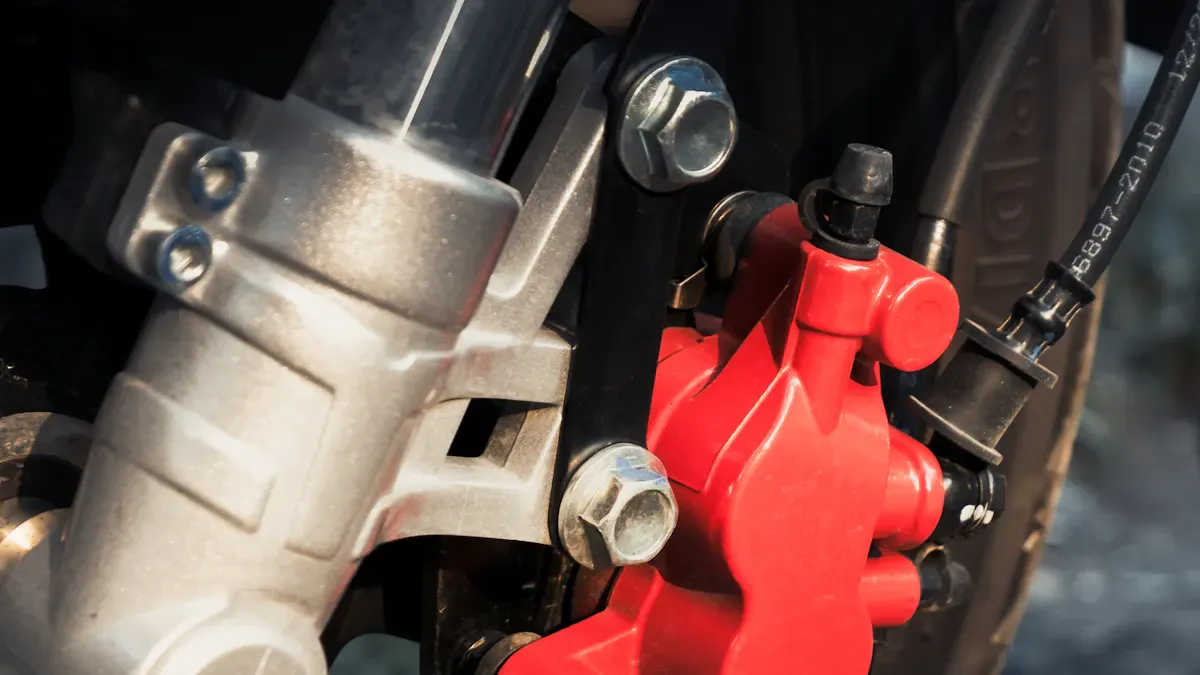
A brake caliper holds the brake pads in place. It pushes the pads against the spinning disc to help stop your car. This makes friction, which slows the wheel down. Most cars today use two main types of brake calipers:
Fixed calipers give strong and steady braking. These are often in sports cars because they let you control stopping better.
Floating calipers are found in most regular cars. They cost less and are easier to take care of.
The material used for a brake caliper is important. Makers pick materials based on how strong, light, or heat-proof they need the part to be. Here is a table with some common materials and what they do:
|
Material |
Characteristics |
|---|---|
|
Aluminum Alloys |
Lightweight yet strong |
|
Stainless Steel |
Known for its corrosion resistance |
|
Carbon Composites |
Exceptional strength-to-weight ratio |
You get the best results when the brake caliper fits your car’s needs.
You will usually see the brake caliper close to the wheel. The most common places are behind the front wheels or in front of the back wheels. Car makers pick the spot based on things like where the engine is, where the steering parts are, and how well the brakes can cool off. Sometimes, putting the caliper at the front of the wheel keeps it cleaner.
Where the brake caliper sits can change how your car stops and handles. In sports cars, the exact spot helps the car stop better. Engineers also look at the car’s frame and suspension before choosing the spot. This careful planning helps your car brake smoothly every time you press the pedal.
Brake Caliper ComponentsTip: Putting the caliper in the right place helps your brakes wear evenly and work well.
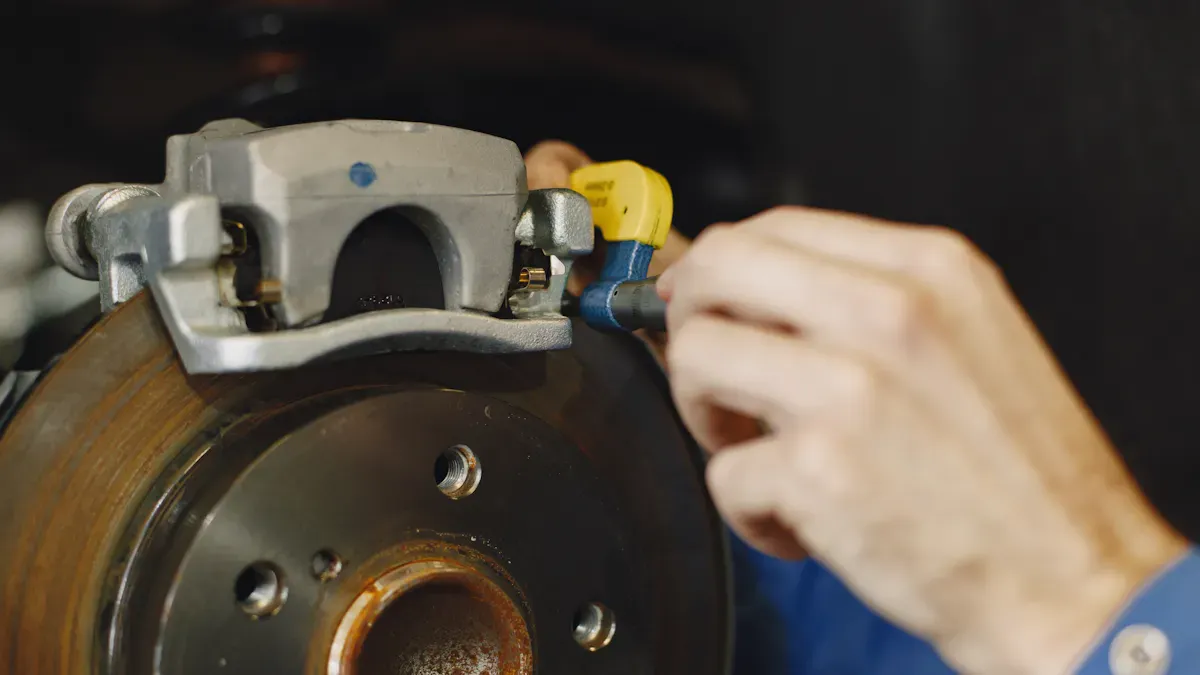
When you look at a brake caliper, you see the housing first. This part holds everything together and gives the caliper its shape. The housing must be strong because it faces a lot of heat and friction every time you use your brakes. Most housings are made from aluminum or forged steel. These materials help the caliper last longer and keep your brakes working well.
Inside the housing, you find the piston. The piston is a small cylinder that moves when you press the brake pedal. It pushes the brake pads against the spinning disc. The piston creates the force needed to stop your car. Some calipers have more than one piston to give extra stopping power. You might see pistons made from aluminum, which is light and resists rust. Others use cast iron, which is strong and lasts a long time.
Here is a table that shows the main parts and their roles:
|
Component |
Role in Braking Process |
|---|---|
|
Caliper Housing |
Provides structural support, endures heat and friction, and delivers hydraulic pressure to activate brake pads. |
|
Pistons |
Generate force for braking by pushing brake pads against the rotor when hydraulic pressure is applied. |
|
Brake Pads |
Create friction against the rotor to slow down or stop the vehicle, made from various materials for durability. |
Tip: A well-made piston helps your brakes work smoothly and keeps you safe.
Brake pads sit inside the caliper, right next to the piston. When you press the brake pedal, the piston pushes the pads against the disc. The pads create friction, which slows your car. Brake pads come in different materials. Some are organic, which means they are quiet but wear out faster. Others are sintered, which last longer and handle heat better.
The seal is a small rubber ring around the piston. It keeps brake fluid from leaking out and helps the piston move back when you let go of the brake pedal. This seal is important because it keeps your brakes working and stops dirt from getting inside.
Here is a quick look at what these parts do:
|
Component |
Function |
|---|---|
|
Brake Pads |
Create friction to stop the vehicle. |
|
Prevent brake fluid leakage and retract the piston when brakes are released. |
Brake pads made from strong materials help your caliper last longer.
The seal around the piston keeps your brake system clean and safe.
If the piston or seal wears out, your brakes might not work right.
How Brake Calipers WorkNote: Always check your brake pads and piston seals for wear. This helps you avoid bigger problems later.
When you press the brake pedal, you start a chain reaction that brings your car to a stop. Each step in this process relies on the brake caliper to do its job. Here is how it works:
You press the brake pedal with your foot.
The force from your foot pushes hydraulic fluid through the brake lines toward the caliper.
The hydraulic pressure moves the pistons inside the brake caliper.
The pistons push the brake pads against the spinning rotor.
The brake pads clamp onto the rotor, creating friction.
This friction slows down the wheel and eventually stops your car.
Tip: If you ever feel your brake pedal feels soft or goes to the floor, you may have a problem with the hydraulic system or the caliper.
The brake caliper uses hydraulic action to create the force needed to stop your car. When you press the pedal, the hydraulic fluid moves quickly and evenly. This fluid pushes the piston inside the caliper, which then presses the brake pad against the rotor. The harder you press the pedal, the more pressure the caliper applies.
Friction is the key to stopping your car. When the brake pad touches the rotor, it creates friction. This friction turns the moving energy of your car into heat. The brake caliper must handle this heat every time you stop. Most brake discs reach temperatures between 300 and 600 degrees Fahrenheit during normal use. If the temperature gets too high, your brakes may not work as well.
Brake calipers use several methods to manage heat:
Floating calipers help move heat away from the rotor faster than fixed calipers.
Some cars use larger calipers to spread out the heat and keep braking strong.
The design and material of the caliper also help it cool down quickly.
Note: Regular maintenance of your brake caliper keeps your brakes working safely and helps prevent overheating.
If your brake caliper cannot get rid of heat fast enough, you might notice a drop in braking power. This is called brake fade. You can avoid this by making sure your caliper and pads are in good shape and by choosing the right parts for your driving needs.
|
Factor Affecting Heat Dissipation |
How It Helps |
|---|---|
|
Caliper Design |
Floating calipers cool faster |
|
Caliper Size |
Larger calipers spread heat |
|
Material |
Aluminum and composites cool quickly |
A well-maintained brake caliper gives you strong, reliable stopping power and keeps you safe on the road.
Types of Caliper Disc BrakesThere are two main kinds of caliper disc brakes. These are fixed calipers and floating calipers. Each kind has its own design and works a little differently. They also need different care. Knowing how they are different helps you pick the right one for your car.
Fixed calipers do not move when you use the brakes. They have pistons on both sides of the rotor. This means the pressure is even when you press the brake pedal. You get strong and steady stopping power. This is good if you drive fast or carry heavy things. Fixed calipers are made from strong materials. They last a long time and work well in tough spots.
Here is a table that shows how fixed calipers and floating calipers are different:
|
Feature |
Fixed Calipers |
Floating Calipers |
|---|---|---|
|
Design |
More complex, multiple pistons on both sides |
Simpler, single piston on one side |
|
Stopping Power |
Greater, shorter braking distances |
Sufficient for standard driving |
|
Durability |
More durable, reliable under stress |
Reliable for everyday use |
|
Cost |
More expensive, higher maintenance |
Cheaper, easier to maintain |
|
Weight |
Heavier |
Lighter |
You see fixed caliper disc brakes on sports cars and cars made for speed. They do not lose power as fast when they get hot. You can stop better during hard braking. Fixed calipers have more parts, so they are heavier and cost more. But you get the best performance.
Tip: If you want strong brakes and drive in tough places, fixed calipers are a good pick.
Floating calipers can move a little when you use the brakes. They have one piston on one side. This piston pushes the brake pad against the rotor. The caliper slides and presses the pad on the other side. This kind of caliper disc brake is lighter and simpler than fixed calipers.
Most regular cars, small trucks, and SUVs use floating caliper disc brakes. Because they are lighter, your car uses less gas and handles better. They also cost less to make and fix. This is why many people use them for daily driving.
Floating calipers are easy to fix or change.
They work well for normal driving but may not be as strong as fixed calipers for hard stops.
Sometimes, the brake pads wear out unevenly, so check them often to stay safe.
When you look at both types of caliper disc brakes, think about how you drive and how much you want to spend. Floating calipers are good for everyday use. Fixed calipers are better if you need more power for fast or heavy driving.
Brakes and SafetyYou depend on your brakes every time you drive. The caliper plays a big part in how quickly your car can stop. When the caliper works well, it presses the brake pads evenly against the rotor. This gives you strong and steady stopping power. If the caliper cannot move freely, you may notice problems with your brakes.
Dirty guides or stiff pistons can make the caliper stick.
One brake pad may wear out faster than the other.
Extra heat can build up and make it harder to stop.
Faulty calipers can cause the pads to press unevenly on the rotor.
In emergencies, your car may take longer to stop.
Note: Longer stopping distances can put you and others at risk, especially if you need to stop quickly.
Good brakes help you stay in control of your car. The caliper must work right for your brakes to do their job. If the caliper fails, you may notice some warning signs.
Uneven pad wear means the caliper is not pressing evenly.
Your car may pull to one side if a caliper sticks.
Squealing or grinding noises can happen if the caliper does not release.
Leaking brake fluid is a serious problem and needs quick attention.
A spongy brake pedal can mean air is in the lines because of a bad caliper.
You should check your brakes often. If you notice any of these signs, get your brakes checked right away. Well-working brakes keep you safe and help you control your car in all driving conditions.
You help keep your car safe when you check your brakes often.
Look at your brakes every 12,000 to 25,000 miles or once a year.
Pay attention if the pads wear out unevenly or your car pulls to one side.
Have a mechanic check your brakes to find problems early.
"Calipers that work right are needed for safe and strong braking."
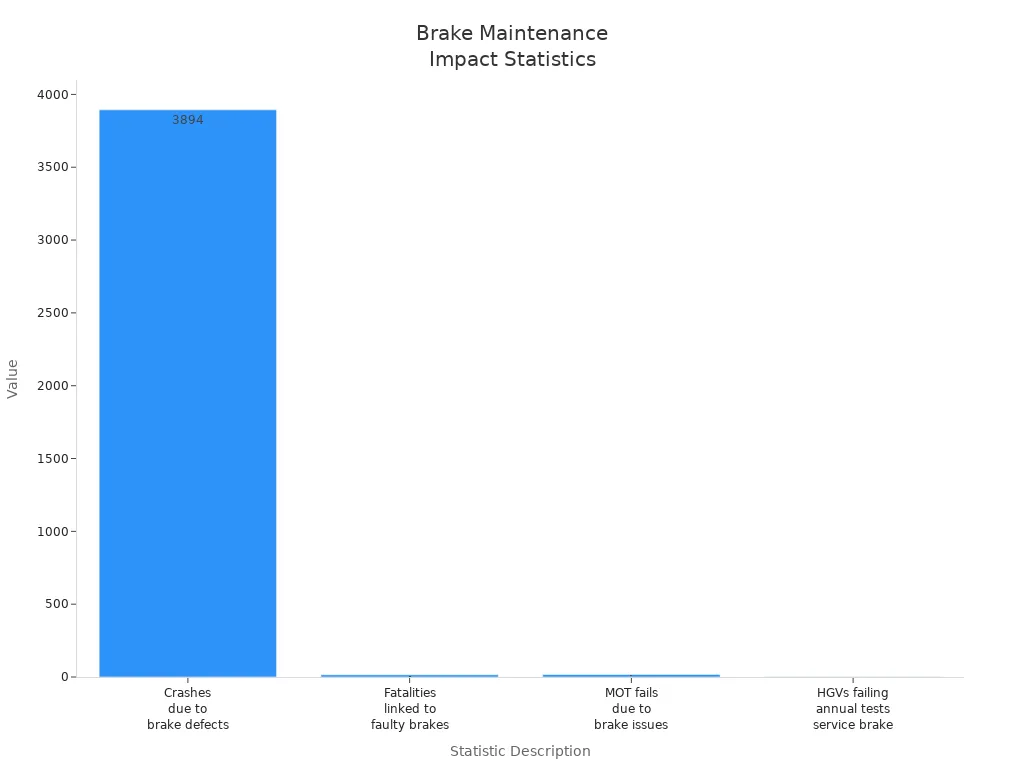
If you see any problems, ask a trained mechanic for help. Taking care of your brakes stops crashes and helps your car work well.
FAQYou may notice squeaking, grinding, or a burning smell. Your car might pull to one side. The brake pedal could feel soft. If you see leaking fluid near the wheels, get your brakes checked right away.
You should not drive with a bad caliper. It can make stopping harder and less safe. You risk damaging other brake parts. Always fix brake problems as soon as possible.
Check your brake calipers every time you get your brakes inspected. Most experts suggest checking them at least once a year or every 12,000 to 25,000 miles. Regular checks help you catch problems early.
No, not all cars use the same type. Sports cars often use fixed calipers for better stopping power. Most regular cars use floating calipers because they cost less and are easier to maintain.
Please leave your requirements and contact information, and we will send you the quotation information as soon as possible.