Date: 2026.05.12 Click: 2
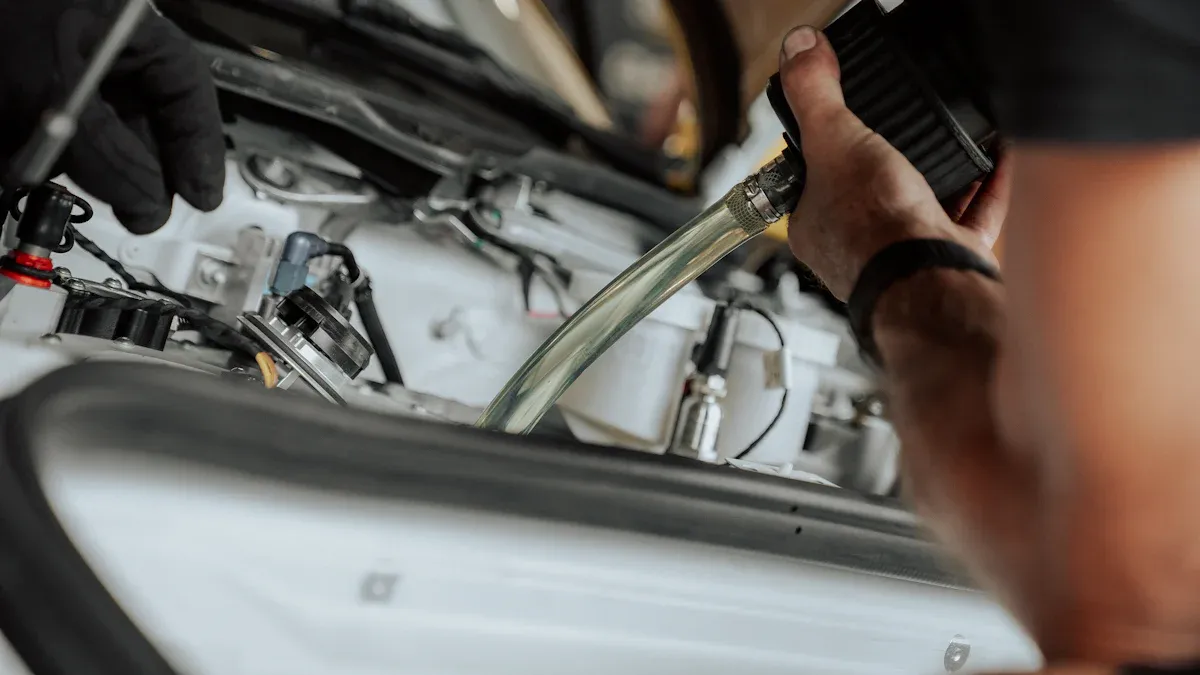
You use the brake master cylinder each time you step on the pedal to stop your car. This part is like the heart of the braking system. It changes the force from your foot into hydraulic pressure. When the master cylinder works well, your brakes react fast and help keep you safe. If it has problems, your brakes may not work as well. This can make accidents more likely.
Key TakeawaysBrake problems cause about 22% of car crashes from mechanical failures. This shows how important this part is for safety.
The brake master cylinder is very important for your car’s brakes. It changes the pressure from your foot into hydraulic pressure. This helps your car stop quickly and safely.
Check your brake fluid level often. If the fluid is low, there might be leaks. Leaks can make your brakes weak and unsafe to use.
Look for signs of a bad brake master cylinder. These signs include a soft brake pedal or leaking fluid. Fixing these problems fast can stop bad accidents from happening.
Many new cars have a dual-circuit brake master cylinder. This type makes your car safer. If one part stops working, the other part still works.
Check your brake system when you change your oil. Finding problems early can save you money. It also keeps you safe while driving.
You can think of the brake master cylinder as the main part that makes your car stop when you press the brake pedal. This part sits at the top of the braking system. When you push the pedal, the brake master cylinder uses your force to move a piston. The piston pushes brake fluid through the lines. This action changes your foot’s pressure into hydraulic pressure. The brake master cylinder sends this pressure to each brake, helping your car slow down or stop.
In modern cars, the brake master cylinder uses a dual-circuit design. This means the system has two separate circuits. If one circuit fails, the other can still work. You get extra safety because your brakes will not stop working completely if there is a problem in one part.
The brake master cylinder is often called the heart of the braking system. It keeps your car safe by making sure the brakes respond quickly.
The brake master cylinder plays a key role in the braking system. It takes the force from your foot and turns it into hydraulic energy. This energy moves through the brake lines and reaches the wheel brakes. You get strong and even braking because the system spreads the pressure to both the front and rear brakes.
Here is how the brake master cylinder works in the system:
You press the brake pedal.
The push rod moves the piston inside the brake master cylinder.
The piston compresses the brake fluid and seals the port.
Hydraulic pressure builds up and travels to the brakes.
Most cars use a dual-circuit brake master cylinder. This design gives you extra safety. If one circuit fails, the other keeps working. You can still stop your car, even if there is a problem in one part of the system.
Main Parts of the Brake Master Cylinder
You find two main parts inside the brake master cylinder: the reservoir and the piston. These parts work together to help you stop your car safely. When you press the brake pedal, the piston moves inside the cylinder. This movement pushes brake fluid from the reservoir into the brake lines. You get hydraulic pressure that makes the brakes work.
Here is how these parts function:
Reservoirs: The reservoirs store brake fluid. Usually, one reservoir feeds the front brakes and the other feeds the rear brakes. This setup keeps the system balanced and ready for action.
Piston: The piston sits inside the bore of the master cylinder. When you press the pedal, the piston pushes brake fluid out of the reservoir. This action creates hydraulic pressure and sends it to the brakes.
Tip: Always check the brake fluid level in the reservoir. Low fluid can cause weak brakes and make driving unsafe.
Seals and springs play important roles in the brake master cylinder. They keep the system working smoothly and prevent leaks. You rely on these parts to make sure the brakes respond every time you press the pedal.
|
Component |
Role |
|---|---|
|
Return Spring |
Pushes the piston back after braking. This action returns the brake pedal to its original position and prevents brake drag. |
|
Seal Retaining Ring |
Holds the seals in place. It keeps them from moving under pressure and ensures a tight seal. |
|
Front Cup Seal |
Stops brake fluid from leaking past the piston. This seal helps build pressure and keeps the hydraulic system reliable. |
|
Spring |
Resets the piston after you release the brake pedal. It prepares the system for the next time you need to stop. |
You see how seals and springs keep brake fluid inside the system and help the piston return to its starting point. These parts make sure your brakes stay ready and safe.
How the Brake Master Cylinder Works
When you want to stop your car, you start by pressing the brake pedal. This simple action sets off a chain reaction inside your car’s braking system. Here is what happens, step by step:
You press the brake pedal with your foot.
The pedal pushes a rod called the push rod.
The push rod moves the primary piston inside the brake master cylinder.
As the piston moves, it closes the compensation port. This step stops brake fluid from flowing back into the reservoir.
Pressure builds up in the brake lines.
In many cars, a secondary piston also moves. This piston creates pressure in a second circuit for extra safety.
The pressure travels through the brake lines and reaches the brakes at each wheel.
Note: This process happens quickly. You feel your car slow down almost right away when you press the pedal.
The brake master cylinder turns your foot’s force into hydraulic pressure. This pressure makes the brakes work. If any part of this process fails, your car may not stop as expected. That is why the brake master cylinder is so important for your safety.
The movement of brake fluid is the key to making your brakes work. When you press the pedal, the brake master cylinder pushes brake fluid out of the reservoir and into the brake lines. The fluid moves through the lines and reaches the brake calipers or wheel cylinders.
Here is how the fluid moves in the system:
The brake master cylinder creates pressure when you press the pedal.
Brake fluid flows from the reservoir into the brake lines.
The fluid travels to each wheel.
At the wheels, the fluid pushes against the brake calipers or wheel cylinders.
The calipers squeeze the brake pads against the rotors, or the wheel cylinders push the shoes against the drums.
Your car slows down or stops.
Tip: Brake fluid does not compress. This means all the force you apply to the pedal goes straight to the brakes. You get strong and even braking every time.
The brake master cylinder keeps the system sealed and full of fluid. If you lose brake fluid or have a leak, the brakes will not work well. Always check your brake fluid level and look for leaks to keep your braking system safe.
The entire process, from pressing the pedal to stopping the car, depends on the brake master cylinder. This part makes sure you can stop quickly and safely whenever you need to.
Importance and Common IssuesYou depend on your brakes every time you drive. The brake master cylinder helps you stop your car safely. When you press the pedal, you expect a quick response. If this part fails, you may lose control. You need strong brakes to avoid accidents and protect everyone in your car.
Brake fluid moves through the system and creates the pressure needed to stop. If you notice any problems, you should check the fluid right away. Low brake fluid can mean there is a leak. Leakage can make your brakes weak or slow. You should never ignore these signs. A small problem can turn into a big risk if you do not fix it.
Safety Tip: Always check your brake fluid level during regular car checks. This simple step helps you catch leaks early.
You can spot trouble with your brakes if you know what to look for. Here are some common symptoms of master cylinder failure:
You feel a spongy-feeling brake pedal when you press down.
The pedal sinks slowly to the floor.
You see brake fluid leakage under your car.
You need to add brake fluid more often than usual.
Your brakes do not respond as quickly as before.
|
Symptom |
What It Means |
|---|---|
|
Spongy-feeling brake pedal |
Air or moisture in the system |
|
Brake fluid leakage |
Possible seal or line problem |
|
Pedal sinks to floor |
Internal leakage or worn seals |
If you notice any of these issues, you should get your brakes checked right away. Leakage can lead to brake failure. Quick action keeps you and others safe on the road.
You now know that the brake master cylinder helps you stop your car safely. This part changes your foot’s force into pressure that moves through the system. You should check your brake fluid and watch for warning signs. Regular checks keep your car safe. Remember, a healthy brake master cylinder means you can drive with confidence every day.
FAQYou should check your brake master cylinder during every oil change. Look for leaks and check the brake fluid level. Regular checks help you catch problems early.
If your brake master cylinder fails, your brakes may feel soft or stop working. You could lose control of your car. Always fix brake issues right away.
You should not drive with a leaking brake master cylinder. Leaks lower brake fluid and reduce braking power. Get your car checked by a mechanic as soon as possible.
|
Sign |
What It Means |
|---|---|
|
Spongy pedal |
Air or fluid leak |
|
Fluid under car |
Seal or cylinder issue |
|
Slow brake response |
Worn master cylinder |
If you see these signs, you need a new brake master cylinder.
Please leave your requirements and contact information, and we will send you the quotation information as soon as possible.