Date: 2026.05.11 Click: 4
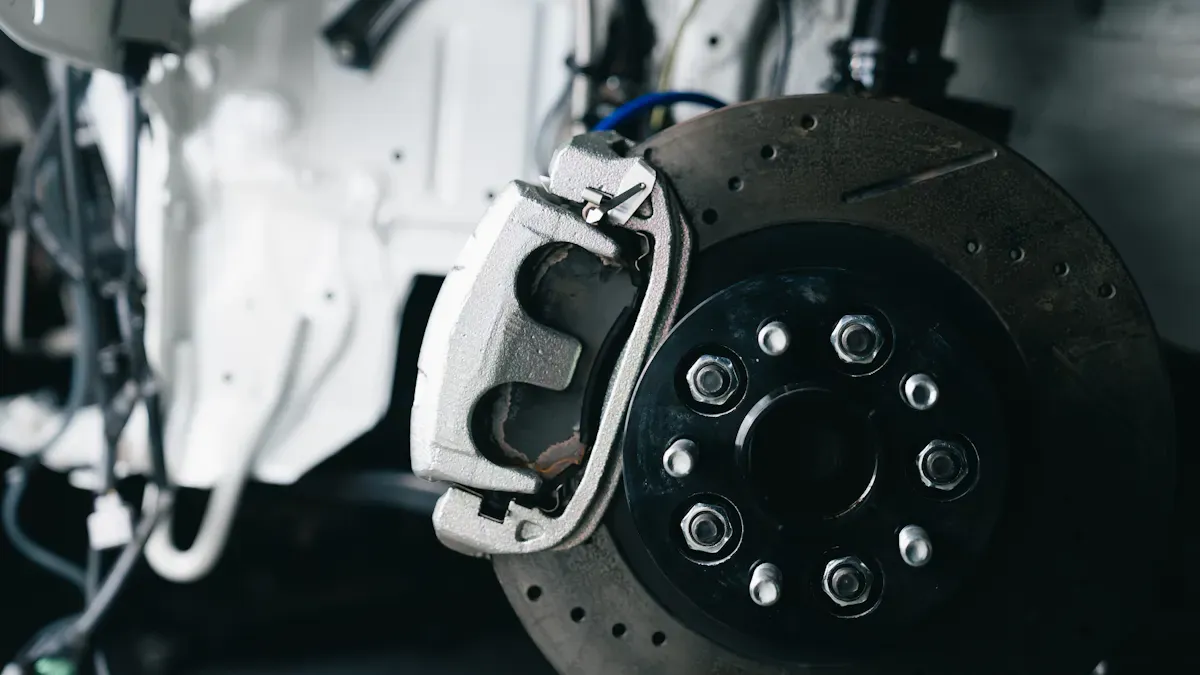
You use a Vacuum Booster to help your car stop easily. It takes vacuum from the engine and uses a metal chamber with a diaphragm. This boosts the force you put on the brake pedal. When you press the pedal, air goes into one side of the chamber. The change in pressure makes your effort stronger. This helps the brakes work better. More electric and hybrid cars are on the road now. These cars have newer braking systems with vacuum boosters.
Key TakeawaysA Vacuum Booster helps you brake with less effort. It uses engine vacuum to push harder on the brake pedal. In factories, Vacuum Boosters move air and gases fast. This helps things work better and saves energy. You should check your Vacuum Booster and vacuum lines often. This keeps braking safe and working well. There are different kinds of Vacuum Boosters. Roots-type and servo-assisted are used for special jobs in cars and factories. Using a Vacuum Booster makes driving safer and more comfortable. This is very helpful in big vehicles.
A Vacuum Booster helps you use less effort for more power. It uses air pressure changes to make jobs easier. In cars, the Vacuum Booster sits between the brake pedal and master cylinder. When you press the brake pedal, it uses engine vacuum to make your push stronger. You do not have to press the pedal as hard to stop. In factories, a Vacuum Booster helps pumps move air or gases faster. You can find this device in many places where extra help with pressure is needed.
Tip: If you open your car’s hood, you might see the Vacuum Booster. It looks like a round metal part near the firewall.
A Vacuum Booster helps a system work better and safer. In cars, it lets you stop quickly with less effort. When you press the brake pedal, the Vacuum Booster makes the force to the brakes stronger. This keeps you safer while driving. In factories, a Vacuum Booster helps vacuum pumps work faster and better. It moves air or gases out of chambers more quickly. This saves energy and time. The Vacuum Booster also keeps pressure steady to protect machines. This means better performance and longer-lasting equipment.
Here is a simple table that shows where you use a Vacuum Booster:
|
Application |
Purpose |
|---|---|
|
Automotive |
Easier braking, more safety |
|
Industrial |
Faster air movement, efficiency |
You can see that the Vacuum Booster makes many systems stronger and more reliable. It gives you easier controls and safer use.
Vacuum Booster Operation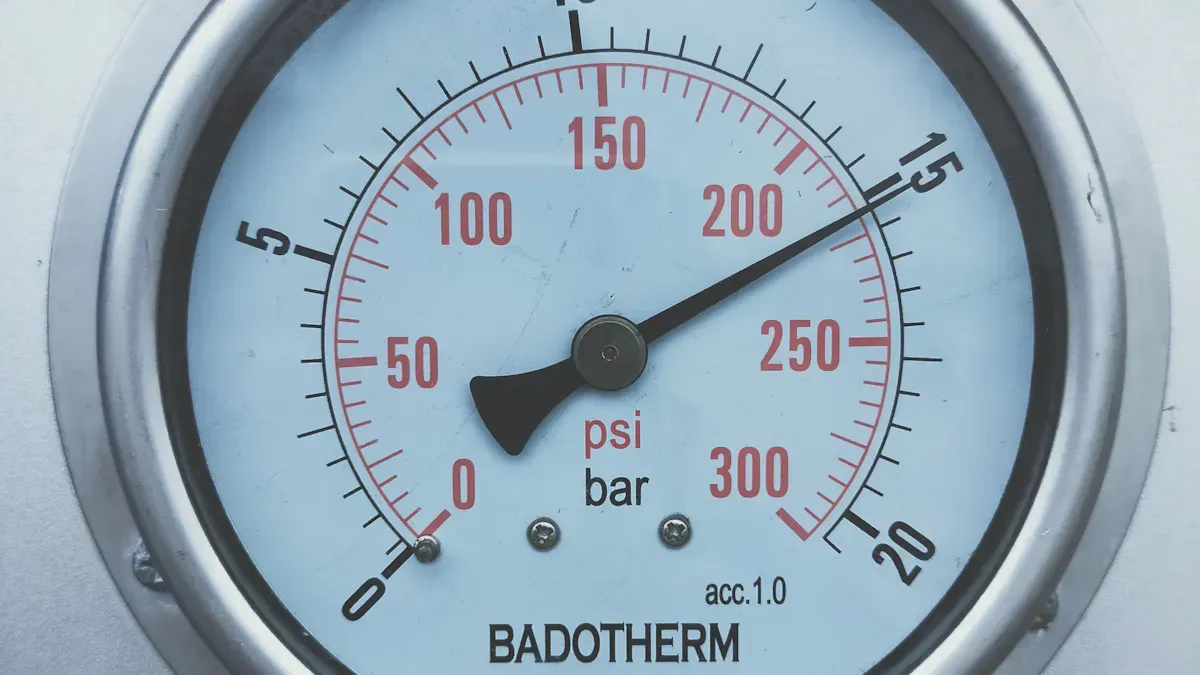
You can understand how a vacuum booster works by looking at its main parts. Each part has a special job to help the system run smoothly. Here is a table that shows the key components and what they do:
|
Component |
Description |
|---|---|
|
This part divides the booster into two chambers. It uses strong synthetic rubber to last a long time. |
|
|
Check Valve |
This valve keeps the vacuum inside. It lets air out but blocks outside air from coming in. |
|
Push Rod Mechanism |
This rod connects the diaphragm to the master cylinder. It moves the force you apply to the brakes. |
Note: If any of these parts fail, your brakes may feel hard or not work as well.
You can see vacuum boosters in both cars and factories. They use air pressure to make your job easier. Let’s look at how they work in different places.
Factories use vacuum boosters to move air or gases quickly. Many of these boosters use the Roots principle. Here is how it works:
Two rotors spin inside the booster. They do not touch each other or the chamber walls.
The rotors create a dry seal. This means no oil or water mixes with the gas.
The spinning rotors push gas from one side to the other. This action increases the speed of gas movement.
When you connect a Roots pump to a main pump, you can make the system work up to seven times faster. You can also increase the pressure by up to ten times.
The small gaps between the rotors and the chamber help the booster reach lower pressures. This makes it great for medium vacuum jobs.
You get a compact and light machine that works fast and does not need much space.
When you press your car’s brake pedal, the vacuum booster helps you stop with less effort. Here is what happens:
The engine creates a vacuum in one chamber of the booster.
The other chamber fills with air when you press the brake pedal.
A poppet valve controls how air moves between the chambers.
The pressure difference between the two chambers pushes the diaphragm.
The push rod moves, sending more force to the master cylinder.
This process multiplies the force you put on the pedal. You do not have to press as hard to stop the car. The vacuum booster makes braking safer and easier for you.
Here is a table that explains how force multiplication works in a vacuum booster:
|
Aspect |
Description |
|---|---|
|
Function |
The booster increases the force from your foot, so you stop faster and with less effort. |
|
Mechanism |
It uses the pressure difference between the vacuum and air chambers to boost your force. |
|
Methodology |
Engineers use computer models and tests to make sure the booster works well in real cars. |
Uses and Benefits🚗 Tip: If your brake pedal feels hard, your vacuum booster may not be working right. You should have it checked.
Vacuum boosters are used in many factories. They help move air and gases fast. This is important for making things quickly and well. Vacuum boosters keep the pressure steady. This stops problems that could hurt products. In electronics and medicine, you need clean spaces. Vacuum boosters take out bad stuff and keep the area clean.
Here is a table that shows how vacuum boosters help in big factories:
|
Aspect |
Description |
|---|---|
|
Energy Efficiency |
New vacuum pump systems use less energy and save money. |
|
Operational Costs |
Good pumps use less power, which helps big factories. |
|
Performance Across Conditions |
You can keep the right vacuum and save energy, even if work changes. |
💡 Note: Many companies use vacuum boosters to help the planet and lower pollution.
You use vacuum boosters when you drive a car with power brakes. These devices make stopping your car much easier. The engine or an electric pump makes a vacuum. This vacuum helps the booster make your push on the brake pedal stronger. You do not have to press as hard to stop. This makes driving safer and more comfortable.
Vacuum boosters make your foot force stronger, so you stop faster.
They use engine vacuum or electric pumps for smooth and safe braking.
This is very important for big cars and cars with new safety systems.
🚗 Tip: If your brake pedal feels soft or hard, the vacuum booster may need fixing.
Vacuum boosters give you clear benefits in factories and cars. In factories, they keep vacuum pressure steady. This means better products and less waste. They also help make things faster by moving gases out quickly. In cars, a vacuum booster can add up to 300 pounds of force when you press the brake pedal. This makes stopping easier, even for big cars.
iBooster systems work in both electric and gas cars, showing they are flexible.
These systems react faster than old boosters, which helps with new safety features like automatic braking.
You save energy and make things safer at the same time.
Vacuum Booster Types✅ Using a vacuum booster gives you better performance, more safety, and lower costs in many jobs.
Vacuum boosters come in different types for cars and factories. Each type is good for certain jobs. Let’s see the main types and how they help.
Roots-type boosters are used in big factories. They have two rotors that spin in opposite ways. The rotors never touch each other. This keeps the pump dry and clean. This design moves gas fast and uses little energy. Roots-type boosters can handle some water vapor or dust. They work well in tough places.
Here is a table showing what makes Roots-type boosters special:
|
Characteristic |
Description |
|---|---|
|
Operation |
Two rotors spin and move gas without touching |
|
Seal |
Dry and does not touch |
|
Pumping Speed |
Fast |
|
Power Consumption |
Low |
|
Water Vapor Sensitivity |
Not bothered |
|
Common Industries |
Metallurgy, chemical, food, pharmaceuticals |
You find these boosters in vacuum metallurgy and chemical factories. They are also used in medicine making and semiconductor factories. Roots-type boosters start quickly and use less energy. They need little care.
Direct-acting boosters have a simple design. When you press the brake pedal, your force goes right to the booster. This type does not use extra levers or complex parts. You get quick response and steady braking. Many small cars use direct-acting boosters. They are easy to build and fix. You can trust them for daily driving.
Servo-assisted boosters give you extra force. These boosters use a servo system to help with braking. You press the pedal, and the servo adds more power. This means you use less effort to stop. Car makers have made these boosters safer over time.
Here is a quick look at how servo-assisted boosters changed:
|
Year |
Development |
Application |
|---|---|---|
|
1920 |
Parry-Thomas invents vacuum servo for brakes |
Automotive |
|
1924 |
Pierce-Arrow introduces vacuum booster |
Commercial vehicles |
|
1928 |
Bosch markets vacuum servo brakes for cars |
Automotive |
Servo-assisted boosters give you many benefits:
You press the pedal with less effort.
Your car stops safely and smoothly.
The system keeps working if one part fails.
When picking a Vacuum Booster, think about what you need. Roots-type boosters are best for factories. Direct-acting and servo-assisted types help you drive safely every day.
Pros and ConsYou get many good things when you use a Vacuum Booster. In factories, work gets faster and more dependable. In cars, stopping is safer and easier. Here is a table with some main advantages:
|
Advantage |
Description |
|---|---|
|
Rapid Degassing Rate |
Strong vacuum pulls gas out of liquids fast. This helps dry things quickly. |
|
Uniform Coating Quality |
Good vacuum makes even layers and cuts down waste. |
|
Sterile Environment Maintenance |
Vacuum keeps out dirty stuff, which is important for clean work. |
|
Consistent Pressure Stability |
Steady vacuum keeps products the same every time. |
|
Increased Throughput Rates |
Fast gas removal lets you make more products each day. |
|
Improved Drying Consistency |
Low pressure helps dry every batch evenly. |
|
Lower Contamination Incidents |
Boosters control bad vapors and keep clean rooms safe. |
|
Reduced Power Demand |
Main pumps work less, so you save energy and lower heat. |
|
Simplified Maintenance |
Easy cleaning means less downtime and steady production. |
You also get other helpful benefits. High vacuum lets you boost power in your system. Energy efficiency means strong performance without wasting electricity. Durable design gives you long-lasting and reliable use. You can add a booster to many types of vacuum systems. Many industries use these devices, like packaging, medical, and electronics.
In cars, a Vacuum Booster makes braking much easier. You do not need to press the pedal as hard. This helps you avoid getting tired, especially on long trips.
🚗 Tip: A Vacuum Booster helps you drive safely and keeps you from getting tired on long drives.
You should know about some limits of Vacuum Boosters. These devices need a good vacuum source to work well. If the engine or pump does not make enough vacuum, the booster cannot help as much. In cars, if the vacuum line leaks or the booster fails, you may feel a hard brake pedal. Some boosters can be noisy or need regular checks to keep working right. In factories, you must pick the right size and type for your job. If you choose the wrong one, you may not get the best results. You also need to keep the booster clean and free from dust or oil. This helps it last longer and work better.
⚠️ Note: Always check your booster and vacuum lines for leaks or damage to keep your system safe and strong.
You now know how a Vacuum Booster works and why it is important. This device helps things work better and faster. It also saves energy and keeps machines working well.
|
Key Point |
Description |
|---|---|
|
Performance Enhancement |
Vacuum boosters help vacuum systems work faster and better. |
|
Efficiency Improvement |
They save energy by making other parts work less. |
|
Reliability |
These boosters keep vacuum steady for important jobs. |
New smart brakes and factory systems use vacuum boosters to make cars and machines safer. You can find vacuum boosters in many places, like cars and big factories.
FAQThe next time you notice easy braking or clean air in a factory, think about the vacuum booster doing its job!
You may notice your brake pedal feels hard or you need more force to stop. Your car may take longer to brake. You should get your system checked right away for safety.
You can drive, but stopping will require much more effort. Your brakes will still work, but you must press the pedal much harder. This can be dangerous in emergencies.
You may hear a hissing sound near the brake pedal.
Your engine may idle roughly.
Your brakes may feel less responsive.
If you notice these signs, check your booster and vacuum lines.
Many electric cars use electric vacuum pumps with boosters. These systems help you get the same easy braking feel as gas-powered cars. Some new models use electronic brake assist instead.
Please leave your requirements and contact information, and we will send you the quotation information as soon as possible.