Date: 2026.05.11 Click: 3
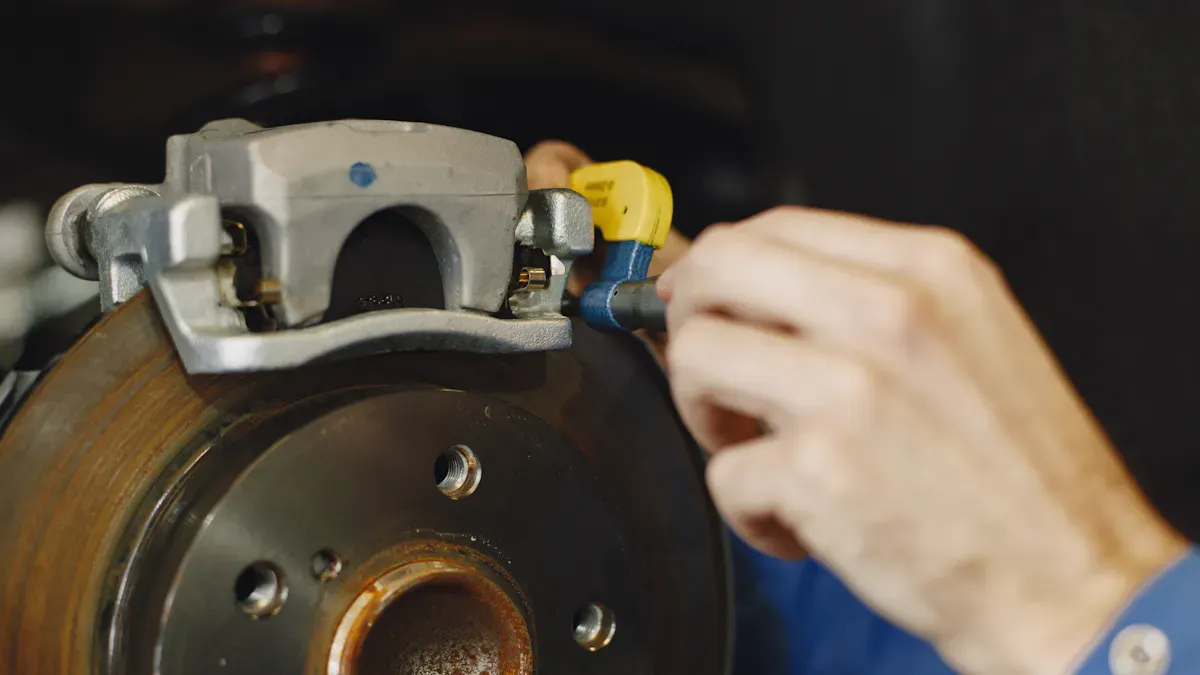
You rely on your brakes every time you drive, but you might not realize how the abs pump keeps you safe. This key part of the anti-lock braking system helps you maintain control when you stop suddenly. When you feel a pulsing sensation in the brake pedal, the abs pump and the ABS module work together to prevent your wheels from locking up.
Key TakeawaysThe ABS pump is very important for safe braking. It stops the wheels from locking up. This lets you steer when you stop quickly.
You might feel the brake pedal pulse when the ABS pump turns on. This shows the system is working to keep you safe.
It is important to take care of your ABS system. Check the brake fluid often. Look for warning lights to make sure it works right.
If you hear strange noises or need more time to stop, your ABS pump may not work. Ask a mechanic for help if you notice these signs.
Trust the anti-lock braking system in emergencies. It helps you stay in control and not skid on wet roads.
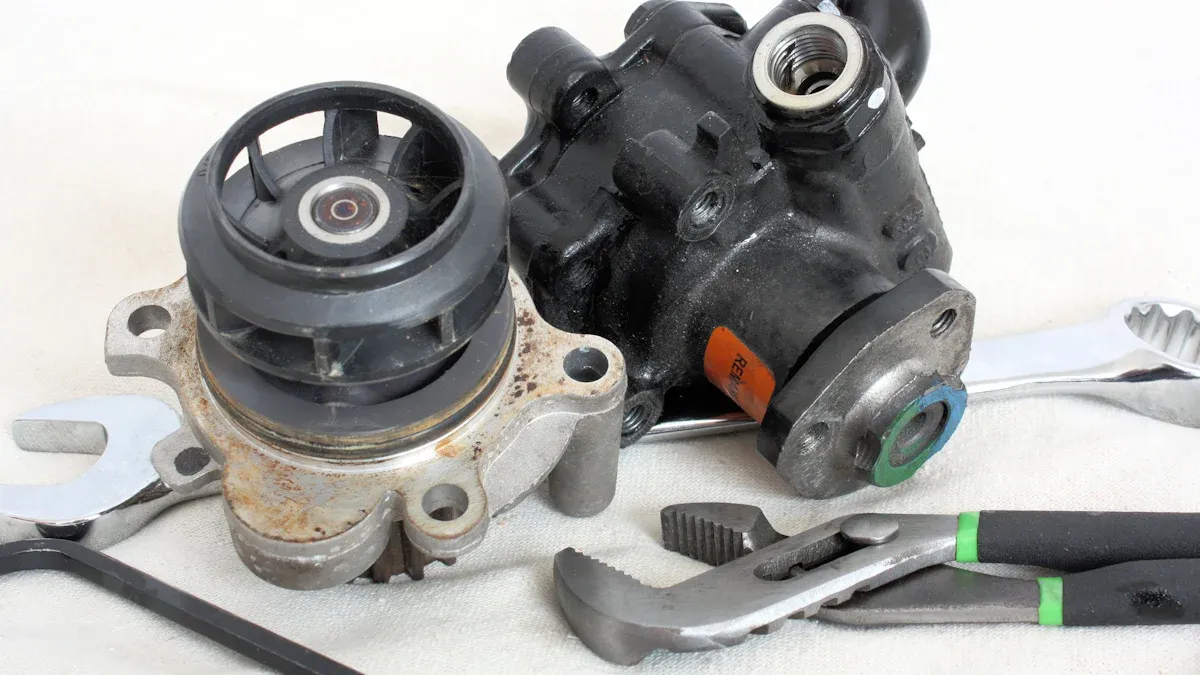
The abs pump is inside your car’s anti-lock braking system. It controls the brake fluid pressure for each wheel. This system is made up of many parts. It has a hydraulic unit, solenoid valves, a return pump, and a pressure sensor. The hydraulic unit moves the brake fluid. Solenoid valves change the pressure at each wheel. The return pump sends fluid back to the master cylinder. The pressure sensor checks how hard you press the brake pedal.
The abs pump is different from other hydraulic pumps. It can quickly add or release pressure in short bursts. It uses wheel speed sensors and special computer programs to make fast changes. This helps stop the wheels from locking up. It also keeps your car steady when you stop suddenly.
Here is a simple table that lists the main parts and what they do:
|
Component |
Function |
|---|---|
|
Hydraulic Modulator |
Controls brake fluid pressure |
|
Solenoid Valves |
Open/close to change braking force |
|
Accumulator |
Takes in extra brake fluid |
|
Return Pump |
Sends fluid back to master cylinder |
|
Pressure Sensor |
Checks how hard you press the brake pedal |
The abs pump is very important for safe braking. When you press the brake pedal hard, the pump and the ABS module work together. They control the hydraulic pressure. This stops the wheels from locking up. Locked wheels can make your car skid and lose control. The abs pump helps you keep steering, even in emergencies.
The hydraulic modulator listens to the ABS module.
Solenoid valves at each wheel change pressure for the road.
The accumulator takes in extra fluid if pressure drops.
The return pump moves fluid back for more braking.
This system helps keep your car steady and lets you stop safely. The abs pump makes sure you can steer while braking. This lowers the chance of accidents.
ABS Pump Operation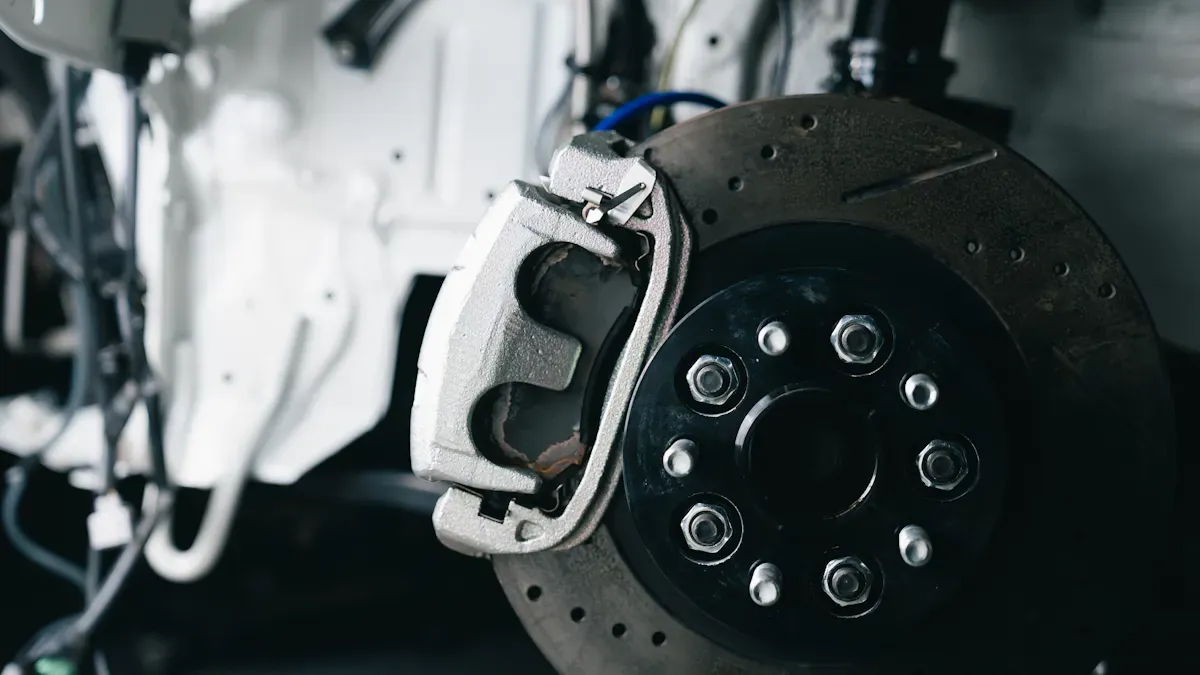
You depend on the abs hydraulic pump every time you need to stop quickly. The abs hydraulic pump uses an electric motor to create hydraulic pressure. This pressure helps you control your car during hard braking. When you press the brake pedal, the electric motor inside the abs hydraulic pump starts working. It pushes brake fluid through the system. The fluid moves to each wheel and helps you slow down safely.
The abs hydraulic pump restores pressure when the system releases it to prevent wheel lockup. You get steady braking even if the road is slippery. The electric motor responds fast. It keeps the hydraulic pressure balanced. You feel confident because the abs hydraulic pump gives you control.
Tip: If you hear a buzzing sound during sudden stops, that is the electric motor inside the abs hydraulic pump working hard to keep you safe.
The abs hydraulic pump and the abs module work together as a team. The abs module acts like the brain of the system. It reads signals from wheel speed sensors. It decides when to activate the abs hydraulic pump. When the abs module senses a wheel might lock up, it sends a command to the abs hydraulic pump. The pump then adjusts the hydraulic pressure at each wheel.
You see the abs module and the abs hydraulic pump communicate many times during one braking event. The abs module checks the speed of each wheel. It tells the abs hydraulic pump to increase or decrease pressure. This keeps your wheels turning and prevents skidding. You stay in control because the abs module and the abs hydraulic pump react quickly.
Here is a simple table showing how the abs module and the abs hydraulic pump interact:
|
Step |
ABS Module Action |
ABS Hydraulic Pump Action |
|---|---|---|
|
1 |
Reads wheel speed sensors |
Waits for command |
|
2 |
Detects wheel lockup |
Activates electric motor |
|
3 |
Sends signal to pump |
Adjusts hydraulic pressure |
|
4 |
Monitors wheel speed |
Keeps pressure balanced |
You feel a pulsing sensation in the brake pedal when the abs hydraulic pump activates. The abs module tells the abs hydraulic pump to cycle pressure rapidly. The pump releases and restores hydraulic pressure many times each second. This rapid cycling causes the brake pedal to pulse under your foot.
You notice this pulsing most during emergency braking. The abs hydraulic pump works fast. It prevents the wheels from locking up. The abs module keeps sending signals to the pump. You feel the pedal move up and down. This is normal. The pulsing means the abs hydraulic pump and the abs module are protecting you.
You should not panic if you feel the pulsing.
The abs hydraulic pump and abs module are working as designed.
You keep steering and avoid skidding.
Anti-lock Braking System SafetyNote: The pulsing sensation is a sign that the abs hydraulic pump and abs module are active. You stay safe because the system keeps your wheels turning.
You depend on the anti-lock braking system to keep your car safe during sudden stops. The system uses sensors to check the speed of each wheel. When you press the brake pedal hard, the abs pump starts working. It quickly adjusts the pressure in the brake lines. This action helps prevent wheel lockup. Locked wheels slide instead of rolling. You lose control when this happens. The anti-lock braking system keeps your wheels turning so you can steer.
If you want to avoid skidding, trust the system to prevent wheel lockup. You will notice the pulsing in the brake pedal. That means the abs pump is active. You stay in control even on wet or icy roads.
Here is a simple list of what happens when the system prevents wheel lockup:
Sensors check wheel speed.
The abs pump changes brake pressure.
Wheels keep turning.
You keep steering.
You get better braking performance because the system prevents wheel lockup. You can steer around obstacles while braking. The system helps you stop faster and safer. You feel confident when you drive in rain or snow. The anti-lock braking system gives you more control.
|
Situation |
System Action |
Result |
|---|---|---|
|
Wet roads |
Adjusts brake pressure |
Prevents wheel lockup |
|
Emergency stop |
Pulses brake pedal |
Keeps control |
|
Icy conditions |
Monitors wheel speed |
Improves braking |
You notice that your car responds better during hard stops. The system helps you avoid accidents. You rely on the abs pump to keep your braking smooth and steady. You stay safe because the system works to prevent wheel lockup every time you need it.
ABS Pump Failure & CareYou need to know the warning signs if your abs hydraulic unit starts to fail. The most common sign is the ABS warning light on your dashboard. This light tells you that the system found a problem. You might also notice that the pulsing sensation in your brake pedal disappears during hard braking. If you lose this pulsing, the abs module may not be working with the abs hydraulic unit as it should.
Other signs include strange noises when you brake, like grinding or buzzing. You could feel the brake pedal become stiff or sink lower than normal. Sometimes, your car takes longer to stop, especially on wet or slippery roads. If you see any of these symptoms, your abs pump or abs module may need attention.
Common Symptoms Table
|
Symptom |
What It Means |
|---|---|
|
ABS warning light |
System detected a fault |
|
No pulsing in brake pedal |
ABS not activating |
|
Unusual noises during braking |
Possible abs hydraulic unit issue |
|
Longer stopping distance |
Reduced braking performance |
Tip: Never ignore the ABS warning light. It means your anti-lock braking system may not protect you in an emergency.
You can help your abs hydraulic unit last longer with simple care. Check your brake fluid level often. Low or dirty fluid can cause problems for the abs module and the abs pump. Use the right type of brake fluid for your car. Replace it as your owner’s manual suggests.
Keep your wheels and sensors clean. Dirt or rust can block the signals between the abs module and the abs hydraulic unit. If you hear odd sounds or see warning lights, visit a trusted mechanic. Only a professional can test the abs module and the abs hydraulic unit with special tools.
Check brake fluid level and quality regularly.
Clean wheel sensors to keep signals clear.
Watch for warning lights or changes in braking.
Ask a mechanic for help if you notice problems.
Note: You should never try to repair the abs hydraulic unit or abs module yourself. These parts control your safety during braking. Always let a trained expert handle repairs.
You trust your brakes every time you drive. The abs pump helps you stay safe by keeping your wheels from locking up. Watch for warning signs like dashboard lights or changes in how your brakes feel. Regular checks and quick action protect you and your car. If you notice any problems, ask a professional for help right away.
FAQYou control your car better during hard stops because the ABS pump adjusts brake pressure. It keeps your wheels from locking up. You stay safe and avoid skidding.
You see the ABS warning light on your dashboard. You hear strange noises or lose the pulsing feeling in your brake pedal. You notice longer stopping distances.
Tip: Always check your dashboard for warning lights.
You can drive, but you lose the anti-lock braking system. You risk wheel lockup and skidding. You should fix the ABS pump as soon as possible.
|
Risk |
Effect |
|---|---|
|
Wheel lockup |
Loss of control |
|
Skidding |
Increased accident |
You check your ABS system during regular maintenance. You inspect brake fluid and sensors every few months. You ask a mechanic for help if you see warning lights.
You feel pulsing because the ABS pump cycles brake pressure quickly. This action keeps your wheels turning and helps you steer during emergency stops.
Please leave your requirements and contact information, and we will send you the quotation information as soon as possible.