Date: 2026.05.09 Click: 6
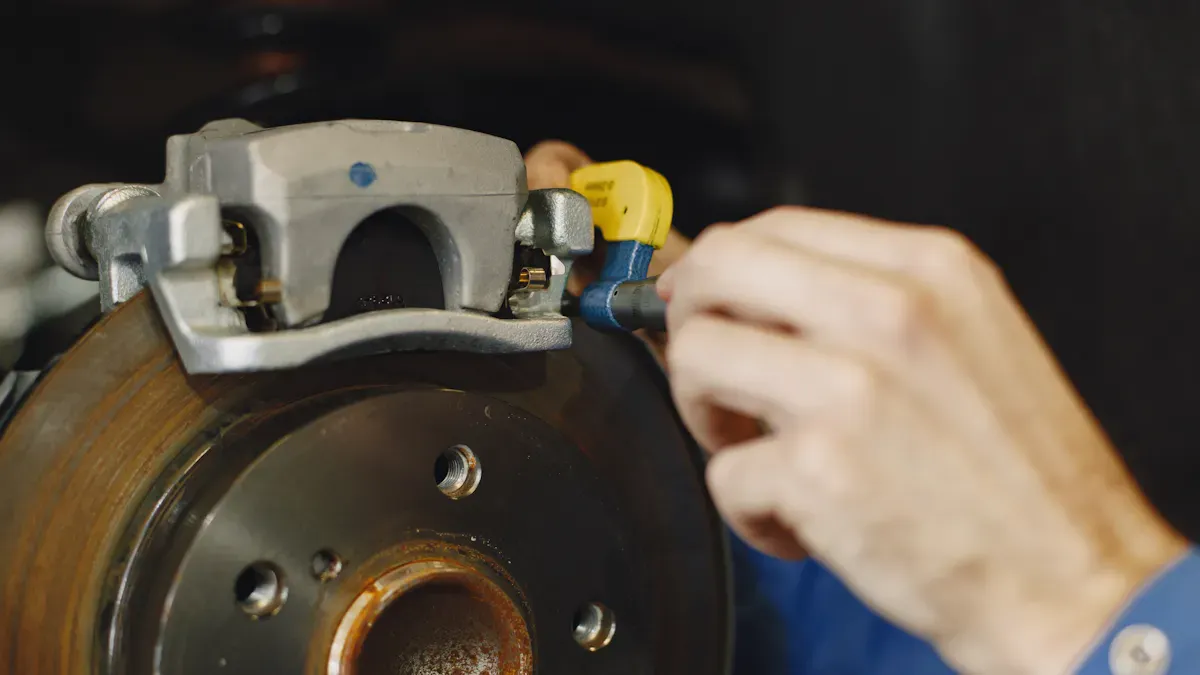
You want your car to stop safely every time. Picking the right Brake Hose starts with a few simple steps. Check what your vehicle needs. Measure the hose size. Compare materials like rubber and stainless steel. Watch for mistakes like mismatched fittings. Follow each step for the best fit and strong performance.
Key TakeawaysFirst, know your car’s make, model, and year. This helps you pick the right brake hose. It makes sure the hose fits and is safe.
Pick rubber or stainless steel hoses for your needs. Rubber hoses are cheaper and good for daily driving. Stainless steel hoses work better for strong braking.
Always check the brake hose’s length and width. If the size is wrong, your brakes might not work. Measure the hose before you buy it.
Make sure the brake hose has DOT approval. This means the hose is safe and legal for the road.
Check your brake hoses often for damage like cracks or leaks. Finding problems early can stop big safety risks.
You need to start with your car’s basic details. Write down the make, model, and year. These three things help you find the right Brake Hose. Every car has its own design. Some hoses fit only certain models. If you drive a high-performance or modified vehicle, you should pay extra attention. These cars often need hoses that handle more pressure and heat. Stainless steel braided hoses work well for these situations. They give you a firmer pedal feel and steady braking, even when things get intense.
Tip: Always double-check your car’s details before shopping for parts. Mistakes here can lead to buying the wrong hose.
Your owner’s manual is a goldmine for information. It tells you what kind of Brake Hose your car needs. Manufacturers list important details like hose length, diameter, and fitting type. They also explain how hoses are built to handle movement, weather, and hydraulic pressure. You’ll see that hoses have layers: an inner tube, fabric reinforcement, and a protective cover. Manuals warn about common problems like aging, bad installation, or damage from the environment.
Look for these in your manual:
Hose size and fitting type
Assembly instructions
Inspection tips for cracks or corrosion
Maintenance schedules
If you plan to install the hose yourself, follow these steps:
Park your car safely and check the manual for safety tips.
Turn off the engine and disconnect the battery.
Let the engine and brakes cool down.
Wear gloves and eye protection.
Make sure a qualified mechanic checks your work if you’re unsure.
Regular inspections help you spot trouble early. Cracks, bulges, or rust mean it’s time for a new hose. Following the manual keeps your brakes working right and keeps you safe.
Brake Hose Types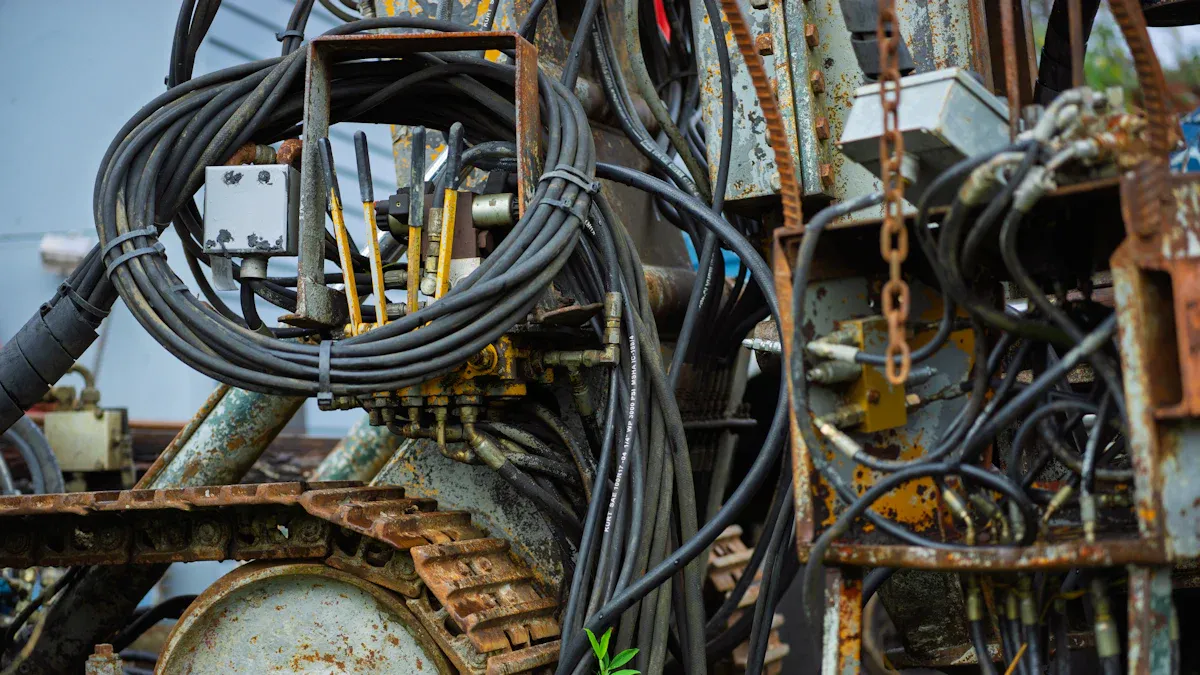
When you look for a new brake hose, you usually find two main types. These are rubber and stainless steel braided hoses. Each type has good points and bad points. You need to pick the one that matches how you drive and what your car needs.
Rubber brake hoses are used in most cars. They are popular because they bend easily and cost less money. These hoses are made from synthetic rubber with layers to make them strong. They work well for normal driving and everyday roads.
Stainless steel braided brake hoses look different from rubber hoses. They have a rubber or PTFE core inside. A tough mesh of stainless steel wraps around the hose. This makes them work better if you drive fast or go racing. Stainless steel hoses do not swell much and can handle heat and chemicals.
Here is a simple table to show the differences:
|
Feature |
Rubber Brake Hoses |
Stainless Steel Brake Hoses |
|---|---|---|
|
Durability |
Can expand and wear out |
Lasts longer and protects from damage |
|
Performance |
Not as good under high pressure |
Stays strong under pressure |
|
Cost |
Usually costs less |
Costs more but works better |
|
Flexibility |
Bends easily but wears out |
Bends easily and resists rust |
|
Burst Pressure Resistance |
Lower resistance to bursting |
High resistance to bursting (over 3,000 psi) |
Stainless steel brake lines are strong, last a long time, and bend easily. Because they are stainless steel, they do not rust easily. Good stainless steel brake lines also make the brake pedal feel firmer. Rubber brake lines can stretch a little when you press the pedal, but stainless steel lines hardly stretch at all.
You want to choose the best brake hose for your car and your wallet. Let’s look at the good and bad sides of each material so you can decide.
Rubber Brake Hoses
Most cars use these because they are cheap and simple to put in.
They bend easily, so they fit in tight spots.
Rubber can crack, swell, or wear out over time. This can make your brakes feel soft.
Rubber hoses cost less but do not last as long.
In 2025, almost half of all brake hoses sold will be rubber. This means many drivers still like them.
Stainless Steel Braided Brake Hoses
These hoses work better if you drive fast or pull heavy things.
They do not swell, so your brake pedal feels firm.
Stainless steel hoses last longer and handle heat, chemicals, and rough roads.
They cost more money. For example, Spiegler stainless steel hoses cost $160 for three. BMW rubber hoses cost $100 for two.
Stainless steel hoses work well in tough conditions and resist scratches and chemicals.
PTFE Brake Hoses
Some fancy hoses use PTFE inside for extra protection from chemicals.
These hoses also have a stainless steel braid for strength.
PTFE hoses are great for racing or cars that get used a lot.
Tip: If you drive your car every day and want to save money, rubber brake hoses are a good choice. If you want the best performance and do not mind paying more, stainless steel braided hoses are worth it.
No matter which brake hose you pick, always make sure it fits your car and meets safety rules. The right hose keeps your brakes working well and helps you stay safe.
Brake Hose SpecsYou need to get the right size for your brake hose. If you pick the wrong length or diameter, your brakes might not work well. Here’s how you can measure your current hose:
Find the fitting type on your hose. This helps you know how to measure.
Use a thread gauge or calipers to check the thread size. This tells you the diameter and pitch.
If your hose has flare fittings, measure the flare diameter. Make sure you know the flare type.
Grab a ruler or tape measure. Measure the full length of the hose, including the fittings. Make sure it fits the space in your car.
Tip: Always double-check your measurements. A hose that’s too short can stretch and break. A hose that’s too long can rub against other parts and wear out.
You want the hose to match the master cylinder and brake caliper. If you use a wrench to check the fitting size, you can avoid mistakes. The right size keeps your brakes strong and safe.
Brake hose fittings come in different shapes. You might see straight, elbow, or tee fittings. Each type has a job. Straight fittings connect hoses directly. Elbow fittings help the hose turn corners. Tee fittings let you branch off to other brake lines.
If you pick the wrong fitting, your brake fluid won’t flow right. You could lose pressure or even have leaks. Always match the fitting type to your car’s brake system. This keeps your brakes working and stops you safely.
You also need to know the standards for fittings. In North America, most hoses follow SAE standards. These include:
SAE J1401 for brake hoses
FMVSS No. 106 for air brake hoses
SAE J1402 for air brake hose tests
In Europe, you might see different rules, but SAE standards are common. Make sure your hose meets these standards before you buy.
Brake hoses must handle high pressure. If they don’t, your brakes can fail. You want to check the pressure ratings and look for DOT approval. DOT means the hose meets federal safety rules.
Here’s a quick look at what DOT approval requires:
|
Requirement |
Value |
|---|---|
|
Water pressure for 2 minutes |
4,000 psi |
|
Minimum rupture pressure |
5,000 psi |
DOT approval is important. It shows the hose passed tough tests. You’ll see a DOT stamp on the hose. This means it’s legal and safe for your car. If you use a hose without DOT approval, you risk brake failure. It’s also illegal to drive with non-approved hoses.
|
Evidence |
Explanation |
|---|---|
|
DOT stamp indicates compliance with federal safety standards |
This certification ensures that brake hoses meet rigorous safety and performance criteria, which is essential for the safety of passenger vehicles. |
|
Non-approved hoses pose safety risks and are illegal |
Using hoses that lack DOT approval can lead to brake failure, making it illegal for vehicles on public roads. |
|
NHTSA Standard No. 106 outlines comprehensive requirements |
This standard covers critical aspects such as pressure performance and temperature resistance, ensuring the integrity of brake systems. |
Note: Always check for the DOT stamp. If you don’t see it, don’t use the hose. Your safety depends on it.
You want your brake hose to fit right, handle the pressure, and meet all safety rules. If you follow these steps, you’ll keep your brakes strong and your car safe.
Quality and Installation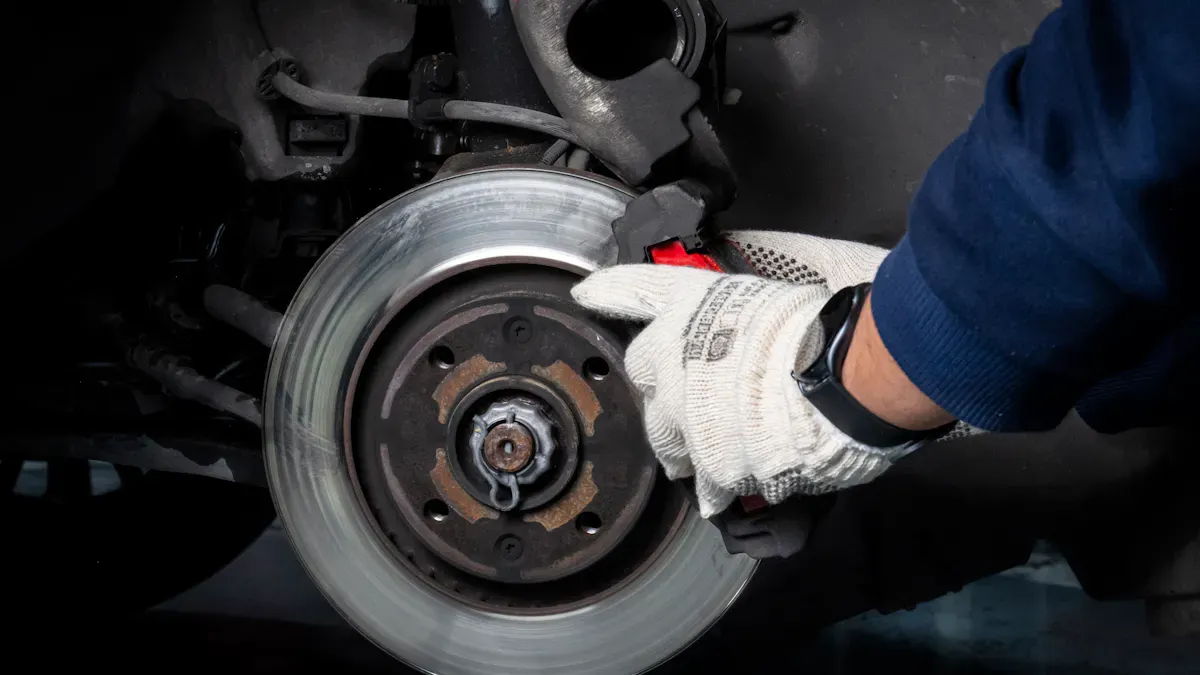
When you shop for a new brake hose, you’ll see two main choices: OEM and aftermarket. OEM stands for “Original Equipment Manufacturer.” These hoses come from the same company that made your car. They fit perfectly and follow strict safety rules. Aftermarket hoses come from other companies. Some are high quality, but others may not last as long or work as well.
OEM hoses are usually more reliable and meet tough safety standards.
Aftermarket hoses can be hit or miss. Some are great, but cheaper ones might not be safe or strong.
Always check the material, pressure rating, and how well the hose handles heat.
If you want peace of mind, OEM is a safe bet. If you pick aftermarket, choose a trusted brand.
You want your brakes to work every time. That’s why you should pick a brand with a good reputation. Look for companies that test their hoses and offer a warranty. A warranty shows the company stands behind its product. If something goes wrong, you can get a replacement.
Choose brands that follow safety standards.
Check for a warranty before you buy.
Read reviews from other drivers.
A good brand and warranty help you avoid problems down the road.
You might wonder if you should install the hose yourself or let a pro handle it. Here’s what you need to know:
Professional repair shops follow the right steps for torque, fluid type, and replacement times. They make sure your brakes work as the car maker intended. You get peace of mind knowing your car is safe.
If you go to a shop, you get trained techs who spot problems you might miss. They use special tools and check everything carefully. Here’s a quick look at the pros and cons:
|
Benefit/Risk |
Description |
|---|---|
|
Expertise and Experience |
Pros know what to look for and how to fix it right. |
|
Specialized Tools |
Shops have tools you probably don’t. |
|
Diagnostic Accuracy |
Techs can find hidden problems. |
|
Warranty and Quality |
Good shops use quality parts and offer a warranty. |
|
Complexity of Brake Systems |
Modern brakes are tricky. Pros know how to handle them. |
|
Risks of DIY |
Mistakes can lead to brake failure or safety issues. |
DIY repairs can save money, but small mistakes can cause big problems. If you’re not sure, let a pro do the job.
You need to check your brake hoses often. Look for these warning signs:
Soft or sinking brake pedal
Wet spots near a wheel or hose fitting (fresh fluid means a leak)
Car pulls to one side when braking
Brakes won’t release (they drag or overheat)
Bulging or cracked rubber on the hose
ABS or brake warning light after a hard stop
If you see any of these, get your hose checked right away. Most car makers say to inspect hoses every time you rotate your tires or at least once a year. OEM hoses usually last about six years. If you drive in tough weather, check them more often.
Common MistakesDon’t wait for a problem. Regular checks keep you safe and your car running smoothly.
You might think all brake hose fittings look the same, but they are not. If you use the wrong fitting, you can run into big problems. Mismatched fittings do not seal right. This can cause leaks in your brake system. When brake fluid leaks, your car loses pressure. You may notice your brake pedal feels soft or goes to the floor. That means your brakes will not work as well, or they might even fail.
Improperly matched fittings can also let air into the system. Air bubbles make your brakes feel spongy and weak. If you over-tighten a fitting, you can damage the threads or even bend the brake line. If you do not tighten it enough, the fitting can come loose and leak. Always match the fitting type and size to your car, and follow the right torque specs. This keeps your brake system strong and safe.
Tip: Double-check the fitting type before you buy or install a new hose. If you are not sure, ask a pro or check your owner’s manual.
Every car has its own brake system design. If you ignore your car’s specific needs, you put yourself at risk. Using a hose that does not meet your car’s requirements can cause brake failure. This is not just unsafe—it is also against the law. Brake hoses must meet federal safety rules to be legal on public roads.
Here are some problems you might face if you ignore vehicle-specific needs:
You could have a brake system failure, which is very dangerous.
Non-compliant hoses might break federal safety laws.
A failed hose can cause your brakes to stop working, leading to a crash.
You need to make sure your brake hoses meet all safety standards, like the Federal Motor Vehicle Safety Standards (FMVSS). These rules help keep you and everyone else on the road safe. Always check your car’s manual and buy hoses made for your exact make, model, and year.
🚗 Remember: The right hose keeps your brakes working and keeps you safe. Never guess—always check before you buy.
You want your brakes to work every time you hit the pedal. Here’s a quick checklist to help you pick the right brake hose:
Match fittings and flares to your car’s specs.
Pick the best material and gather the right tools.
Check torque, thread, and flare compatibility.
Flush your brake fluid every two years.
Double-check your measurements and always put safety first. If you feel unsure, ask a pro. Careful choices keep your brakes strong and your drive safe.
FAQYou should check your brake hoses every time you rotate your tires or at least once a year. Look for cracks, leaks, or bulges. Regular checks help you catch problems early.
You can mix them, but it’s best to use the same type on each axle. Mixing can change pedal feel and performance. Always match hoses for safety and balance.
If you use the wrong size, your brakes might not work right. A hose that’s too short can stretch and break. A hose that’s too long can rub and wear out.
Yes, you need DOT-approved hoses for any car on public roads. DOT approval means the hose meets safety rules. Non-approved hoses can fail and are illegal.
You can install brake hoses if you have the right tools and follow instructions. If you feel unsure, ask a mechanic. Safety comes first with brakes.
Please leave your requirements and contact information, and we will send you the quotation information as soon as possible.