Date: 2026.05.09 Click: 7
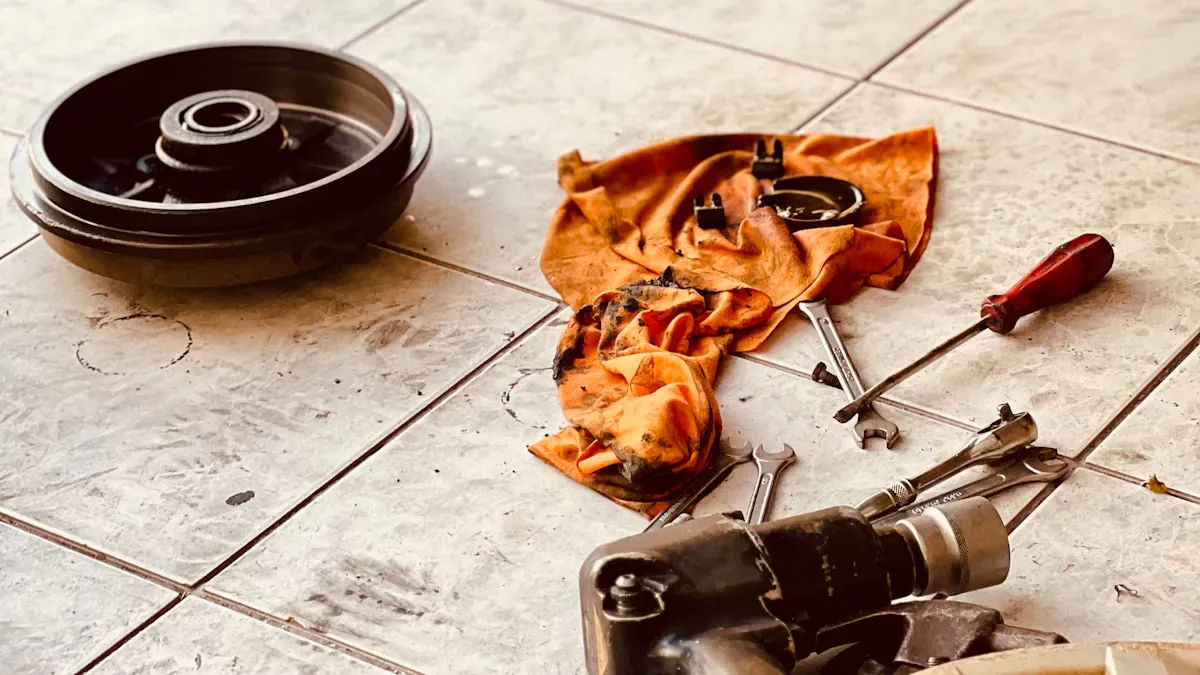
Have you ever thought about what helps your car stop when you hit the brake pedal? The brake drum is an important part of the brake system. It helps slow down your car. You should know how the brake works because it keeps you safe. It also affects how much you spend on repairs.
Knowing how brakes work helps you make good choices about fixing them.
If you do not take care of your brakes, your car may not stop well. This can make accidents more likely.
Many cars have drum brakes, so you should check them often.
Knowing how brake drums work helps you choose better for car fixes and care.
Check your brake drums and shoes often to stop accidents and save money on repairs.
If you hear strange noises or your brakes feel different, ask a mechanic to keep safe.
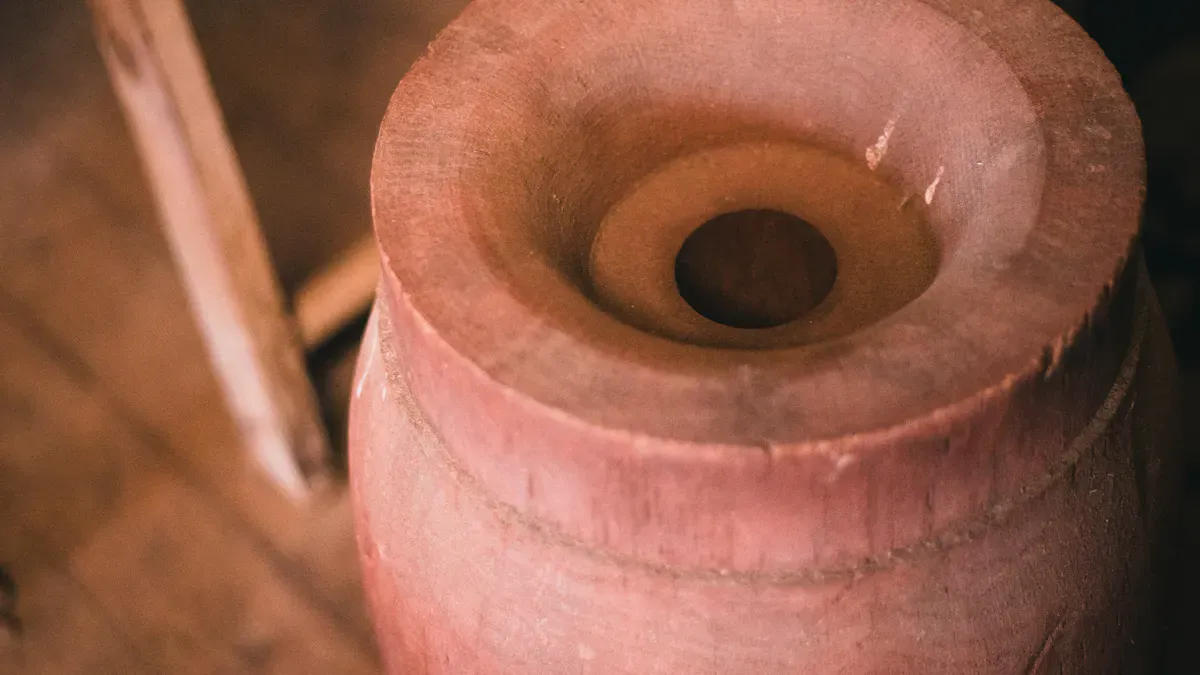
A brake drum is a round metal part made from cast iron. It connects to your car’s wheel hub. It looks like a bowl and spins with the wheel. The inside of the brake drum is where friction happens. When you press the brake pedal, the brake shoes move out. They rub against the inside of the drum. This rubbing slows the wheel and helps your car stop. Most brake drums are between 230 and 280 millimeters wide inside. If the drum gets too worn, it might crack when you brake hard. The brake drum works with brake shoes and wheel cylinders. These parts help your car slow down safely.
Tip: Always check how thick your brake drum is during regular maintenance. If it gets too thin, it can break and make driving unsafe.
The main job of drum brakes is to slow or stop your car by making friction. There is a round drum on the wheel. Inside, brake shoes push out when you press the brake pedal. The friction lining on the shoes presses against the inside of the spinning drum. This slows the wheel and stops your car. The bowl shape of drum brakes helps the leading shoe press harder as the drum turns. This gives more stopping power. Drum brakes work well at low speeds or when you use the parking brake.
The brake drum spins with the wheel.
Brake shoes and wheel cylinders are inside the drum.
When you brake, the shoes push against the drum and make friction.
The design matches the way the wheel turns, which helps the brake work better.
You might wonder how drum brakes are different from disc brakes. Both types help your car stop, but they do not work the same way. Drum brakes use brake shoes that push out against the inside of a spinning drum. Disc brakes use a caliper to squeeze brake pads onto a flat, spinning disc called a rotor. This makes each system handle heat, water, and repairs in different ways.
|
Component |
Drum Brakes Description |
Disc Brakes Description |
|---|---|---|
|
Design |
Closed housing gives strong holding power and makes parking brake setup easy. |
Open design lets heat escape and makes repairs easier. |
|
Heat Management |
Holds heat longer, which can cause brake fade. |
Lets heat out faster, so there is less brake fade. |
|
Maintenance |
Has more parts and needs a skilled mechanic to fix. |
Fewer parts make repairs and installation easier. |
|
Performance in Wet |
Takes longer to dry, so water can be a problem. |
Dries fast, so there is less slipping in wet weather. |
|
Weight |
Usually heavier, which adds to the car’s weight. |
Lighter, which helps the car stop better. |
|
Failure Rate |
Breaks more often and repairs can mean replacing the whole drum. |
Breaks less often and you can just change the pads. |
Drum brakes cost less to put in and fix than disc brakes.
Disc brakes stop your car faster and handle heat better, especially on long hills.
Drum brakes can lose up to 40% of their stopping power if used a lot, but disc brakes keep most of their power.
Drum brakes are good for parking brakes and heavy loads, but they are heavier and have more parts.
How Brake Drum WorksNote: Many cars have drum brakes on the back wheels and disc brakes on the front. This setup helps balance cost, how well the brakes work, and safety.
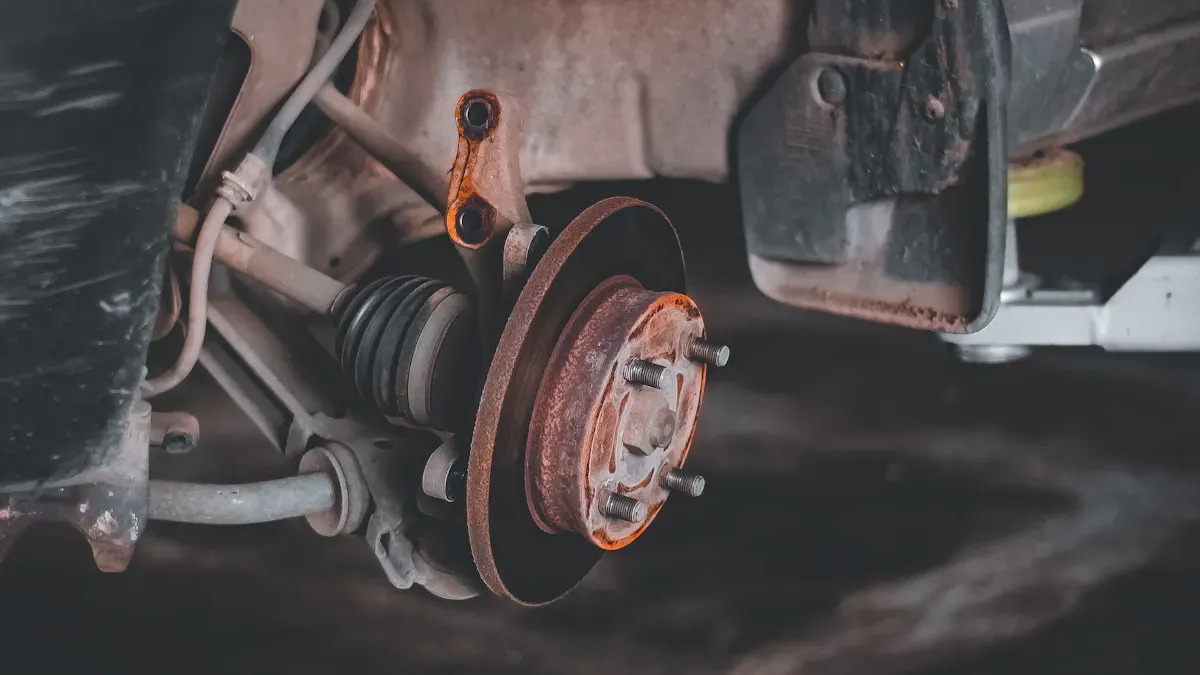
You use the brake system when you press the brake pedal. The brake drum works in steps to help your car stop. Here’s how it happens:
You push the brake pedal. This makes hydraulic pressure in the master cylinder.
Brake fluid moves through lines to the wheel cylinder.
The pistons in the wheel cylinder push the brake shoes out.
The brake shoes press against the inside of the brake drum. This makes friction.
The friction slows the wheel and stops your car.
When you let go of the pedal, springs pull the brake shoes back. The wheels can spin again.
The brake drum needs friction between the brake shoes and its inside. Hydraulic pressure moves the brake shoes. Springs pull them back to their place.
There are many important parts inside a brake drum. Each part helps the brake system work well:
Brake drum: This round metal cylinder connects to the wheel hub. It gives the friction surface.
Brake shoes: Curved steel pieces with friction material. They press against the drum when you brake.
Wheel cylinder: This part turns hydraulic pressure into force. It pushes the brake shoes out.
Return springs: These springs pull the brake shoes back after you stop braking.
Automatic adjuster: This keeps the space between the brake shoes and drum right as the lining wears down.
Anchor pin: The fixed point for the brake shoes.
Backing plate: The base that holds all the parts together.
The friction material on the brake shoes is important. Good linings handle heat and friction well. This gives you safe braking. If the brake shoes wear out or get glazed, you may need more time to stop or feel vibrations.
The brake drum has a special self-actuating feature. When you press the brake pedal, the drum’s spin pulls the leading brake shoe harder against the friction surface. This makes more contact and better braking. You do not need to press the pedal as hard because the drum helps pull the shoes in place. This self-energizing effect lets the brake drum make more torque than disc brakes of the same size. The bigger friction area also helps the brake drum give strong stopping power, especially for heavy cars.
Brake drum systems have good and bad points.
Advantages:
The brake drum works well because it is simple.
You spend less money on repairs and parts than with disc brakes.
The sealed design keeps out dirt and water. This stops rust and makes it last longer.
The brake drum has a bigger friction area. This helps with braking force.
You get strong leverage, so the brake drum works well for parking brakes and heavy loads.
Disadvantages:
The brake drum cannot get rid of heat fast. This can cause brake fade, especially if you stop a lot or drive downhill.
Brake fade happens when the drum gets too hot. The brakes do not work as well.
Repairs can be harder because the brake drum has more parts.
The brake drum does not work as well at high speeds or in races.
Water can cause rust, cracks, or swelling in seals. This makes the brake system weaker.
You keep your brake drum working by doing simple maintenance:
Check the brake drum and brake shoes often, about every 12,000 miles or once a year.
Look for signs of wear, like squealing or grinding noises when you brake.
Check for a vibrating or shaking brake pedal. This may mean the drum is bent.
Watch for a soft or spongy brake pedal. This could mean air in the lines or a problem with the master cylinder.
Change brake shoes if the friction lining is thin or glazed. Worn shoes make it harder to stop and cause brake fade.
Make sure the automatic adjuster keeps the space between the shoes and drum right.
Clean the brake drum and backing plate to get rid of dust and dirt.
If you drive in wet or humid places, check for rust or corrosion on the brake drum.
If you drive normally, the brake drum can last up to 75,000 miles. Heavy use can make it wear out faster.
Tip: If you hear strange sounds or notice changes in braking, get your brake drum checked by a professional. Regular maintenance stops brake fade and keeps your brake system safe.
You have learned how the brake drum works and why it is important. Checking your brakes often helps you save money and keeps your car safe.
Mechanics check the brake shoes, drums, and wear indicators during a brake inspection.
Finding problems early stops them from getting worse.
|
Evidence Type |
Description |
|---|---|
|
Out-of-Service Violations |
Many problems happen because of bad brakes, so maintenance matters. |
|
Cost of Maintenance |
Taking care of brakes costs less than fixing big problems. |
|
Risk Reduction |
Good brake care lowers the chance of your car breaking down and keeps you safe. |
If you hear weird noises or notice something different when you brake, ask a mechanic for help. Make checking your brakes a regular habit to stay safe.
FAQYou should check your brake drums every 12,000 miles or once a year. Regular checks help you spot wear early.
You hear squealing or grinding noises.
You feel vibrations in the brake pedal.
You notice your car takes longer to stop.
|
Risk |
Description |
|---|---|
|
Safety |
|
|
Cost |
Repairs can get more expensive. |
You should fix worn brake drums right away to stay safe.
Please leave your requirements and contact information, and we will send you the quotation information as soon as possible.