Date: 2026.05.08 Click: 9
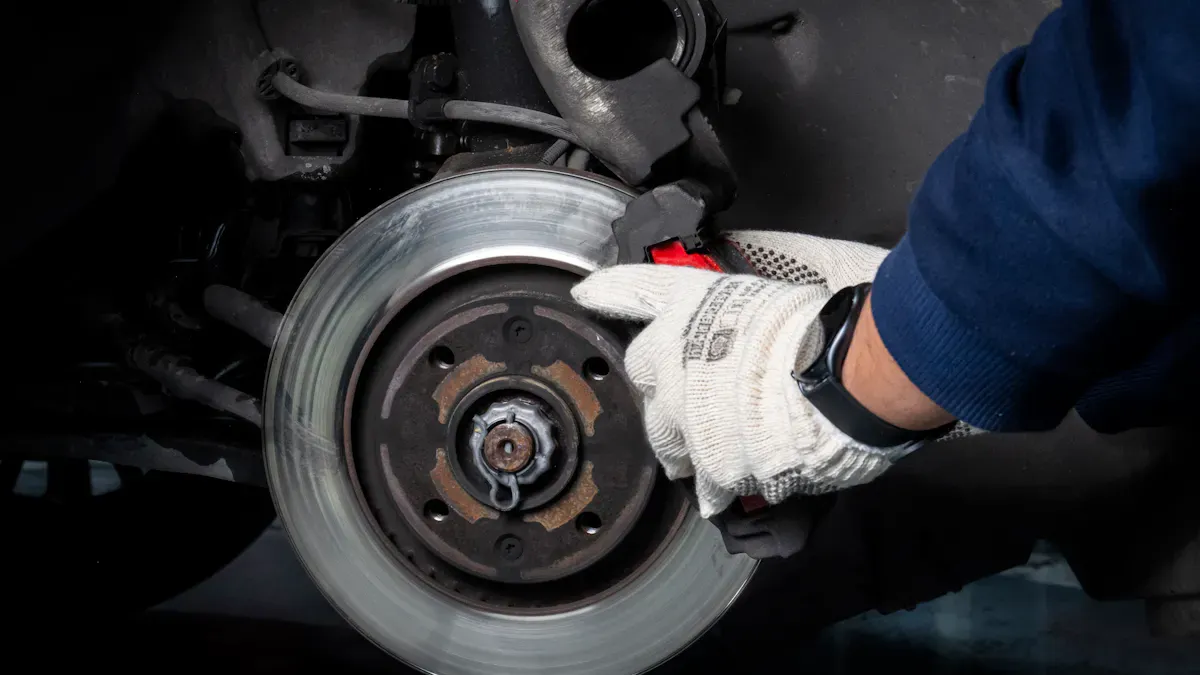
You need to pick the right brake pads for your car. Think about how you drive, how heavy your car is, and what the manufacturer says. These things help keep you safe. If you drive fast or stop a lot, your brake pads wear out faster. Heavy cars need stronger brake pads. If you follow the manufacturer's rules, your car works better and stays safe.
Key TakeawaysPick brake pads that match how you drive and your car’s weight. If you drive in the city, use ceramic pads. Ceramic pads make stops quiet and smooth.
Always use brake pads the manufacturer suggests. This keeps your car safe and working well.
Think about your budget when you buy brake pads. Good pads cost more but last longer. They also help keep you safer and save money later.
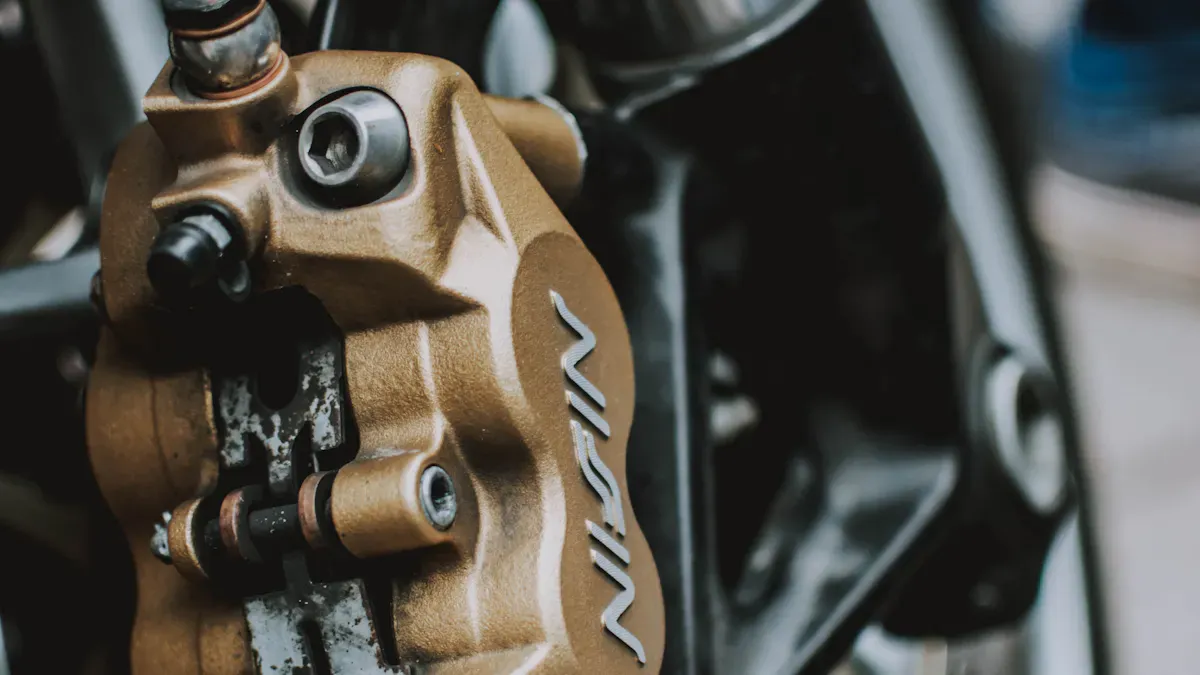
There are three main brake pad types you can buy: organic, semi-metallic, and ceramic. Each one is made from different stuff and helps your car in its own way.
Organic brake pads are made with glass, rubber, Kevlar, carbon, and resin. These pads are quiet when you use them. They stop your car gently. Your brake discs do not wear out as fast. Organic pads are good for small cars and everyday driving. They do not cost a lot but do not last long. You might see more black dust on your wheels.
Semi-metallic brake pads have 30% to 70% metal fibers like copper, steel, or iron. These pads help your car stop quickly and handle heat well. They can be noisy. Your rotors might wear out faster. Semi-metallic pads are best for heavy cars or if you tow things or drive hard.
Ceramic brake pads are made with kiln-fired ceramic and copper fibers. These pads last a long time and make little dust. Braking feels smooth and quiet. Ceramic pads cost more money but need less fixing. They are great for fancy cars and daily driving.
|
Brake Pad Type |
Advantages |
Disadvantages |
|---|---|---|
|
Organic |
Quiet, gentle on rotors, affordable |
Wears out fast, more dust, not for hard stops |
|
Semi-Metallic |
Strong braking, good for heat, durable |
Noisy, harsh on rotors, more dust |
|
Ceramic |
Long life, low dust, quiet, low maintenance |
Expensive, less heat handling |
Choosing a Good Brake PadTip: Picking the right brake pad type keeps you safe and comfy. In 2026, many companies use eco-friendly materials to follow new rules and cut down on pollution.
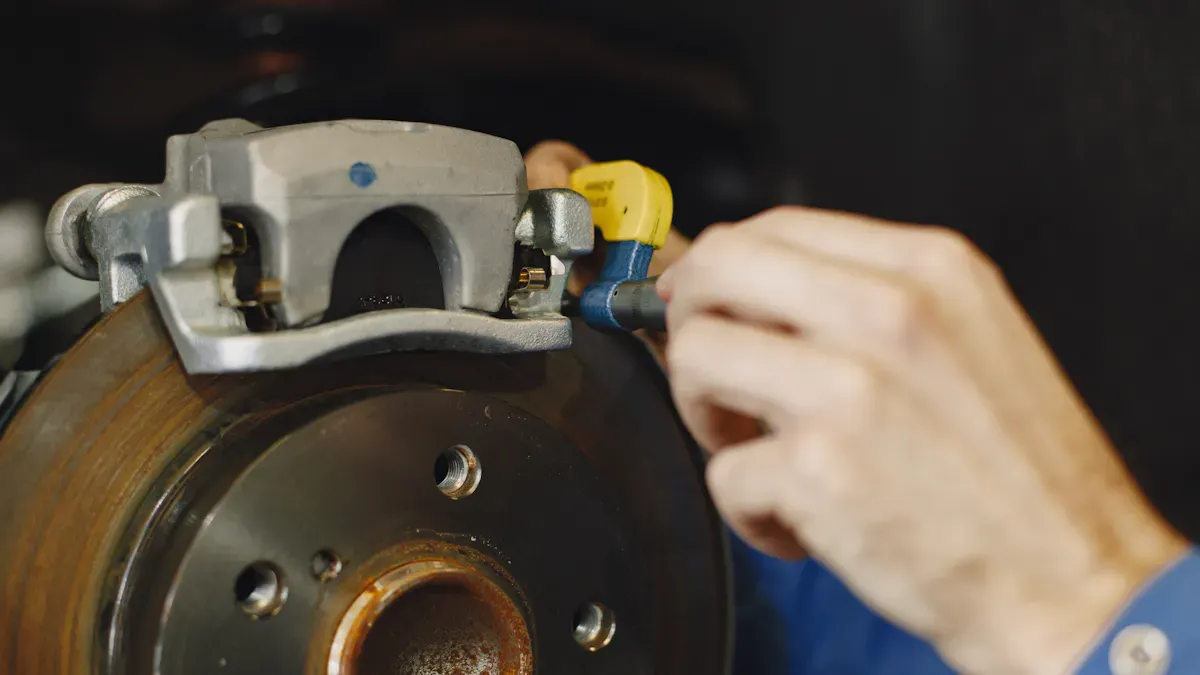
You need brake pads that fit how you drive and your car’s weight. If you drive in the city, you stop and go a lot. You want brake pads that stop smoothly and quietly. These pads should last a long time. Ceramic brake pads are good for city driving. They make less dust and less noise. If you drive fast or carry heavy things, you need pads that handle heat well. Semi-metallic or carbon fiber pads stop your car quickly. They give you strong control.
|
Factor |
City Commuting |
High-Performance Driving |
|---|---|---|
|
Brake Pad Material |
Semi-metallic for balance and lasting power |
Ceramic or carbon fiber for heat and performance |
|
Heat Resistance |
Moderate, good for normal driving |
High, needed for tough driving |
|
Noise Level |
Quiet is best |
More noise is okay for performance |
|
Wear Rate |
Slower wear is better |
Faster wear is fine for performance |
|
Environmental Conditions |
Made for stop-and-go traffic |
Made for fast speeds and heavy loads |
A good brake pad works well every day. It lasts a long time. Always think about safety and how long your pads will last.
Always check your car’s manual for the right brake pad. The manufacturer gives rules for material, size, and friction. These rules help your brakes work well and keep you safe. Most cars use semi-metallic, ceramic, or low-metallic NAO pads. Each type has special features:
|
Material Type |
Characteristics |
|---|---|
|
Semi-metallic blends |
Strong stopping power |
|
Ceramic compounds |
Quieter and cleaner stops |
|
Low-metallic NAO |
Good for street driving |
Manufacturers set limits for size and how much pads can squeeze. This keeps your brake pedal steady and your stops smooth. Standard pads follow these rules for safety.
You want good value for your money. Organic pads cost less but wear out fast. Ceramic pads cost more but last longer and need less cleaning. Metallic pads work well but can be noisy and tough on rotors. In 2026, premium brake pads cost $115 to $300 for one axle.
Think about price and quality when you pick brake pads. Cheap pads save money now but wear out fast and may not be safe. Good pads last longer and protect your car. This saves money over time. Durability is important for your wallet and safety.
You can find the right brake pads by doing these steps:
Use your car’s VIN to check for the right parts.
Look in official catalogs for your car’s make and model.
Use trusted online parts databases.
Ask a mechanic or brake expert for advice. They know what works best for your car and how you drive.
Read reviews and ratings to see how pads work in real life.
Tip: Always pick brake pads that fit your car’s needs. Do not use the wrong pads. Check your brake fluid and inspect your rotors. Skipping these steps can hurt your car and your safety.
Before you start, gather these tools:
Jack
Jack stands
Lug wrench
Socket set or wrench
C-clamp or brake caliper piston tool
Brake cleaner
New brake pads
Check your brake fluid and look at your rotors for damage. Follow the right bedding steps for your new pads to get the best results.
A good brake pad gives you strong performance, lasts long, and responds fast. Premium pads help you control your car better and keep you safe.
You need to pick brake pads that fit how you drive. Make sure they work for your car and follow the rules from the maker. If you are not sure, ask someone who knows cars. Check your brakes every year to stay safe. People who drive in cities might need new brakes sooner than people who drive on highways.
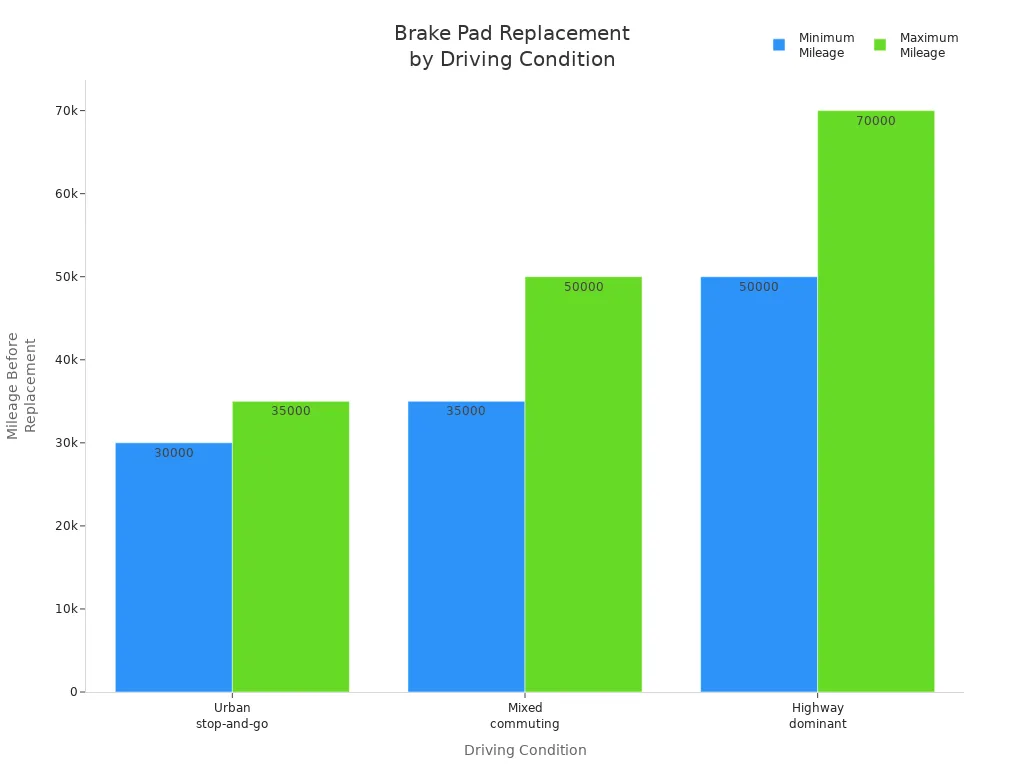
You hear squeaking or grinding. Your car takes longer to stop. You see less pad material through the wheel.
You should not mix types. Use the same material on both sides for safe and even braking.
Check your brake pads every 12,000 miles or once a year. You stay safe and avoid damage.
Please leave your requirements and contact information, and we will send you the quotation information as soon as possible.